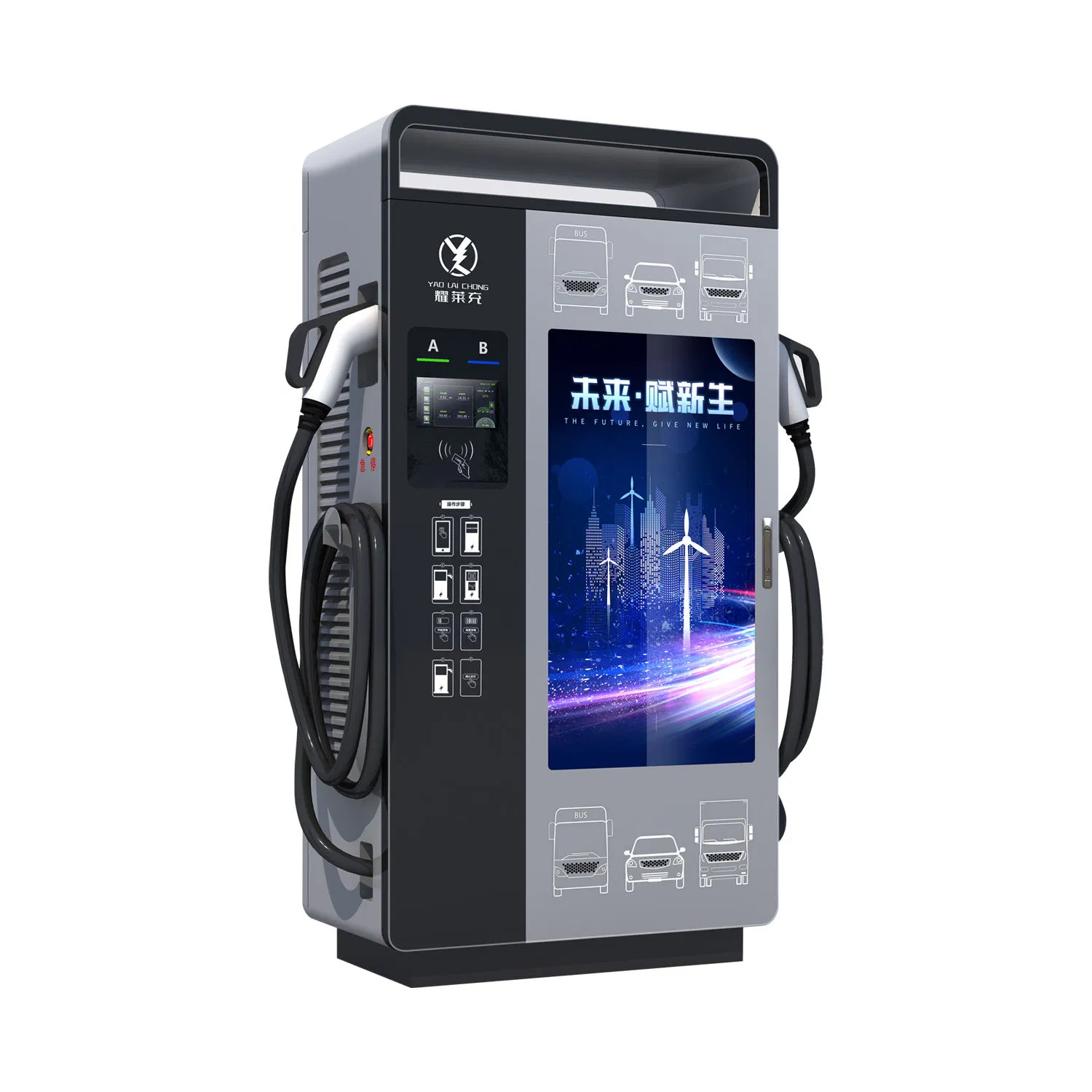
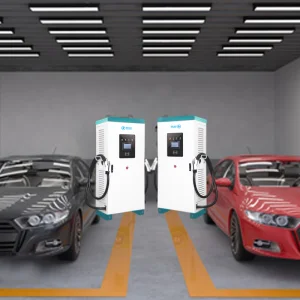
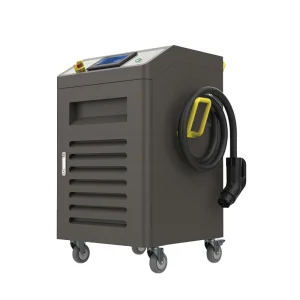
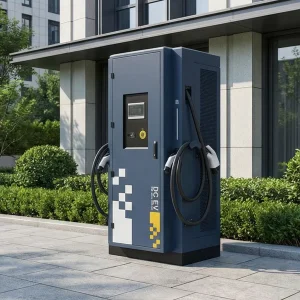
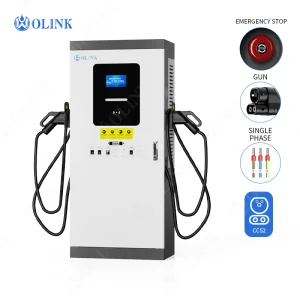
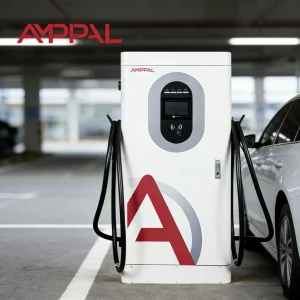
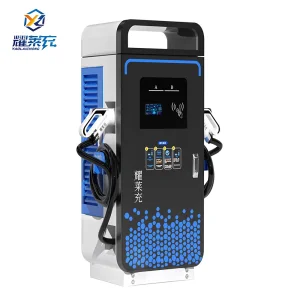
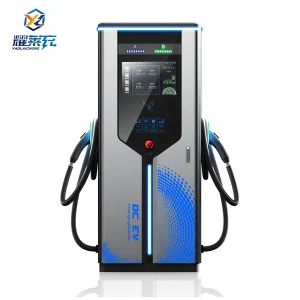
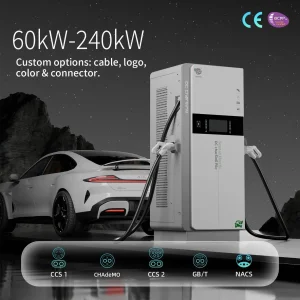
📦 Basic Specifications
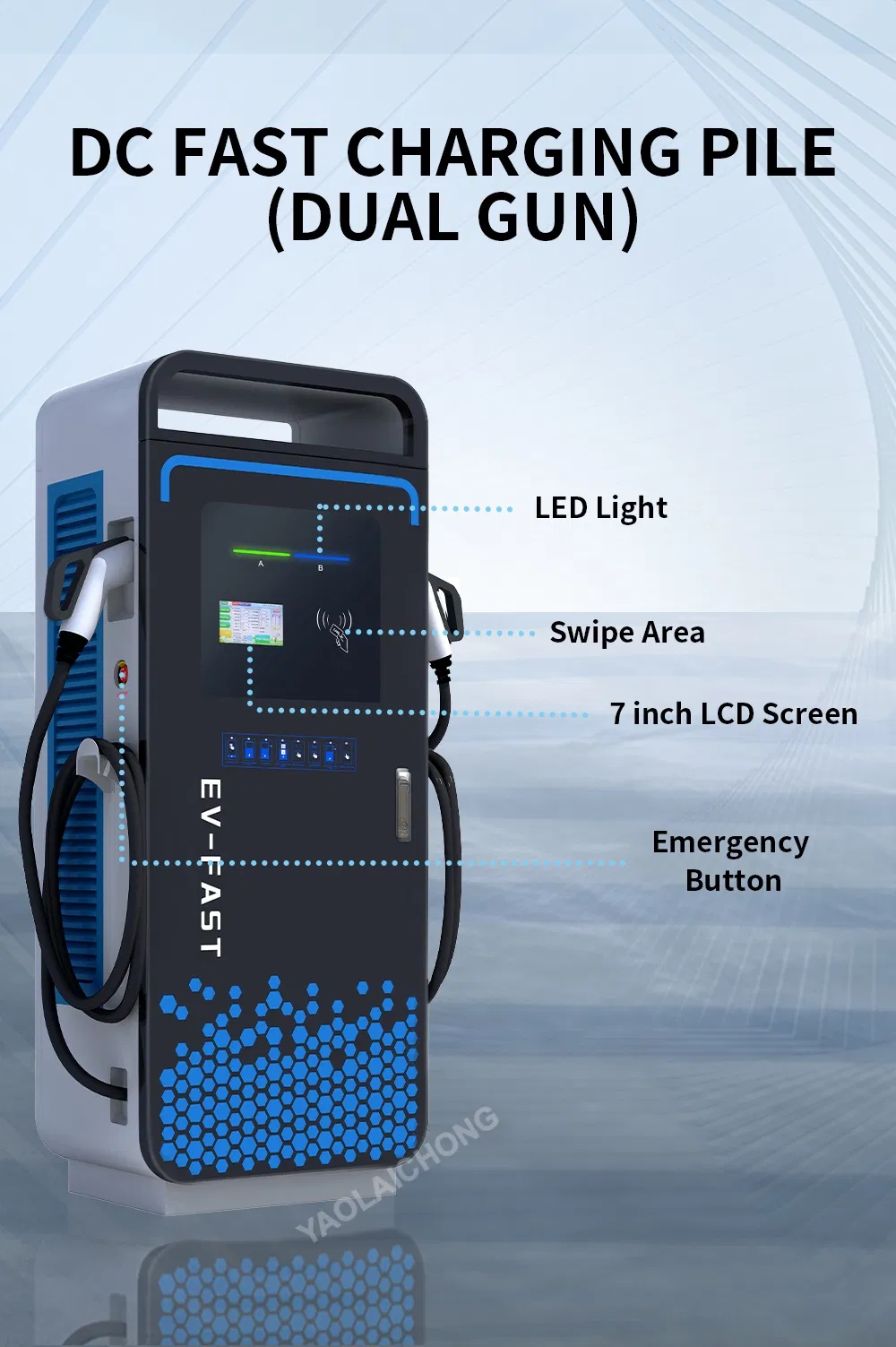
Interfaces
One Pile with Multiple Charges
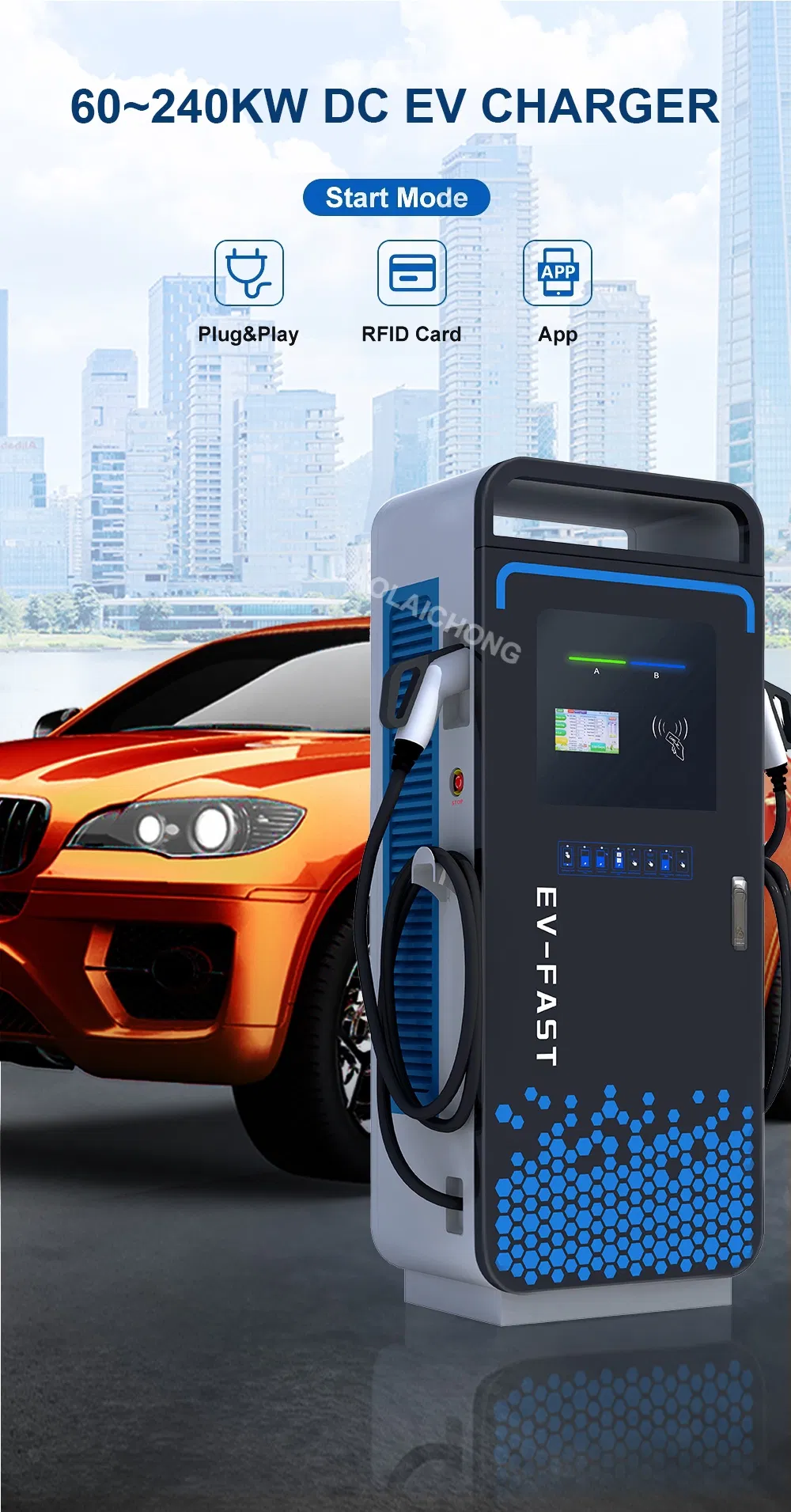
Start Mode
Credit Card, Mobile Remote, RFID
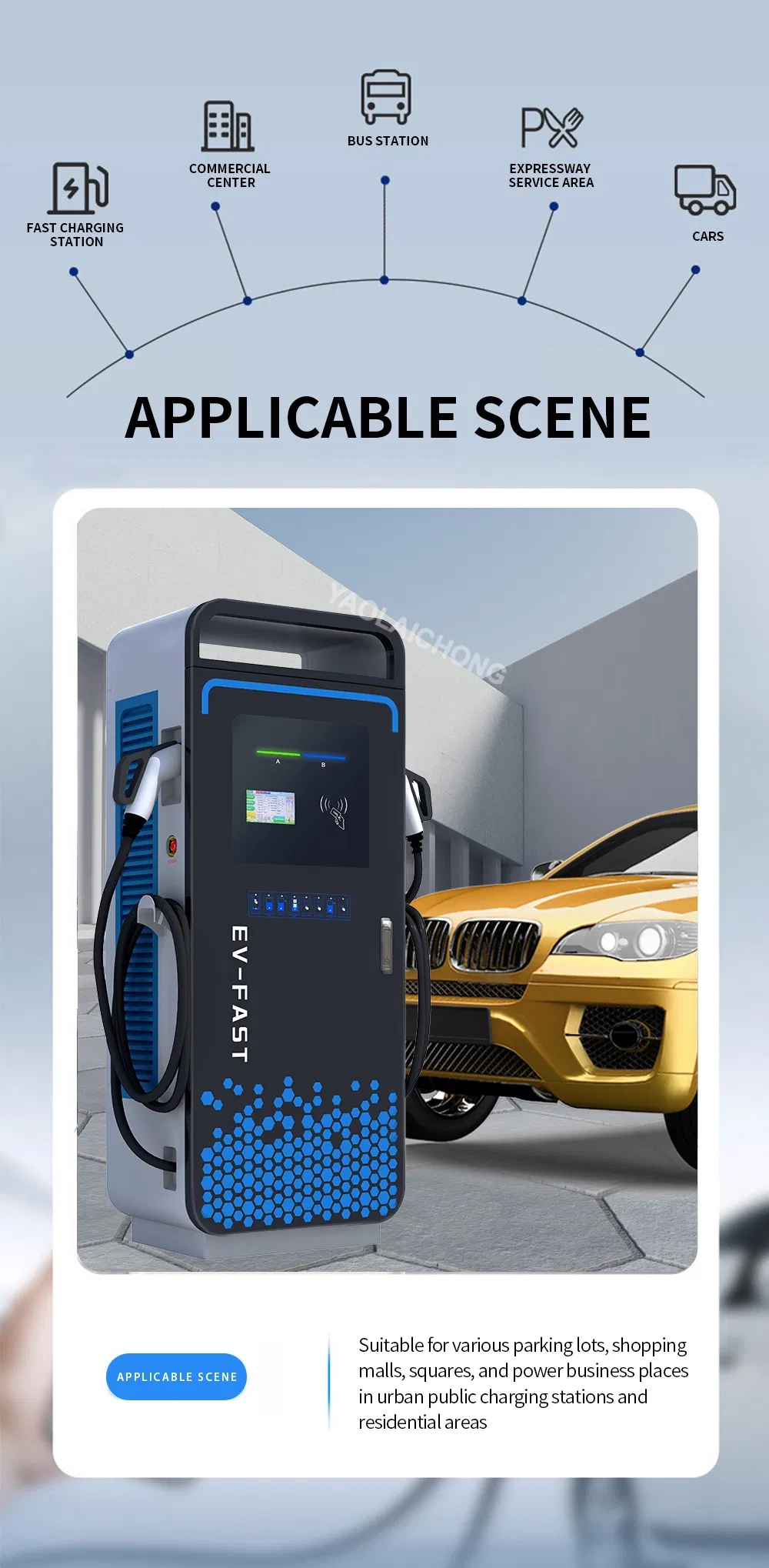
Applicable Car
All Brands of Electric Vehicles
💡 Why Customers Choose Us
📊 Technical Parameters
| Rated Power | 120kw / 160KW / 180kw / 240kw / 320kw |
| User Interface | 7-inch LCD color touch screen |
| Installation | Floor Standing |
| Cable Length | 5m |
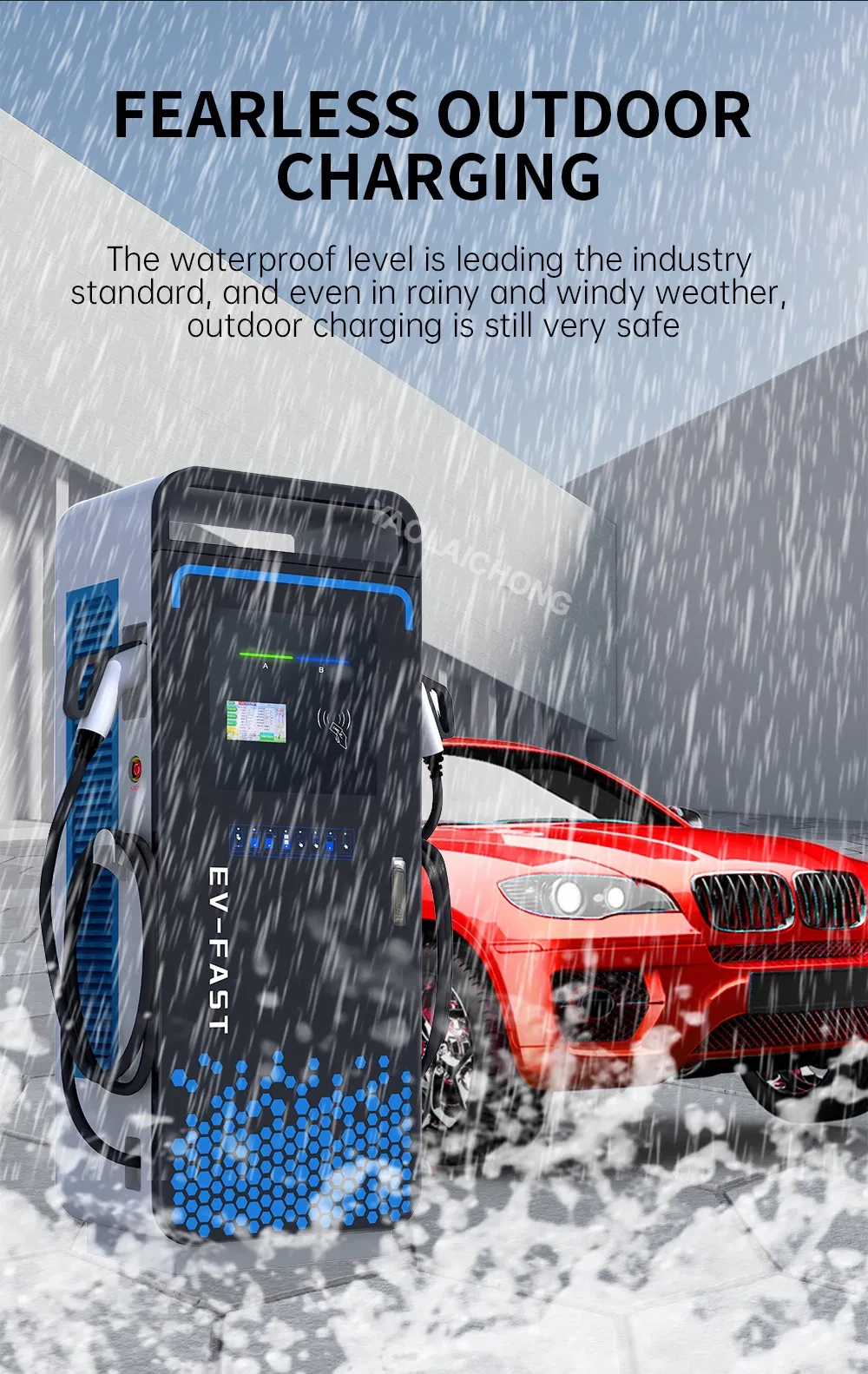
| Protection Level | IP54 |
| Cooling Method | Forced Air Cooling |
| Output Voltage | 200-1000V |
| Efficiency | ≥ 94.5% |
| Payment Method | Card / QR Code / Credit Card |
| Standards | CCS1, CCS2, GBT, CHAdeMO |
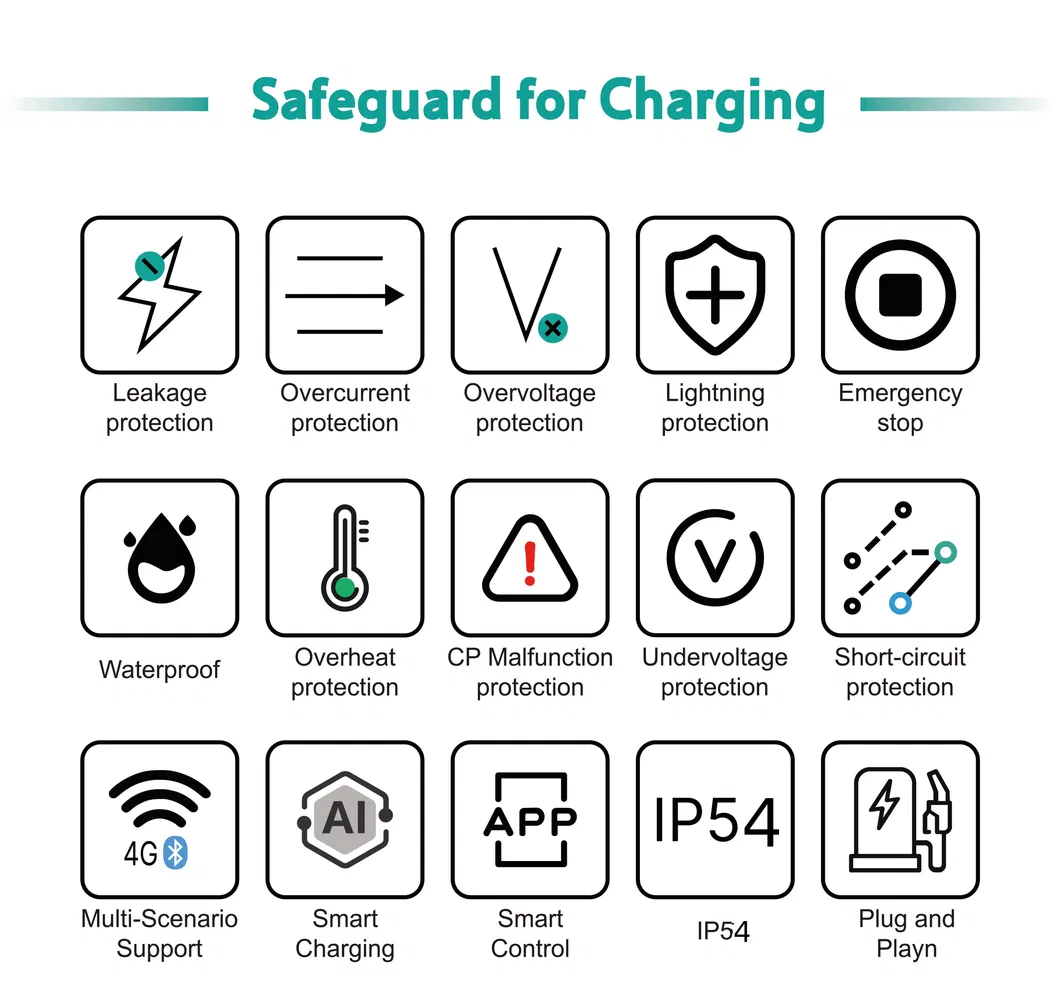
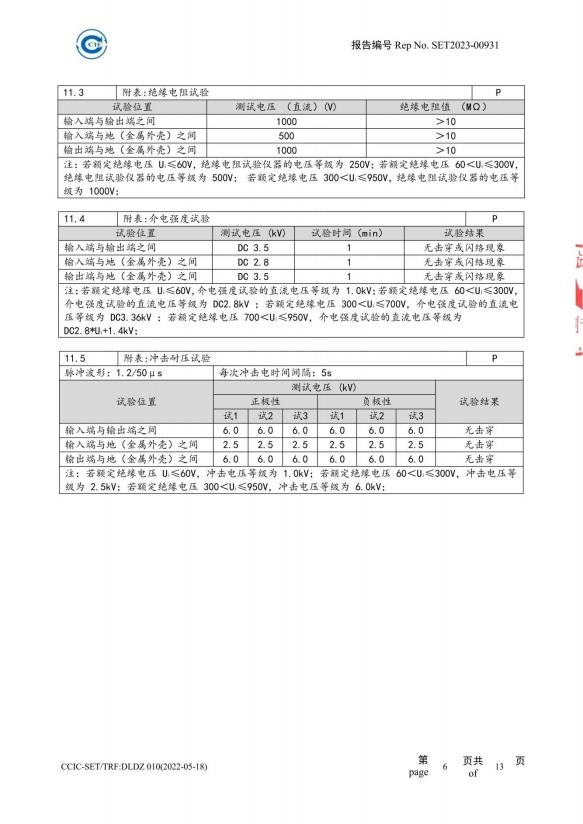
| Safety Features | Over/Under Voltage, Overload, Short Circuit, Over Temp, Lightning Protection |
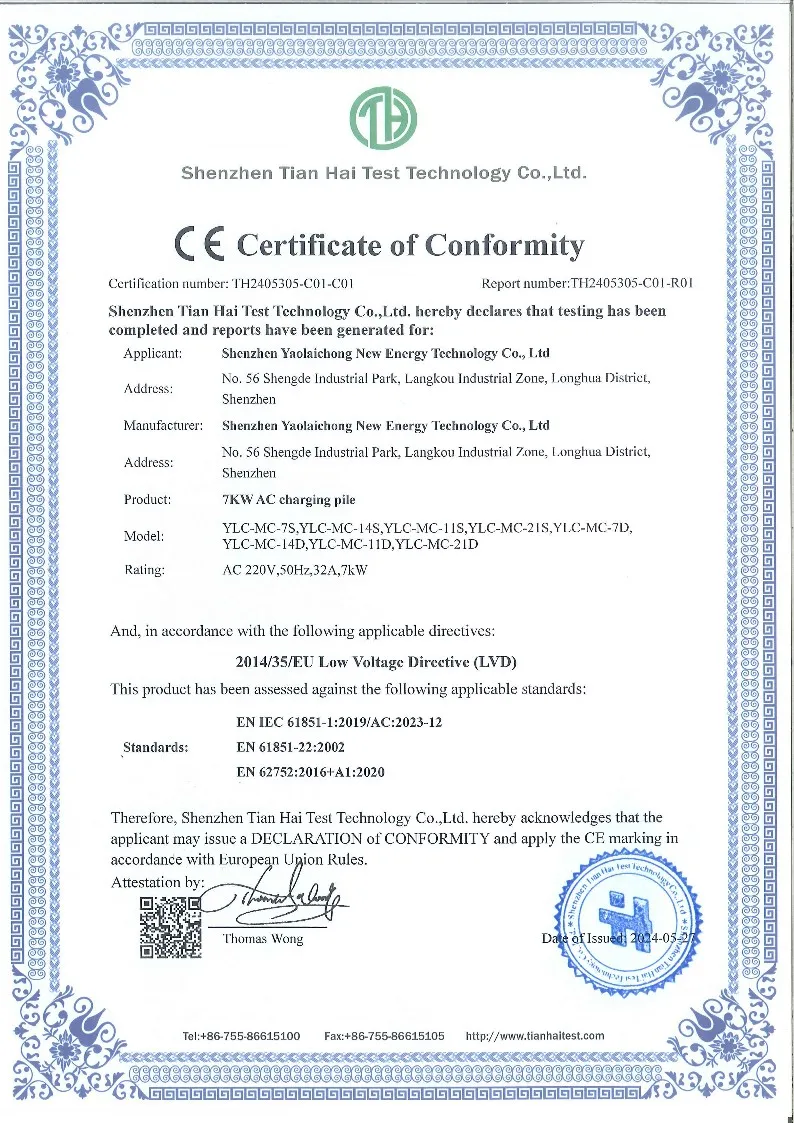
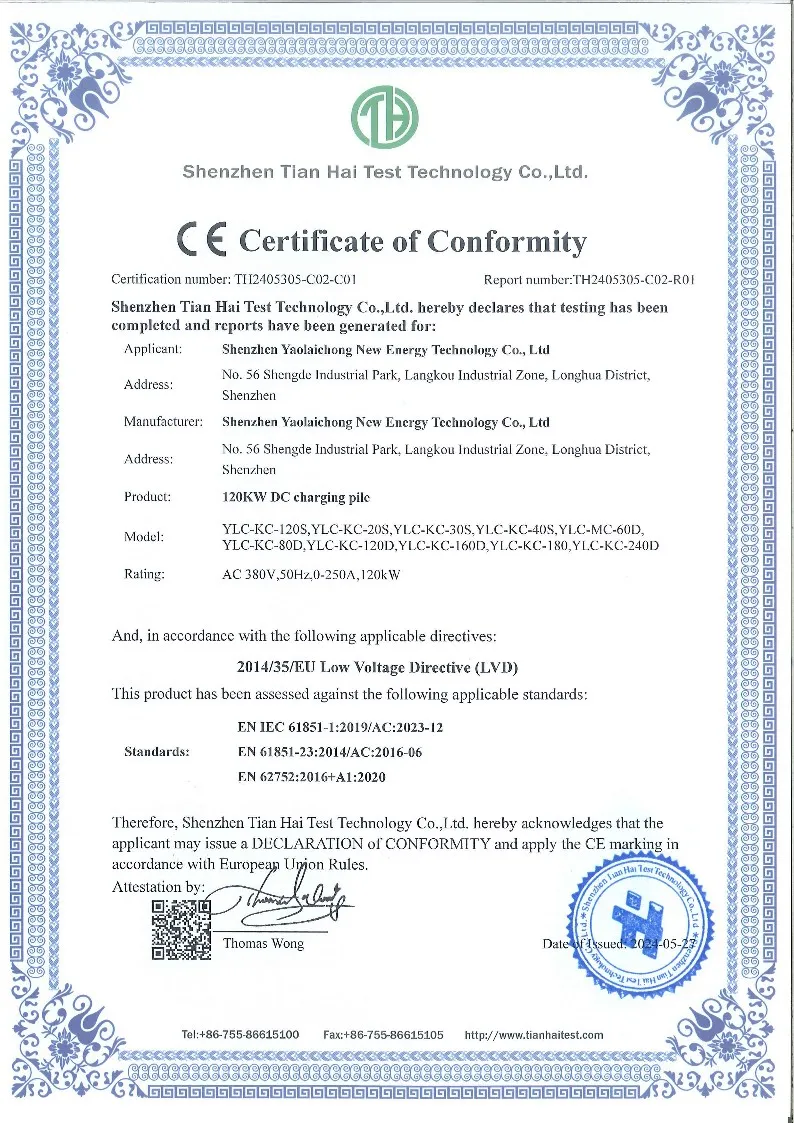
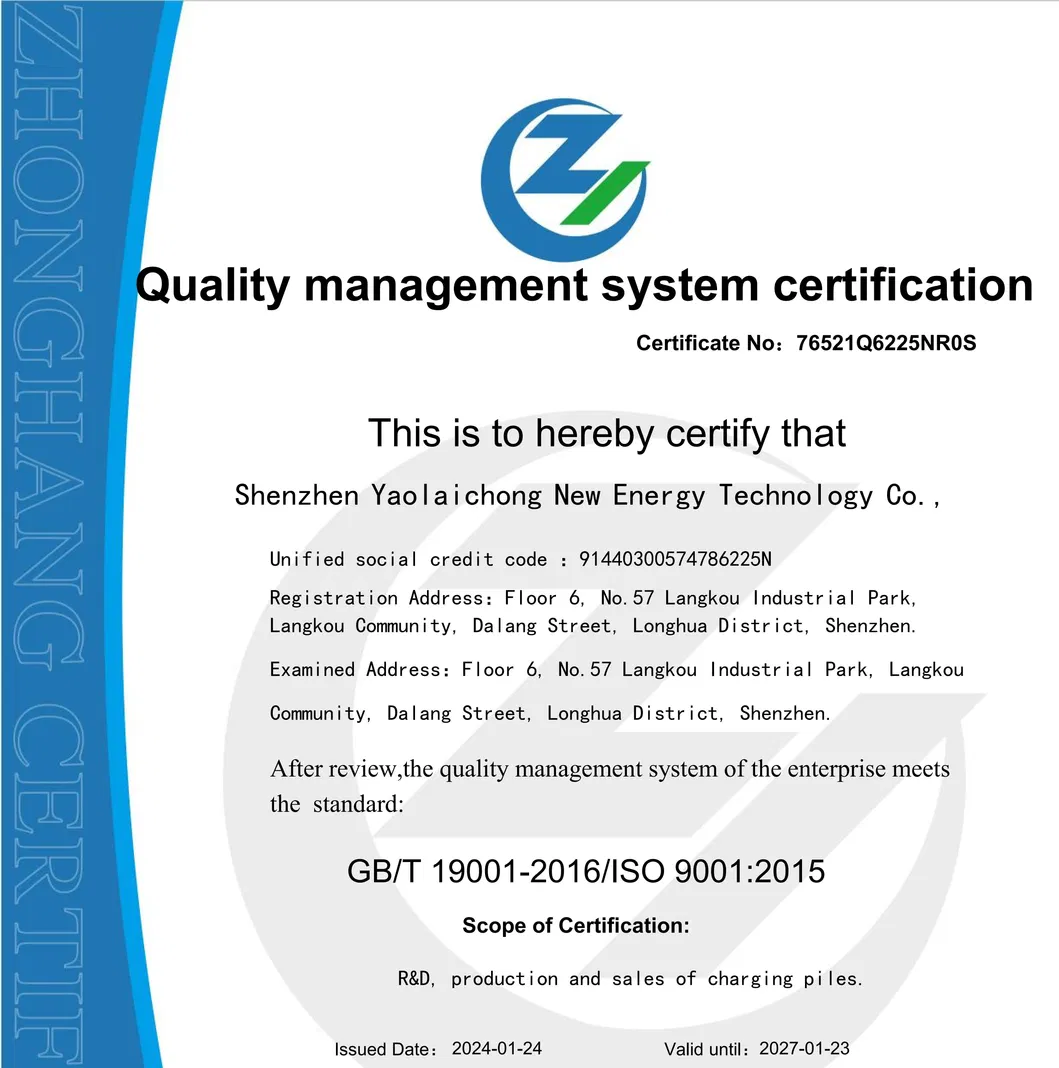
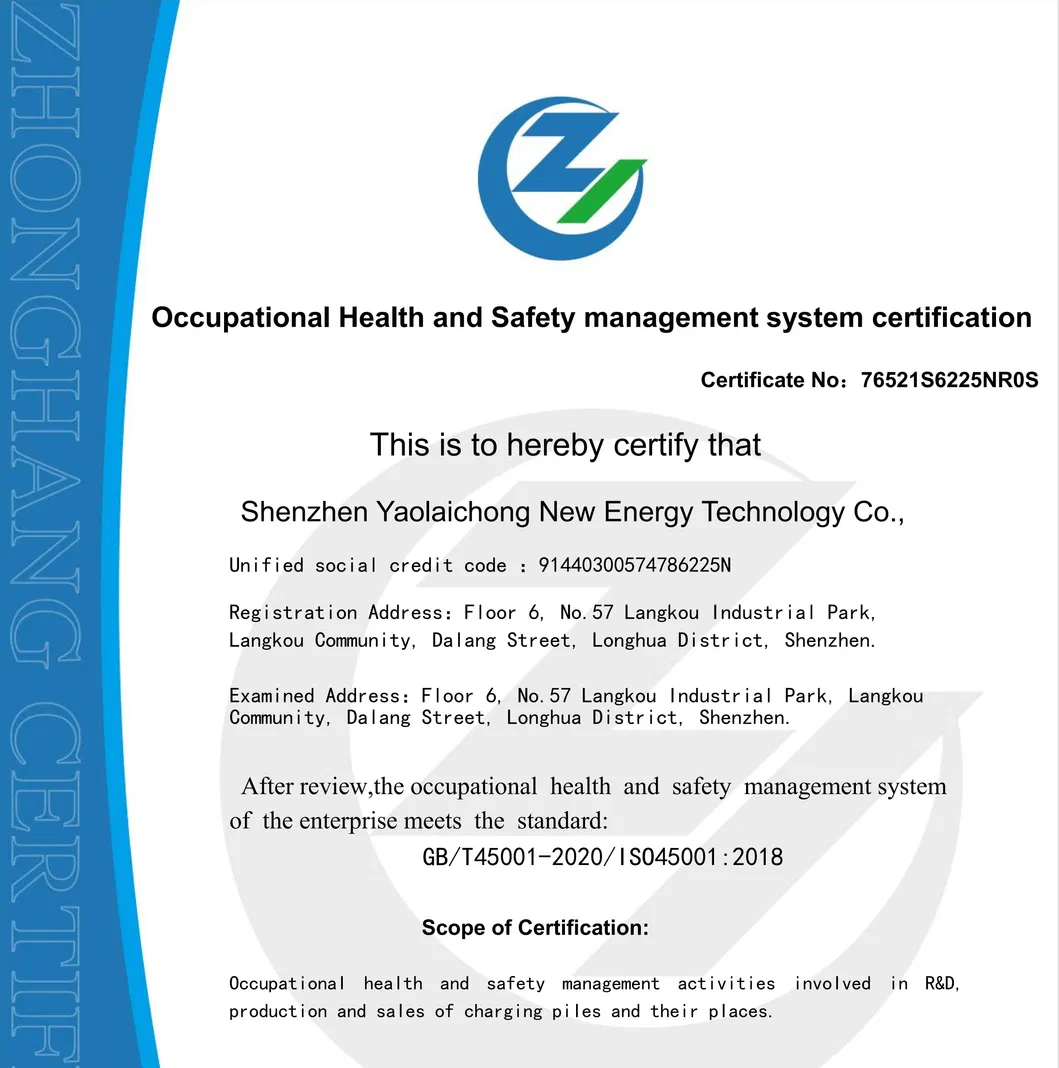
📜 Professional Certifications
❓ Frequently Asked Questions
What is the main difference between AC and DC chargers?
The difference lies in where the power is converted. A DC charger has the converter inside the unit itself, feeding power directly to the vehicle's battery, whereas AC chargers rely on the vehicle's onboard converter.
Does higher output power always mean faster charging?
Not necessarily. Charging speed is limited by the vehicle's battery capacity. However, high-power DC chargers are vital for supporting dual connectors and future-proofing for next-generation high-capacity batteries.
Which DC charging standards do you support?
We support all major global standards including CCS-1 (North America), CCS-2 (Europe), CHAdeMO (Japan), and GB/T (China).
What factors affect the vehicle charging speed?
Charging speed depends on the charger type (kW), the vehicle's onboard inverter, the battery's current state of charge (it slows down after 80-90%), and environmental temperatures.
What safety protections are integrated into the station?
Our stations include overvoltage, undervoltage, overload, short circuit, grounding, over-temperature, insulation monitoring, lightning, and emergency stop protections.
Are you a manufacturer or a trading company?
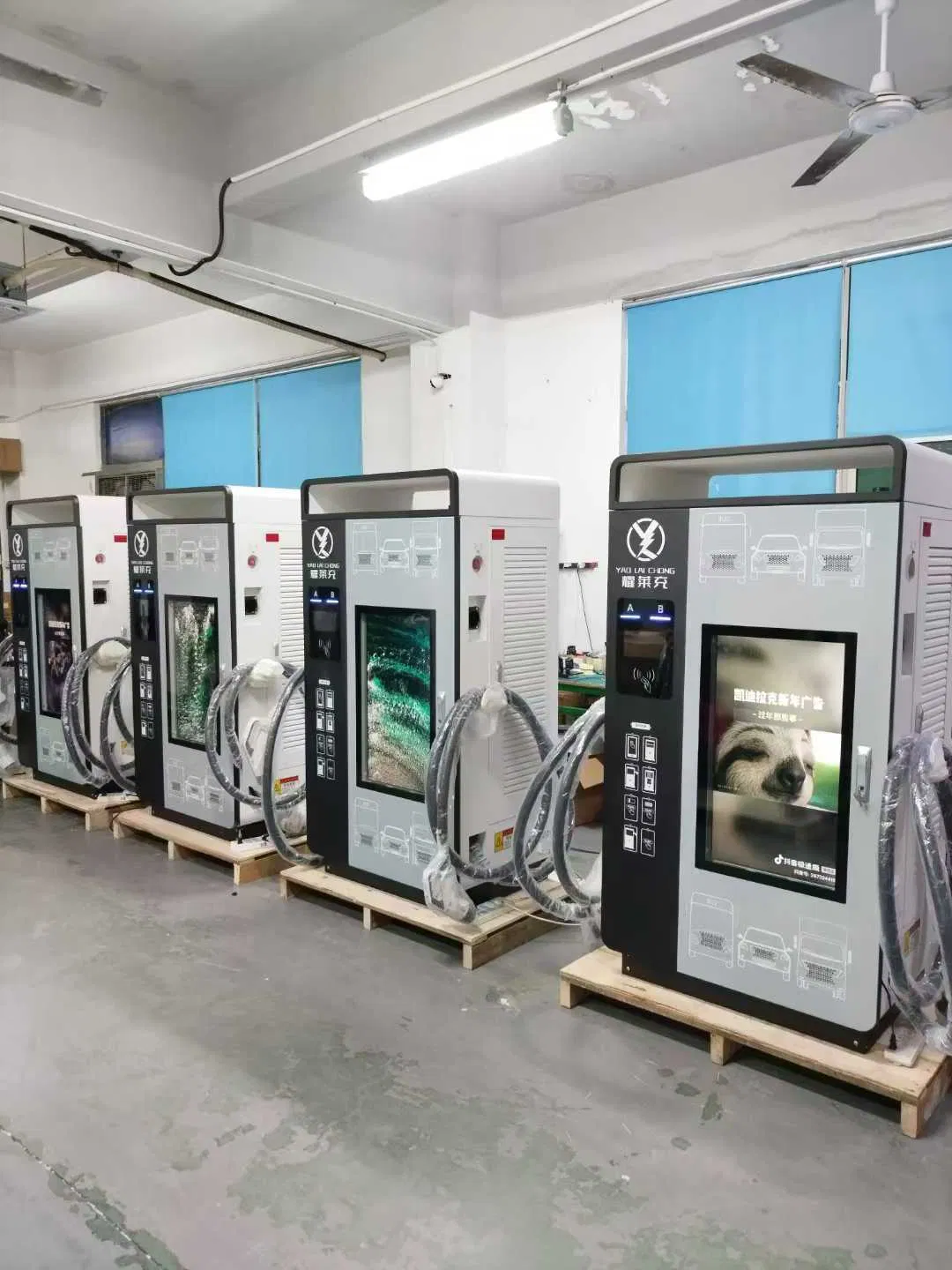
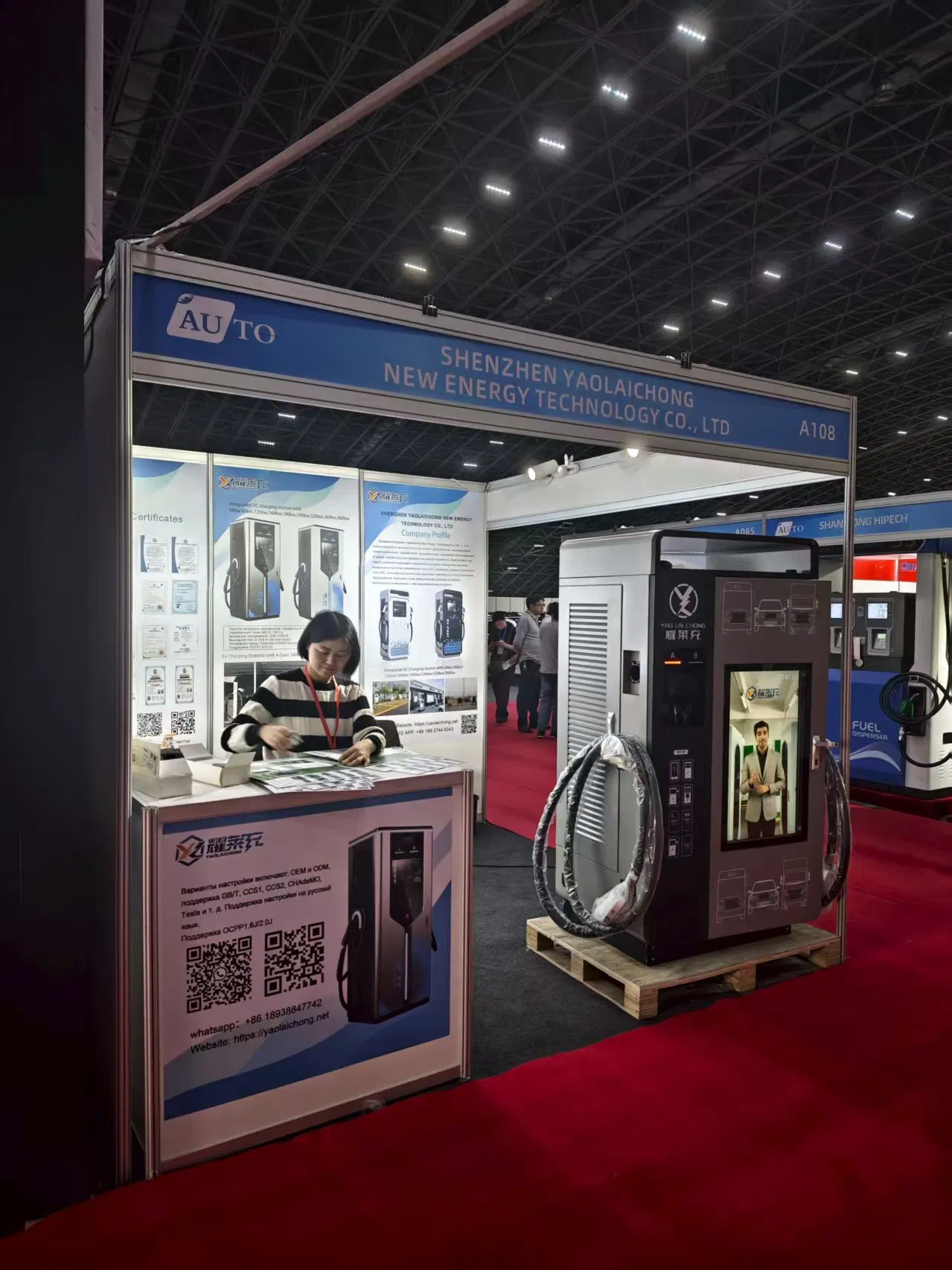
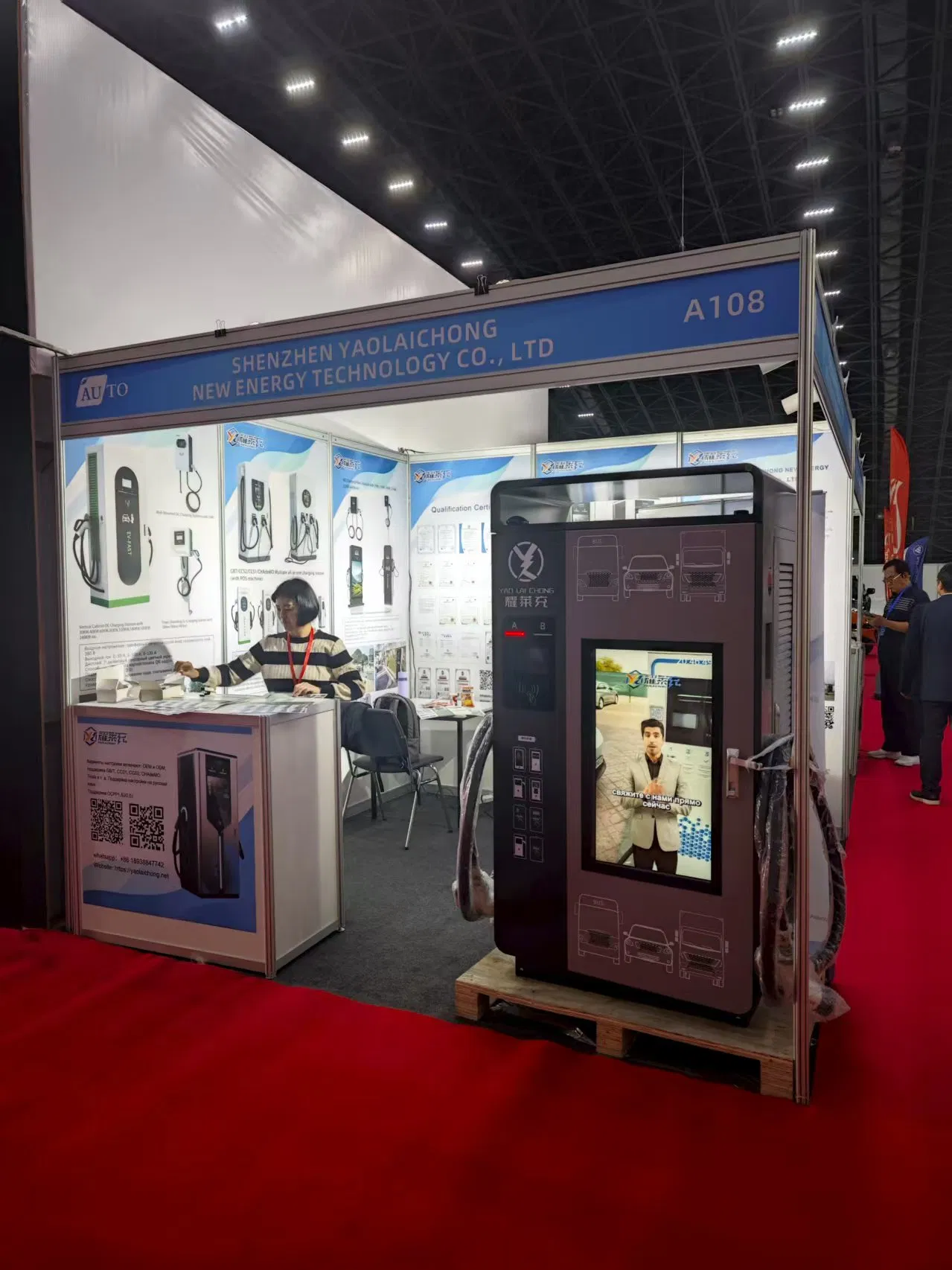
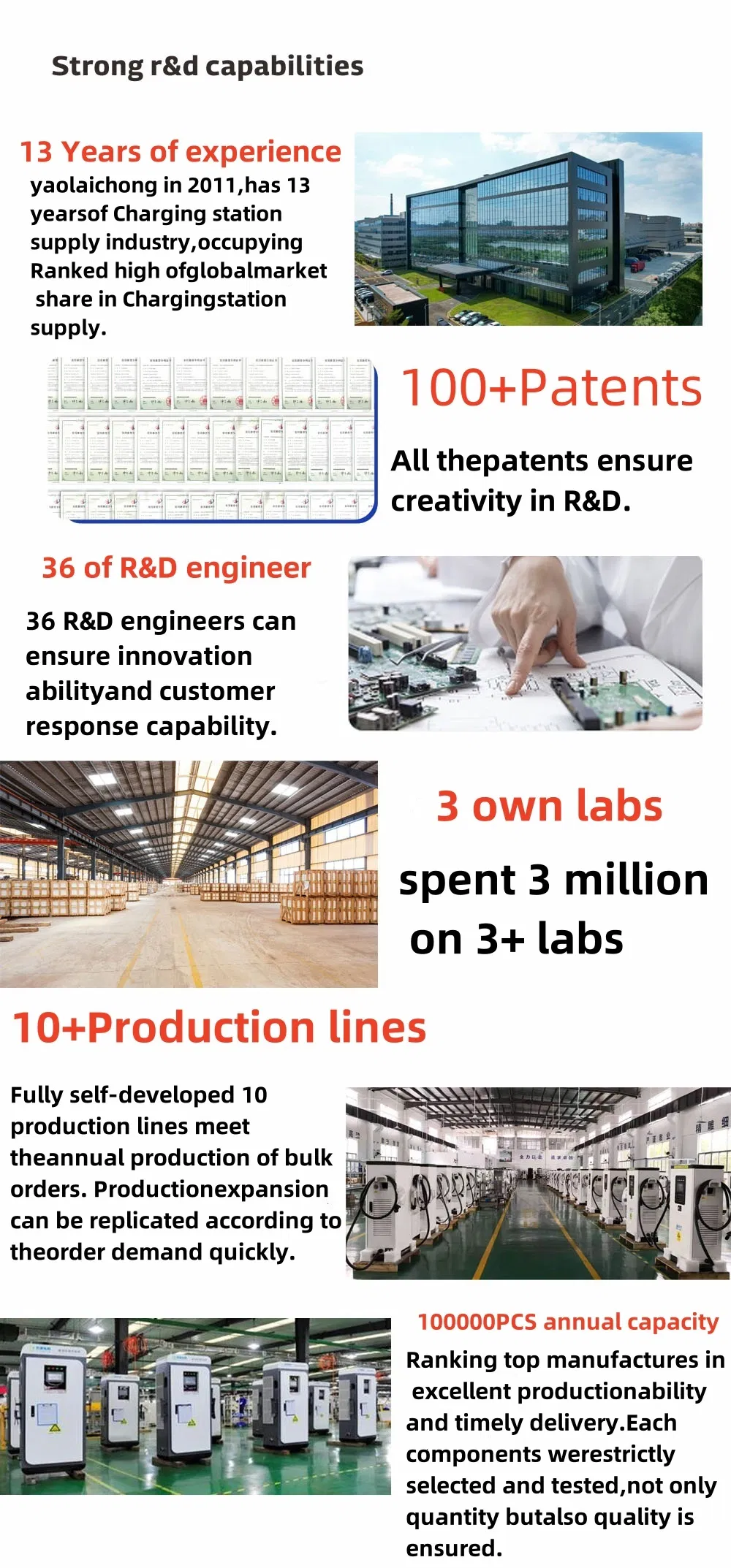
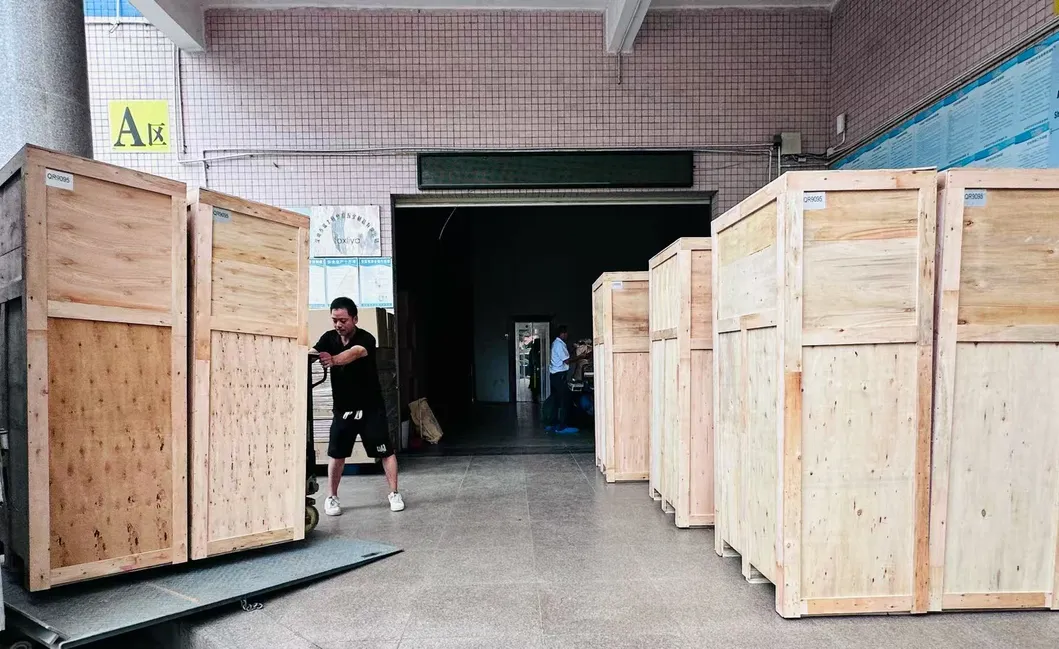
We are a professional manufacturer specializing in EV charging solutions for over 15 years, with modern production and testing facilities.
 Vernon Charger