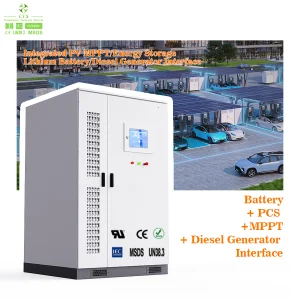
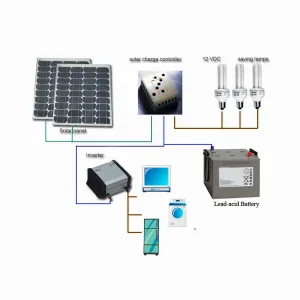
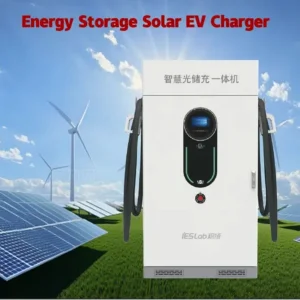
Self-contained grid-tied or off-grid solar-charging hub with premium thermal regulation.
Inquire NowUltra-precise split-core current monitoring ideal for high-dust telecom and solar array balancing.
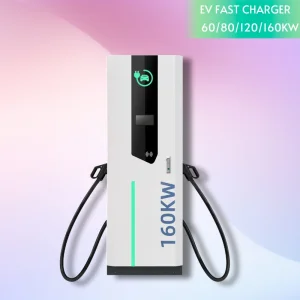
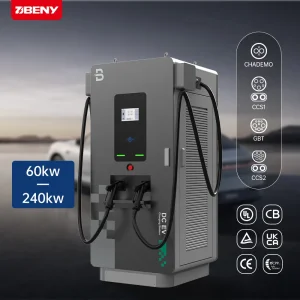
Inquire NowHigh-speed DC charging stations engineered to connect directly with photovoltaic arrays.
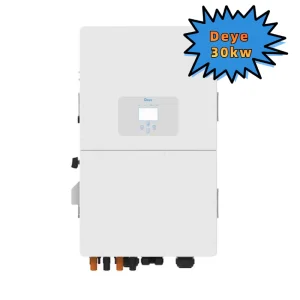
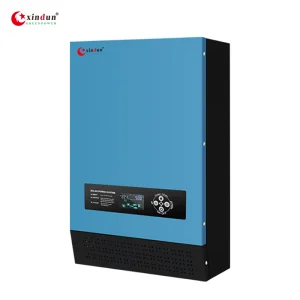
Inquire NowIndustrial-grade phase-balancing hybrid inverters matching Eritrea's local grid specifications.
Inquire NowThe Horn of Africa presents a distinct solar landscape. With an average of 300+ sunny days per year and Direct Normal Irradiation (DNI) values reaching up to 7.0 kWh/m²/day, Eritrea possesses some of the world's most promising solar energy potentials. However, historical reliance on heavy fuel oil (HFO) grid generation coupled with remote logistics terminals means that traditional AC-based charging infrastructure faces chronic bottleneck issues.
Direct DC charging integration with Solar PV bypasses multiple conversion loss loops (DC-to-AC-to-DC), converting solar power directly to usable vehicle energy. This off-grid and microgrid compatibility is not just a technological efficiency booster; it is a critical strategy for the commercial, mining, and governmental infrastructure sectors throughout Asmara, Massawa, and Keren.
For industrial operators, mining conglomerates, and telecommunication providers in East Africa, securing a stable power supply is paramount. Traditional grid networks in Eritrea often experience voltage fluctuations and load shedding. By incorporating high-voltage battery storage (LiFePO4) directly with DC fast-charging terminals and PV arrays, companies secure uninterrupted operational capabilities. This model mitigates dependence on volatile diesel fuel imports, dramatically reducing the Levelized Cost of Energy (LCOE).
In standard solar installations, PV panels generate DC electricity, which is inverted to AC by solar inverters, and then converted back to DC inside the EV's onboard charger. This dual-conversion cycle yields system losses ranging between 12% and 22%. In our integrated DC Solar Charging design, we leverage direct DC coupling to feed power from the photovoltaic panels straight to the DC fast charger or local energy storage systems (BESS).
Enables direct solar charging. Reduces conversion loss by up to 18%, decreasing thermal heat output during high-power charging sessions.
Ensures maximum battery stability under ambient temperatures exceeding 40°C. Long lifecycle exceeding 6,000 cycles at 80% DoD.
Intelligent charge controllers featuring OCPP 1.6J/2.0.1 compliance, enabling remote tracking and billing for decentralized sites.
One of the primary challenges in off-grid solar EV charging systems is the management of unequal current distribution between solar arrays, energy storage units, and charging points. Using split-core Hall Effect current sensors (such as the HK3V 100 H20 series), our system architecture tracks exact real-time current measurements without disconnecting pre-existing cables. This allows charge controllers to dynamically allocate solar power, protecting batteries from over-current and ensuring that telecom towers and electric vehicles receive balanced charge feeds even during peak solar irradiation.
As the global market transitions toward clean logistics networks, sourcing components that are both high-quality and financially viable is a major challenge. Operating under strict Industry 4.0 standards, Chinese manufacturing hubs provide the necessary integration capacity, precision testing, and volume output to satisfy demanding engineering deadlines. Shenzhen Vernon Charger Co., Ltd. stands as a key partner in this ecosystem, providing tailored products that meet the climatic and structural conditions of East Africa.
Eritrean commercial operators require hardware capable of operating in dusty, high-salinity maritime conditions (such as the Red Sea ports of Massawa and Assab). Factory 4.0 standards employ rigorous quality control methodologies, including automated visual PCB inspections, high-temperature load chambers, and humidity-chamber stressing. This guarantees that every DC EV charging station and hybrid solar inverter shipped to Eritrea is ready to endure demanding environmental stressors.
Vertical Integration Advantage: Controlling the supply chain from raw metal fabrication and smart PCB assembly to final system integration allows for competitive pricing structures. For exporters, this means customizable enclosure dimensions, custom branding, and localized voltage phase adjustments can be deployed without compromising manufacturing timelines.
Request Sourcing Catalog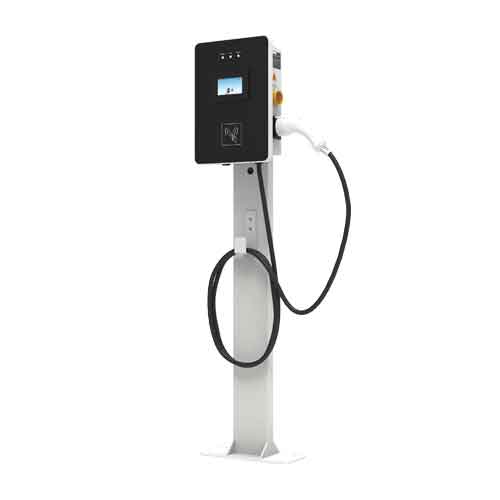
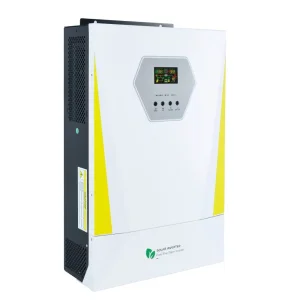
Perfect for agricultural monitoring stations, rural health centers, and backup residential systems.
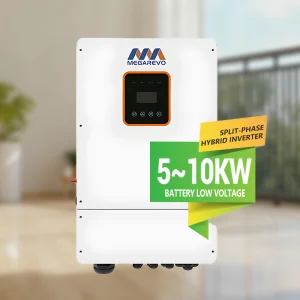
Inquire NowSplit-phase compatible inverter designed for seamless energy switching under unstable grid conditions.
Inquire NowRobust, entry-level electrification solution for remote off-grid communities and field units.
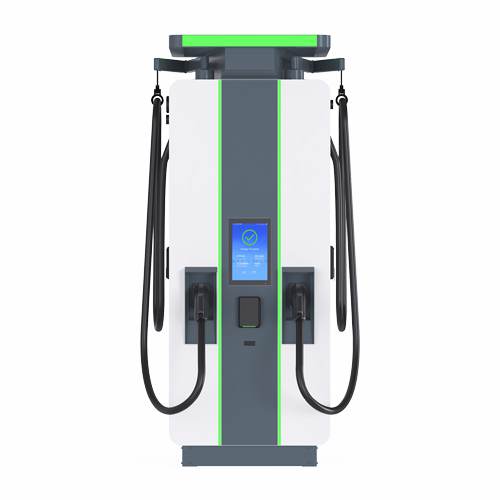
Inquire NowHeavy-duty charging terminal providing multi-protocol compatibility for transport fleets.
Inquire NowOptimized double-nozzle dynamic power-sharing system for public transit terminals.
Inquire NowHigh-frequency pure sine wave power conversion engineered for sensitive scientific and medical equipment.
Inquire NowScalable microgrid integration system matching high power output with solar charge prioritizing control.
Inquire NowDurable IP54 design providing optimal protection against sand ingress and high humidity.
Inquire NowDeveloping functional commercial solar and EV projects in Eritrea requires understanding the local terrain, the demands of the regional industries, and the grid capacity limits. Below are three primary localized applications where integrated PV-DC systems drive performance and cost benefits.
The Challenge: High temperatures, high air salinity, and high power draw from diesel transport trucks. Grid power can be variable.
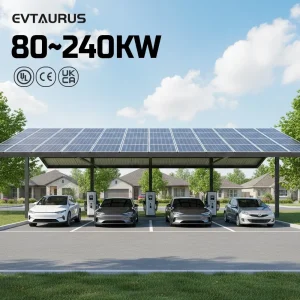
The Solution: Install IP54-rated 180kW DC EV Fast Chargers coupled with a dedicated solar canopy and high-voltage battery storage. This isolates the charging grid from the local port grid, relying on solar power during peak daylight hours to charge vehicles directly.
The Challenge: Remote operations in locations such as Bisha. Heavy reliance on expensive, logistically complex diesel fuel convoys.
The Solution: Deploy decentralized Megarevo Hybrid Solar Inverters and All-in-One Solar Stations with LiFePO4 batteries. This establishes localized microgrids, powering camp equipment and logistics light vehicles via clean energy.
The Challenge: Mobile network sites across the country require continuous 24/7 uptime, but experience grid irregularities.
The Solution: Integrate HK3V split-core Hall Effect current sensors with localized hybrid systems. This allows real-time current balancing, enabling automatic transition between PV generation, battery reserves, and emergency backup power without downtime.
Direct DC coupling eliminates multiple conversion steps. In standard setups, DC solar energy is converted to AC, sent to the charger, and converted back to DC for the vehicle's battery. Each step generates heat and energy loss. Direct DC integration improves charging efficiency by up to 18%, reduces heat signature, and allows the system to operate independently of weak municipal grids.
Yes. Our industrial charging stations feature IP54 and IP65 protection ratings, preventing dust ingress. Additionally, the lithium storage systems use LiFePO4 chemistry, which features an operating thermal threshold of up to 60°C. Coupled with intelligent liquid or forced-air cooling systems, they remain stable and performant during peak summer days.
Telecom towers require stable DC power inputs. Open-loop toroidal Hall Effect current sensors measure real-time current flow from the solar array and batteries without direct physical connection, avoiding voltage drop. This feedback loop allows the central inverter system to balance load and prevent over-discharge, maintaining cellular coverage.
We provide comprehensive export support, including customized packaging for maritime transport, international compliance certifications (CE, IEC), and detailed site layout plans. Our engineering support team works directly with localized installation teams to ensure seamless microgrid commissioning.
Shenzhen Vernon Charger Co., Ltd. is a pioneering manufacturer specializing in portable, wall-mounted, and ground-mounted DC EV chargers, providing comprehensive solutions for smart group charging, fleets, and public applications. The company focuses on delivering efficient, reliable, and intelligent charging systems designed to meet the diverse needs of residential, commercial, and industrial customers.
Our integration capabilities bridge solar PV systems, battery storage, and high-performance DC chargers. Backed by rigorous quality control and Factory 4.0 infrastructure, we deliver turnkey energy products built to perform in the challenging environments of the East African market.
Get a tailored microgrid design and price quotation from our technical directors within 24 hours.
 Vernon Charger