Vernon Charger

The Infrastructure Paradigm: DC Charging & Solar PV Integration in São Tomé and Príncipe
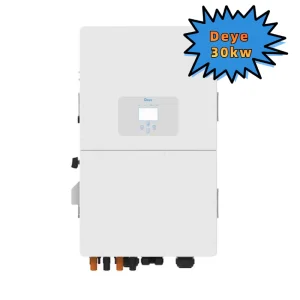
The Democratic Republic of São Tomé and Príncipe, an archipelagic nation in the Gulf of Guinea, stands at a critical juncture in its energy evolution. With an electrical grid that historically relies heavily on imported diesel fuels, the nation faces challenges in energy security, high electricity costs, and grid instability. Integrating solar PV with local energy storage systems and high-efficiency DC electric vehicle (EV) charging stations provides a highly effective solution to transition away from fossil fuel dependence and build a localized, reliable energy architecture.
"For isolated island nations like São Tomé and Príncipe, traditional centralized AC charging infrastructure introduces multiple stages of energy loss and vulnerabilities. Direct DC microgrid integration enables direct utilization of solar-generated power, maximizing system efficiency."
Local Commercial & Industrial Energy Context
São Tomé and Príncipe's local utility grid, managed by EMAE, experiences frequent supply fluctuations. High-energy commercial operations, agricultural processors (specifically in the high-quality cocoa export sector), and tourism resorts are seeking self-sufficient power solutions. Fuel supply issues and volatile fuel costs make localized solar microgrids highly practical.
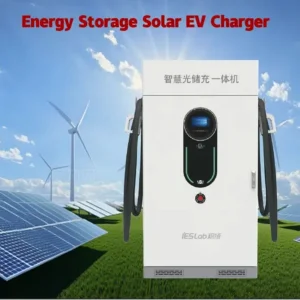
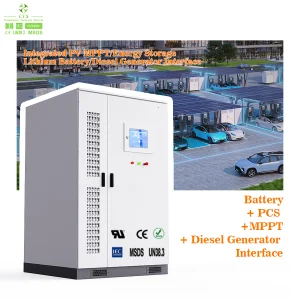
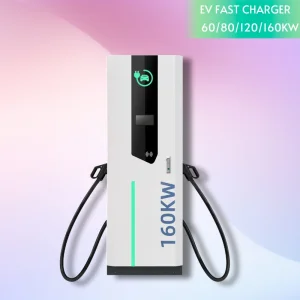
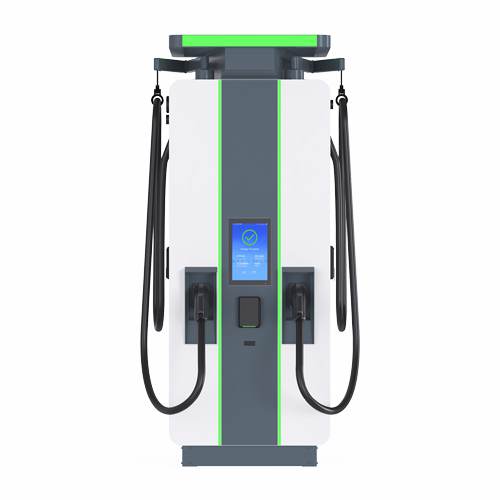
In addition, the country is working to reduce transportation emissions by electrifying domestic transport fleets, port logistics, and hotel shuttle services. Direct AC-to-DC-to-AC conversion steps typically waste 12% to 18% of generated solar electricity. By utilizing integrated DC Fast Chargers that connect directly to DC busbars powered by Solar PV and LiFePO4 Battery Energy Storage Systems (BESS), local organizations can achieve highly efficient local energy loops.
Global Trends in Hybrid PV-EV Infrastructure
Globally, energy developers are moving towards combined Solar-Storage-EV-Charging systems (often termed solar-storage-charging microgrids). These systems reduce demand charges, alleviate grid strain, and provide reliable emergency backup power during grid outages.
- Direct-DC Coupling: Eliminating unnecessary AC-to-DC rectification steps.
- Dynamic Load Balancing: Charging rates adjust in real-time based on solar output and building energy demand.
- Second-Life Battery Utilization: Integrating energy storage systems with EV charging setups to prolong battery lifespans.
- OCPP 1.6J / 2.0.1 Compliance: Enabling remote control, pay-per-charge systems, and smart grid communications globally.
Technical Deep-Dive: Shenzhen Vernon Charger Solutions
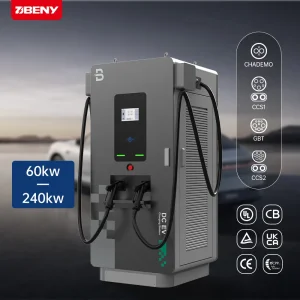
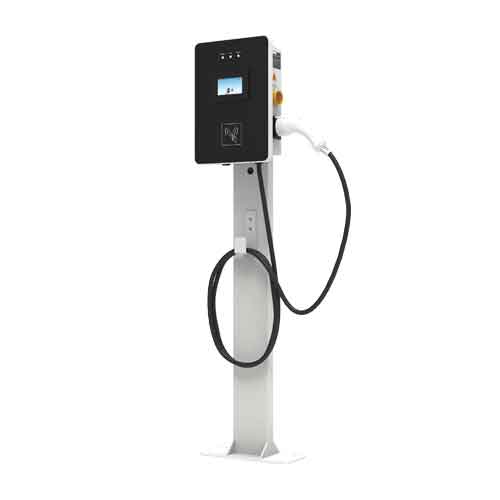
Shenzhen Vernon Charger Co., Ltd. is a pioneering manufacturer specializing in portable, wall-mounted, and ground-mounted DC EV chargers, providing comprehensive solutions for smart group charging, fleets, and public applications. The company focuses on delivering efficient, reliable, and intelligent charging systems designed to meet the diverse needs of residential, commercial, and industrial customers.
Our technology incorporates advanced features such as intelligent power management, real-time monitoring, remote control, and energy optimization, ensuring safe, efficient, and user-friendly operation across multiple scenarios. By offering integrated DC charging solutions, Vernon Charger supports clients in adopting clean transportation, improving operational efficiency, and building reliable energy infrastructure.
Chinese Manufacturing Advantages & Supply Chain Efficiency
Partnering with a specialized Chinese manufacturer like Shenzhen Vernon Charger offers distinct advantages for infrastructure projects in São Tomé and Príncipe:
- Integrated R&D Ecosystem: Located in Shenzhen, the global hub for EV battery, power electronics, and solar technology, Vernon Charger integrates high-end components to deliver reliable product performance.
- Tropical Customization: We offer customized modifications, including marine-grade anti-corrosion coatings (C4/C5 standard) and advanced heat dissipation systems, to protect equipment from the humid, saline coastal air of São Tomé.
- Strict Quality Control: Equipment undergoes testing for thermal performance, insulation resistance, and grid feedback simulation to ensure stable operation under challenging grid conditions.