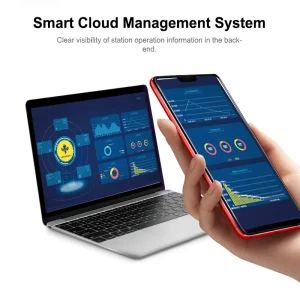
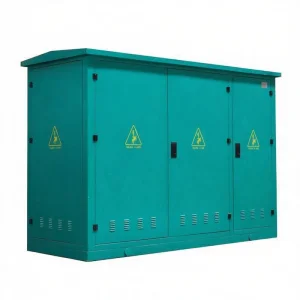
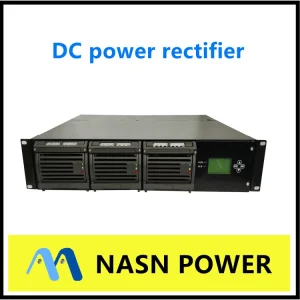
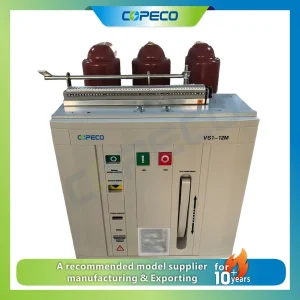
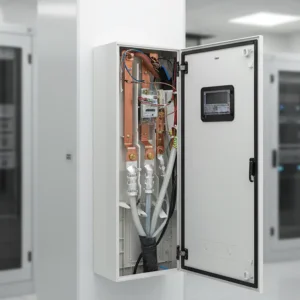
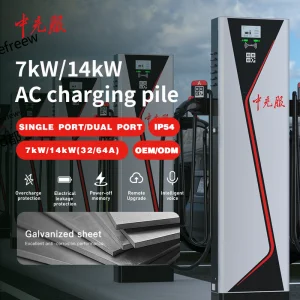
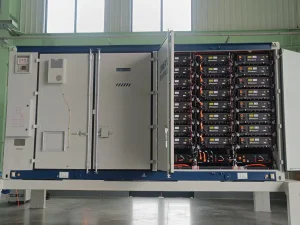
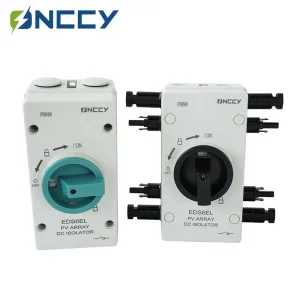
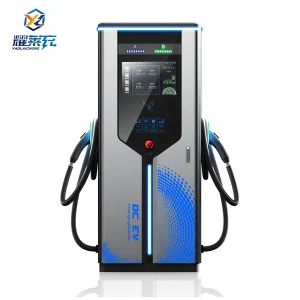
Explore our foundational equipment deployed in large-scale logistics hubs, public transit systems, and enterprise networks globally.
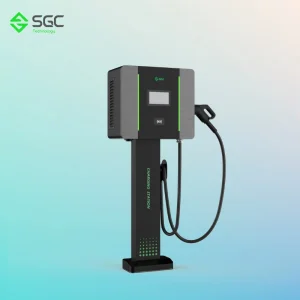
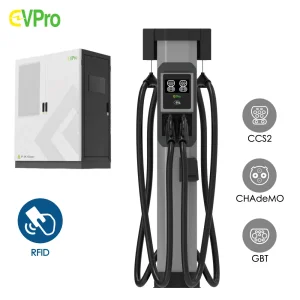
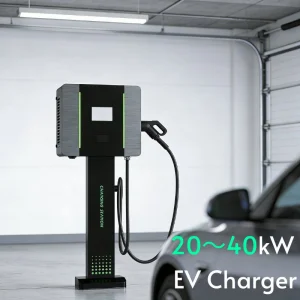
In the global transition toward carbon neutrality, the electrification of commercial fleets stands as a high-priority imperative. However, fleet operators face multi-layered complexities including grid capacity constraints, regulatory compliance (CE, UL, FCC), software interoperability via OCPP protocols, and the critical need for dynamic power distribution. High-performance, tailored charging solutions represent the backbone of this transformation. By decoupling raw grid inputs and optimizing them via local intelligent power systems, commercial fleet operators can minimize Total Cost of Ownership (TCO) while maintaining 99.9% vehicle dispatch reliability.
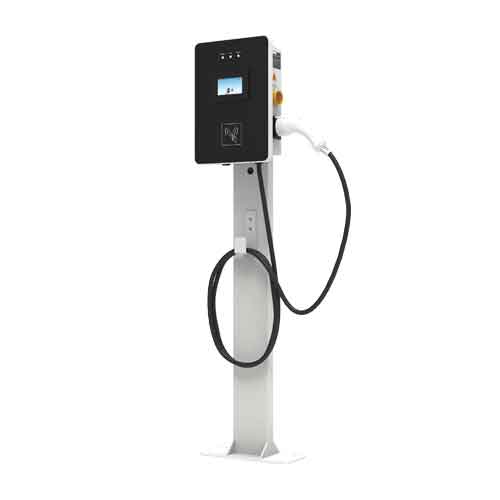
Shenzhen Vernon Charger Co., Ltd. is a pioneering manufacturer specializing in portable, wall-mounted, and ground-mounted DC EV chargers, providing comprehensive solutions for smart group charging, fleets, and public applications. The company focuses on delivering efficient, reliable, and intelligent charging systems designed to meet the diverse needs of residential, commercial, and industrial customers.
Vernon Charger’s product portfolio includes high-power DC fast chargers, portable charging units, wall-mounted and ground-mounted stations, and flexible group charging solutions. Each product incorporates advanced features such as intelligent power management, real-time monitoring, remote control, and energy optimization, ensuring safe, efficient, and user-friendly operation across multiple scenarios.
The company is committed to innovation and sustainability, integrating its DC charging systems with renewable energy sources and smart grid technologies. This enables optimized load balancing, reduced operational costs, and enhanced energy efficiency for fleet operators, public charging networks, and private users alike.
With rigorous adherence to international safety and quality standards, Shenzhen Vernon Charger Co., Ltd. has established itself as a trusted partner in the EV charging industry. By providing cutting-edge DC EV charging solutions, the company empowers clients to adopt cleaner transportation, improve operational efficiency, and contribute to a sustainable energy future.
Corporate sourcing directors, municipal energy consultants, and EPC contractors do not merely purchase "chargers"; they invest in resilient grid integrations. In analyzing the intent of search queries surrounding *Custom OEM Fleet Management Charging Solutions*, procurement priorities revolve around distinct pillars:
Direct compliance with OCPP 1.6J/2.0.1 and ISO 15118 to support encrypted user authorization, dynamic billing, Plug & Charge functionality, and automated Over-The-Air (OTA) updates.
Multi-terminal setups require real-time matrix charging. If a depot has a 1.2MW grid capacity and 20 vehicles plugged in, the system must dynamically route energy where it is needed most.
Vandal-proof, marine-grade anti-corrosion finishes, and intelligent thermal management structures capable of reliable continuous load operations in temperatures spanning -30°C to +55°C.
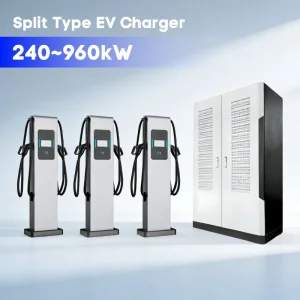
To meet these constraints, Shenzhen Vernon Charger Co., Ltd. incorporates localized power electronics design, offering modular split-type charging systems where rectifiers are housed inside safe, climate-controlled utility rooms, while sleek user dispensers occupy minimal footprint in operational lanes.
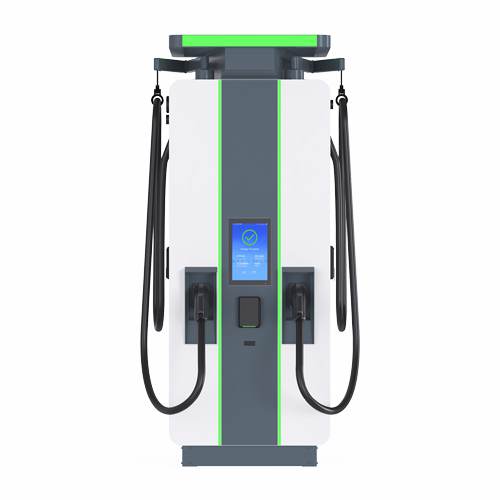
Sourcing from Shenzhen, China, provides unmatched advantages in terms of engineering velocity, material cost-effectiveness, and technological integration. The primary hardware elements of any high-power DC fast charging system include:
Additionally, this localized supply chain structure reduces lead times for high-volume custom OEM configurations (custom casing colors, RFID integration, integrated payment terminals, specialized localized communications modules like 4G LTE/5G sub-6GHz).
A fundamental requirement for successful EVSE export is meeting local regulatory frameworks. Many charging projects fail to deploy due to grid interconnection conflicts or non-compliant safety architectures. Our equipment is built to meet the following standards:
| Region / Country | Standard Requirements | Vernon OEM Compliance Solution |
|---|---|---|
| Europe (EU) | CE Mark, IEC 61851-1/-23, IEC 62196 (Type 2 / CCS2), MID Metering | Fully certified CE chargers with MID approved energy meters for billing. |
| North America | UL 2231-1/-2, UL 2594, FCC Part 15, CCS1 / NACS Type 1 | Custom modular components designed around UL standards, NACS options. |
| Global / Multi-Region | OCPP 1.6J, OCPP 2.0.1, ISO 15118 (Plug & Charge) | Integrated firmware supporting secure TLS 1.3 protocol and dynamic load. |
| Grid Codes | Dynamic phase balancing, THD < 5%, Power Factor > 0.99 | Advanced PFC stage rectifiers compatible with rigorous regional grid rules. |
We provide local installers with detailed structural schematic drawings, installation configurations, and direct support for remote API commissioning to ensure seamless integration with local utility companies.
The EVSE industry is evolving past stand-alone charging points. The current developmental horizon (2025–2030) is marked by three primary shifts:
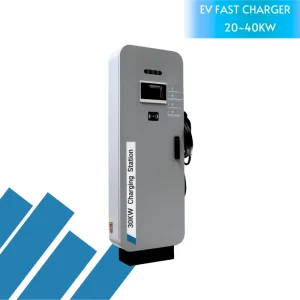
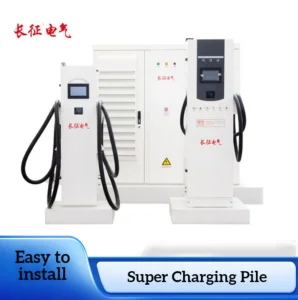
Explore our complete product lineup including smart AC chargers, high-capacity split charging piles, and auxiliary switchgear equipment.
 Vernon Charger