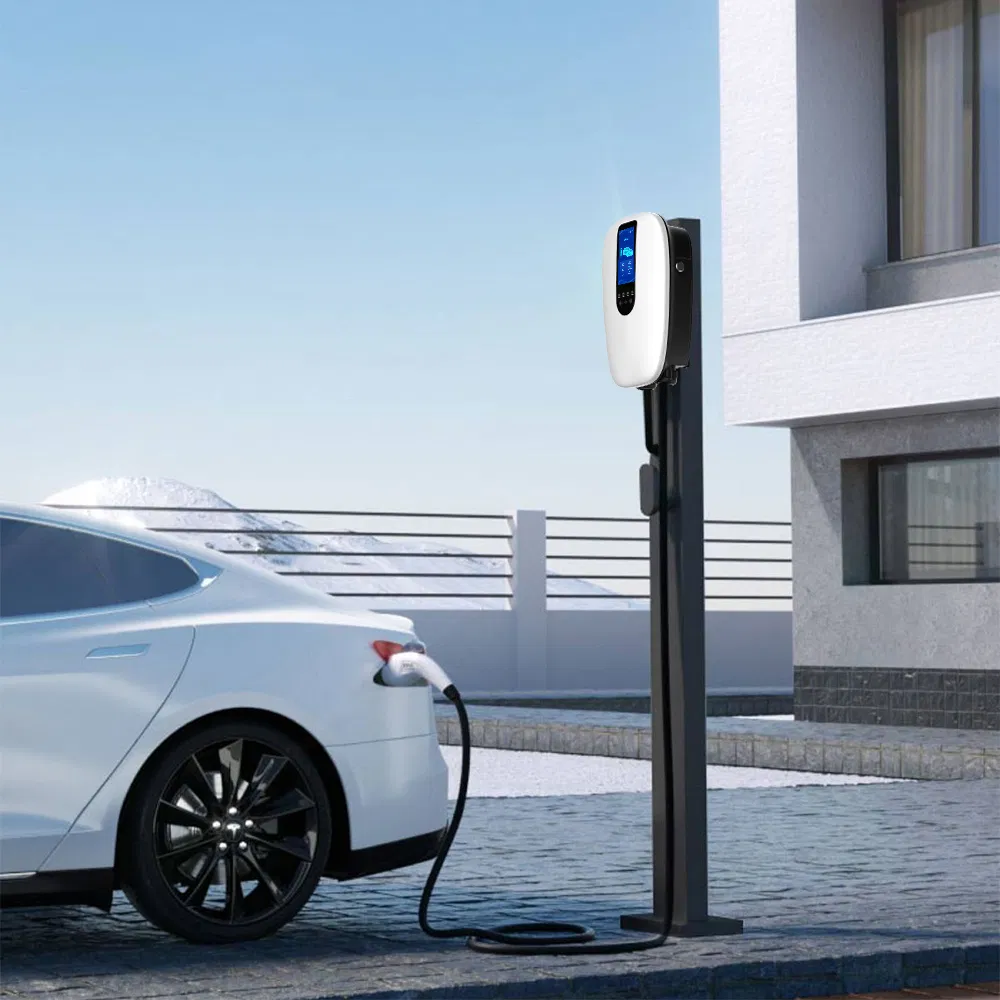
Basic Info.
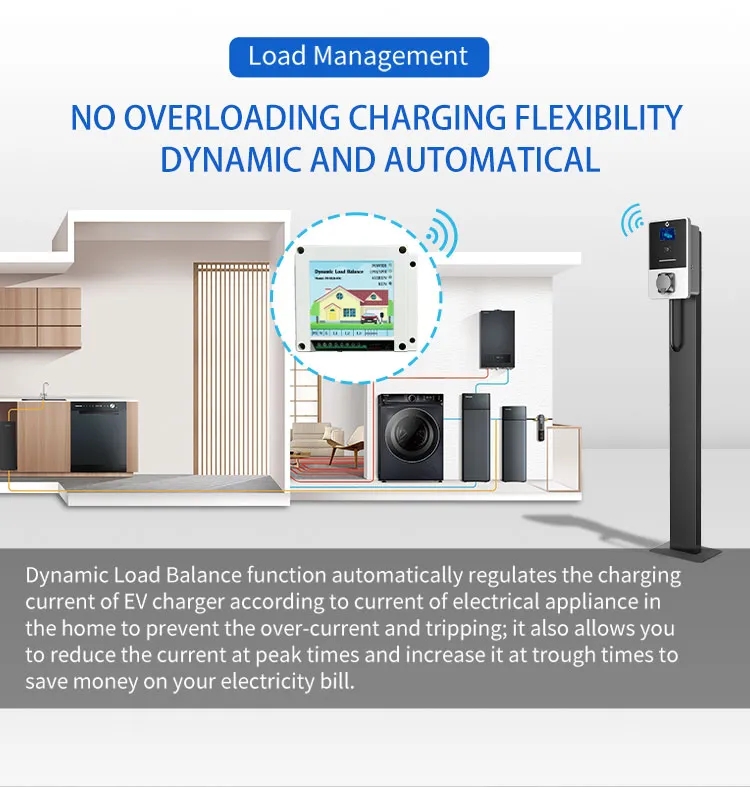
The dynamic load balancing EV charger is a device that ensures that the overall energy balance of the system is maintained. The energy balance is determined by the charging power and the charging current. The charging power of the dynamic load balancing EV charger is determined by the current flowing through it. It saves energy by adapting the charging capacity to the current demand.
In a more complicated situation, if many EV chargers charge simultaneously, the EV chargers may consume a large amount of energy from the grid. This sudden addition of power may cause the power grid to become overloaded. The dynamic load balancing EV charger can handle this problem. It can divide the burden of the grid evenly among several EV chargers and protect the power grid from damage caused by overloading.
The dynamic load balancing EV charger can detect when the power grid is overburdened and adjust its operation accordingly. It may then control the charging of the EV charger, allowing for energy savings to be realized. It can also monitor the charging voltage of the vehicle so that it can help save power when the car is fully charged.
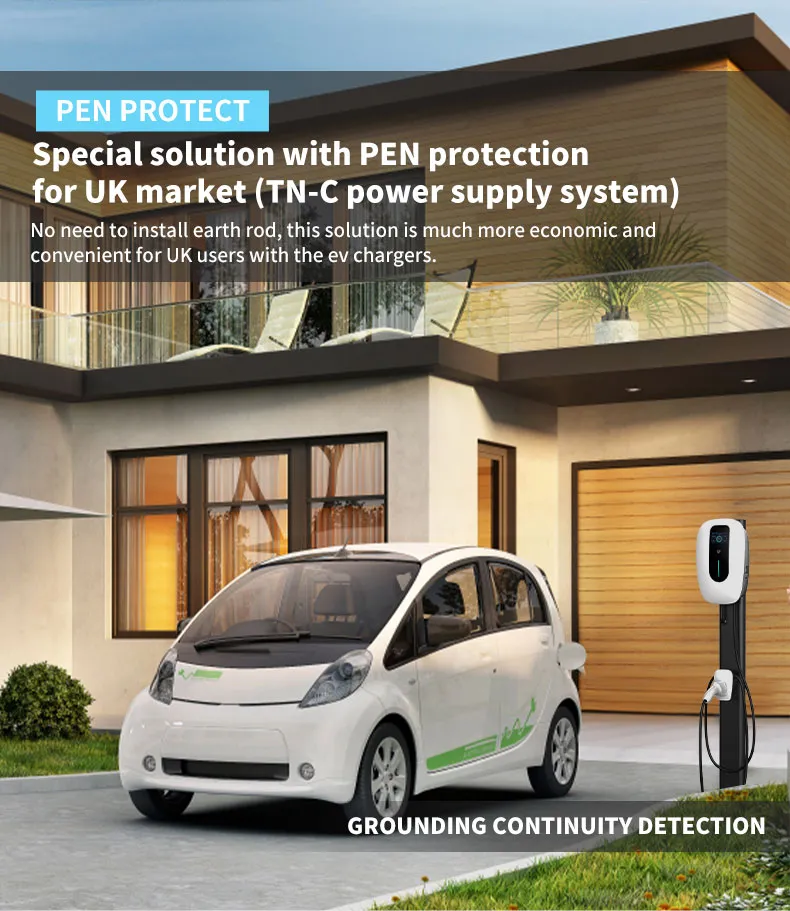
Most UK families are wired with a PME system (Protective Multiple Earth), where the earth wiring runs to a main supply point connected to a neutral conductor which is earthed at multiple points. These systems have the potential for a rare fault called neutral failure, where an upstream disconnection due to degrading or corrosion could increase the risk of electric shock.
PEN Fault Detection: For TN-C-S systems without grounding at the user's end, when the PEN line to the household is cut off due to a line fault and the rear end of the PEN line is in suspension without repeated earthing, and the distribution box RCD is not working properly at this time, the voltage of the protective ground PE is equal to the voltage of the fire line L.
If not equipped with this protection, the shell of the EV in charging will be charged with a voltage equal to the fire line L voltage. If there are no other appliances except the EV charger, the leakage current will exceed 30mA and the person will not be able to disengage himself, which is a safety hazard.
Frequently Asked Questions
What is the charging power of this station?
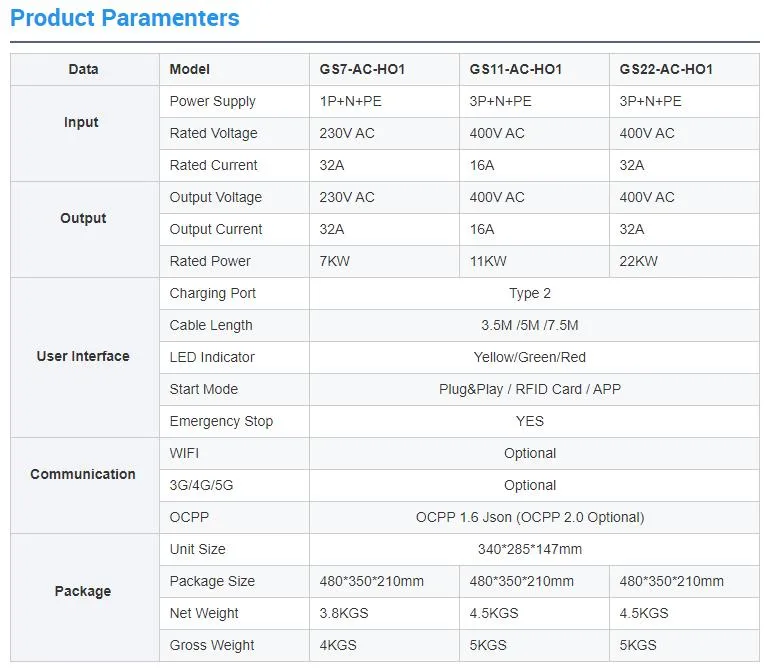
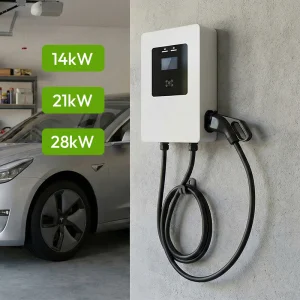
This EV charging station provides a rated output power of 22kw and a rated current of 32A, making it a high-efficiency solution for electric vehicle charging.
Is this charger suitable for outdoor installation?
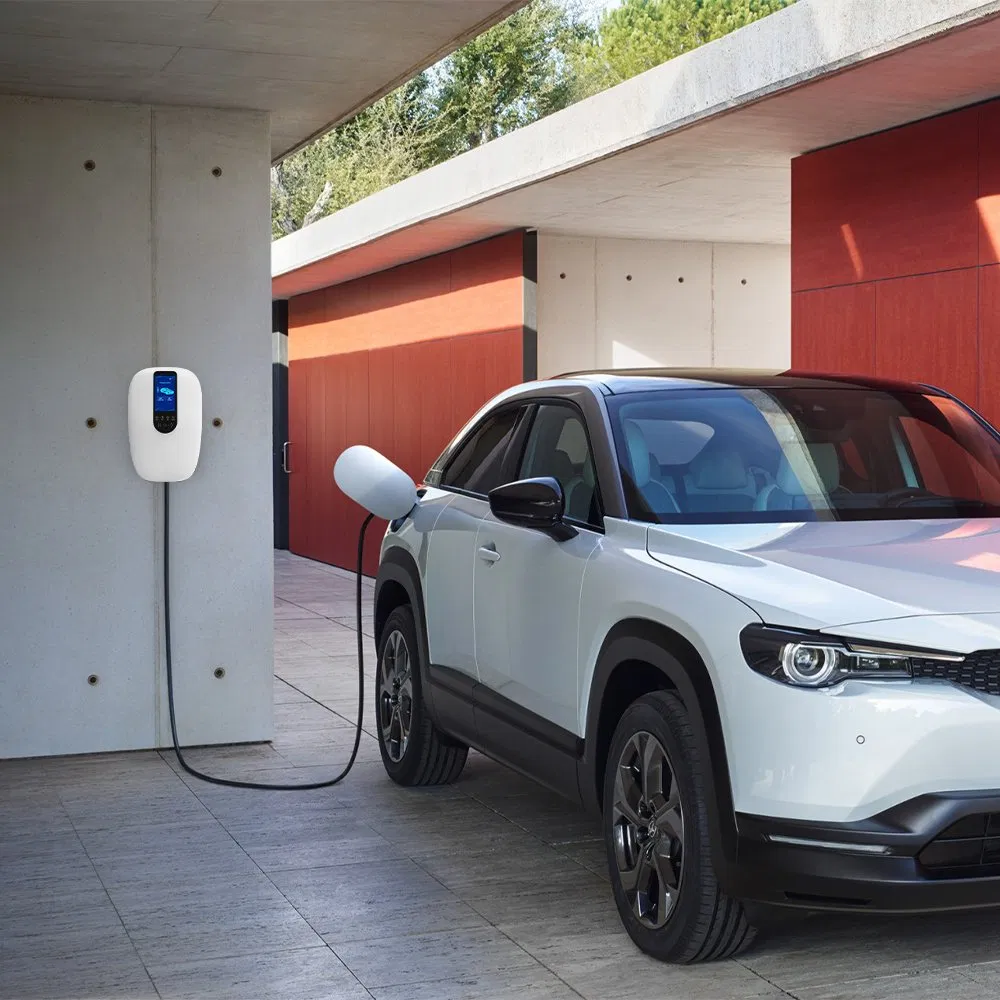
Yes, it has an IP65 protection level, which means it is dust-tight and protected against water jets, making it suitable for both indoor and outdoor wall-mounted installation.
What safety protections are included?
The charger includes Voltage Monitoring, PEN Fault Detection, and RCD (30mA AC + 6mA DC) to ensure maximum safety for the user and the vehicle during the charging process.
How can I start the charging session?
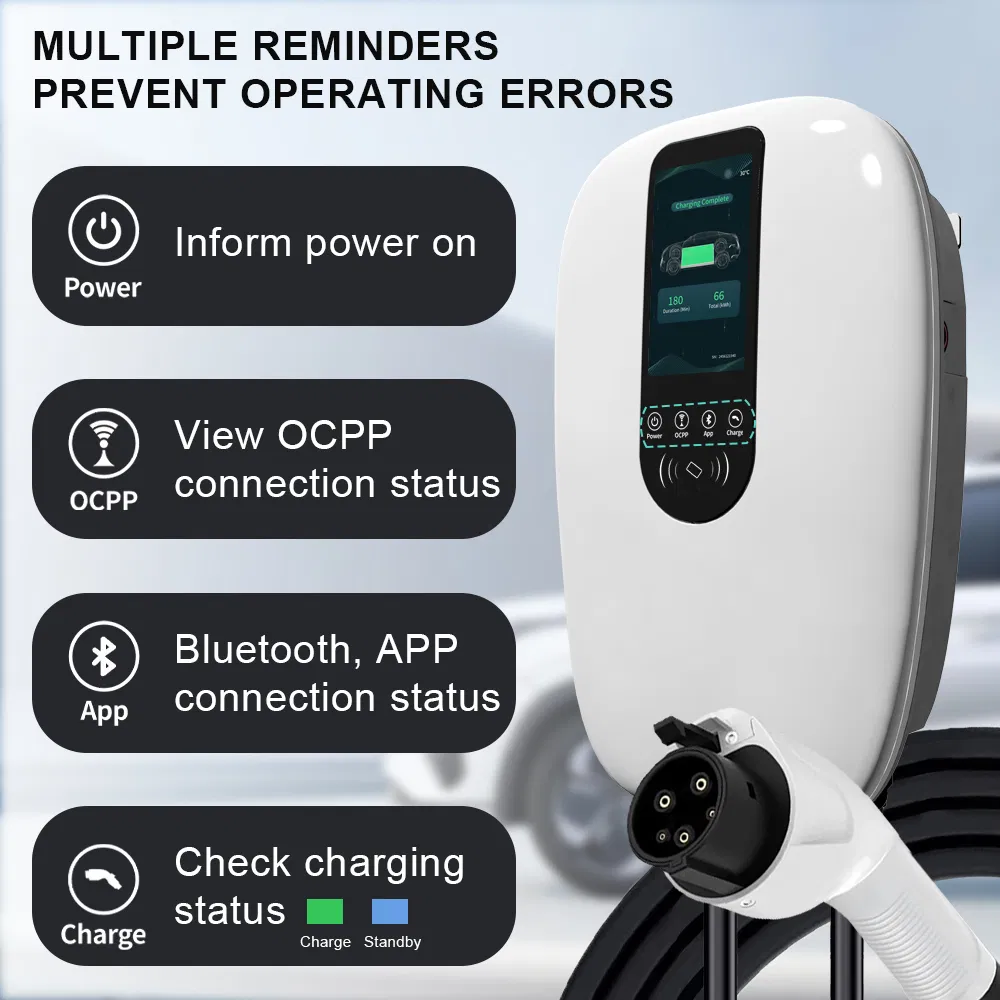
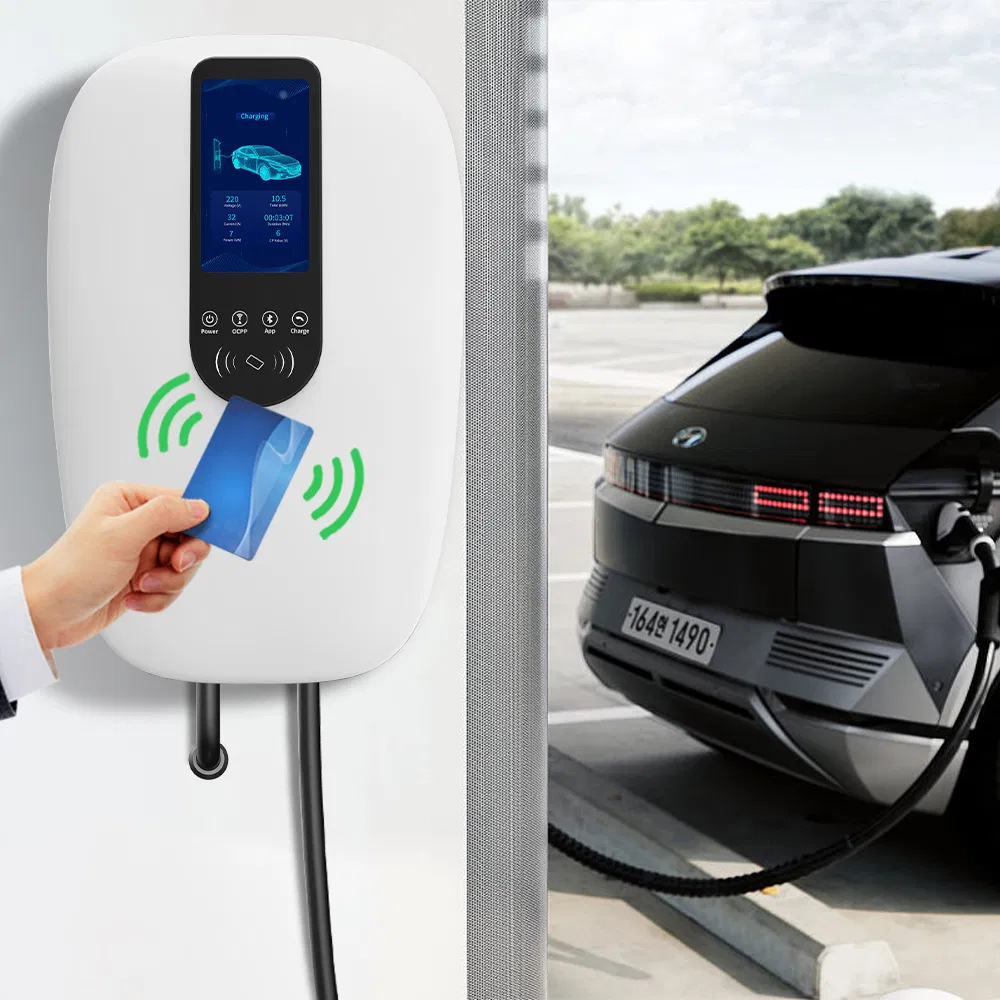
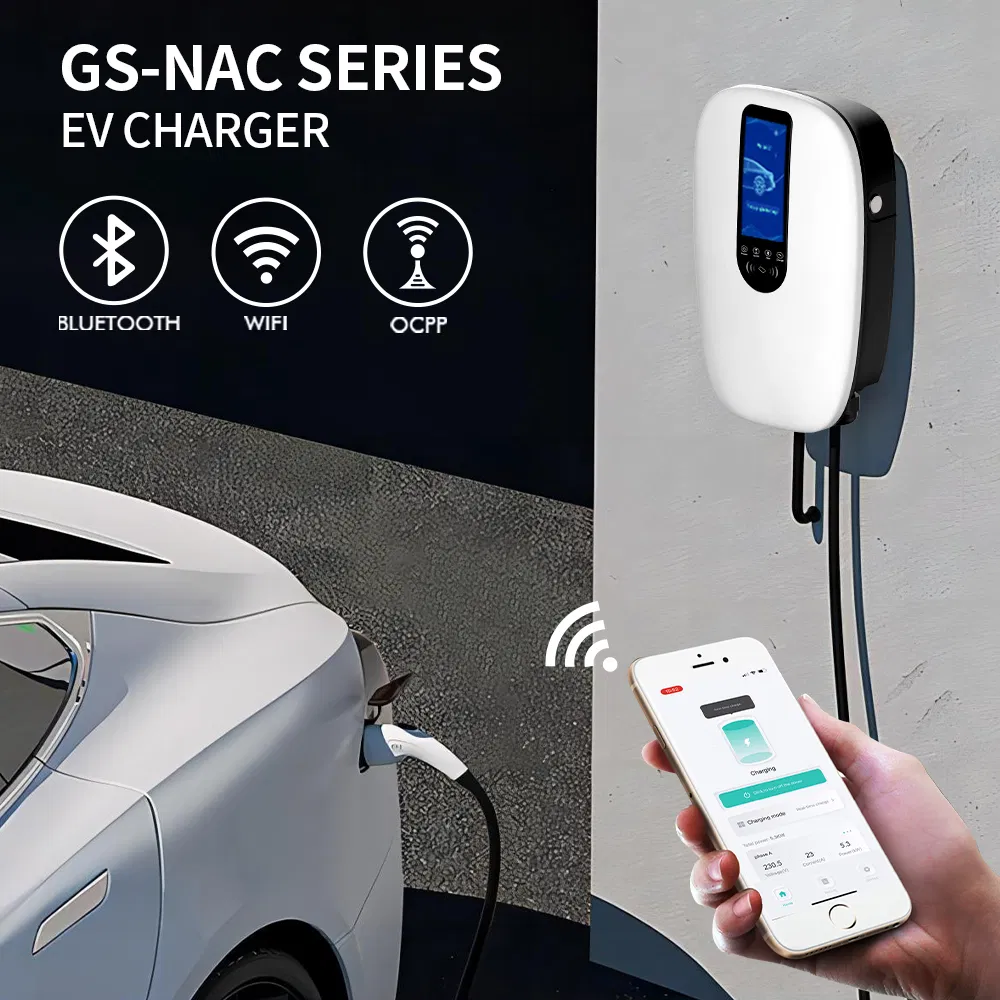
The station supports multiple start methods for your convenience, including NFC, RFID cards, QR code scanning, and a dedicated mobile APP.
Does it support smart communication?
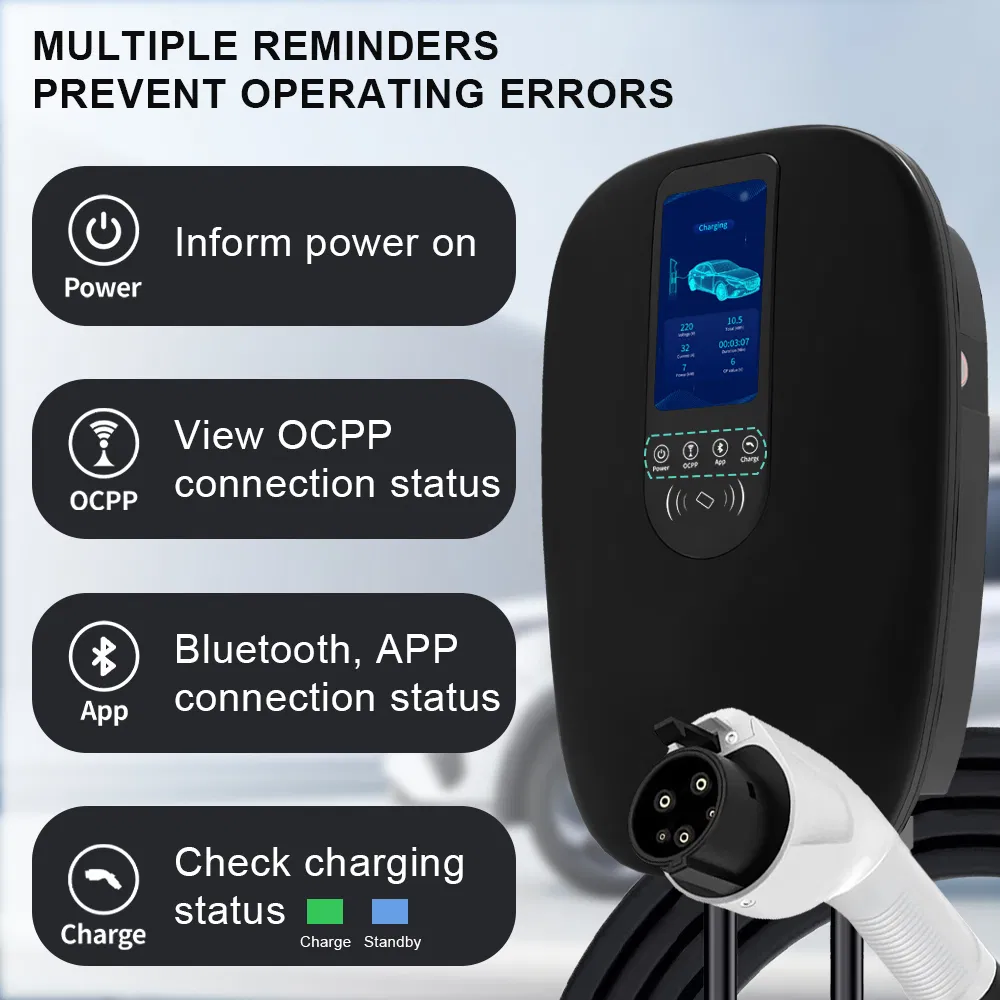
Yes, the charger is equipped with WiFi, 4G, and Ethernet connectivity, and it supports the OCPP protocol for smart management and integration.
What type of connector does it use?
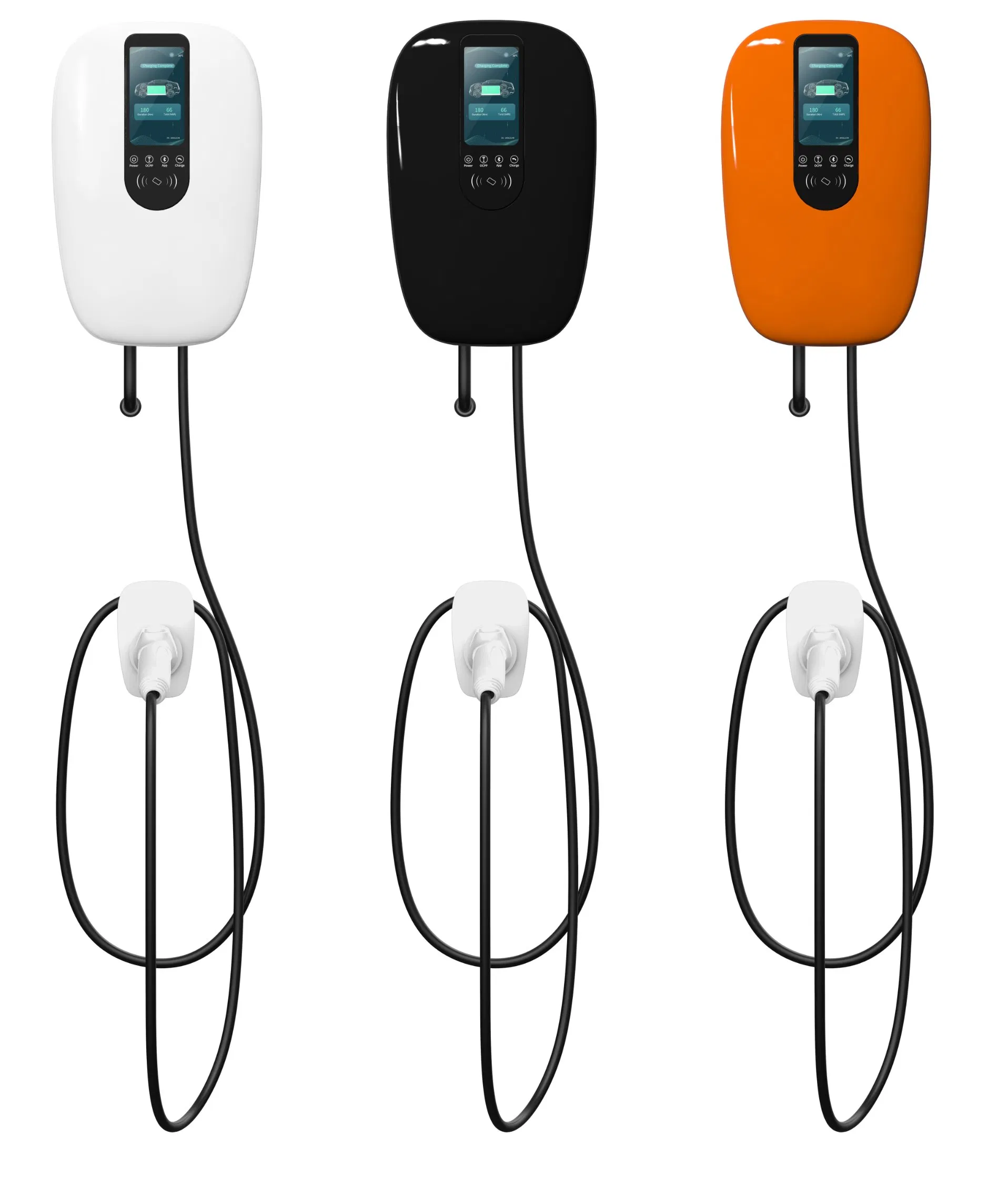
The charging station comes with a Type 2 Plug, which is the standard connector for most electric vehicles in Europe and many other regions.
 Vernon Charger