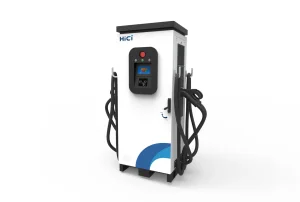
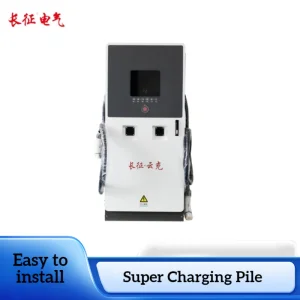
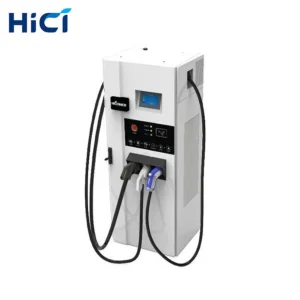
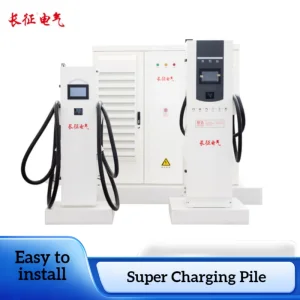
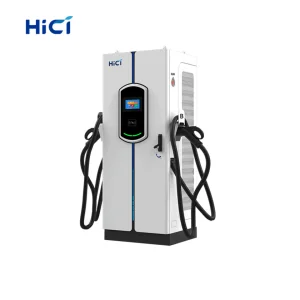
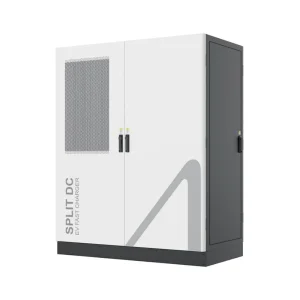
1. Why choose these EV Charger solutions?
We offer a professional technical team ensuring industry-leading positions with a wide range of product options, including various charging standards and international standardization designs. Our products pass rigorous laboratory standard tests and various application scenarios. We are among the first to achieve global certifications like CE and UL.
2. What is the experience in overseas charging station projects?
There is extensive experience in implementing overseas projects globally, including integrating EV chargers with PV systems for power companies, installing highway DC chargers across North America, and providing fast charging services for major automaker fleets.
3. What are the core advantages of the products?
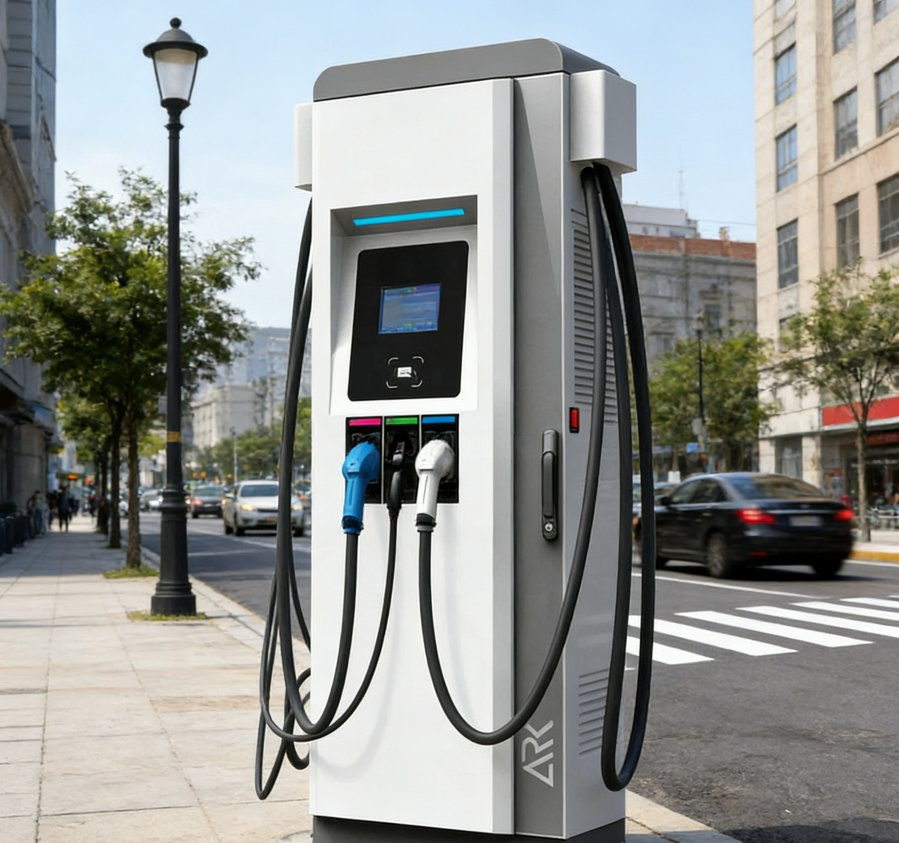
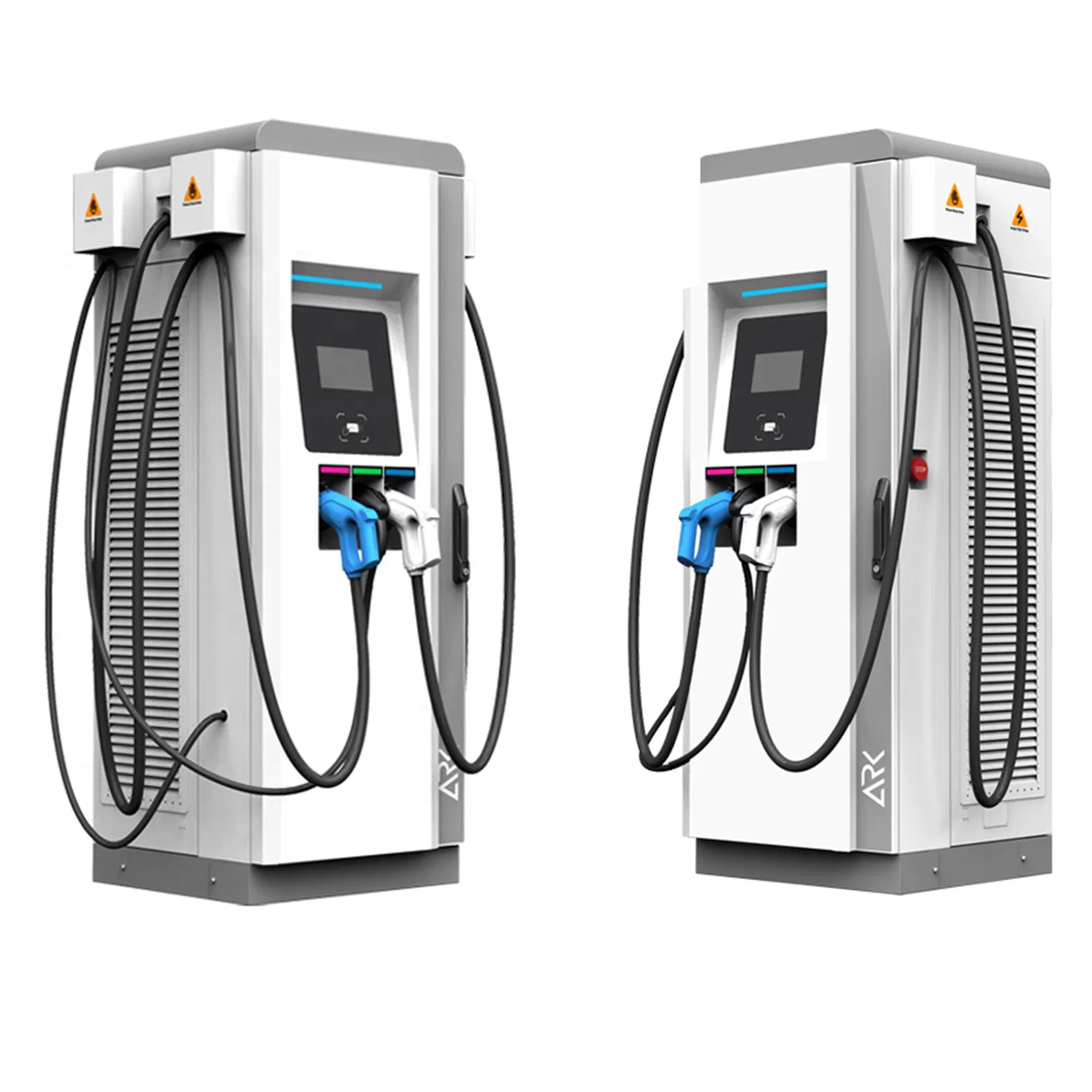
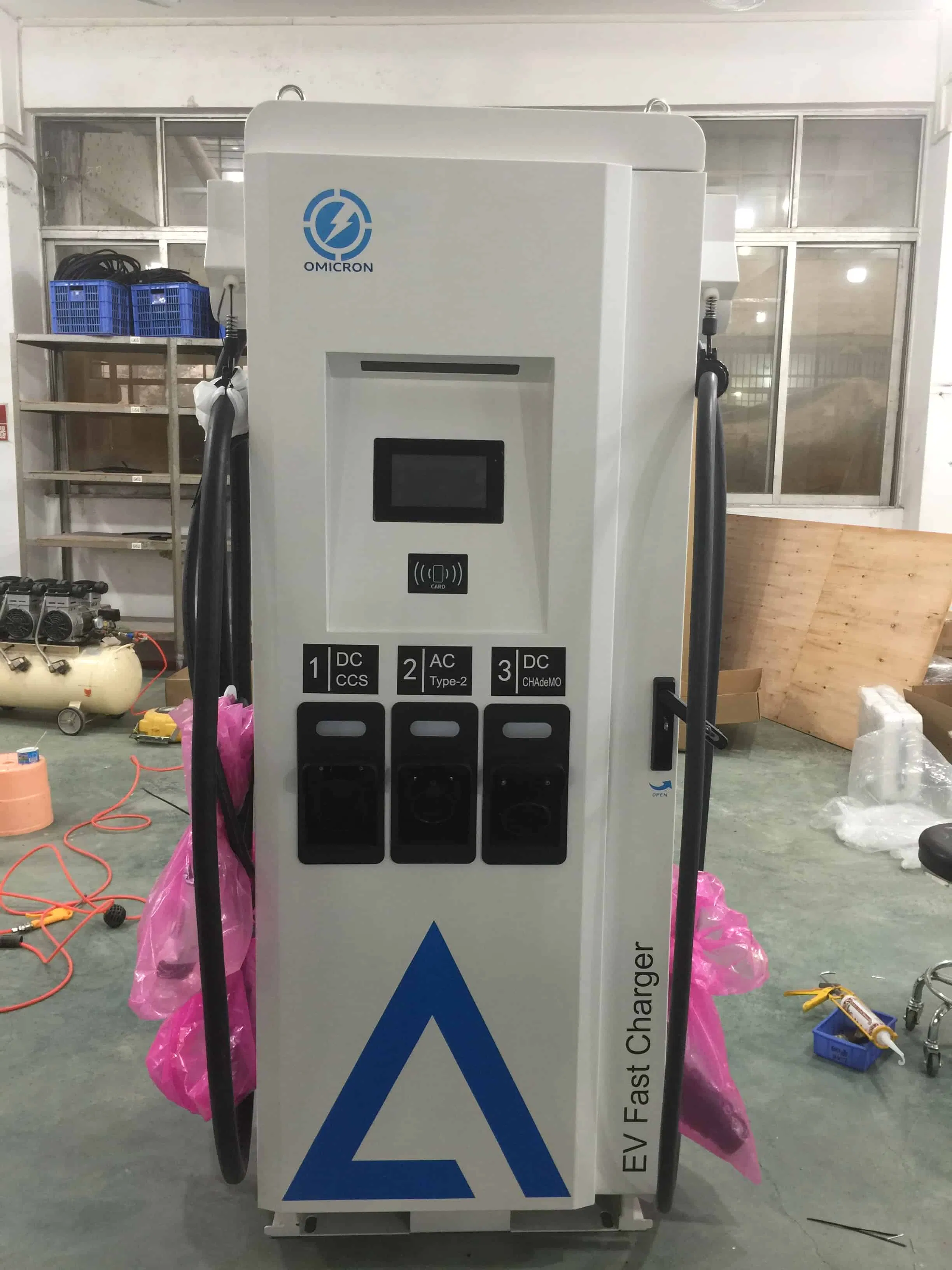
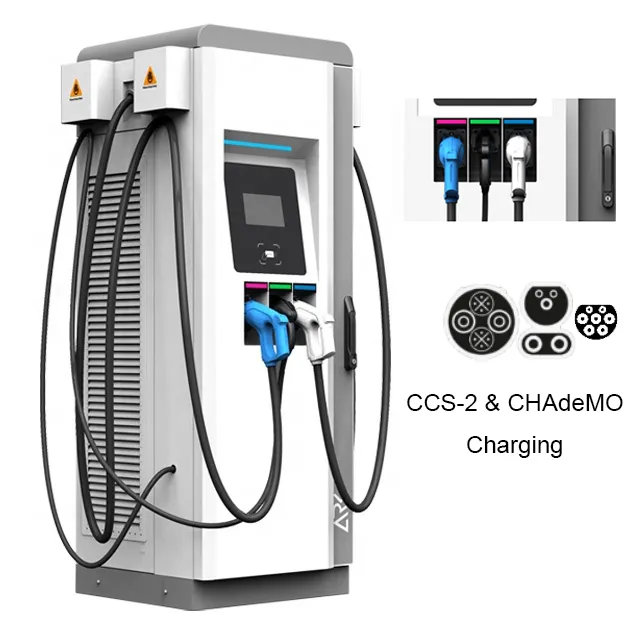
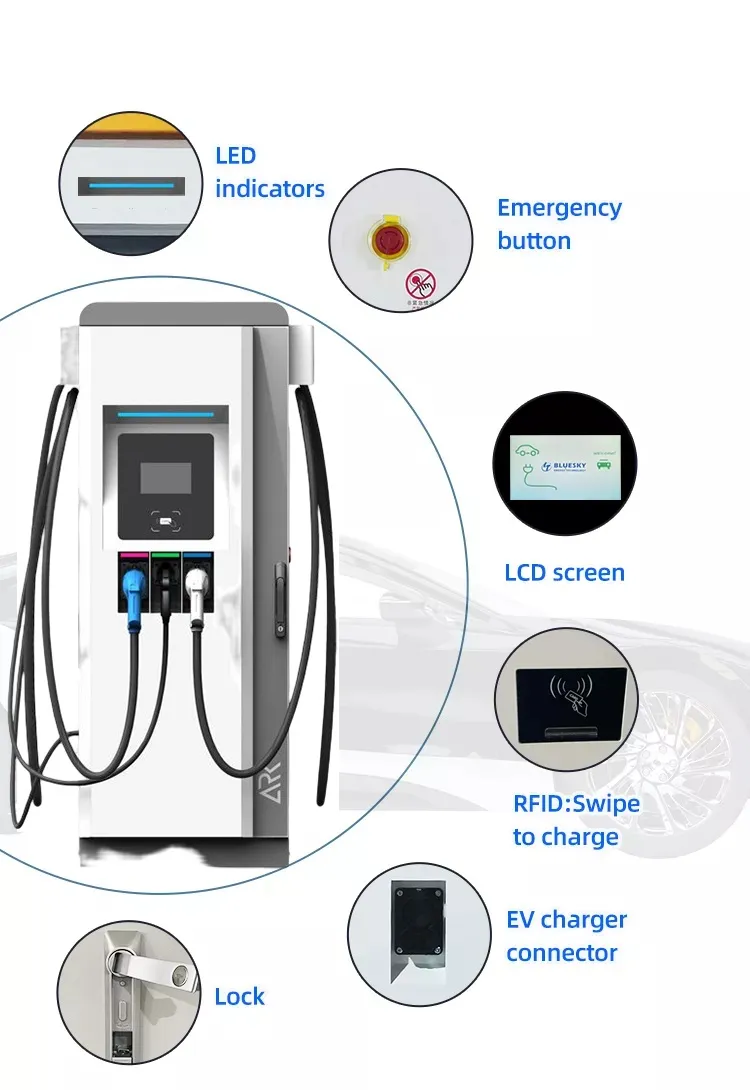
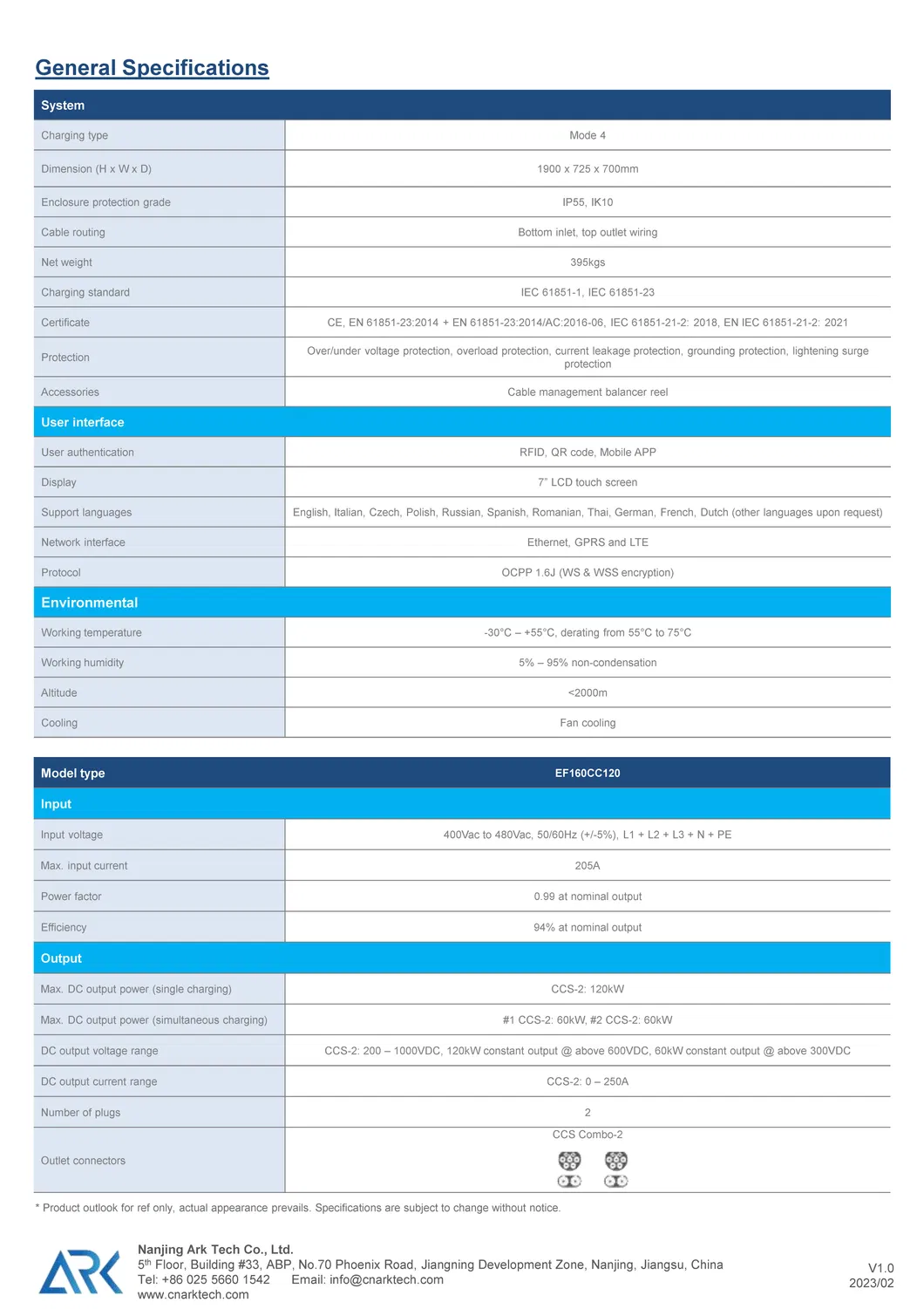
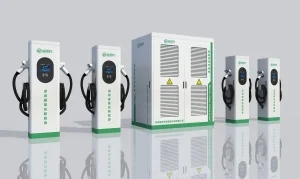
The products feature telecom-level design and production quality. They support multiple standards (CCS-1/2, CHAdeMO, and GB/T). They offer a wider voltage range, better temperature adaptation, higher protection grades (IP55/IK10), and advanced modular design for easier maintenance.
4. What are the differences between global DC fast charging standards?
Currently, there are five major standards:
• CCS-1: Standard for North America.
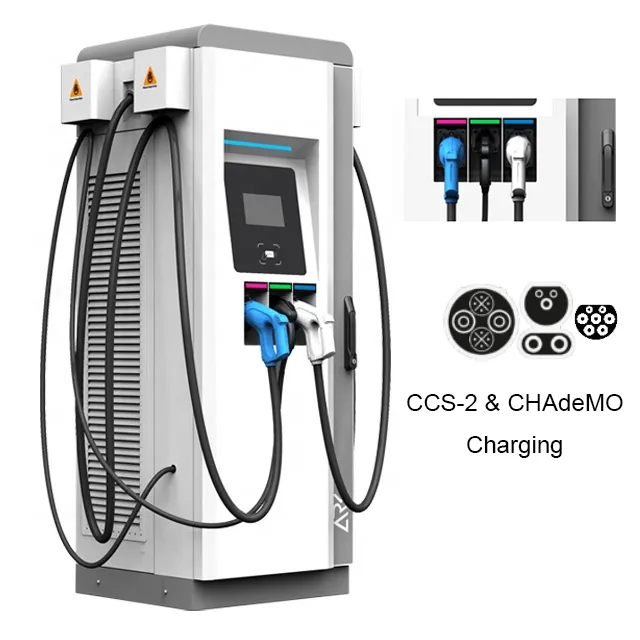
• CCS-2: Standard for Europe.
• CHAdeMO: Standard for Japan.
• GB/T: Standard for China.
• Tesla: Dedicated standard for Tesla vehicles.
5. Does higher output power always mean faster charging?
Not necessarily. Charging speed is often limited by the vehicle's battery management system. However, high-power chargers are significant because they can support dual connectors to charge two vehicles simultaneously at high speeds and provide future-proofing as battery technology improves to support higher input power.
6. How is after-sales technical support handled?
Comprehensive support is provided through technical training materials, instructional videos, and face-to-face training for technical personnel. This helps customers master parts replacement and maintenance. In urgent situations, professional technicians can provide on-site support to ensure operational continuity.
 Vernon Charger