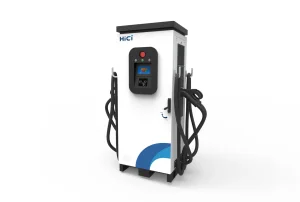
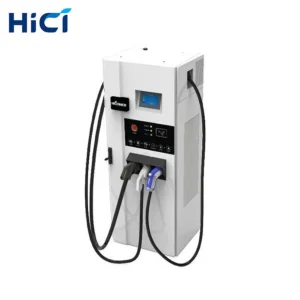
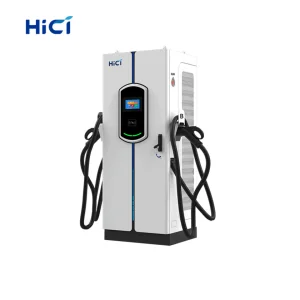
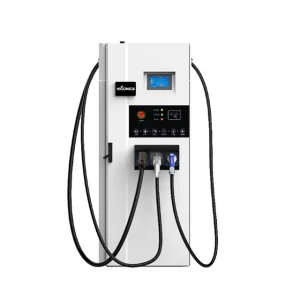
Optimized charging platforms specifically configuration-adapted for Muharraq's regional electrical specifications and commercial demand.


Driven by the Kingdom of Bahrain's Economic Vision 2030, the Governorate of Muharraq is actively scaling up its public transport and logistical infrastructure.
As the site of the Bahrain International Airport and adjacent high-density freight corridors, Muharraq represents a primary node for commercial electrification in the Gulf. Heavy logistic operators, ground services, and public transit systems are actively migrating to electric vehicles. This surge demands infrastructure that goes beyond typical standalone chargers.
The industrial and commercial real estate profile of Muharraq requires ultra-efficient Multi-Port DC EV Chargers. Instead of installing single charging posts that strain the electrical grid locally, local project engineers are prioritizing split-type DC charging matrices. These systems leverage dynamic energy allocation, routing power to where it is needed most without exceeding local substations' rated capacity.
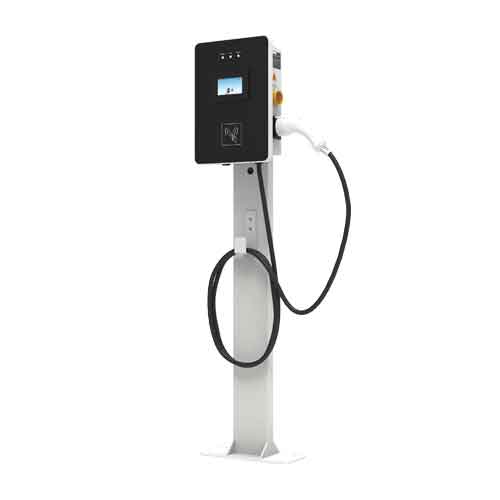
Implementing electric vehicle supply equipment (EVSE) in Muharraq presents unique environmental and engineering challenges. The combination of intense ambient summer temperatures exceeding 50°C, direct sunlight exposure, high humidity levels, and fine sand particulate ingress requires specialized design safeguards. Standards engineered for temperate climates rapidly fail or suffer severe thermal derating under local conditions.
Independent air ducts coupled with intelligent high-pressure centrifugal fans ensure optimal heat dissipation without drawing dust into sensitive silicon-carbide (SiC) power switching modules.
Given Muharraq’s proximity to the Arabian Gulf, all structural cabinets feature hot-dip galvanized steel coated with high-durability outdoor powder paint, resisting salt-fog erosion.
Intelligent software algorithm adapts load dynamics across grid phases. Reduces electrical harmonics and neutral wire overload, complying with local EWA directives.
Standard EV chargers typically initiate thermal derating at 40°C, reducing charging output by up to 50% to prevent over-temperature faults. Shenzhen Vernon Charger Co., Ltd. incorporates liquid cooling and high-temperature-adapted power converters that operate at peak performance up to 50°C ambient temperatures without severe derating. This ensures high-power fleets and logistics vehicles charge within predictable timeframes throughout the summer peak.
The traditional design of adding independent 120kW or 180kW chargers creates significant inefficiencies. When a vehicle only requests 40kW, the remainder of the charger's capacity remains unused. Alternatively, if a heavy-duty vehicle requires 360kW, it is constrained by the local charger's maximum limit.
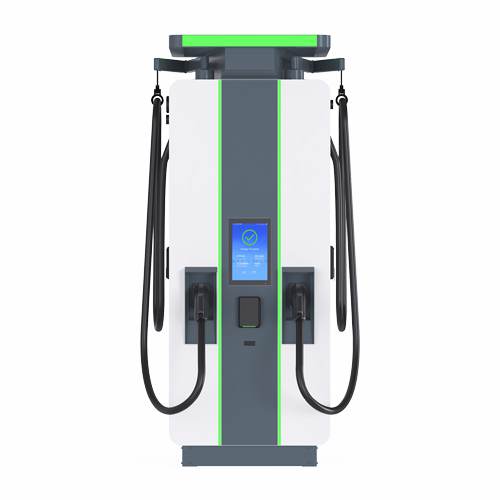
Our technology segregates the system into two components:
A smart master control system dynamically allocates power modules in increments of 20kW or 30kW. If four vehicles plug in simultaneously, the system divides power dynamically. As one vehicle reaches higher SoC (State of Charge) and limits its current draw, the surplus capacity immediately channels to vehicles starting their cycle.
As smart grids become integral to Bahrain's energy security, communication protocols are crucial. All Vernon Multi-Port DC Chargers run OCPP 1.6J/2.0.1 software interfaces natively. This allows operators to integrate smart charging schemes, optimize peak/off-peak tariff schedules, and coordinate with solar PV arrays on site. Our hardware roadmap supports bidirectional V2G capabilities, enabling future commercial vehicle fleets to act as grid storage resources during grid peak demands.
Shenzhen Vernon Charger Co., Ltd. operates in the world's most advanced power electronics cluster. This enables deep vertical integration, rapid engineering iterations, and supply chain control. Our Shenzhen facility sources premium-grade, field-tested components including Infineon IGBTs, high-frequency magnetic materials, and customized smart control cards.
Every charging cabinet undergoes comprehensive end-of-line verification, including thermal cycling under full load, high-pot isolation checks, and structural humidity chamber exposure. Our processes conform strictly to ISO 9001 and ISO 14001 operational frameworks. In addition, our systems are certified to meet regional standards including the GCC Standardization Organization (GSO) directives and Bahrain’s Electricity and Water Authority (EWA) technical criteria.
Deploying tailored EVSE configurations across the governorate's leading commercial, residential, and transit spaces.
Ground support equipment and logistics fleets operating 24/7 require ultra-reliable charging. Multi-port DC stacks allow rapid overnight turnaround for electric tugs, baggage loaders, and transit vans at scale.
Integrating multi-port chargers at high-traffic zones like Dragon City Bahrain and shopping centers maximizes space usage. A single power cabinet feeds multiple user bays, lowering initial civil works cost.
Sleek, wall-mounted or compact multi-port DC chargers provide premium, low-noise fast charging for residential projects. Enables multi-vehicle charging without demanding excessive infrastructure upgrades.
Clarifying structural and electrical specifications for developers, consultants, and electrical contractors in Bahrain.
Further configurations designed to support large-scale fleet deployments and heavy transport systems in Bahrain.
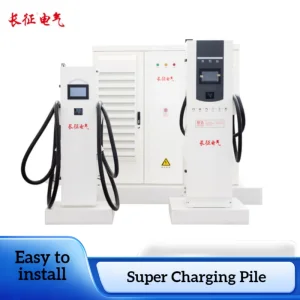
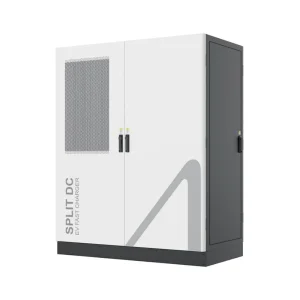



Connect with our expert application engineers to draft a detailed thermal adaptation analysis, grid load assessment, and a custom OEM proposal for your fleet or commercial venue.
Send Inquiry Now Vernon Charger