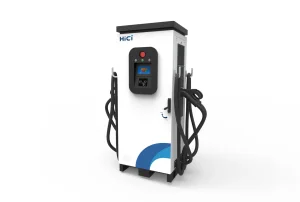
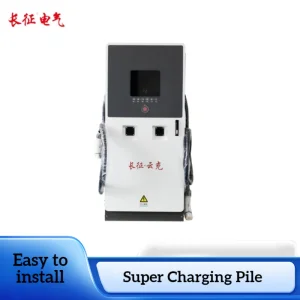
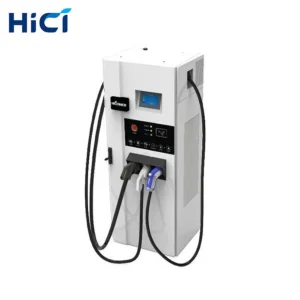
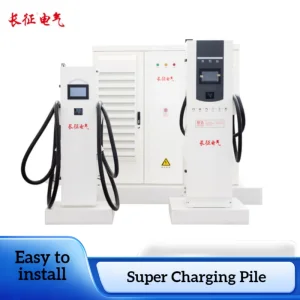
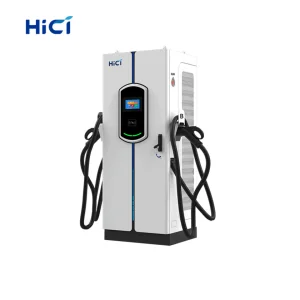
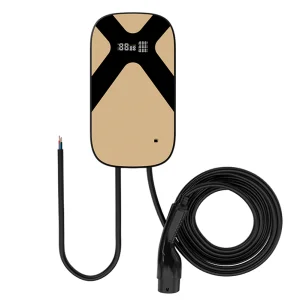
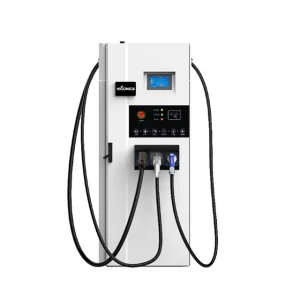
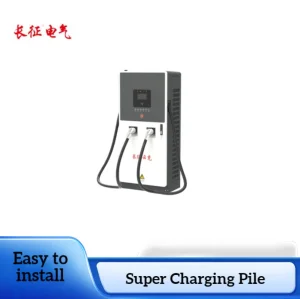
Specifically engineered to support high dynamic load-sharing requirements across Nepal's highway networks and urban centers.

Unlocking energy independence through strategic high-power grid integration.
Nepal is currently experiencing a historic paradigm shift in its national energy security matrix. Armed with an exponential increase in domestic run-of-the-river and reservoir-type hydropower capacity, the Government of Nepal and the Nepal Electricity Authority (NEA) have recognized electric mobility as the primary mechanism for utilizing surplus energy, lowering petroleum import bills, and reducing air pollution. The transit sectors along key routes like the Prithvi Highway, Mahendra Highway, and the Kathmandu Valley are transitioning rapidly toward high-voltage fleet operations, ranging from electric microbuses (such as the ubiquitous 12-15 seater Chinese-imported vans) to larger public buses operated by Sajha Yatayat.
However, the rugged topographical transition from the flat plains of the Terai to the high altitudes of the Himalayas imposes severe operational constraints on conventional power electronics. Sourcing high-capacity charging structures that can handle voltage fluctuations, extreme atmospheric pressure changes (affecting heat dissipation), and high relative humidity during monsoon seasons is the primary technical bottleneck for regional developers.
Our strategic manufacturing initiative bridges this technology gap. By deploying Shenzhen Vernon's advanced charging hardware engineered to operate reliably at altitudes exceeding 3,000 meters above sea level (complying with stringent 70kPa to 106kPa atmospheric pressure tolerances), we provide Nepalese charging network operators with the ultimate field-tested reliability needed to scale commercial EV corridors.
Smart power distribution matrices automatically split bulk power (e.g., 480kW) to charge multiple EV microbuses simultaneously depending on real-time battery SoC parameters.
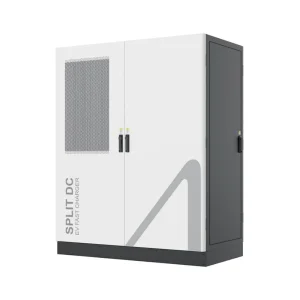
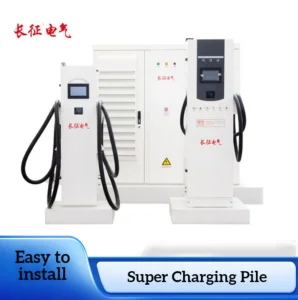
Using a centralized charging cabinet with multiple remote satellite posts dramatically lowers initial civil works costs, cable routing requirements, and grid connection fees.
Integrated with 70kPa pressure calibration, wide input frequency windows (45Hz-65Hz), and advanced over-voltage suppression circuitry to survive rural mountain grids.
Shenzhen Vernon's technical excellence by the numbers—proven reliability in demanding industrial ecosystems.
How Shenzhen Vernon Charger Co., Ltd. delivers cutting-edge charging platforms globally.
Shenzhen Vernon Charger Co., Ltd. operates a pioneering manufacturing footprint specializing in high-performance portable, wall-mounted, and ground-mounted DC EV chargers. Over the past decade, we have established comprehensive charging portfolios catering to commercial smart groups, freight fleets, and public utilities. Under our rigorous execution of Industry 4.0 automation, every charger undergoes a meticulous component selection and testing protocol at our Shenzhen facilities before being shipped to global projects.
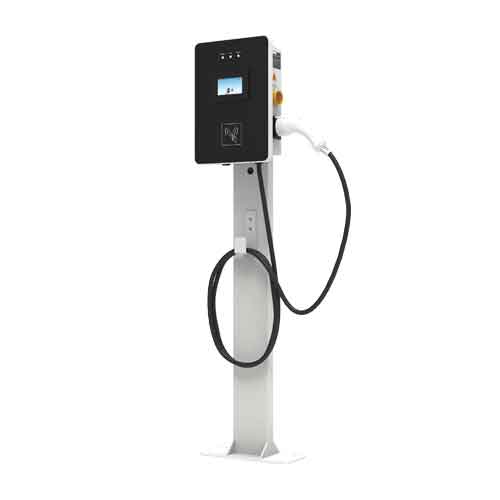
Our production advantage lies in complete horizontal and vertical integration of the EV charging supply chain. By using premium grade IGBT power modules (from market-leaders Infineon and Semikron) combined with proprietary LLC resonant topology control boards, our DC charging units maintain high power factor metrics (>0.99) and very low harmonic distortions (THD < 5%). This is critical for the Nepalese market, where electric utilities require strict mitigation of electrical noise and harmonics to prevent degradation of local transformer substations.
Each multi-port charging cabinet is designed with a decentralized split-type power architecture. For example, our 480kW main power cabinet utilizes modular 30kW or 40kW power blocks that are hot-swappable. This ensures that even if one power module requires maintenance, the entire charging cluster remains active. This design reduces maintenance down-time in remote districts like Chitwan, Biratnagar, or Pokhara where specialized service dispatches can take several hours.
As Nepal progresses toward a zero-emission transport grid, integrating charging networks with renewable resources becomes paramount. Vernon's DC charging solutions natively support OCPP 1.6J and OCPP 2.0.1 protocols, enabling easy communication with remote cloud networks. This permits remote load balancing, dynamic peak-shaving, and the integration of solar photovoltaic (PV) arrays with localized battery energy storage systems (BESS) for grid-isolated locations.
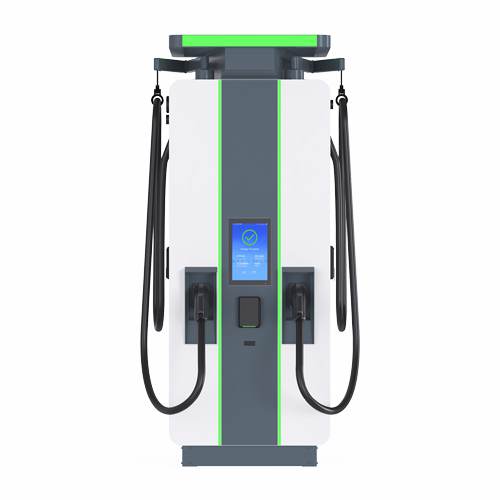
Through severe simulated testing—including climate-controlled chamber runs replicating sub-zero Himalayan conditions, highly saline oceanic air simulations, and extreme dust mitigation—we guarantee that our commercial charging hardware can endure the diverse geographic and climatic zones across Nepal's transit pathways.
Practical configurations designed to address unique regional deployment challenges.
Connecting Kathmandu and Pokhara requires reliable intermediate charging. Our multi-gun configurations allow multiple commuter vans to gain a quick 50% charge during standard rest stops without overloading local distribution networks.
Fleet hubs operating public electric buses require dynamic bulk power allocation. By clustering 240kW to 480kW charging cabinets, fleets can easily perform smart overnight trickle charging or rapid daytime top-ups.
Designed with robust 70kPa atmospheric insulation tolerances and active IP54 enclosures, our chargers can be deployed in tourist hubs near the Everest and Annapurna trailheads without risk of environmental failure.
Explore our full B2B hardware portfolio, customizable with specific connector combinations (CCS2, GBT, CHAdeMO) tailored for Nepalese vehicle imports.

How split-type charging stacks minimize utility infrastructure constraints.
In standard commercial charging setups, setting up multiple individual 120kW chargers means the facility needs a massive dedicated transformer capability (e.g., 4 x 120kW = 480kW grid connection capability). In Nepal, obtaining such power approvals from the NEA is both time-consuming and expensive. Furthermore, if only one car is charging, 360kW of utility infrastructure lies completely idle.
Our Multi-Port dynamic charging matrix resolves this operational bottleneck:
This intelligent distribution ensures that charging network developers along the Bagmati, Gandaki, and Lumbini zones can maintain high-frequency throughput without triggering peak-demand utility penalties or transformer trips during heavy transit hours.
Answering key developer and engineering queries for implementing charging networks in Nepal.
Get in touch with our global application engineers for layout designs, grid load estimations, and competitive factory-direct pricing for your Nepalese infrastructure projects.
Send Inquiry Now Vernon Charger