Our flagship smart-grid and dynamic-balancing chargers designed for heavy-duty commercial deployment in Kinshasa, Lubumbashi, and remote mining sites.
The Democratic Republic of the Congo (DRC) is currently undergoing a structural transformation in its industrial and mining sectors. As the world's leading producer of cobalt and a top producer of copper, the country sits at the center of the global transition to clean energy. However, the local grid infrastructure faces systemic bottlenecks, including frequent voltage fluctuations, high peak electricity costs, and vast geographical regions with limited or zero access to the national electricity grid (SNEL).
To overcome these challenges, mining operations in Katanga, Lualaba, and infrastructure hubs in Kinshasa are increasingly turning to solar microgrids, hybrid generator-battery setups, and smart energy optimization solutions. Standard DC chargers fail in these environments due to their lack of grid adaptability. Energy-optimized DC fast chargers represent a vital technology that enables local fleet operators and mining enterprises to deploy heavy transport vehicles without overloading local microgrids.
By implementing dynamic load management and integrating rechargeable battery storage, our energy-optimized charging stations ensure that high-power draws do not destabilize weak grids, keeping operational costs low and system safety high.
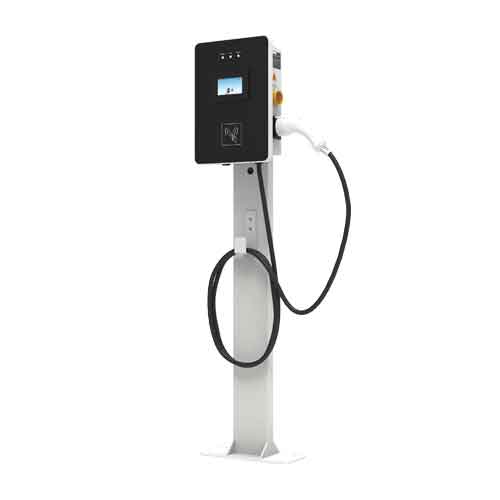
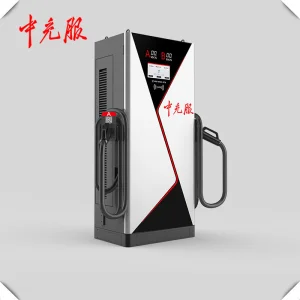
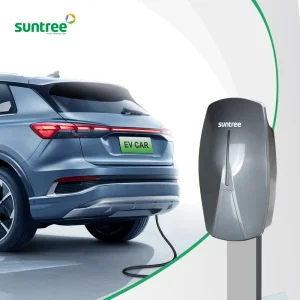
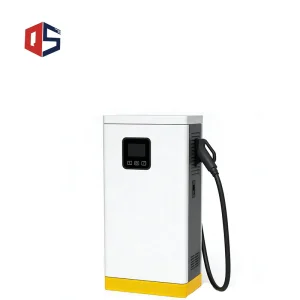
Our engineers have configured Vernon Charger DC fast systems to withstand harsh African climates while maximizing power delivery efficiency.
Monitors total building or microgrid power usage in real time. Automatically balances the electrical current delivered to EVs according to available capacity, preventing total facility blackouts and protecting transformer health.
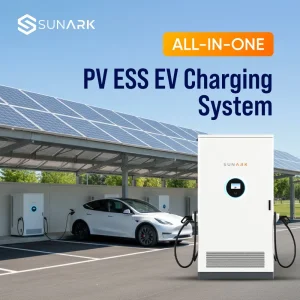
Seamlessly integrates with photovoltaic arrays and Battery Energy Storage Systems (BESS). Priority charging profiles ensure vehicles utilize raw solar energy during peak radiation hours, avoiding costly diesel generator run-time.
In regions with high local electricity tariffs, idle charging stations can silently waste thousands of kilowatt-hours annually. Our standby-power optimization cuts system drain to less than 5 watts when idle.
Engineered for electrical resilience in DRC. Features a wider input voltage tolerance (380V ± 20%) and comprehensive Type B protection to guard internal silicon carbides against grid voltage sags and surges.
With high ambient tropical temperatures in Central Africa, liquid-cooled or intelligent fan-regulated heat dissipation mechanisms prevent thermal derating, ensuring steady megawatt-scale power output.
Operate remote sites in Kolwezi or Tenke from Kinshasa or Shenzhen. Integrated 4G cellular and ethernet modules with OCPP 1.6J/2.0.1 ensure seamless software integration and remote firmware updates.
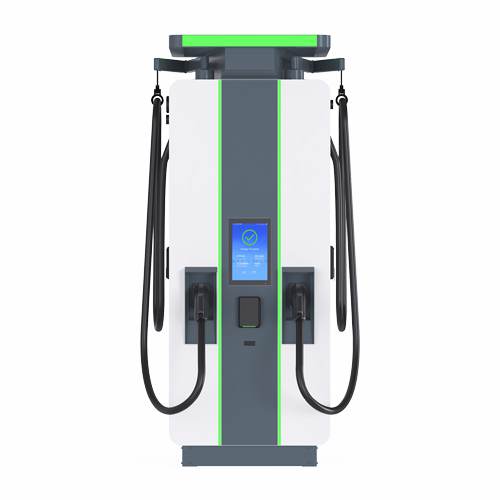
As a leading Chinese EV charger manufacturer located in Shenzhen—the global capital of electronics and electric vehicle hardware innovation—Shenzhen Vernon Charger Co., Ltd. leverage an unmatched supply chain ecosystem. This enables us to deliver advanced power electronics at a highly competitive cost-to-performance ratio.
For clients in the Democratic Republic of the Congo, buying direct from a Chinese factory means accessing cutting-edge technology such as graphene-enhanced battery chargers and megawatt-scale liquid-cooled dispensers, which are often unavailable or prohibitively expensive through European intermediaries.
Our logistical network is optimized for shipments to Central Africa. Whether utilizing sea freight via the Port of Matadi or trucking transit from East African ports (Dar es Salaam and Mombasa) directly into the mining provinces of Katanga and Lualaba, we handle complete export documentation, customs clearance compliance, and provide rigorous virtual installation support.
Our scale of operation and technology deployments across international markets and industrial sectors.
Our specialized high-power chargers, graphene battery modules, and megawatt equipment engineered for mining loaders, port cranes, and smart microgrid optimization.
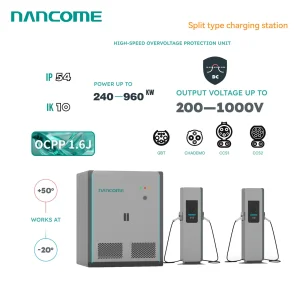
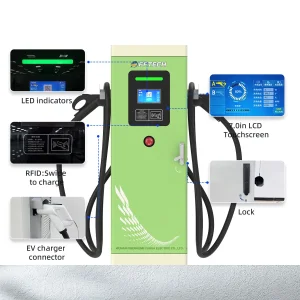
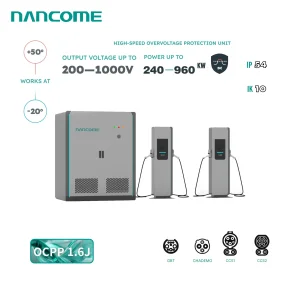
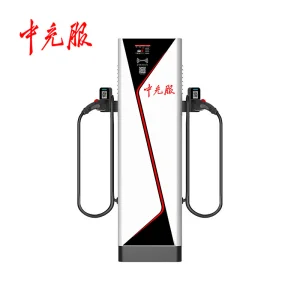
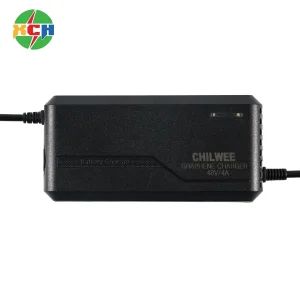
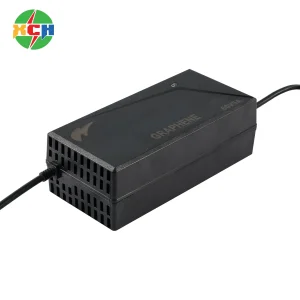
Integrating charging grids with industrial operations requires high-level design. Below are the primary integration models Vernon Charger delivers to the Central African market.
In heavy copper and cobalt mining sites, electrical power is primarily supplied by private heavy-duty diesel generators or dedicated solar arrays. Vernon Charger provides Megawatt (MW) high-voltage charging systems that communicate dynamically with generator controllers. They modulate the EV charging load dynamically to prevent generator stalling and keep performance smooth.
For bus systems and heavy transport operations based in Kinshasa or Lubumbashi, grid capacity is highly limited. By utilizing our centralized smart group chargers, fleet managers can schedule charging during off-peak night hours. Dynamic Load Balancing (DLB) software limits maximum draw, allowing multiple large-capacity batteries to charge overnight without triggering expensive peak tariff charges.
Ports along the Congo River require constant, reliable operations. Our Megawatt-scale liquid-cooled fast chargers deliver high duty-cycles for electric mobile cranes and container loaders. The heat dissipation and moisture-resistant designs protect internal components in humid river environments, ensuring uninterrupted logistics operations.
Shenzhen Vernon Charger Co., Ltd. is a pioneering manufacturer specializing in portable, wall-mounted, and ground-mounted DC EV chargers, providing comprehensive solutions for smart group charging, fleets, and public applications. The company focuses on delivering efficient, reliable, and intelligent charging systems designed to meet the diverse needs of residential, commercial, and industrial customers.
Vernon Charger’s product portfolio includes high-power DC fast chargers, portable charging units, wall-mounted and ground-mounted stations, and flexible group charging solutions. Each product incorporates advanced features such as intelligent power management, real-time monitoring, remote control, and energy optimization, ensuring safe, efficient, and user-friendly operation across multiple scenarios.
The company is committed to innovation and sustainability, integrating its DC charging systems with renewable energy sources and smart grid technologies. This enables optimized load balancing, reduced operational costs, and enhanced energy efficiency for fleet operators, public charging networks, and private users alike.
With rigorous adherence to international safety and quality standards, Shenzhen Vernon Charger Co., Ltd. has established itself as a trusted partner in the EV charging industry. By providing cutting-edge DC EV charging solutions, the company empowers clients to adopt cleaner transportation, improve operational efficiency, and contribute to a sustainable energy future.
Managing industrial EV charging procurement for projects in Central Africa requires careful planning across multiple operational dimensions.
Before selecting a charger, record local voltage variations over a 72-hour period. Our engineers use this data to configure input tolerances and program specialized software controls that protect the equipment from brownouts.
For humid regions near Kinshasa, IP54 is the standard minimum, with IP65 required for dusty mining environments in Kolwezi. Dual-chamber cabinet layouts keep power electronics isolated from dust and moisture.
Due to remote geographical locations in the DRC, shipping single components can cause long operational delays. We supply comprehensive spare parts kits—including power modules, controller boards, and charging gun cables—alongside our bulk shipments.
Addressing the core technical, logistical, and operational concerns of engineers and procurement managers deploying DC charging technology in the DRC.
Our chargers are designed with a wide input voltage window (typically 380V ± 20%) and are equipped with integrated protective relays. In the event of severe voltage dips or surges, the charger safe-states itself without burning out internal components and automatically resumes operations once the grid stabilizes.
Yes. Our smart chargers support Modbus TCP, RTU, and OCPP communication interfaces, allowing them to integrate with Microgrid Controllers. The charger dynamically throttles its output based on solar generation curves and battery charge states, maximizing solar self-consumption and protecting backup batteries.
Standard custom orders take 25 to 35 days for manufacturing. Sea transit to the Port of Matadi takes approximately 35 to 45 days. For Katanga or other landlocked mining provinces, shipping to Dar es Salaam or Durban followed by regional trucking is often faster, taking approximately 40 to 50 days transit time.
In many commercial tariffs, a large portion of the bill is determined by peak demand charges. Our DLB system actively limits maximum power draw to a pre-defined threshold. When building demand increases, the charger dynamically scales down EV output. When facility load decreases, the charger ramps up output to full capacity.
We offer comprehensive remote technical support, including wiring schematics, digital commissioning, and live video assistance. For large industrial fleets or utility projects, we can arrange for factory engineers to travel to the site for commissioning and team training.
 Vernon Charger