Engineered to handle remote off-grid deployments and high grid fluctuations, ideal for Namibia's solar infrastructure and major transport hubs.
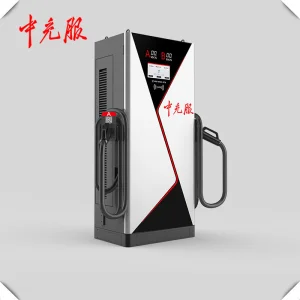
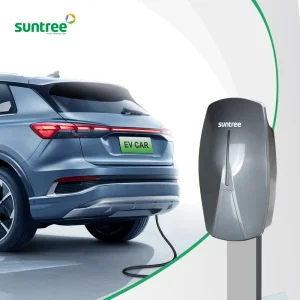
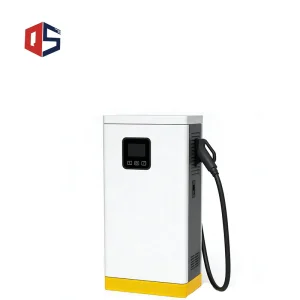
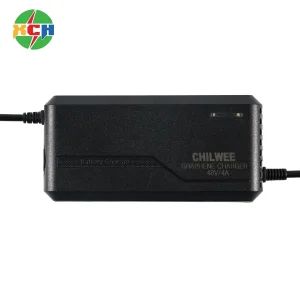
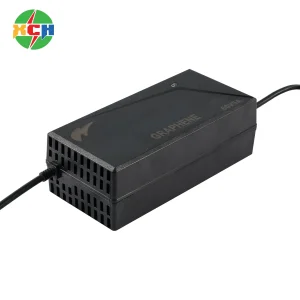
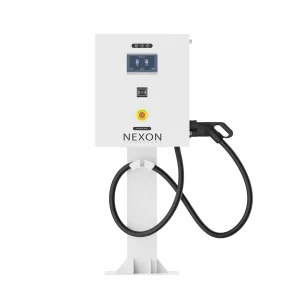
Shenzhen Vernon Charger Co., Ltd. is a pioneering manufacturer specializing in portable, wall-mounted, and ground-mounted DC EV chargers, providing comprehensive solutions for smart group charging, fleets, and public applications. The company focuses on delivering efficient, reliable, and intelligent charging systems designed to meet the diverse needs of residential, commercial, and industrial customers.
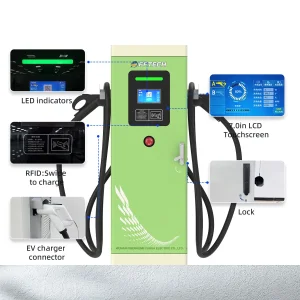
Vernon Charger’s product portfolio includes high-power DC fast chargers, portable charging units, wall-mounted and ground-mounted stations, and flexible group charging solutions. Each product incorporates advanced features such as intelligent power management, real-time monitoring, remote control, and energy optimization, ensuring safe, efficient, and user-friendly operation across multiple scenarios.
By implementing cutting-edge active power allocation and dynamic thermal management algorithms, we support organizations in modernizing their fleet operations. As Namibia expands its highway electrification and heavy industrial utility infrastructures, our technologies bridge the gap between high power demands and sensitive grid operations.
Request Vernon Catalog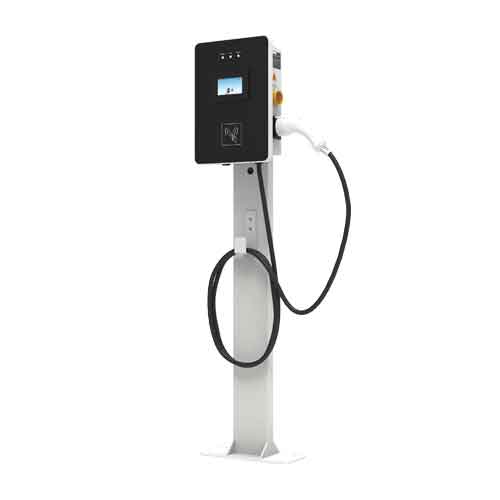
Real-time load management decreases peak capacity reliance, balancing chargers dynamically with regional grid capacities and localized PV arrays.
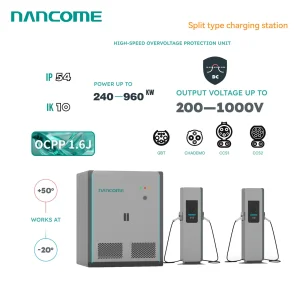
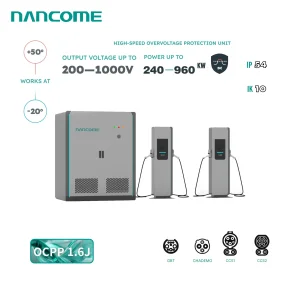
Tough IP54/IP65 structural envelopes, anti-corrosion treatments, and advanced thermal cooling enable operation in temperatures up to 50°C.
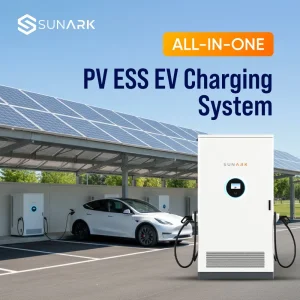
Native integration with battery energy storage systems (BESS) and industrial solar arrays enables reliable off-grid operations.
Namibia is on the cusp of an energy revolution. With its vast open territories, some of the highest solar irradiance indexes globally, and ambitious policies like the Harambee Prosperity Plan, the nation is positioned to become a regional green energy powerhouse. However, importing electric vehicles and deploying charging infrastructure introduces unique local challenges. Key issues include long logistics paths along the Trans-Kalahari and Trans-Kunene corridors, and localized grids that struggle with sudden high-demand loads.
This is where DC Chargers with Energy Optimization Systems (EOS) become crucial. Instead of drawing high peak loads that strain NamPower's municipal grids, modern charging infrastructures use localized dynamic load management, integrated battery storage, and solar buffering. This approach keeps operational costs low while maintaining high system stability.
Major hubs like Windhoek, Walvis Bay, Swakopmund, and remote mining sites in the Erongo region rely on stable electricity supplies for operational efficiency. The introduction of heavy-duty fleet operations—such as zero-emission haulage in uranium or diamond mines, and logistics support at the Port of Walvis Bay—requires megawatt-level power solutions. Deploying non-optimized DC infrastructure can trigger hefty demand charges and lead to grid instability.
By using Vernon's smart group charging units, logistics developers can cap utility limits. The chargers adapt to grid capacity in real-time, prioritizing vehicles based on route demands and battery status while avoiding peak-hour surcharges.
| Use Case Scenario | Grid Limitations | Optimization Solution | System Outcome |
|---|---|---|---|
| Walvis Bay Port Logistics | High localized load from cranes and port transport fleets. | Dynamic load shedding and buffer batteries (BESS). | Prevents grid overload during peak operations. |
| Erongo Region Mining Sites | Remote locations with weak grid access or off-grid operations. | Solar PV coupling with Megawatt Liquid-Cooled Chargers. | Enables continuous industrial vehicle operation. |
| Urban Public Corridors | High demand charges during peak daytime hours. | Time-of-Use (ToU) scheduling and dynamic power splitting. | Reduces charging costs and optimizes energy use. |
Our chargers integrate hardware reliability with advanced cloud energy management tools:
Developing inter-country transit corridors is a priority for the Southern African Development Community (SADC). Equipping freight routes between Windhoek and neighboring ports with high-power DC systems requires rugged hardware built to withstand harsh desert conditions. Fine dust from the Namib desert and high thermal variations can damage standard systems. Our chargers feature sealed cooling ducts and anti-corrosion components to ensure consistent uptime and reliability in these demanding environments.
From megawatt heavy-machinery chargers for remote mining to smart residential systems with active load management.
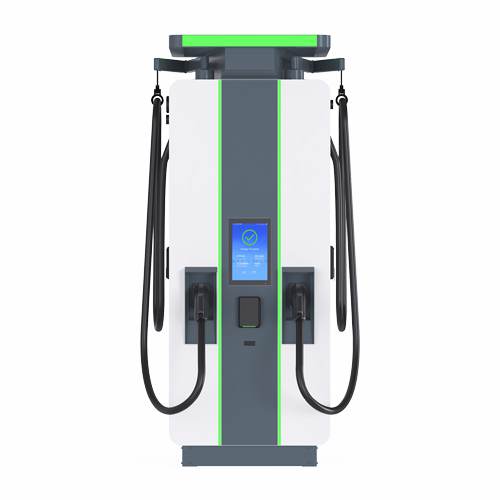
The company is committed to innovation and sustainability, integrating its DC charging systems with renewable energy sources and smart grid technologies. This enables optimized load balancing, reduced operational costs, and enhanced energy efficiency for fleet operators, public charging networks, and private users alike.
With rigorous adherence to international safety and quality standards, Shenzhen Vernon Charger Co., Ltd. has established itself as a trusted partner in the EV charging industry. By providing cutting-edge DC EV charging solutions, the company empowers clients to adopt cleaner transportation, improve operational efficiency, and contribute to a sustainable energy future.
Every charging station we build undergoes strict electrical testing, thermal performance validation, and cabinet seal inspections. Our hardware is fully compliant with CE, IEC, and local regional grid requirements, ensuring safe, long-term operation in challenging environmental conditions.
In-depth insights on sizing, load management, and deploying energy-optimized charging stations.
Our DLB controller monitors a facility's real-time electricity consumption. If building loads rise, the charging station automatically adjusts EV charging rates downward. Once building demand drops, charging power increases. This avoids exceeding grid capacity limits and helps prevent peak-demand utility charges.
Yes. Our smart grid and solar-upgraded DC chargers are designed to work alongside solar PV installations and battery storage (BESS). Using Modbus or OCPP protocols, the system prioritizes available solar power, drawing grid electricity only when renewable output falls below baseline needs.
Our systems feature dust-resistant enclosures (IP54 to IP65) and sealed cooling chambers. Sensitive power electronics are isolated from external air intake, protecting modules from mineral dust and sand while maintaining efficient heat dissipation up to 50°C.
All models natively support OCLC/OCPP 1.6J and are upgradeable to OCPP 2.0.1. This ensures easy integration with third-party billing backends, RFID user systems, dynamic pricing systems, and mobile payment platforms.
Get in touch with our engineering team to design custom, energy-efficient DC charging stations tailored to your fleet, project, or regional utility requirements.
Inquire & Request Pricing Vernon Charger