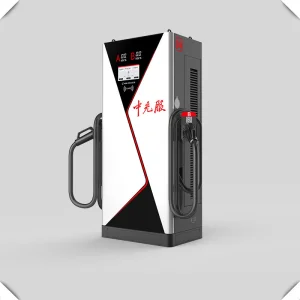
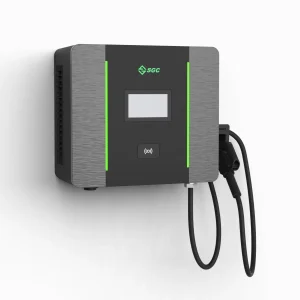
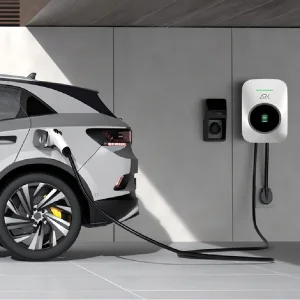
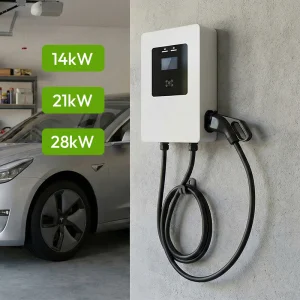
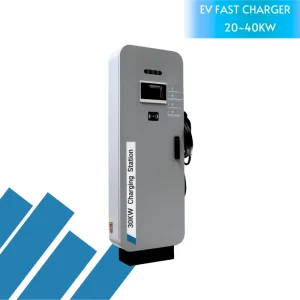
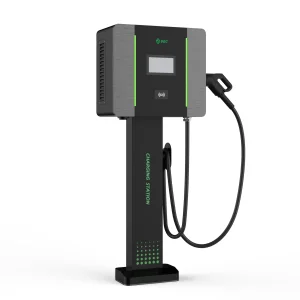
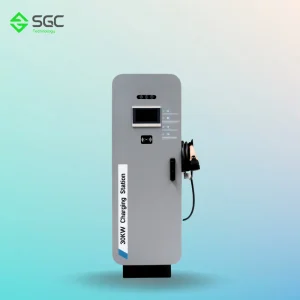
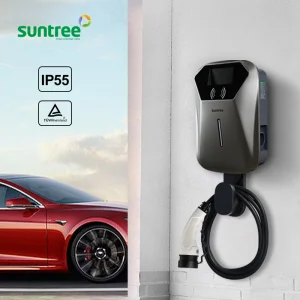
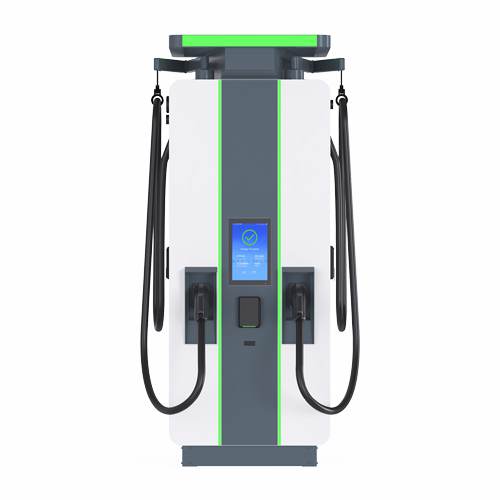
Engineered for harsh industrial environments, these app-monitored DC charging systems support dynamic load management, multiple protocol configurations, and live software monitoring designed specifically for Antwerp's logistics terminals.
As the Port of Antwerp-Bruges serves as one of the single largest logistics engines in Europe, managing immense cargo streams and heavy duty traffic, the transition to sustainable energy infrastructure is crucial. Rapid electrification of port container operations, heavy duty freight lines, and commercial service fleets requires resilient charging hardware capable of operating under high workloads and demanding weather conditions.
To support this transition, Vernon Charger provides high-performance DC charging stations integrated with real-time app telemetry. Operators in Antwerp require detailed fleet metrics to balance localized grid consumption, schedule peak-shaving, and track charging costs across individual delivery fleets. Our advanced app monitoring offers terminal managers full control over electricity profiles, minimizing downtime and optimizing local grid performance.
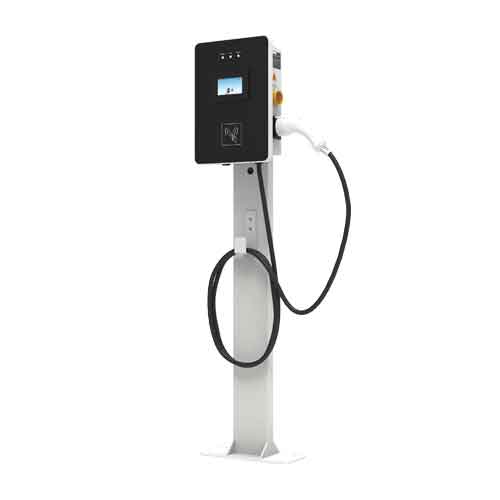
We design charging systems configured for long-term compatibility, offering high interoperability with future grid updates and intelligent software operations.
Equipped with integrated Wi-Fi, Ethernet, and 4G modules. Fleet managers can monitor active charge rates, plan dispatch schedules, and receive automatic over-the-air firmware updates via their local dashboards.
Protects local substation facilities by shifting power output dynamically based on real-time site demands. Crucial for facilities processing variable cargo loads and charging dozens of vehicles concurrently.
Full support for OCPP 1.6J and OCPP 2.0.1 protocols alongside ISO 15118 implementation. This provides true Plug & Charge capabilities for streamlined logistics workflows and seamless billing operations.
We provide end-to-end integration designs that support local green initiatives and minimize industrial energy expenditure.
Industrial installations throughout Antwerp are increasingly incorporating distributed energy systems, such as rooftop solar panels and battery storage options. Charging an expanding electric vehicle fleet requires deep integration between these localized power generation sources and the chargers themselves. Vernon Charger's smart DC stations interact directly with local energy management systems (EMS).
By monitoring generation peaks and off-peak grid pricing via our cloud API, operators can configure chargers to utilize excess solar energy or draw power when pricing is lowest. This limits peak demand surcharges and provides heavy transport networks with low-cost, low-carbon electricity. Additionally, our stations are pre-wired and structured for Vehicle-to-Grid (V2G) integration, enabling fleets to act as energy reservoirs to stabilize the distribution grid during demand spikes.
European deployment mandates stringent quality standards. We design our components to exceed safety and regulatory guidelines.
Operated from our high-tech manufacturing center in Shenzhen, Shenzhen Vernon Charger Co., Ltd. coordinates automated component assembly, continuous quality control protocols, and comprehensive unit burning-in processes. By integrating vertical supply components, we reduce lead times and manage production costs effectively.
Our proximity to Shenzhen's primary maritime ports allows us to schedule consistent weekly routes to the Port of Antwerp. This helps European distributors receive stock safely, bypass bottlenecks, and access technical replacement components without delays.
Through our dedicated engineering staff and specialized production lines, we offer OEM and ODM customization services for specialized voltage inputs, customized system enclosures, and branded charging apps tailored to commercial operators.
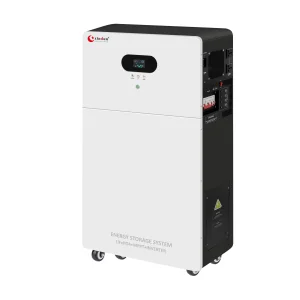
Browse our certified EV charging solutions, off-grid battery modules, and heavy duty commercial DC chargers.
Find answers to common questions about deployment, compliance, integration, and importing chargers into the Belgian market.
Our charging systems run on standard OCPP (Open Charge Point Protocol) 1.6J and 2.0.1. They connect directly with third-party Fleet Management Software (FMS) and Charge Point Management Systems (CPMS). We supply API documentation alongside SDK materials to help integrate live metrics, start/stop commands, and authentication codes with your current system setup.
Yes, our export line is constructed to comply with Belgian regulations, including those outlined by Synergrid. Our integrated safety systems feature built-in DC leakage detection (6mA RCD protection) and high isolation monitoring, matching standard local electricity codes.
Our industrial DC chargers feature IP54 or IP65 ingress protection enclosures, alongside anti-corrosion exterior coatings. This helps prevent damage from salt air, rain, dust, and industrial particulates common in port logistics areas.
For standard models, production takes 3 to 4 weeks, followed by 4 to 5 weeks ocean transit directly to the Port of Antwerp-Bruges. We also maintain relationships with air freight and logistics providers to coordinate express shipments for urgent projects.
 Vernon Charger