As one of Central Africa's most prominent economies, Equatorial Guinea is embarking on an ambitious journey to modernize its national energy and transport infrastructure. Historically dependent on hydrocarbon exports, the government’s "Horizonte 2035" economic development plan shifts significant focus toward infrastructure diversification, sustainable urban development, and reducing localized carbon emissions. This strategy targets the growing administrative and commercial centers of Malabo on Bioko Island and Bata on the mainland.
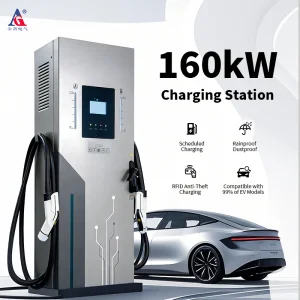
While Equatorial Guinea boasts a high electrification rate compared to sub-Saharan averages—fueled by gas-fired generation in Malabo and the Sendje Hydroelectric Plant near Bata—grid resilience remains a vital design constraint. Public charging installations must integrate seamlessly with the national utility, SEGESA (Sociedad de Electricidad de Guinea Ecuatorial). Establishing stable 160kW to 600kW DC fast charging systems demands smart power management systems that actively prevent voltage sag and localized grid overloads during peak hours.
The global transition toward electric vehicles (EVs) has progressed from early-stage adoption to massive infrastructure scaling. High-voltage vehicle platforms (800V and above) are replacing traditional 400V architectures, driving demand for charging systems that deliver 300kW to 600kW of continuous power. In this evolving global market, DC fast chargers are no longer standalone power dispensers—they are node-integrated smart grids.
Key global technology standards shape the deployment landscape for municipalities and private parking lot operators in West and Central Africa:
Ultra-fast charging (up to 600kW) requires liquid-cooled cables to keep handling weights low and manage heat generation, maintaining safe operating temperatures under continuous peak loads.
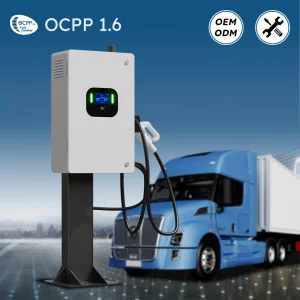
Open Charge Point Protocol compatibility enables remote load management, OTA updates, dynamic billing systems, and cross-operator compatibility for regional and municipal parking lots.
Pairing high-capacity DC fast chargers with solar photovaltaics (PV) and Battery Energy Storage Systems (BESS) bypasses local grid constraints and creates localized green energy corridors.
Implementing DC fast chargers within public parking environments requires a granular understanding of driver behavior and spatial limitations. We have identified four primary commercial and public parking application scenarios key to Equatorial Guinea's metropolitan centers:
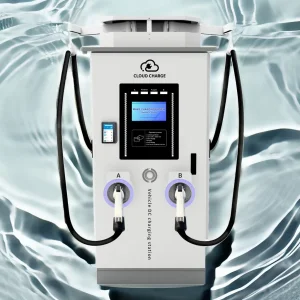
Premium hotels, retail malls, and office complexes in Malabo II and central Bata represent the vanguard of regional EV adoption. Business travelers and upscale tourists demand rapid, seamless top-ups. Installing floor-mounted dual-port systems (ranging from 40kW to 120kW) allows hotels to offer amenity charging that charges a standard EV battery from 20% to 80% within a guest's dining or meeting window (45–60 minutes).
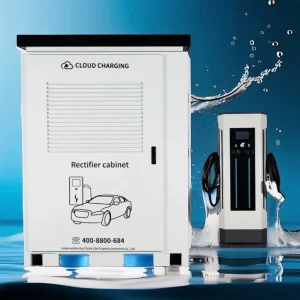
Decarbonizing municipal bus routes and corporate fleets requires centralized charging hubs. High-power split-type liquid-cooled charging piles (320kW to 600kW) deployed at public depots in Bata and Malabo support overnight deep-charging and midday rapid top-ups. This maintains fleet uptime without adding extra vehicles to cover charging windows.
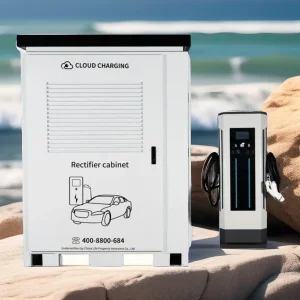
The logistical lifelines of Equatorial Guinea depend on the heavy transit corridors linking the maritime ports with inland destinations. Fleet operators deploying light-to-medium electric commercial vans can utilize robust, waterproof, and salt-mist-resistant DC chargers (160kW to 240kW) to ensure cargo flows seamlessly with minimal recharging downtime.
Equatorial Guinea’s administrative expansion into the mainland interior, including the development of Oyala (Ciudad de la Paz), creates a unique spatial corridor. Fast-charging stations along highways and at institutional campuses must function as self-contained systems, matching solar generation with robust battery storage to offset local grid variability.
The environmental and electrical conditions in Central Africa demand specific engineering choices. Standard European or Asian configurations must be adapted to guarantee high uptime, equipment safety, and a reasonable return on investment.
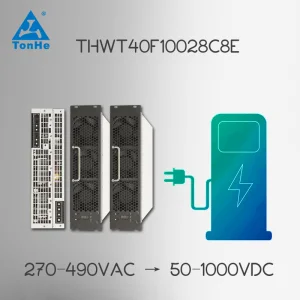
Additionally, the system features a wide input voltage range (380V ±15%) and integrated automatic voltage regulation (AVR). This safeguards internal power electronics against voltage surges and brownouts common on local distribution grids. Real-time insulation monitoring and leakage protection systems automatically disconnect power if they detect water ingress, securing the system for public operators and end-users.
Shenzhen Vernon Charger Co., Ltd. is a pioneering manufacturer specializing in portable, wall-mounted, and ground-mounted DC EV chargers, providing comprehensive solutions for smart group charging, fleets, and public applications. The company focuses on delivering efficient, reliable, and intelligent charging systems designed to meet the diverse needs of residential, commercial, and industrial customers worldwide.
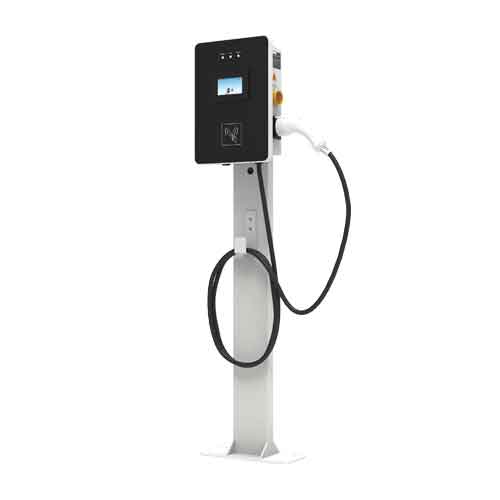
Vernon Charger’s product portfolio includes high-power DC fast chargers, portable charging units, wall-mounted and ground-mounted stations, and flexible group charging solutions. Each product incorporates advanced features such as intelligent power management, real-time monitoring, remote control, and energy optimization, ensuring safe, efficient, and user-friendly operation across multiple scenarios.
The company is committed to innovation and sustainability, integrating its DC charging systems with renewable energy sources and smart grid technologies. This enables optimized load balancing, reduced operational costs, and enhanced energy efficiency for fleet operators, public charging networks, and private users alike.
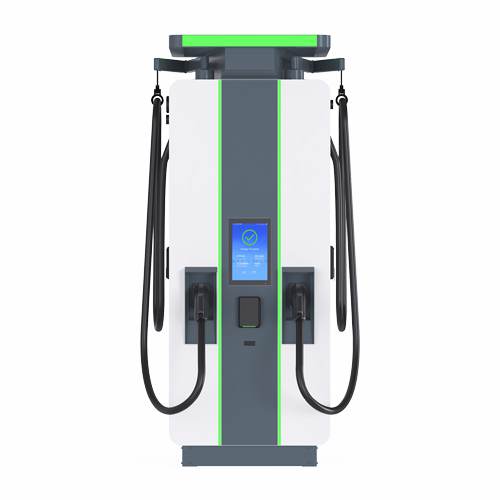
With rigorous adherence to international safety and quality standards, Shenzhen Vernon Charger Co., Ltd. has established itself as a trusted partner in the EV charging industry. By providing cutting-edge DC EV charging solutions, the company empowers clients to adopt cleaner transportation, improve operational efficiency, and contribute to a sustainable energy future.

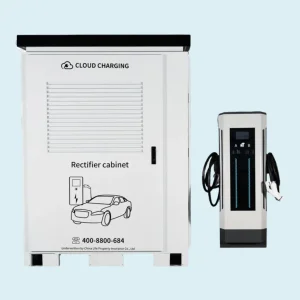
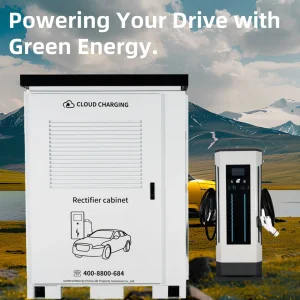
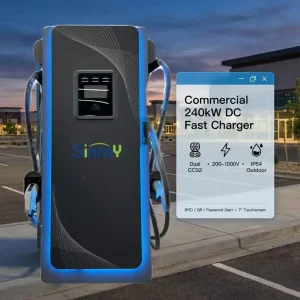
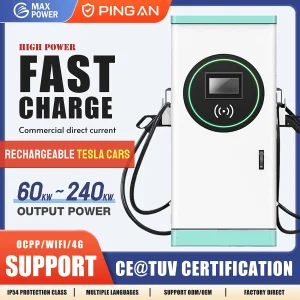
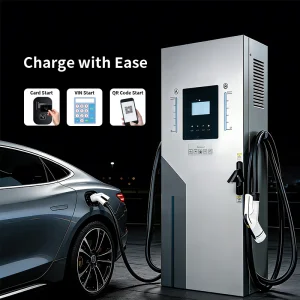
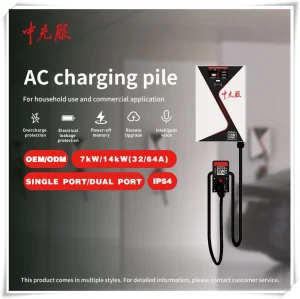
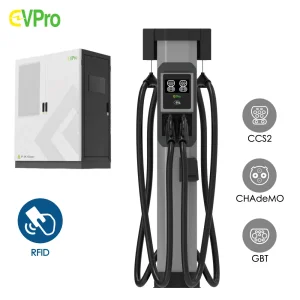
Get in touch with our technical sales team for personalized product specifications, custom configurations, and pricing for your commercial project in Equatorial Guinea.
Send Inquiry Now Vernon Charger