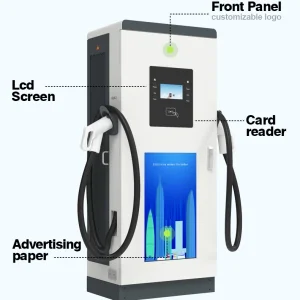
Industrial-grade power delivery for transit authorities and heavy-duty electric fleets.
Decoding the shift from internal combustion to zero-emission public transport networks.
The global electric bus market is witnessing unprecedented growth, driven by aggressive carbon neutrality targets in Europe, North America, and Southeast Asia. Urban centers are transitioning entire fleets to electric, necessitating massive "charging depots" that can handle multiple megawatt loads simultaneously. This is no longer just about plugging in a vehicle; it's about industrial-scale energy management.
The industry is moving toward 400kW+ ultra-fast charging and the Megawatt Charging System (MCS). Reduced turnaround times for buses mean that infrastructure must provide high-duty cycles with minimal downtime. Modular power cabinets that allow for future capacity expansion are now the standard for top-tier suppliers.
How top suppliers adapt technology to diverse geographical and operational needs.
High-density charging terminals with multi-port outputs. These require sophisticated load balancing to ensure all buses are ready for the morning shift without overloading the local grid.
From Nordic winters to Middle Eastern heat, infrastructure must feature advanced thermal management. Liquid-cooled cables and IP55/IP65 rated enclosures are critical for reliability.
Strategic placement of fast chargers at end-of-line stops allows buses to top up in 10-15 minutes, extending operational range without requiring massive onboard batteries.
Innovating the Future of Industrial DC Charging Solutions
Shenzhen Vernon Charger Co., Ltd. is a pioneering manufacturer specializing in portable, wall-mounted, and ground-mounted DC EV chargers, providing comprehensive solutions for smart group charging, fleets, and public applications. The company focuses on delivering efficient, reliable, and intelligent charging systems designed to meet the diverse needs of residential, commercial, and industrial customers.
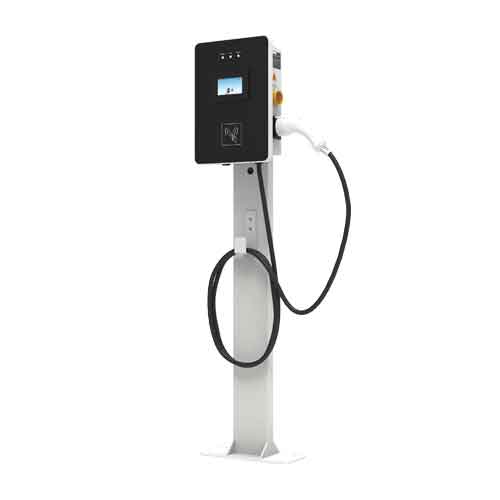
Vernon Charger’s product portfolio includes high-power DC fast chargers, portable charging units, wall-mounted and ground-mounted stations, and flexible group charging solutions. Each product incorporates advanced features such as intelligent power management, real-time monitoring, remote control, and energy optimization, ensuring safe, efficient, and user-friendly operation across multiple scenarios.
The company is committed to innovation and sustainability, integrating its DC charging systems with renewable energy sources and smart grid technologies. This enables optimized load balancing, reduced operational costs, and enhanced energy efficiency for fleet operators, public charging networks, and private users alike.
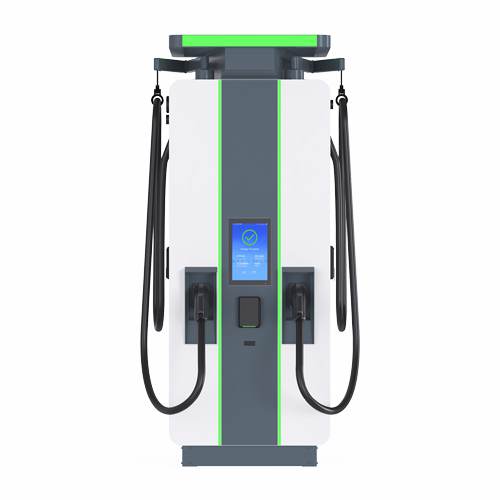
With rigorous adherence to international safety and quality standards, Shenzhen Vernon Charger Co., Ltd. has established itself as a trusted partner in the EV charging industry. By providing cutting-edge DC EV charging solutions, the company empowers clients to adopt cleaner transportation, improve operational efficiency, and contribute to a sustainable energy future.
Why the world looks to China for EV infrastructure scaling.
As a leading Chinese factory, we don't just sell hardware. We provide the intelligence required to manage a fleet of 500+ electric buses, including:
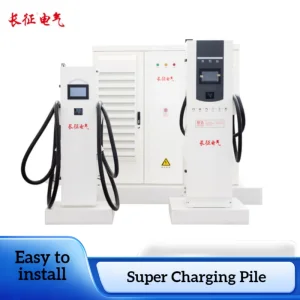
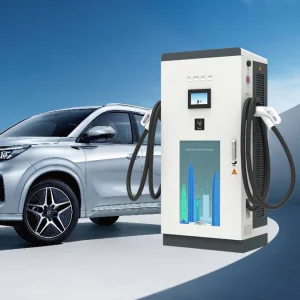
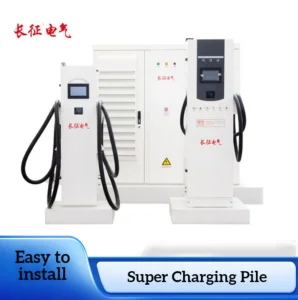
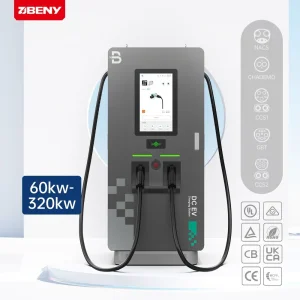
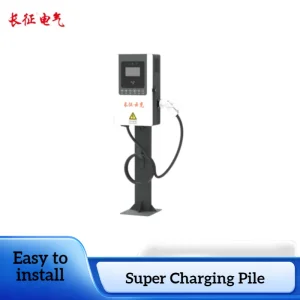
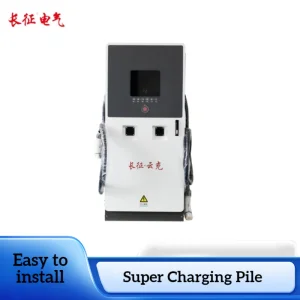
High-efficiency DC piles for next-generation electric bus transit systems.
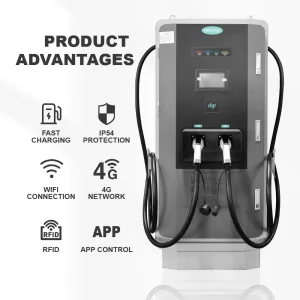
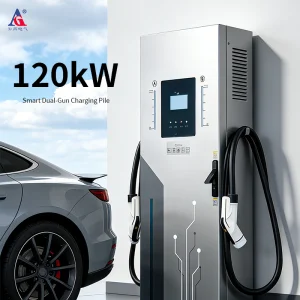
The selection of an Electric Bus Charging Infrastructure Supplier involves understanding the critical intersection of high-voltage electrical engineering and digital software management. For modern bus depots, the transition usually begins with a feasibility study on grid capacity. Industrial-grade DC fast chargers, such as those in the 120kW to 480kW range, require substantial infrastructure investment, often including dedicated transformers and switchgear.
One of the primary considerations in global procurement is the Liquid-Cooling Technology. As we push toward 400A and 600A charging currents, traditional air-cooled cables become too heavy and hot for frequent use. Liquid-cooled systems allow for thinner, more manageable cables while maintaining safe operating temperatures, which is essential for high-throughput transit hubs.
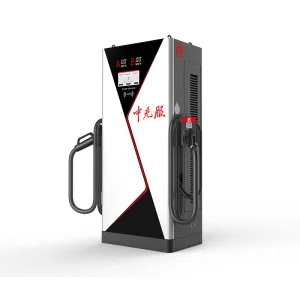
Furthermore, the Smart Scheduling features mentioned in our product range (like the Zhongchongfu models) are vital for minimizing peak demand charges from utility companies. By synchronizing energy distribution across a fleet, the system can ensure that every bus is charged by 5:00 AM while staying under a specific power ceiling, potentially saving operators thousands of dollars in monthly energy costs.
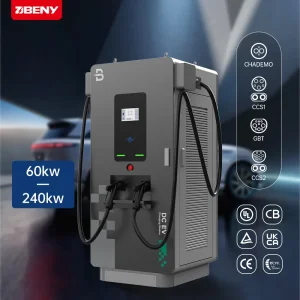
As a leading factory based in Shenzhen, we integrate these advanced technologies with a focus on "Plug & Play" compatibility. Our chargers support diverse protocols including CCS1, CCS2, CHAdeMO, and GB/T, making them suitable for global markets from North America to Southeast Asia. We empower transit authorities to meet their electrification goals with confidence, providing the backbone for a cleaner, quieter, and more efficient urban future.
 Vernon Charger