Bidirectional DC charging systems, encompassing Vehicle-to-Grid (V2G), Vehicle-to-Home (V2H), and Vehicle-to-Building (V2B) technologies, represent the next frontier in the global energy transition. Unlike traditional one-way chargers, these advanced systems allow electric vehicles to not only draw power from the grid but also return it during peak demand hours.
Globally, the commercial and industrial sectors are integrating bidirectional systems to create decentralized energy hubs. In Europe and North America, governments are incentivizing V2G infrastructure to stabilize aging power grids and integrate fluctuating renewable energy sources like wind and solar. As EV adoption skyrockets, the need for intelligent bidirectional modules becomes critical for balancing load and reducing total cost of ownership (TCO) for fleet operators.
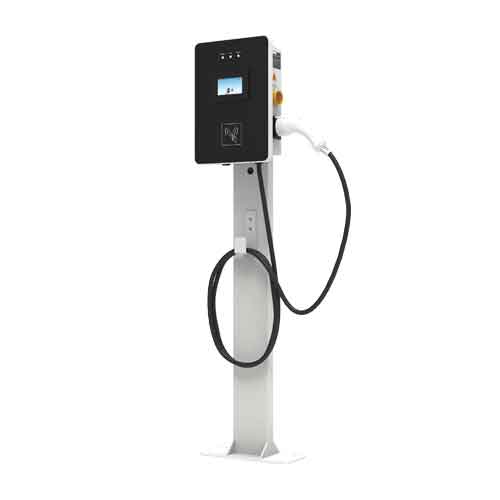
The integration of Vehicle-to-Everything (V2X) communication allows EVs to act as mobile batteries, supporting smart city infrastructures and disaster recovery scenarios.
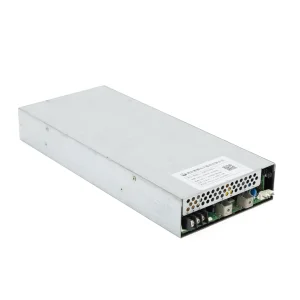
Silicon Carbide (SiC) technology is becoming the standard for bidirectional converters, offering efficiency rates over 97% and significant reduction in thermal footprint.
AI-driven algorithms now manage group charging stations to ensure the grid is never overloaded while optimizing charging speeds for each connected vehicle.
Direct DC coupling between solar arrays and bidirectional chargers eliminates conversion losses, creating highly efficient local microgrids.
Conversion Efficiency
Max Output Power
Countries Exported
Protection Grade
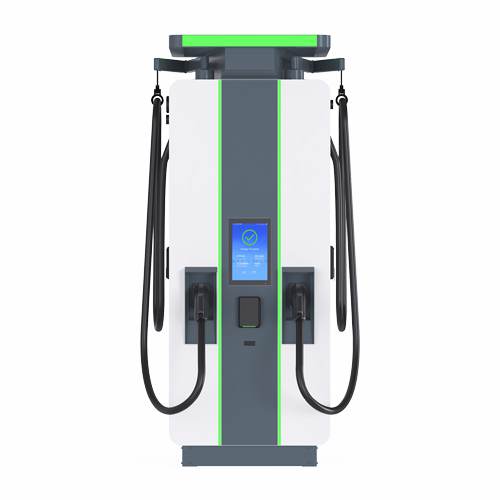
Large manufacturing plants utilize bidirectional DC chargers to manage peak shaving, discharging stored EV energy to the plant during expensive peak utility hours, significantly reducing operational electricity costs.
Electric bus depots and courier fleets are the primary adopters of multi-port bidirectional systems. By coordinating discharge schedules, fleet managers generate revenue by providing grid stabilization services to utility companies.
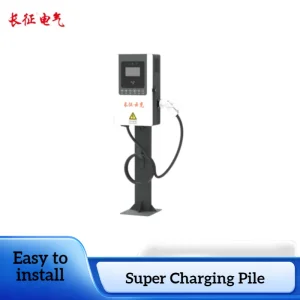
Modern office buildings and shopping centers use wall-mounted and ground-mounted bidirectional units to enhance their "Green Building" certifications (like LEED), providing tenants with smart energy options.
Shenzhen Vernon Charger Co., Ltd. is a pioneering manufacturer specializing in portable, wall-mounted, and ground-mounted DC EV chargers, providing comprehensive solutions for smart group charging, fleets, and public applications. The company focuses on delivering efficient, reliable, and intelligent charging systems designed to meet the diverse needs of residential, commercial, and industrial customers.
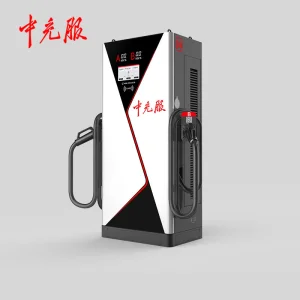
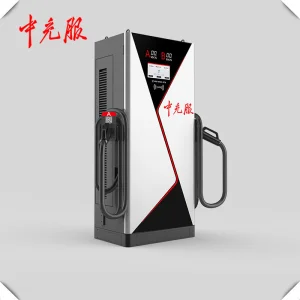
Vernon Charger’s product portfolio includes high-power DC fast chargers, portable charging units, wall-mounted and ground-mounted stations, and flexible group charging solutions. Each product incorporates advanced features such as intelligent power management, real-time monitoring, remote control, and energy optimization, ensuring safe, efficient, and user-friendly operation across multiple scenarios.
The company is committed to innovation and sustainability, integrating its DC charging systems with renewable energy sources and smart grid technologies. This enables optimized load balancing, reduced operational costs, and enhanced energy efficiency for fleet operators, public charging networks, and private users alike.
With rigorous adherence to international safety and quality standards, Shenzhen Vernon Charger Co., Ltd. has established itself as a trusted partner in the EV charging industry. By providing cutting-edge DC EV charging solutions, the company empowers clients to adopt cleaner transportation, improve operational efficiency, and contribute to a sustainable energy future.
Based in Shenzhen, the heart of China's electronics innovation, our factory leverages a world-class supply chain to ensure high-quality components and competitive pricing.
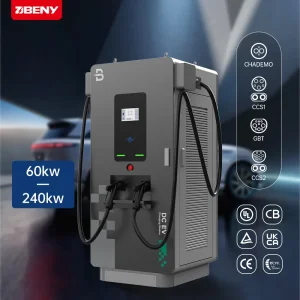
Our systems support CCS1, CCS2, CHAdeMO, and GB/T standards, with full CE, RoHS, and UL-ready certifications for international markets.
From custom branding and color schemes to specialized software protocols (OCPP 1.6/2.0), we tailor our products to meet specific regional requirements.
When sourcing Bidirectional DC Charging Systems, global importers and EPC (Engineering, Procurement, and Construction) companies prioritize four key factors:
 Vernon Charger