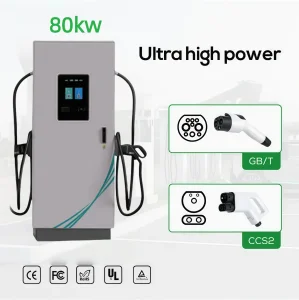
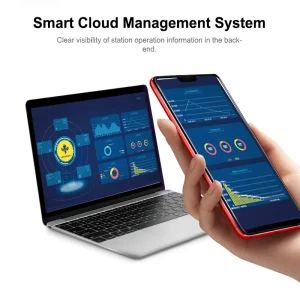
Industrial Technical Whitepaper

OEM/ODM Remote Monitoring for Charging Stations Factories & Suppliers

Architectural Frameworks, Edge Telemetry, OCPP 2.0.1 Cloud Systems, and Scalable Hardware-to-Software Solutions for Global EV Infrastructure Manufacturers

Core OEM/ODM Hardware & Integrated Charging Equipment

Explore our production-ready high-power DC fast charging piles, IoT energy hubs, smart BMS modules, and precision sensors designed for white-label manufacturing and telemetry system integration.
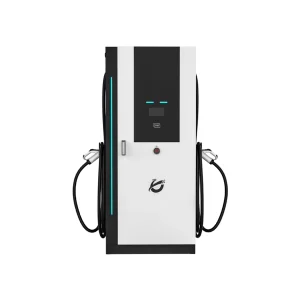
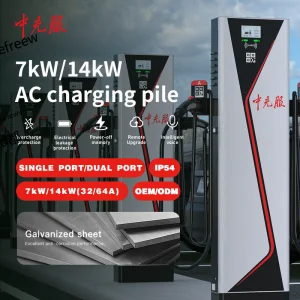
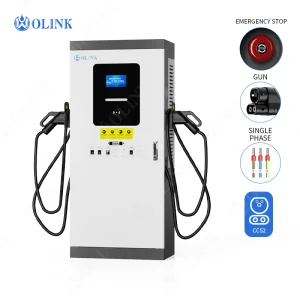
Public EV Charging Station with POS & Remote Monitoring 160kw Charger
View Specifications
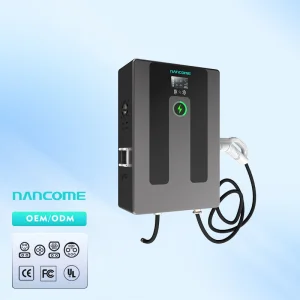
Advanced Electric Car Charger for All Charging Needs
View Specifications
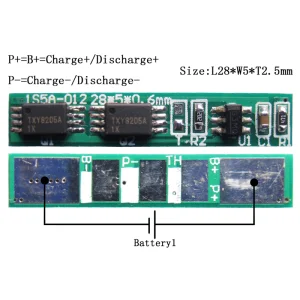
Smart Battery Management System 1s 5A BMS
Smart Battery Management System 1s 5A BMS with Can RS485 Bl for Li Ion LiFePO4 Battery
View Specifications
EV Car Charger DC Charging Station
EV Car Charger DC Charging Station for Electric Vehicle Fast Charging Solutions
View Specifications
Ultimate Multi-Port Electric Charging Hub
Ultimate Multi-Port Electric Charging Hub for Quick Charging
View Specifications
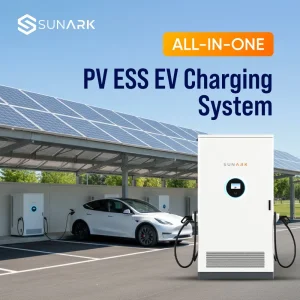
Solar Powered DC Fast EV Charger
Solar Powered DC Fast EV Charger 40kw Upgraded to 100kw DC EV Charger
View Specifications
Hall Effect Current Sensor
HK3V 100 H20 DC 50a 100A Split Core Open-Loop Toroidal Hall Effect Current Sensor
View Specifications
600kw DC EV Charging Station Liquid Cooling
Commercial Public Parking Lot 600kw DC EV Liquid Cooling Split Charging Station
View Specifications
Executive Strategic Analysis

The Paradigm Shift: From Standalone Piles to Software-Defined Energy Nodes

The global electric vehicle infrastructure industry is undergoing a monumental transition. Raw hardware capability (kilowatt density) is no longer a standalone differentiator for EV charging station factories and OEM/ODM suppliers. True market leadership requires real-time telemetry, predictive diagnostics, grid interoperability, and automated uptime management.

Operational Uptime Imperative

Global regulatory standards (such as US NEVI compliance requiring 97% operational uptime) demand continuous telemetry monitoring. Chargers without real-time fault reporting face substantial regulatory penalties and operator churn.

Predictive OPEX Reduction

Unscheduled truck rolls for site maintenance account for up to 60% of Charge Point Operator (CPO) operational expenditures. Edge-enabled remote monitoring isolates errors to specific PCB components prior to dispatch.

Grid-Aware Dynamic Dispatch

Modern charging hubs operate as active grid nodes. Integration with microgrids, solar PV arrays, energy storage systems (ESS), and dynamic tariff engines requires bidirectional API synchronization.

99.9%
Target Operational Uptime
< 50ms
Edge Telemetry Latency
45%
Reduction in Field Service Costs
100%
OCPP 1.6J / 2.0.1 Security Compliance
Hardware-to-Cloud System Architecture

Deep-Dive Engineering Framework for OEM Telemetry Systems

A complete OEM remote monitoring deployment requires multi-layer integration—from board-level microcontrollers and precision sensors to secure cellular gateways and cloud analytics microservices.

01
Sensing Layer

Split-Core Hall Effect current sensors, thermal thermocouples, insulation monitoring devices (IMD), liquid cooling flow meters.

02
Edge Controller

Industrial ARM Cortex/ESP32 MCUs running RTOS, reading CAN Bus 2.0B, Modbus RS485, and handling local fault detection.

03
IoT Gateway

Multi-band 4G/5G LTE, Wi-Fi 6, Gigabit Ethernet hardware modules running MQTT over TLS 1.3 encryption.

04
OCPP Core Engine

State machine managing OCPP 1.6J/2.0.1 messaging protocols, transaction authorization, and ISO 15118 Plug & Charge.

05
Cloud SaaS Platform

Kubernetes microservices, time-series telemetry databases (InfluxDB/Timescale), and AI predictive maintenance engines.

Subsystem Layer Hardware / Protocol Standard OEM Customization Capability Monitoring Vector
Power Conversion Stage High-Frequency Silicon Carbide (SiC) MOSFET Rectifiers Voltage/Current control loops, thermal throttling parameters Efficiency %, AC/DC THD, Junction Temperature
Liquid Cooling Controller PWM Pump Control, Glycol Pressure Transducers Target Delta-T algorithms, leak detection thresholds Coolant Flow Rate (L/min), Fluid Temp, Line Pressure
Payment & HMI Core EMV/POS Terminals, ISO 14443 RFID, 7"-15" TFT Touchscreen Custom UI/UX branding, multilingual localized payment APIs Transaction latency, Card Reader status, Touch screen health
Grid Interoperability OpenADR 2.0b, IEEE 2030.5, Modbus TCP Peak shaving profiles, V2G bi-directional dispatch rules Transformer load headroom, Reactive Power (kVAR)
Engineering Information Gain

Advanced Diagnostics: Resolving Critical Charging Field Failures

Generic monitoring platforms only detect when a station is online or offline. A robust OEM/ODM remote monitoring system designed by charging station factories tracks deep physical and electronic telemetry to prevent catastrophic hardware failures.

1. Thermal Runaway & Connector Degradation

High-power DC charging (150kW to 600kW) delivers up to 500A continuously. Contact resistance at the CCS1/CCS2 plug pins increases over time due to wear and oxidation.

  • Dual-PT100/PT1000 sensor integration inside DC gun pins
  • Automated power throttling when pin temperature exceeds 85°C
  • Predictive alert generation prior to terminal melt down

2. Ground Isolation Fault Tracking

Moisture ingress, insulation breakdown, or damaged cables cause high-voltage leakage to chassis ground, creating safety hazards and station trips.

  • Real-time DC insulation monitoring (kΩ resistance tracking)
  • Pre-charge insulation checks before contactors latch
  • Automated ground fault location diagnostics

3. Smart FOTA & Bricking Protection

Deploying firmware updates across thousands of remote stations carries risk of power loss mid-write, resulting in unbootable (bricked) hardware.

  • Dual-bank flash memory architecture with automated rollback
  • Cryptographic signature verification (RSA-2048 / SHA-256)
  • Delta-patch update capability over low-bandwidth cellular networks
Compliance & Cybersecurity Architecture

Global Market Access: Security Protocols & Regional Standards

Exporting EV charging infrastructure requires compliance with strict regional telemetry, security, and grid-connection mandates across North America, Europe, Asia, and Latin America.

European Union

CE, MID & RED Compliance

Requires MID-certified energy meters with tamper-proof telemetry signed logs for legal-for-trade public billing, alongside Radio Equipment Directive (RED) cybersecurity compliance.

North America

UL 2202, UL 2594 & NEVI

Mandates standardized telemetry integration with National Electric Vehicle Infrastructure (NEVI) software standards, ISO 15118 Plug & Charge, and strict OCCP 2.0.1 security profiles.

Global Cyber Standard

IEC 62443 & ISO 27001

Ensures robust industrial cybersecurity for charging hardware. Includes TLS 1.3 encrypted tunnel transport, hardware Secure Elements (TPM 2.0), and zero-trust identity management.

OEM/ODM Service Integration

Tailored Manufacturing & Turnkey Telematics Integration

Whether you are an established energy enterprise, a regional CPO, or a fleet management operator, our OEM/ODM manufacturing capability bridges physical power electronics with bespoke digital platforms.

1. Custom PCB & Firmware Design

Tailor-made mainboards, display controller interfaces, and embedded telemetry stacks configured to run your proprietary cloud software natively.

2. White-Label Cloud Management

Complete tenant management dashboards, mobile apps (iOS/Android), and open API gateways branded with your corporate identity.

3. Modular Power Enclosures

Industrial NEMA 3R / IP54 / IP65 enclosures supporting AC 7kW-22kW wallboxes up to mega-watt level liquid-cooled DC fast split cabinets.

Advanced Fast Charging Stations & Microgrid Components

Discover our extended line of CE-certified commercial wallboxes, high-voltage solar hybrid inverters, V2G fast chargers, and commercial fleet charging infrastructure.
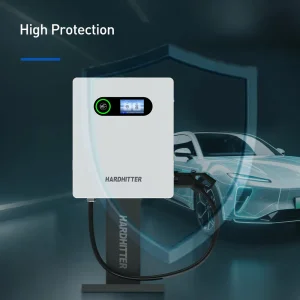
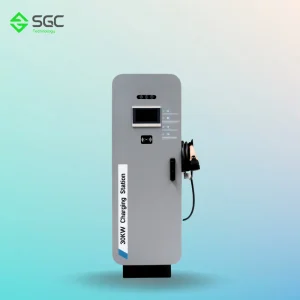
40kw DC Quick Electric Car Chargers CCS2 Single Gun
40kw DC Quick Electric Car Chargers CCS2 Single Gun Public Wallbox Station
View Specifications
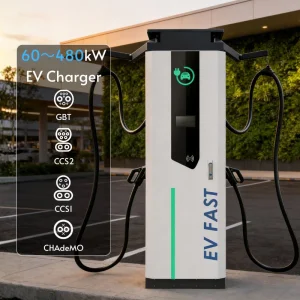
Cloud Monitoring 20kw/30kw/40kw DC Fast EV Charger
Cloud Monitoring 20kw/30kw/40kw DC Fast EV Car Charger with CE Certification
View Specifications
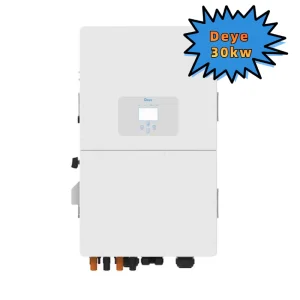
Deye Hybrid Solar Inverter High Voltage Battery
Deye Hybrid Solar Inverter High Voltage Battery for Home Use Solar Energy System
View Specifications
Wholesale CE Certified 100kw to 120kw Fast DC EV V2g Charger
Wholesale CE Certified 100kw to 120kw Fast DC EV V2G Charger with Cloud Monitoring
View Specifications
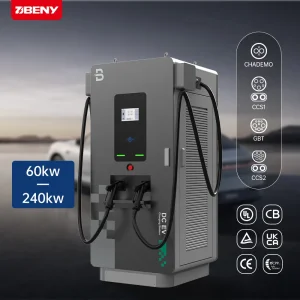
Beny High Quality 60kw 80kw 120kw 150kw Commercial DC EV Charger
Beny Commercial DC EV Charger 60kw-150kw CCS1 CCS2 CHAdeMO Dual Gun Station
View Specifications
Swg5 EV Charger 22kw DC Intelligent Display
Swg5 EV Charger 22kw DC - Intelligent 4.3-Inch Display with OCPP Remote Control
View Specifications
Guhe 80kw CCS2 CCS1 DC Fast Fleet Car Charging Station
Guhe 80kw CCS2 CCS1 DC Fast Fleet Car Charging Station Mobile EV Solutions
View Specifications
Fleet-Friendly DC Charging Station 60kw 180kw Dual Gun
Fleet-Friendly DC Charging Station 60kw 180kw Dual Gun Commercial Use
View Specifications
Premier OEM/ODM Partner

Shenzhen Vernon Charger Co., Ltd.

Shenzhen Vernon Charger Co., Ltd. is a pioneering manufacturer specializing in portable, wall-mounted, and ground-mounted DC EV chargers, providing comprehensive solutions for smart group charging, fleets, and public applications. The company focuses on delivering efficient, reliable, and intelligent charging systems designed to meet the diverse needs of residential, commercial, and industrial customers.

Vernon Charger’s product portfolio includes high-power DC fast chargers, portable charging units, wall-mounted and ground-mounted stations, and flexible group charging solutions. Each product incorporates advanced features such as intelligent power management, real-time monitoring, remote control, and energy optimization, ensuring safe, efficient, and user-friendly operation across multiple scenarios.

The company is committed to innovation and sustainability, integrating its DC charging systems with renewable energy sources and smart grid technologies. This enables optimized load balancing, reduced operational costs, and enhanced energy efficiency for fleet operators, public charging networks, and private users alike.

With rigorous adherence to international safety and quality standards, Shenzhen Vernon Charger Co., Ltd. has established itself as a trusted partner in the EV charging industry. By providing cutting-edge DC EV charging solutions, the company empowers clients to adopt cleaner transportation, improve operational efficiency, and contribute to a sustainable energy future.
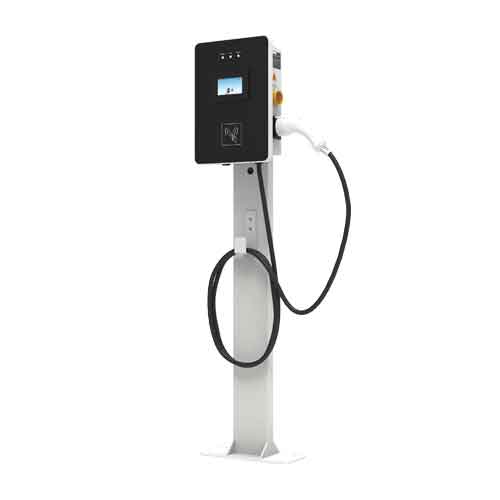
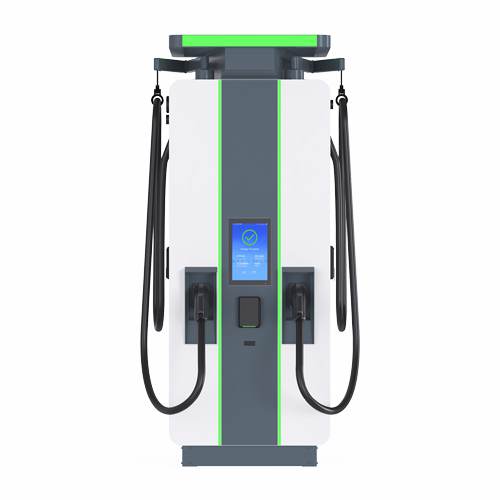
Engineering Horizon

Technology Roadmap: Next-Gen Remote Telemetry & AI Integration

Looking ahead to 2030, charging station telemetry is evolving from passive monitoring to autonomous self-healing microgrid nodes.

V2G & Bidirectional Telemetry

Integration of ISO 15118-20 standards allowing cloud platforms to dynamically aggregate connected EV battery capacity as Virtual Power Plants (VPPs) for frequency regulation.

AI-Driven Battery SOH Diagnostics

By analyzing micro-fluctuations in high-frequency DC voltage ripple and impedance during fast charging, edge modules compute EV State of Health (SOH) without invasive battery teardowns.

Autonomous Self-Healing Firmware

Edge telemetry systems equipped with local machine learning models that can automatically isolate faulty power modules, dynamically re-route CAN bus traffic, and recover system operations autonomously.

Technical Help Center

Frequently Asked Questions (FAQ) for OEM/ODM Remote Monitoring

Detailed answers to technical questions commonly asked by EV charging station factories, solution architects, and engineering buyers.

Q1: What protocols are supported by your OEM remote monitoring controller boards?
Our OEM hardware supports native OCPP 1.6J and OCPP 2.0.1 Json protocols over WebSockets. For internal module communication, the boards utilize CAN Bus 2.0B for power rectifiers and cooling modules, Modbus RS485 for MID energy meters/sensors, and MQTT/HTTPS for cloud telemetry synchronization.
Q2: How does the system handle network offline conditions in remote locations?
Each controller features flash storage capacity (up to 32GB microSD or onboard eMMC) capable of storing offline transaction logs, power metrics, and error codes for up to 180 days. Once connectivity (4G/5G/Ethernet) is restored, the edge gateway auto-resynchronizes data with the cloud server via compressed MQTT packets without packet loss.
Q3: Can Shenzhen Vernon Charger integrate our proprietary cloud platform into white-label hardware?
Yes. We specialize in ODM hardware customization. Our engineering team can flash your custom firmware, pre-configure your company’s server endpoints/domain URLs, and integrate custom security encryption keys directly during the factory automated assembly and testing phase.
Q4: What current sensors are used to monitor high-power DC charging output accuracy?
We integrate precision split-core open-loop Toroidal Hall Effect current sensors (such as the HK3V 100 H20 series) and shunt resistors. These provide isolated DC current measurements from 50A to 1000A with accuracy tolerances within ±0.5%, meeting legal-for-trade billing requirements globally.
Q5: How does remote thermal management work in high-power DC liquid-cooled chargers?
The monitoring controller reads thermal sensors placed inside the power modules, liquid coolant reservoirs, distribution buses, and charging connector pins. If temperature thresholds are approached, the system dynamically adjusts the PWM pump speed, controls cooling fans, or scales back maximum charging amperage to protect system longevity while remaining online.
Q6: Is ISO 15118 Plug & Charge supported out of the box for remote authorization?
Yes, our advanced DC charging controllers support ISO 15118-2 and ISO 15118-20. This allows automated vehicle identification, PKI (Public Key Infrastructure) certificate exchange, dynamic contract validation, and instant billing without requiring manual RFID tapping or mobile app initiation.
Q7: What cybersecurity standards are implemented to protect against remote hacking?
Our telemetry hardware implements IEC 62443-4-2 industrial cybersecurity standards. Features include hardware root-of-trust chips (TPM 2.0), encrypted bootloaders, TLS 1.3 encrypted data transmission, restricted local SSH access, and automated intrusion detection algorithms.
Q8: Can the remote monitoring software manage dynamic power sharing across multiple dispensers?
Yes. Our smart group charging controllers support Dynamic Power Allocation (DPA). The cloud or local master controller monitors total grid intake limits and dynamically redistributes available DC power kW in real-time based on connected vehicles' State of Charge (SOC), target battery temperature, and user service tier.
Q9: How are Firmware Over-The-Air (FOTA) updates executed safely?
FOTA updates utilize dual-partition bootloader architecture. The new image is downloaded and verified via SHA-256 hash in a secondary memory bank. If verification passes, the system reboots into the new partition. If an anomaly occurs during boot up, the controller instantly triggers an automated hardware rollback to the last stable firmware version.
Q10: What is the typical lead time for custom OEM/ODM charger monitoring design projects?
Standard custom branding and parameter firmware customization take approximately 2–3 weeks. Full ODM development involving bespoke PCB layout, specialized enclosure engineering, and customized protocol integration typically spans 6–10 weeks from initial design lock to factory prototype validation.