Industrial Whitepaper & Global Sourcing Guide

Top China Level 3 Charging Stations Manufacturer & Suppliers

Premium High-Power Level 3 DC Fast Charging Equipment

Select high-voltage DC fast charging infrastructures engineered for fleet management, public transportation grids, and commercial microgrids.
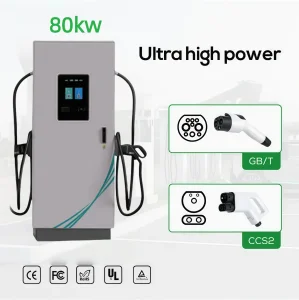
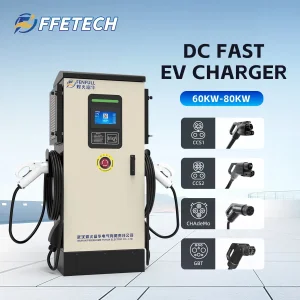
Guhe 80kw CCS2 CCS1 DC Fast Fleet Car Charging Station

Guhe 80kw CCS2 CCS1 DC Fast Fleet Car Charging Station Floor Mounted Mobile EV Charging Solutions Level 2 EV Charger Infrastructure

View Technical Specifications
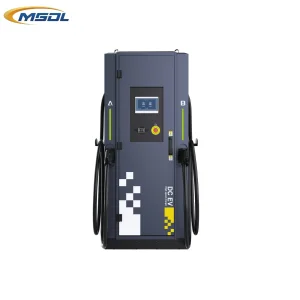
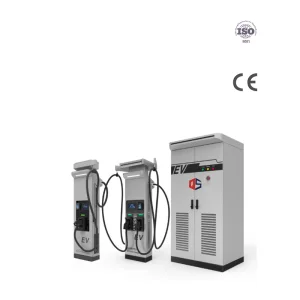
for Byd 5m Cable Length 40K-400kw DC Fast Charging Station

for Byd 5m Cable Length 40K-400kw DC Fast Charging Station

View Technical Specifications
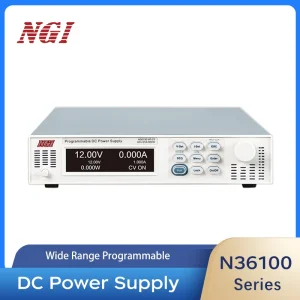
500W 40V 50A Industrial Grade DC Power Supply Unit

500W 40V 50A Industrial Grade DC Power Supply Unit N36150-40-50 for Manufacturing and Testing Equipment

View Technical Specifications
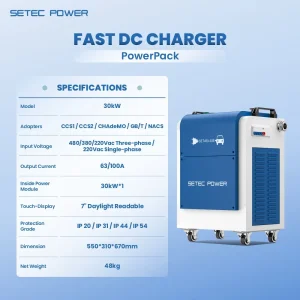
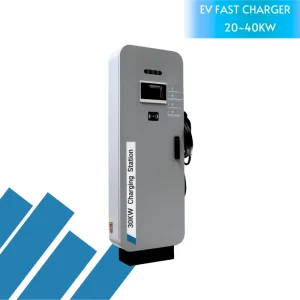
30kW Level 3 Portable Fast Dc Ev Charger

30kW Level 3 Portable Fast Dc Ev Charger Electric Vehicle Charging Station

View Technical Specifications
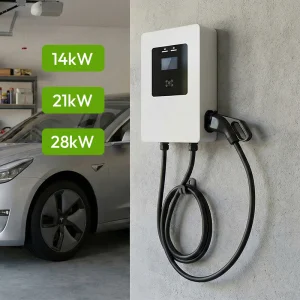
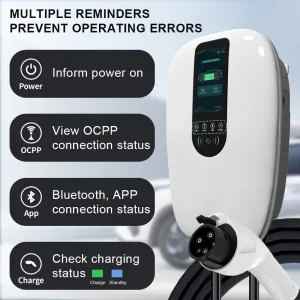
Level 2 14-28kw DC EV Charger CCS1 Nacs

Level 2 14-28kw DC EV Charger CCS1 Nacs Remote Monitoring Smart Fast Charger

View Technical Specifications
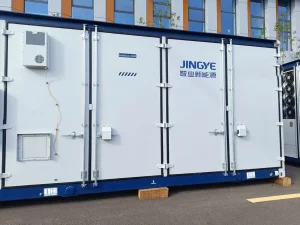
5.015mwh CE-Certified Liquid Cooling Solar Storage Unit

5.015mwh CE-Certified Liquid Cooling Solar Storage Unit

View Technical Specifications
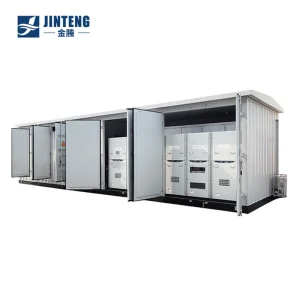
High and Low Voltage Transformer Unit

High and Low Voltage Transformer Unit Wind Power Distribution Energy Prefabricated Cabin

View Technical Specifications
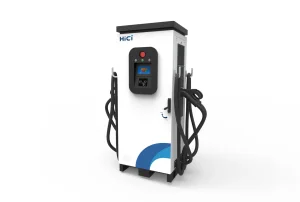
Byd Certified 20kw DC EV Charging Station

Byd Certified 20kw DC EV Charging Station Charger with CE and Cloud Monitoring for Commercial Applications

View Technical Specifications

Level 3 EV Charging Stations: The Global Megawatt Paradigm

Analysis of technology scaling, liquid cooling advancements, and utility grid compatibility.

The Acceleration Toward High-Power DC Infrastructure

The global transition to electric mobility has shifted from early-stage residential AC trickle charging to ultra-fast, Megawatt-level DC charging (Level 3 charging). As commercial vehicle fleets, long-haul logistics fleets, and urban transit systems scale up electrification efforts, the demand for charging systems that deliver high efficiency with minimal downtime has surged.

Level 3 charging systems, operating anywhere between 200V to 1000V DC, bypass the vehicle's onboard converter to supply electricity directly to the traction battery. Today, the industry standard is evolving from the typical 50kW–120kW stations to massive liquid-cooled modular platforms capable of supplying 350kW to 480kW per single output. This architectural shift significantly alleviates "charging anxiety" by reducing average passenger vehicle charge times to under 15 minutes, and heavy-duty logistics vehicles to under an hour.

Integrating wide-bandgap semiconductors, specifically Silicon Carbide (SiC) MOSFETs, into high-power charging modules has helped manufacturers achieve conversion efficiencies exceeding 96%. This technological advancement dramatically minimizes heat loss and reduces thermal management overhead.
Vernon Charger Factory Advanced DC Charging Systems
96.5%
Conversion Efficiency
Achieved via SiC Power Modules
< 15 Mins
Average Charge Time
From 10% to 80% SoC on 800V Architecture
OCPP 2.0.1
Protocol Standard
Fully compliant with smart grid integrations
IP65 / NEMA 4
Enclosure Protection
Engineered for extreme environmental conditions

Shenzhen Vernon Charger Co., Ltd.

A pioneering force in designing, engineering, and manufacturing smart industrial energy distribution architectures.
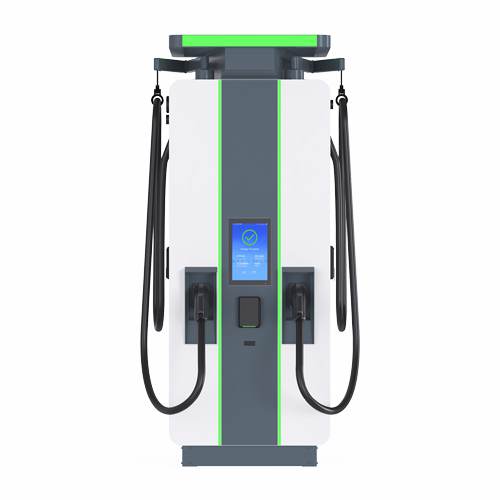
Vernon Advanced Assembly Line and Inspection Area

Shenzhen Vernon Charger Co., Ltd. is a pioneering manufacturer specializing in portable, wall-mounted, and ground-mounted DC EV chargers, providing comprehensive solutions for smart group charging, fleets, and public applications. The company focuses on delivering efficient, reliable, and intelligent charging systems designed to meet the diverse needs of residential, commercial, and industrial customers.

Vernon Charger’s product portfolio includes high-power DC fast chargers, portable charging units, wall-mounted and ground-mounted stations, and flexible group charging solutions. Each product incorporates advanced features such as intelligent power management, real-time monitoring, remote control, and energy optimization, ensuring safe, efficient, and user-friendly operation across multiple scenarios.

The company is committed to innovation and sustainability, integrating its DC charging systems with renewable energy sources and smart grid technologies. This enables optimized load balancing, reduced operational costs, and enhanced energy efficiency for fleet operators, public charging networks, and private users alike.

With rigorous adherence to international safety and quality standards, Shenzhen Vernon Charger Co., Ltd. has established itself as a trusted partner in the EV charging industry. By providing cutting-edge DC EV charging solutions, the company empowers clients to adopt cleaner transportation, improve operational efficiency, and contribute to a sustainable energy future.

Global Enterprise Procurement: Standards, Compliance, and Parameters

A complete checklist for procurement directors sourcing industrial-grade DC fast charging systems.

Sourcing high-power EV chargers for commercial applications requires careful analysis of compliance, thermal tolerances, communications protocols, and serviceability. Industrial buyers must evaluate the following variables when validating manufacturers:

  • Interoperability & Protocols: Dynamic OCPP 1.6J/2.0.1 compliance is essential. This allows seamless connection to third-party Charge Point Management Systems (CPMS) to manage payments, billing, and scheduling remotely.
  • Standards and Certifications: Level 3 equipment must meet regional grid codes and safety regulations. These include CE (EN 61851 series) for European markets, UL 2202 for North America, and IEC 61851 standards for global grid integration.
  • Hardware Protection: Outdoor deployments demand robust protection. IP65 or NEMA 4 ratings are required to prevent fine dust and high-pressure water jets from penetrating the housing. Additionally, IK10 impact protection prevents vandalism.
  • Intelligent Load Balancing: Dynamic load balancing (DLB) dynamically allocates power based on vehicle state of charge (SoC) and local transformer limits. This minimizes energy utility peak-shaving costs.

China Factory 4.0: Supply Chain Resiliency & Cost Efficiency

How vertically integrated manufacturing hubs deliver reliable performance at scale.

China's EV charging equipment sector has evolved into a highly integrated ecosystem. In Shenzhen, manufacturers leverage local raw material supply chains, specialized component suppliers, and automated assembly plants. This concentration enables Vernon Charger to quickly scale production while maintaining tight quality control.

Factory 4.0 principles, including robotic wire bonding, optical inspection systems (AOI) for PCBs, and automated burn-in testing, ensure high yield rates. By sourcing critical raw materials, sheet metal housings, power electronic controllers, and high-frequency transformers locally, Chinese factories can deliver high-power Level 3 systems with shorter lead times than international competitors.

Furthermore, Vernon’s vertical integration enables rapid customization of charger configurations. Whether buyers require dual-standard connectors (CCS1 and CCS2), high-capacity liquid cooling assemblies, or localized software integrations, our streamlined prototyping and production capabilities accelerate deployment.

Localized Application Scenarios

Tailoring high-voltage DC infrastructure to specific commercial and utility business models.

Commercial Fleet Hubs

Heavy-duty freight logistics, urban bus depots, and corporate fleets require high-voltage, scheduled power delivery. Our 120kW–400kW multi-port charging cabinets feature automated power scheduling to charge trucks sequentially overnight, reducing peak load surcharges.

Solar-Storage Microgrids

By pairing Vernon's high-capacity liquid-cooled battery storage systems with high-power DC chargers, off-grid and weak-grid installations can implement solar-to-battery EV charging, ensuring peak reliability without costly grid upgrades.

Public Ultra-Fast Corridors

Highway rest stops and urban public charging networks require high uptime and multi-protocol support. Our multi-platform compatible charging piles feature credit card terminals, RFID readers, and high-visibility status screens to maximize user convenience.

Frequently Asked Questions

Technical answers to key infrastructure and deployment inquiries.

What is the difference between Level 2 and Level 3 DC Fast Chargers?
Level 2 chargers operate on alternating current (AC) at lower voltages (typically 208-240V up to 22kW) and rely on the vehicle's onboard converter to rectify the current. Level 3 DC Fast Chargers bypass the onboard converter, supplying high-voltage direct current (DC) directly to the traction battery. Level 3 systems run at much higher voltages (200V–1000V DC) and outputs (up to 400kW+), drastically reducing charging times.
How does active liquid cooling improve Level 3 charging systems?
High-amperage charging (above 200A) generates significant heat in both the charging cable and the internal power modules. Active liquid cooling circulates a specialized cooling medium through the cable and connector pins, keeping temperatures within safe operating limits. This allows the system to deliver continuous high currents (up to 500A) without throttling, reducing charger footprint and cable weight.
Does Vernon Charger support OCPP integration with third-party software?
Yes, our chargers are fully compliant with Open Charge Point Protocol (OCPP) versions 1.6J and 2.0.1. This ensures full interoperability with any standard Charge Point Management System (CPMS) for remote diagnostics, billing, over-the-air (OTA) updates, and advanced fleet scheduling.
How does dynamic power sharing work in multi-port chargers?
Our multi-port DC chargers feature intelligent, software-driven power allocation. When multiple vehicles are connected, the system monitors their battery management system (BMS) requests and state of charge (SoC). It dynamically shifts internal power modules in 20kW or 30kW increments to deliver optimal power to each vehicle, maximizing station throughput.

Renewable Integration, Microgrids, and Charging Infrastructure

Additional commercial products, energy storage components, and industrial rectifiers.
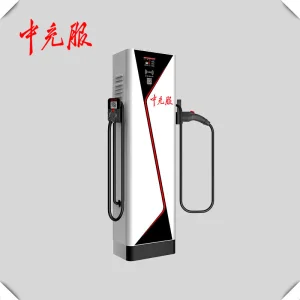
Zhongchongfu 14kw AC Charger

Zhongchongfu 14kw AC Charger Energy Conversion with Minimal Heat Loss Smooth Power Flow for Quick EV Battery Top up Shell with Durable Quality

View Technical Specifications
120kw DC Charging Station

120kw Multi-Platform Compatible DC Charging Station Car Charger Electric Car Charger for State Grid and Third-Party Networks

View Technical Specifications
Type 2 EV Charger 22kw

Type 2 EV Charger Station EV 22kw

View Technical Specifications
Multi-Port DC EV Charging Pile

Multi-Port DC EV Charging Pile for Simultaneous Charging

View Technical Specifications
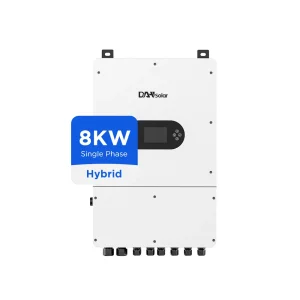
Dah Solar 8kw Hybrid Inverter

Dah Solar 8kw Hybrid Inverter Single Phase 8000W DC/AC Pure Sine Wave Inverters

View Technical Specifications
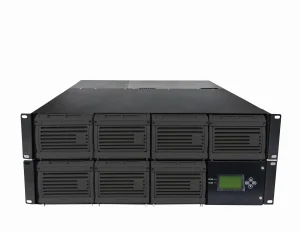
Telecom Rectifier System 5g Power Supply

Telecom Rectifier System 5g Communication Power Supply

View Technical Specifications
Versatile Multi-Port DC EV Charger

Versatile Multi-Port DC EV Charger for Electric Vehicles

View Technical Specifications
Solar Powered DC Fast EV Charger

Solar Powered DC Fast EV Charger 40kw Upgraded to 100kw DC EV Charger

View Technical Specifications