Top China Intelligent Charging Systems Manufacturer & Supplier

Innovative B2B Smart Charging & DC EV Infrastructure Solutions for Global Industrial Markets

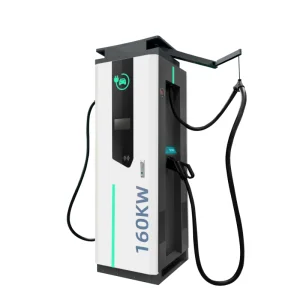
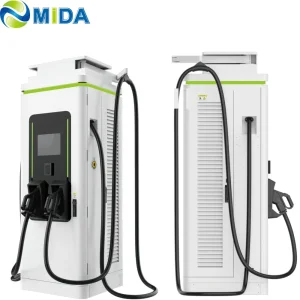
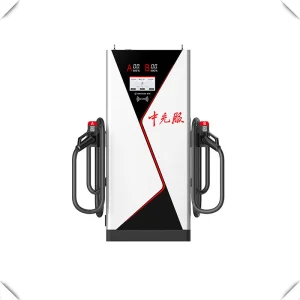
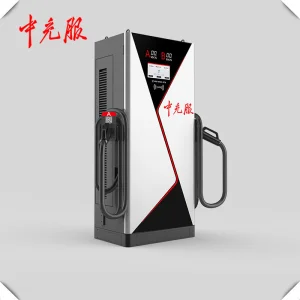
Featured Intelligent Charging Systems

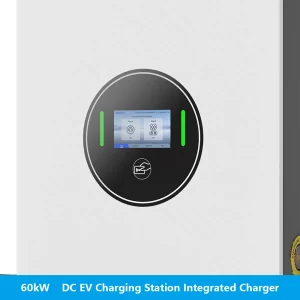
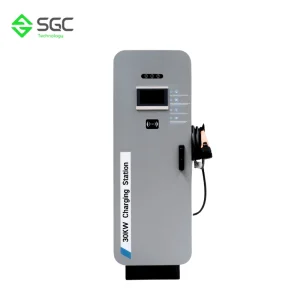
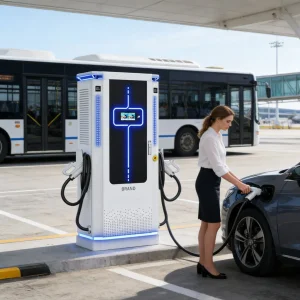
Explore our highly integrated, high-efficiency EV charging hardware designed for commercial enterprises, utility operators, and smart cities.
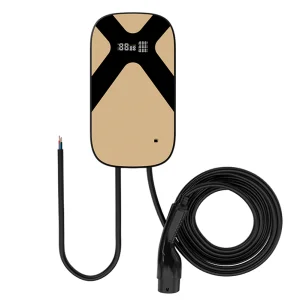
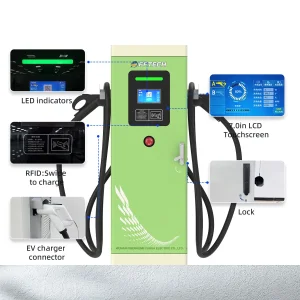
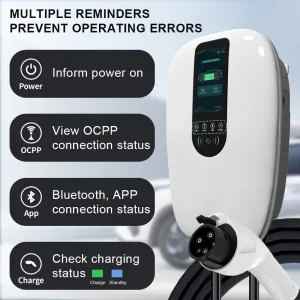
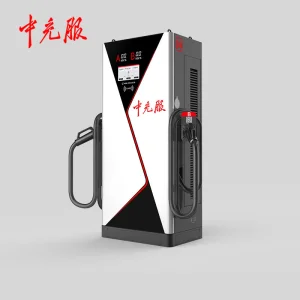
Car Charger for Home Use EV Fast Charging

Which Car Charger to Buy for in-Car Home Use, EV Fast Charging or Multi-Port?

Learn More
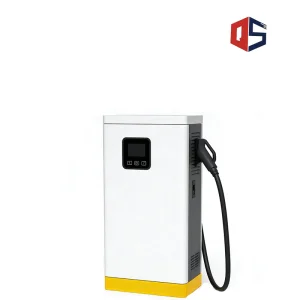
EV Charging Station Super Charger OEM

EV Charging Station Super Charger OEM

Learn More
80 Kw DC EV Charger

80 Kw DC EV Charger for Public Parking – Made in China

Learn More
Smart Monitoring System DC EV Fast Charger 20kw-40kw

Smart Monitoring System DC EV Fast Power Charger 20kw-40kw with 7-Inch LCD, Ensuring Optimal Performance and Reliability

Learn More
Professional EV Charger OCPP CE Approved

Professional EV Charger Ocpp CE Approved 40kw 60kw 80kw 120kw 160kw 200kw 240kw EV Charging Station

Learn More
Type 2 EV Charger Station 22kw

Type 2 EV Charger Station EV 22kw

Learn More
Commercial DC Solar EV Charger

Sgc OEM ODM 120kw 160kw Commercial DC Solar EV Charger for Fleet Operator and Public Charging Stations IP55 CCS2 Gbt

Learn More
150kw Integrated DC Charging Station

150kw Integrated DC Charging Station with 2 Connectors IP54 CCS1 CCS2 Gbt Chademo Standard

Learn More

Global Standard Charging Solutions By Shenzhen Vernon Charger

Shenzhen Vernon Charger Co., Ltd. is a pioneering manufacturer specializing in portable, wall-mounted, and ground-mounted DC EV chargers, providing comprehensive solutions for smart group charging, fleets, and public applications. The company focuses on delivering efficient, reliable, and intelligent charging systems designed to meet the diverse needs of residential, commercial, and industrial customers.

Vernon Charger’s product portfolio includes high-power DC fast chargers, portable charging units, wall-mounted and ground-mounted stations, and flexible group charging solutions. Each product incorporates advanced features such as intelligent power management, real-time monitoring, remote control, and energy optimization, ensuring safe, efficient, and user-friendly operation across multiple scenarios.
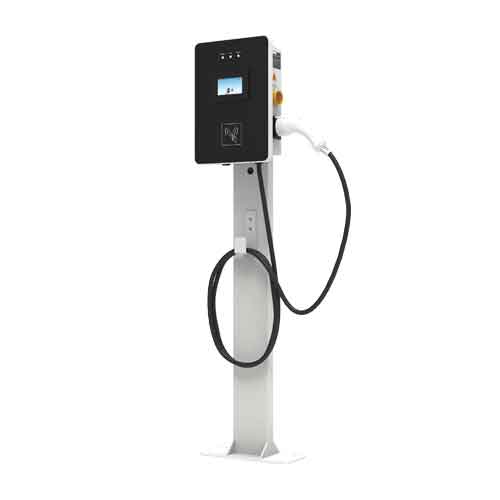
Vernon Charger Smart Factory Production line

With rigorous adherence to international safety and quality standards, Shenzhen Vernon Charger Co., Ltd. has established itself as a trusted partner in the EV charging industry. By providing cutting-edge DC EV charging solutions, the company empowers clients to adopt cleaner transportation, improve operational efficiency, and contribute to a sustainable energy future.
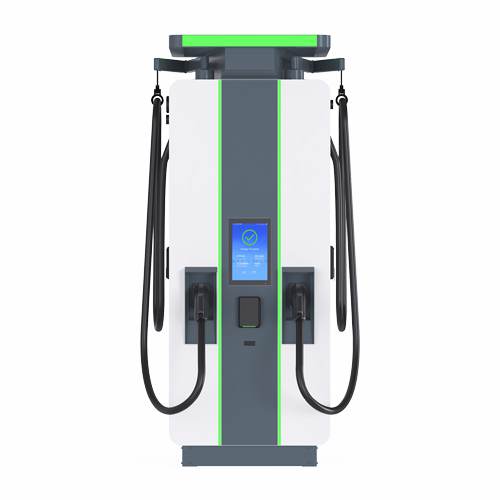
High power DC Fast EV Chargers testing site

Renewable Energy & Smart Grid Integration

The company is committed to innovation and sustainability, integrating its DC charging systems with renewable energy sources and smart grid technologies. This enables optimized load balancing, reduced operational costs, and enhanced energy efficiency for fleet operators, public charging networks, and private users alike.

By using custom microgrid communication modules, Vernon systems dynamically adjust grid loads, shifting high-energy demands during peak hours to preserve localized grid stability while maximizing energy output.

Global Industrial & Commercial Charging Outlook

Understanding the complex structural changes, energy balancing demands, and technical advancements in high-voltage charging networks.

Grid Capacity Constraints

As fast-charging demands scale, commercial fleets are hitting grid capacity limits. Modern systems require integrated software that dynamically allocates load across active ports without exceeding grid limits.

OCPP 2.0.1 Evolution

Transitioning to Open Charge Point Protocol (OCPP) 2.0.1 allows enhanced device monitoring, diagnostic detail, and upgraded cybersecurity standards crucial for critical infrastructure operations.

Vehicle-to-Grid (V2G)

V2G and bidirectional charging turn modern vehicle fleets into decentralized energy storage systems, feeding power back into local distribution lines during peak pricing windows.

The global shift toward heavy electrification in logistic corridors, municipal transit networks, and commercial real estate requires a paradigm shift in charging design. Rather than relying on simple stand-alone chargers, current enterprises are implementing cohesive smart group charging networks. These systems feature central distribution cabinets coupled with lightweight, satellite charging dispensers. This modular infrastructure lowers structural installation footprints while drastically reducing the Levelized Cost of Charging (LCOC).

Additionally, with vehicle manufacturers moving toward 800V and 1000V architectures to facilitate Ultra-Fast Charging (UFC), next-generation hardware must handle elevated thermal outputs. Consequently, liquid-cooled cables and power module heat exchangers are becoming standard components in high-voltage DC installations, permitting continuous delivery of up to 400 kW per dispenser.

98.6% Power Module Efficiency
1000V Max Operating Voltage
OCPP 2.0 Certified Compliance
<0.5s Dynamic Load Response

China's EVSE Production & Supply Chain Ecosystem

How deep supply chain vertical integration and centralized manufacturing power cost-efficient, high-reliability charging infrastructure.

China is the global leader in EV Charging Station (EVSE) production, powered by a mature industrial ecosystem in manufacturing hubs like Shenzhen. This concentrated supply chain offers foreign buyers several critical advantages:

  • Vertical Integration of Core Subcomponents: By sourcing core elements—such as power conversion modules, control boards, metering blocks, and cable couplers—from localized, high-capacity factories, Chinese manufacturers eliminate international shipping lags and reduce manufacturing overhead.
  • Accelerated Prototype and Customization (OEM/ODM): Designers can modify sheet-metal layouts, PCB firmware, and UI software rapidly, completing physical design-to-production cycles in weeks compared to months in other regions.
  • High-volume Quality Control and Testing: Mass-production runs support major investments in automated testing benches, full-load burn-in chambers, and advanced electromagnetic compatibility (EMC) testing rigs, ensuring reliability at scale.

For procurement professionals, this means acquiring CE, TÜV, and UL-compliant equipment at lower capital costs, allowing operators to deploy larger networks while maintaining high reliability.

Key Supply Chain Advantages

Raw Material Security: Direct partnerships with domestic lithium, copper, and specialized resin suppliers guarantee stable material inputs during volatile market phases.

Lower Capital Expenses (CAPEX): Optimized manufacturing layouts deliver up to a 40% reduction in equipment purchase costs relative to North American or European assemblies.

Stringent Verification: Extensive stress-testing regimes covering IP55/IP65 ratings, IK10 mechanical impact protection, and electrical surge suppression safeguard performance in harsh conditions.

Targeted Engineering Solutions for Global Markets

Custom charging designs built for distinct site conditions and operational needs.

Fleet Logistics Hubs

High-capacity depot charging demands rapid turnaround. Our dynamic power sharing allocation feeds maximum output to empty vehicles and scales back power as batteries reach top charge, optimizing depot energy efficiency.

Highway Corridor Stations

Ultra-fast DC dispensers paired with cooling blocks handle back-to-back charging cycles, reducing driver wait times and keeping regional transport lanes flowing smoothly.

Commercial Real Estate

Smart wall-mounted chargers with integrated payment portals, RFID authentication, and back-end reporting platforms allow retail property owners to monetize parking assets easily.

Future Technology Shifts in EVSE

As the EV ecosystem matures, three key technological shifts are transforming infrastructure design:

1. Megawatt Charging Systems (MCS): Specifically engineered for commercial trucking, maritime, and aerospace projects, MCS hardware can deliver over 1,000V and 3,000A, demanding robust liquid-cooled connections and automated plugging designs.

2. AI-Driven Smart Load Management: Instead of relying on static, rules-based power sharing, next-generation charging platforms use machine learning. These systems analyze historical grid tariffs, weather forecasts, and fleet route schedules to balance local power distribution dynamically.

3. Advanced Interoperability Standards: Global markets demand seamless integration between chargers, vehicles, and billing networks. Full compliance with ISO 15118 supports secure "Plug and Charge" authentication, encrypting payments directly from the vehicle.

Enterprise Procurement Checkpoints

For B2B buyers, purchasing regional infrastructure is a long-term investment. Key evaluation criteria should include:

  • Thermal Derating Thresholds: Confirm the system can operate at full capacity in high ambient temperatures without premature power reduction.
  • Compliance & Interoperability: Require official test reports confirming compliance with regional standards (CE, UL, KC, SAA) alongside full OCPP interoperability verification.
  • Modular Maintenance Architecture: Choose systems featuring hot-swappable power modules. This allows maintenance crews to replace modules without taking the entire charging station offline.

Technical Architecture & Engineering FAQ

Deep answers to technical integration, operations, and deployment questions.

Q1: What are the primary advantages of dynamic power allocation compared to static charging networks?
Dynamic power allocation systems analyze battery state of charge (SoC) in real time. Instead of splitting a 120kW system into static 60kW ports, the charger can direct 90kW to an empty battery and 30kW to a near-full one. This optimization reduces total vehicle charging time, improves energy throughput, and prevents grid demand peaks.
Q2: How does Shenzhen Vernon Charger ensure hardware reliability in high-temperature or coastal environments?
Our outdoor chargers feature an IP55 or IP65 protection rating with double-layer metal enclosures, anti-corrosion primers, and outdoor-rated powder coatings. Internal air ducts isolate critical electronics from direct outside air, protecting PCBs and power modules from salt spray, humidity, and fine dust.
Q3: What safety protocols protect high-voltage charging installations?
Our systems include extensive protection measures: over-voltage and under-voltage cut-offs, over-current limits, short-circuit isolation, leakage protection (AC Type A + DC 6mA), ground-fault monitoring, lightning surge protection, emergency stop triggers, and temperature sensors embedded in the power connections.
Q4: Can these systems connect directly to local solar arrays and energy storage systems (BESS)?
Yes. Our smart solar DC chargers integrate with hybrid solar and storage setups. They communicate using Modbus TCP/IP or OCPP to manage power flows, charging vehicles directly from solar arrays or local battery storage to reduce reliance on the utility grid.
Q5: Why is OCPP 1.6J or 2.0.1 compliance essential for commercial network operations?
OCPP compliance prevents vendor lock-in. It allows operators to connect chargers to any compatible back-end management system (CPMS) to manage payments, monitor diagnostic alerts, update firmware remotely, and coordinate smart charging profiles across different hardware manufacturers.
Q6: How do modular DC power converters lower maintenance and downtime costs?
In monolithic charging systems, a component failure can disable the entire charger. Modular systems use multiple independent power modules. If one module fails, the charger continues running at reduced power. Technicians can replace the faulty module quickly, minimizing station downtime and maintenance costs.

Advanced EVSE Solutions Portfolios

Robust commercial hardware and smart distribution networks for global infrastructure rollouts.
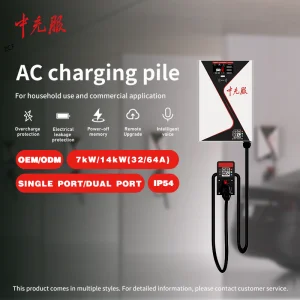
Speed Electric Car Charger 7kw 14kw

Speed Electric Car Charger 7kw/14kw for All Vehicle Types

Learn More
Commercial Public Parking Lot DC Charging Station

Hot Sale Commercial Public Parking Lot 320kw 360kw DC EV Electric Vehicle Car Charge Charging Station Charger

Learn More
Modular DC Charger Scalable Power Solution

Zhongchongfu Modular DC Charger Scalable Power Solution for EV Charging Networks with Flexible Configuration Easy Maintenance and High-Compatibility for Growing

Learn More
Energy Saving DC Charger

Zhongchongfu Energy-Saving DC Charger Low Standby Power Consumption EV Charging Station with Smart Energy Optimization System and Fast Charging Technology

Learn More
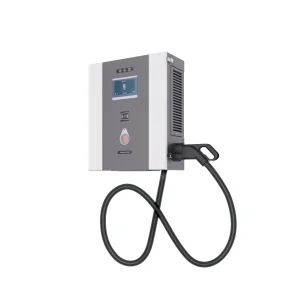
Compact DC Charger

Zhongchongfu Compact DC Charger Space-Efficient EV Charging Solution with Easy Wall-Mounted Installation Fast Charging Capability and Durable Weatherproof Shell

Learn More
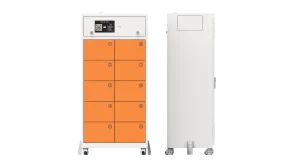
Modular Expandable Lithium Battery Cabinet

5 8 9 10 12 15 16 Unit Modular Expandable Lithium Battery Cabinet for Growing Electric Motorcycle Fleets

Learn More
120kw EV Charger CE Certified

120kw EV Charger CE Certified DC CCS1 CCS2 Chademo Chinese Supplier Two Connector Commercial Evse with Payment System

Learn More
Integrated EV Charging Network

Integrated EV Charging Network Solution Charger for Urban Applications

Learn More