An authoritative analysis of high-power DC distribution networks, grid integration, and dynamic load balancing for large-scale municipal transport operations.
Global decarbonization initiatives have accelerated the transition of municipal transportation networks from internal combustion engines to battery-electric propulsion. Unlike private passenger vehicles, which remain idle for up to 90% of the day, municipal and commercial electric buses demand near-continuous availability, rigorous schedules, and predictable, rapid turnaround times. This operational profile shifts the core challenge of fleet electrification away from vehicle manufacturing and directly onto the power distribution infrastructure.
Designing and deploying an electric bus charging depot requires addressing megawatt-level grid access, mitigating harmonic distortions, managing grid load balancing, and installing failsafe thermal dissipation systems. Shenzhen Vernon Charger Co., Ltd. stands at the forefront of this industrial transformation. As a specialized manufacturer of high-power, intelligent, and scalable charging systems, we deliver customizable OEM/ODM solutions tailored for global transit hubs, electric bus factories, and grid operators.
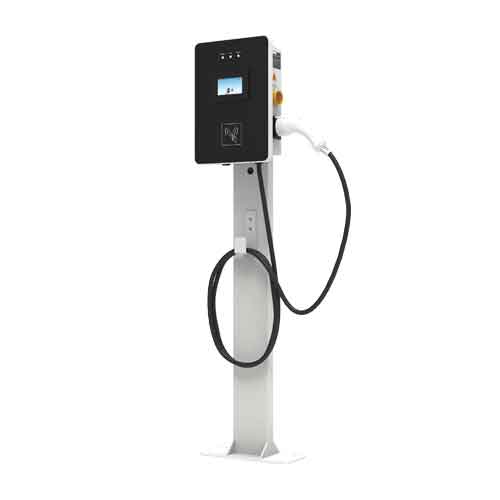
Customizable engineering architectures designed to integrate with municipal grids, regional safety standards, and proprietary fleet management systems.
Our OEM/ODM platforms leverage intelligent power management algorithms that allocate grid energy dynamically based on state-of-charge (SoC), arrival order, and departure timetables, reducing peak utility penalties.
Designed to support modern 800V and 1000V electric bus powertrains, minimizing distribution line losses, lowering operating temperatures, and accelerating replenishment phases to keep fleets moving.
Engineered with complete galvanic isolation, surge protection, dual leakage monitoring, and real-time insulation resistance tracking to safeguard high-capacity lithium battery packs during rapid charging cycles.
Why leading global transit developers source from Vernon Charger in Shenzhen, the global hub of electric mobility innovation.
China is home to the world's most mature electric vehicle supply chain, particularly for high-capacity public transit. Shenzhen, as the first global city to fully electrify its entire municipal bus and taxi fleet, serves as the ultimate real-world testbed. By partnering with a Shenzhen-based OEM/ODM infrastructure manufacturer like Shenzhen Vernon Charger Co., Ltd., global buyers unlock unprecedented manufacturing efficiencies:
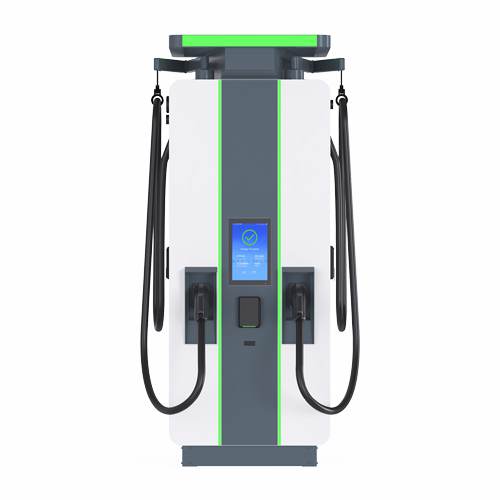
From centralized overnight depots to dynamic en-route opportunistic charging, our structural architectures ensure minimal fleet downtime.
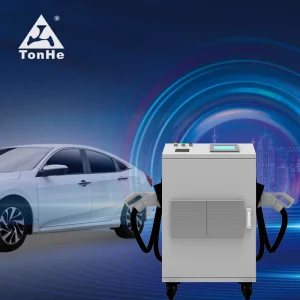
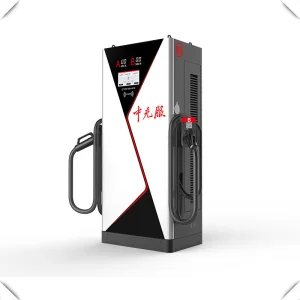
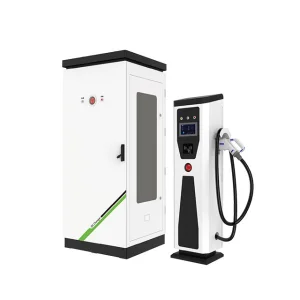
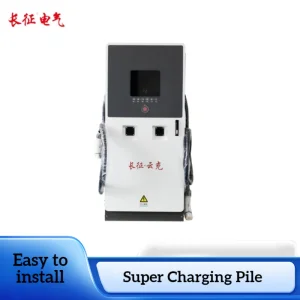
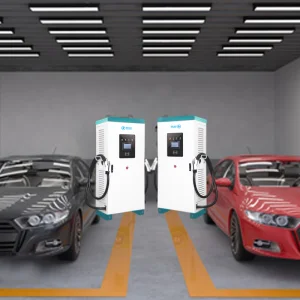
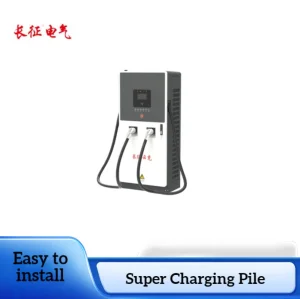
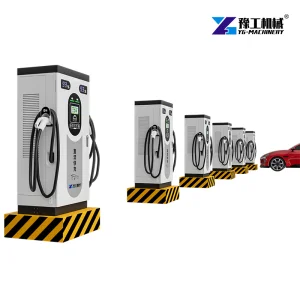
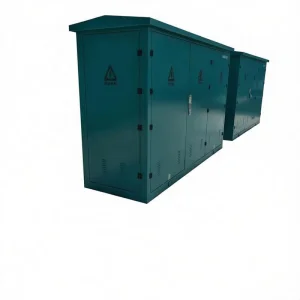
Utilizing high-power, group-charging architectures, Vernon Charger supplies modular power cabinets (360kW to 720kW) linked to sleek, space-saving wall-mounted and ground-mounted charging dispensers. Dynamic sequential charging allows transit agencies to hook up dozens of buses, charging them in batches overnight to minimize peak load surcharges.
For high-frequency urban lines requiring extended range without stopping service, we design ultra-fast charging setups capable of delivering up to 600kW through automated overhead pantographs or CCS2 high-current liquid-cooled connections. A quick 10-minute charge at terminal stations keeps buses operational throughout the day.
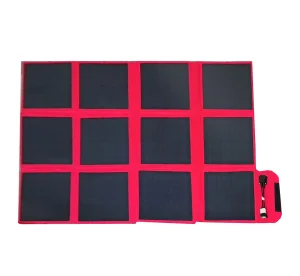
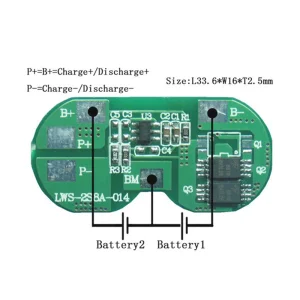
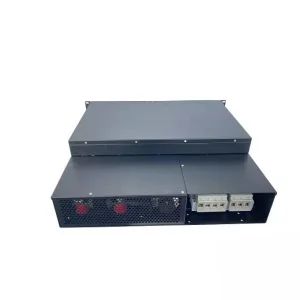
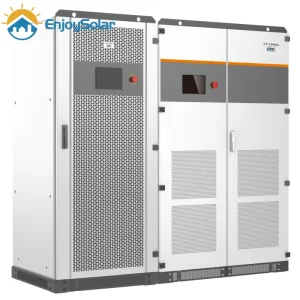
As grid capacity becomes the primary bottleneck, Vernon Charger integrates DC-coupled hybrid solar inverters and battery energy storage systems (BESS). Municipalities can harness solar power, store it in localized battery packs, and discharge it directly into the electric buses, bypassing grid constraints and lowering operational costs.
Overcoming compliance hurdles, hardware interoperability issues, and grid footprint requirements.
Our solutions support CCS1, CCS2, NACS, and CHAdeMO standards. With advanced compliance under DIN 70121 and ISO 15118 (including Plug & Charge), our systems ensure seamless handshake mechanics with bus fleets from Volvo, Yutong, BYD, Wrightbus, and other global brands.
Deploying megawatt charging hubs can destabilize regional grids. Our high-power systems utilize advanced Active Power Factor Correction (APFC) and Total Harmonic Distortion (THD < 5%) control, meeting IEEE 519 guidelines to prevent power interruptions and transformer overheating.
Designed with a modular architecture, each charger allows field technicians to hot-swap power modules within minutes, minimizing Mean Time to Repair (MTTR). Ingress Protection (IP55/IP65) and C5-M high anti-corrosion ratings ensure a long operating life in harsh environments.
Tailoring electrical distribution infrastructure to unique environmental and spatial constraints worldwide.
For municipal transit systems in regions like Northern Europe or Canada, cold weather impacts battery chemistry and cable flexibility. Our charging stations feature internal climate heating, keeping internal components within optimal thermal zones and using specialized rubber cables rated for temperatures as low as -40°C.
Coastal public transit networks face salt mist and humidity, which accelerate electronics corrosion. Vernon's industrial cabinets are manufactured with SUS304 or galvanized steel housings, dual-loop air cooling, and conformal-coated electronics to isolate components from corrosive salt air.
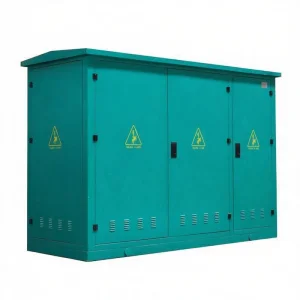
In densely populated metropolitan areas, land is expensive. We design split-system architectures: placing massive power cabinets in remote utility rooms, and running thin overhead or wall-mounted cables to compact user interfaces, saving valuable floor space in busy maintenance depots.
Key technical queries resolved by our engineering division regarding electric bus charging infrastructure deployments.
Electric bus charging systems must handle high-voltage operations (typically 650V to 1000V DC) and sustained high currents (200A to 500A+ per dispenser). They require industrial power cabinets with dynamic load balancing, grid-tie safety features (like RMUs and custom switchgear), and compliance with transport scheduling systems via OCPP. Normal commercial EV chargers rarely exceed 450V and lack the structural durability for continuous fleet operations.
We offer comprehensive branding and engineering customization. This includes custom cabinet designs matching your brand's colors, tailored user interfaces (UI) on touchscreens, localized billing software integrations, and custom power module configurations. Additionally, we provide custom communication protocol profiles to match your fleet's specific BMS (Battery Management System) requirements.
We address grid constraints using two primary strategies. First, our smart power routing software shifts charging loads to off-peak hours and distributes power dynamically based on scheduling. Second, we integrate renewable energy microgrids—connecting our high-power DC chargers with solar arrays and battery energy storage systems (BESS) via hybrid inverters, reducing dependence on the local utility grid.
Our chargers are equipped with safety features including: emergency shutdown switches, input over/under voltage protection, output overcurrent protection, short-circuit containment, overtemperature sensor feedback, surge protection (Class II SPD), and continuous insulation monitoring. If the charger detects a drop in resistance, it automatically cuts off power to prevent electrical hazards.
Our systems natively support OCPP 1.6 JSON and OCPP 2.0.1. This ensures full compatibility with fleet tracking, billing, and scheduling software. They also support communication via Ethernet, Wi-Fi, and 4G LTE, allowing real-time monitoring and remote diagnostic capabilities.
Our charging systems are designed and certified to meet major international standards. This includes CE certification for European markets, UL compliance for North America, CB and KC certifications, and compliance with IEC 61851-1/23/24 and ISO 15118 standards, ensuring compliance for public procurement processes.
 Vernon Charger