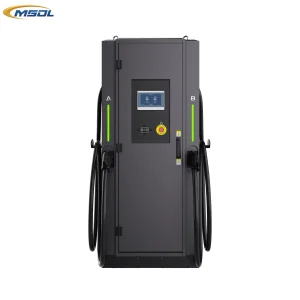
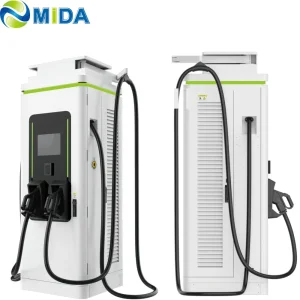
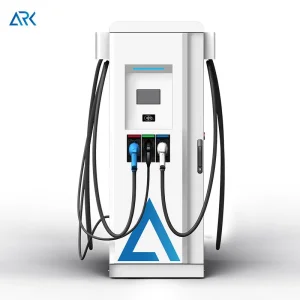
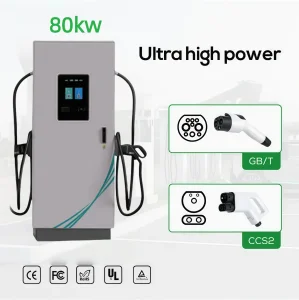
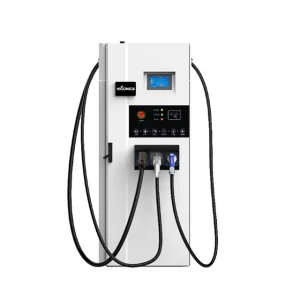
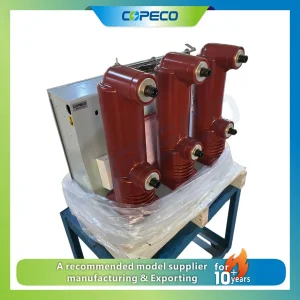
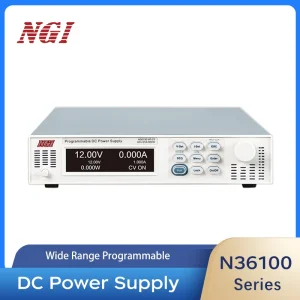
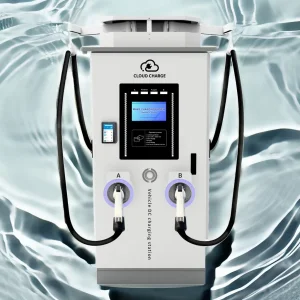
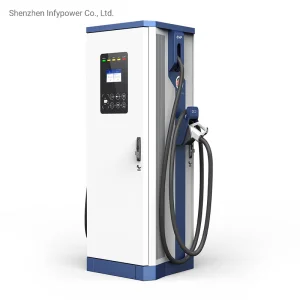
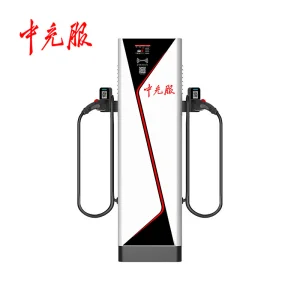
The global transition toward electromobility has shifted from early adoption to mass-market acceleration. As battery capacities increase and heavy-duty electric vehicles (EVs) enter the market, the demand for High-Power Charging Units (HPC) has transcended traditional AC charging. Today, the industrial and commercial sectors require "Information Gain" to optimize their infrastructure investments. High-power DC units (ranging from 120kW to 480kW and beyond) are no longer luxury amenities; they are critical economic engines for logistics, public transit, and highway service stations.
Expected CAGR for DC Fast Charging Market through 2030
New Industry Standard for Ultra-Fast Charging Architectures
Average Efficiency of Modern Silicon Carbide (SiC) Rectifiers
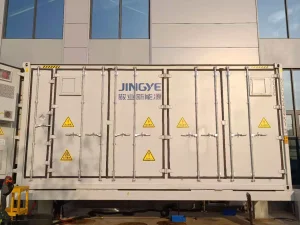
We are observing a massive pivot toward Modular Power Conversion. Manufacturers in China are leading this trend by developing hot-swappable power modules that allow station operators to scale capacity dynamically. Furthermore, the integration of Liquid-Cooling Technology is enabling smaller footprints and quieter operations, even at 400kW+ outputs. The convergence of energy storage (BESS) and charging infrastructure is another key trend, addressing the grid stability challenges posed by high-peak power demands.
Transitioning from traditional IGBT to Silicon Carbide (SiC) technology reduces thermal loss by 30%, allowing for higher power density and prolonged component life.
Ensuring seamless integration with global VMS (Vehicle Management Systems) and providing enhanced security protocols for financial transactions.
AI-driven algorithms that distribute power across multi-dispenser setups, maximizing throughput without exceeding local grid capacity.
Preparing infrastructure for Vehicle-to-Everything (V2X) capabilities, turning EV fleets into mobile energy storage units for grid stabilization.
Expert Perspective: The future of high-power charging lies in the "Charging Hub" concept, where high-capacity DC units are paired with on-site renewable generation and liquid-cooled energy storage to create a self-sustaining ecosystem.
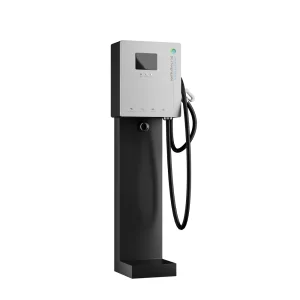
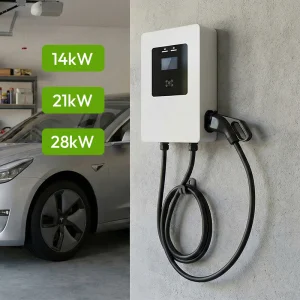
Shenzhen Vernon Charger Co., Ltd. is a pioneering manufacturer specializing in portable, wall-mounted, and ground-mounted DC EV chargers, providing comprehensive solutions for smart group charging, fleets, and public applications. The company focuses on delivering efficient, reliable, and intelligent charging systems designed to meet the diverse needs of residential, commercial, and industrial customers.
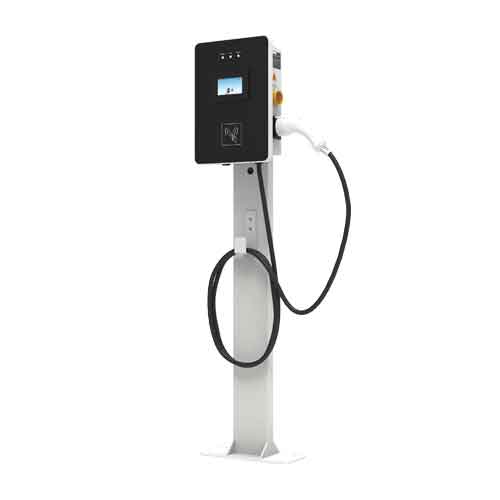
Vernon Charger’s product portfolio includes high-power DC fast chargers, portable charging units, wall-mounted and ground-mounted stations, and flexible group charging solutions. Each product incorporates advanced features such as intelligent power management, real-time monitoring, remote control, and energy optimization, ensuring safe, efficient, and user-friendly operation across multiple scenarios.
The company is committed to innovation and sustainability, integrating its DC charging systems with renewable energy sources and smart grid technologies. This enables optimized load balancing, reduced operational costs, and enhanced energy efficiency for fleet operators, public charging networks, and private users alike.
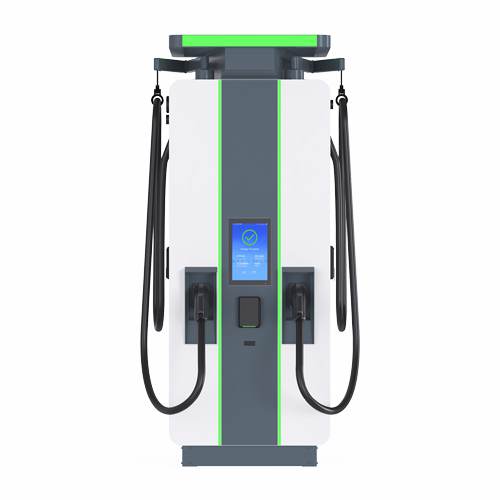
With rigorous adherence to international safety and quality standards, Shenzhen Vernon Charger Co., Ltd. has established itself as a trusted partner in the EV charging industry. By providing cutting-edge DC EV charging solutions, the company empowers clients to adopt cleaner transportation, improve operational efficiency, and contribute to a sustainable energy future.
Deployment of 360kW+ ultra-fast units with dual-gun setups to minimize wait times during peak travel hours. High-power units are essential for 15-minute "stop-and-charge" experiences.
Integrated charging for medium and heavy-duty electric trucks. Utilizing intelligent power sharing to charge entire fleets overnight while managing peak demand charges.
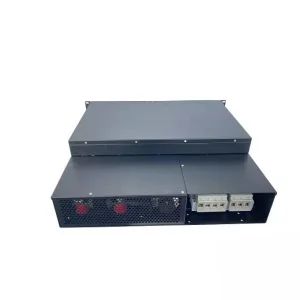
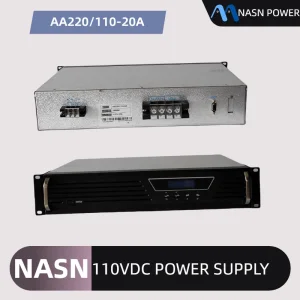
Application of DC rectifiers and 48V telecom power systems in manufacturing plants to ensure uninterruptible power for critical automation and data processing.
A: These represent regional connector standards. CCS1 is prevalent in North America, CCS2 is the European standard (supporting 3-phase AC), and GBT is the primary standard in China. Vernon Charger offers multi-protocol compatible stations to serve global markets.
A: Liquid cooling allows the charging cables and power modules to handle much higher currents (up to 500A+) without overheating. This results in thinner, lighter cables and the ability to maintain peak charging speeds for longer durations.
A: Yes, our modular architecture allows for power expansion by adding internal power modules (e.g., 30kW or 40kW blocks), provided the site's electrical infrastructure supports the increased load.
A: These ratings define the environmental protection of the unit. IP54/55 ensures protection against dust ingress and water splashes, making the chargers suitable for outdoor installation in harsh weather conditions.
 Vernon Charger