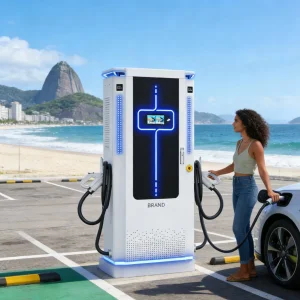
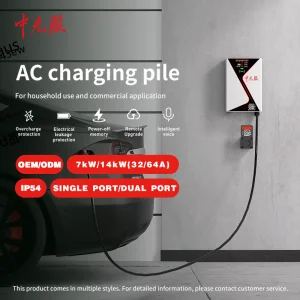
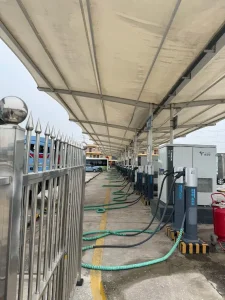
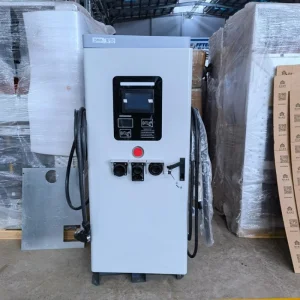
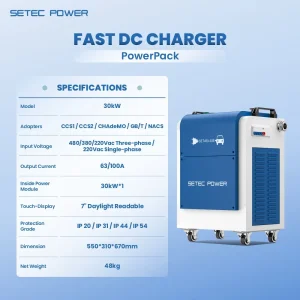
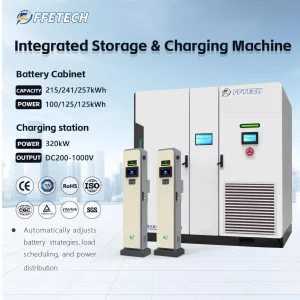
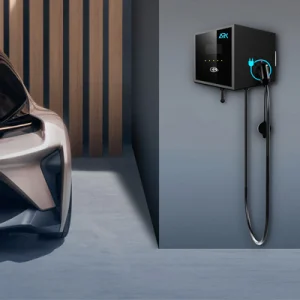
Explore our flagship catalog of high-power DC fast chargers, split-type charging systems, and integrated solar-compatible vehicle charging infrastructure optimized for the next generation of global electromobility.
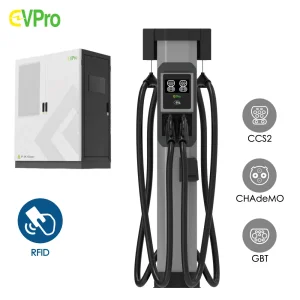
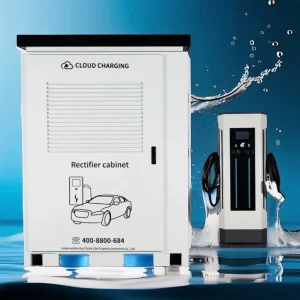
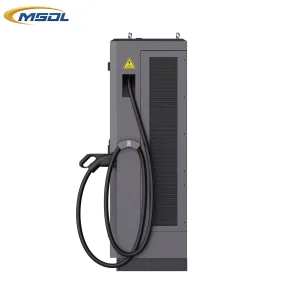
The global transition toward fleet electrification and municipal transit systems has ushered in a capital-intensive challenge. Traditional capital expenditure (CapEx) models associated with buying, installing, maintaining, and managing massive electric vehicle charging arrays often stretch corporate budgets to their limits. This operational pressure has accelerated the demand for Charging as a Service (CaaS).
CaaS replaces high upfront investments with a structured operational expenditure (OpEx) payment model. In this setup, commercial entities, fleet operators, logistics companies, and corporate real estate property owners lease the charging infrastructure while retaining all benefits of state-of-the-art power distribution. The model covers charging hardware deployment, real-time energy management system integrations, maintenance overheads, compliance reporting, and user billing structures.
From a global trends standpoint, industry analysts project the CaaS market to register a Compound Annual Growth Rate (CAGR) exceeding 25% over the next decade. As governments introduce ambitious net-zero directives—such as the European Union's mandate requiring fast chargers every 60km along major highways—companies are shifting to dependable ODM manufacturers. These strategic partners design adaptable, robust hardware to support long-term operational lease structures without suffering from technological obsolescence.
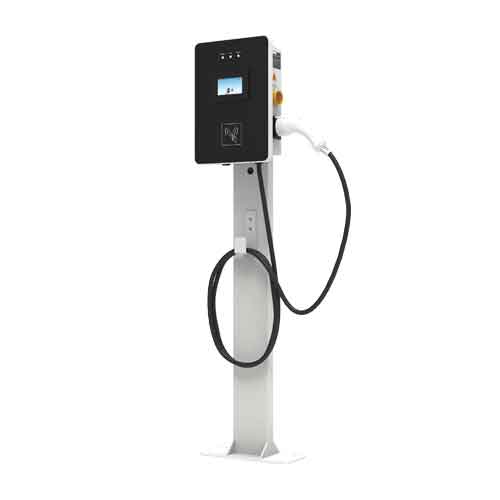
B2B buyers, municipal authorities, and enterprise operators require more than standard power outputs. Today's procurement frameworks demand high interoperability, robust cybersecurity, and resilient electrical configurations.
Global procurement teams favor systems that integrate easily with third-party software. Our chargers fully support Open Charge Point Protocol (OCPP) 1.6J and are designed for OCPP 2.0.1 transition. This allows CPOs to switch network backends smoothly, avoiding vendor lock-in and securing hardware investments for the future.
Compliance with global safety standards is essential. Our manufacturing systems produce CE, CB, and TÜV-certified hardware. We include safety features such as Type B RCD leak protection, over-temperature scaling, short-circuit isolation, and surge suppression. This ensures safe operations across various commercial environments.
High-power fast charging can strain local grids. To address peak demand charges, our infrastructure uses dynamic load balancing. Our software monitors real-time site power and limits grid draw by distributing current based on vehicle states of charge (SoC). This allows installations to operate safely within existing utility limits.
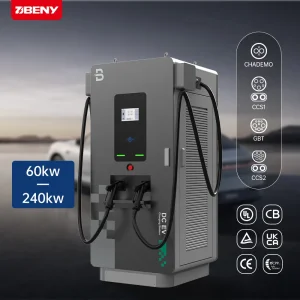
Shenzhen Vernon Charger Co., Ltd. is a pioneering manufacturer specializing in portable, wall-mounted, and ground-mounted DC EV chargers. We provide comprehensive solutions for smart group charging, fleet systems, and public applications. The company focuses on delivering efficient, reliable, and intelligent charging systems designed to meet the diverse needs of residential, commercial, and industrial customers globally.
Vernon Charger’s product portfolio includes high-power DC fast chargers, portable charging units, wall-mounted and ground-mounted stations, and flexible group charging solutions. Each product incorporates advanced features such as intelligent power management, real-time monitoring, remote control, and energy optimization, ensuring safe, efficient, and user-friendly operation across multiple scenarios.
Dedicated to innovation and sustainability, we integrate our DC charging systems with renewable energy sources and smart grid technologies. This enables optimized load balancing, reduced operational costs, and enhanced energy efficiency for fleet operators, public charging networks, and private users alike. With rigorous adherence to international safety and quality standards, Shenzhen Vernon Charger Co., Ltd. has established itself as a trusted partner in the EV charging industry, empowering clients to adopt cleaner transportation, improve operational efficiency, and contribute to a sustainable energy future.
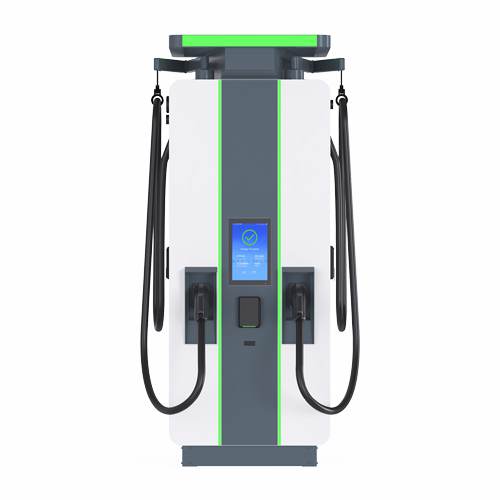
How Shenzhen Vernon Charger leverages China's advanced industrial ecosystem to provide high reliability, quality, and production capacity for our global partners.
Operating in Shenzhen gives us access to a complete electronics supply chain. We source core components, such as high-frequency switching power modules, control boards, and silicon carbide (SiC) semiconductors, locally. This proximity minimizes raw material lead times and insulates our partners from global supply chain disruptions.
Our Factory 4.0 system utilizes automated SMT lines, robotic wiring assemblies, and computerized burn-in testing chambers. Every charger undergoes full-load aging tests before dispatch, ensuring stable operation even in extreme hot and cold climates.
We help global operators construct their brand identities. From exterior shell colors and brand styling to localized touchscreens, point-of-sale payment terminals, and integrated firmware configurations, our design division adapts products to meet regional requirements.
Every commercial ecosystem has its own infrastructure challenges. We engineer specific charging systems optimized for these unique environments.
Fleet systems need to maximize uptime and charge vehicles efficiently overnight. Our high-power split chargers distribute energy to multiple dispensers, using real-time scheduling to optimize charging schedules based on vehicle routes and battery levels.
Retail properties require user-friendly charging to attract customers. Our systems integrate payment terminals, support RFID card authentication, and run on dynamic pricing models, helping property managers monetize parking lots while providing a convenient charging experience.
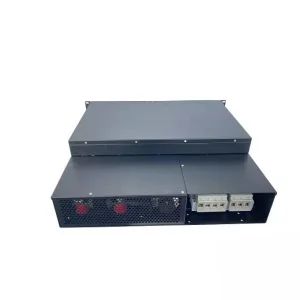
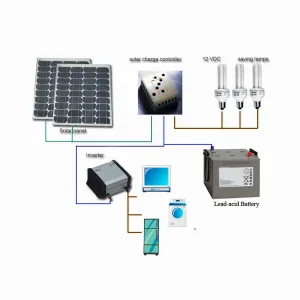
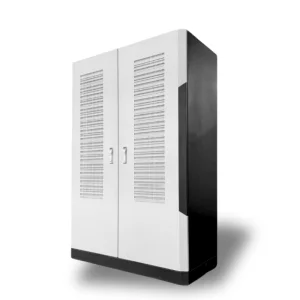
For locations with limited grid power, we supply solar-compatible DC fast chargers and hybrid converter cabinets. By connecting directly with solar arrays and local battery storage, these systems capture surplus renewable energy and support fast charging without relying on grid upgrades.
Technical answers to support procurement managers, engineers, and CPOs during hardware evaluation and deployment planning.
Our charging hardware is fully compliant with OCPP 1.6J (and ready for OCPP 2.0.1 upgrade). They connect to backend management software via WebSocket connections over Ethernet, Wi-Fi, or 4G LTE. This enables network operators to manage user authentication, configure dynamic pricing, and monitor real-time energy usage from their preferred central management platform.
For power levels above 240kW, we use advanced forced-air and liquid-cooling technologies. Our liquid-cooled dispensers use a closed-loop coolant cycle that keeps cables and connector contacts at optimal temperatures. This allows the system to deliver up to 600kW of continuous power without thermal throttling, maintaining charging speed and safety.
Our DLM system monitors the real-time electrical load of the facility. When overall building power demand rises, the controller automatically scales down the current output of the charging stations. As the building load decreases, additional capacity is allocated back to the vehicles. This protects site breakers and avoids peak demand surcharges from utility companies.
Yes. We design our DC fast chargers to integrate with local PV arrays and Battery Energy Storage Systems (BESS). By using DC-to-DC converter coupling, solar energy charges the storage batteries with minimal conversion loss. The batteries then supply energy to vehicles during peak rate periods, creating a cost-effective, self-sustained microgrid.
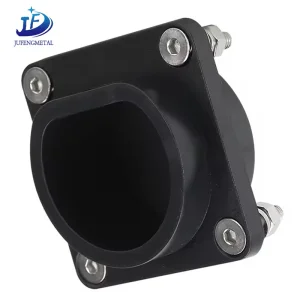
Support auxiliary systems and power conversion requirements with our industrial-grade power solutions, solar home setups, and custom connector components.
 Vernon Charger