The global transition to sustainable mobility has placed the spotlight squarely on Energy Efficient Charging Units. As EV adoption accelerates, the demand for hardware that optimizes power conversion efficiency—minimizing thermal loss and maximizing grid stability—has never been higher. China has emerged as the global epicenter for this manufacturing revolution, leveraging vertically integrated supply chains and rapid R&D cycles to set industry benchmarks.
Unlike legacy charging hardware, modern units are now smart-grid ready. They incorporate AI-driven load management, allowing operators to balance energy demand during peak hours, significantly reducing operational expenditure (OPEX) and carbon footprints. Whether you are a fleet operator, municipal authority, or commercial property owner, selecting a manufacturing partner requires an assessment of their technical roadmap, particularly regarding Silicon Carbide (SiC) power modules and liquid-cooling technologies which are defining the new efficiency standard.
Procuring EV charging infrastructure is not merely a hardware purchase; it is a long-term capital investment. Global procurement trends are shifting from "lowest upfront cost" to "Lowest Total Cost of Ownership (TCO)." Buyers are prioritizing manufacturers that offer:
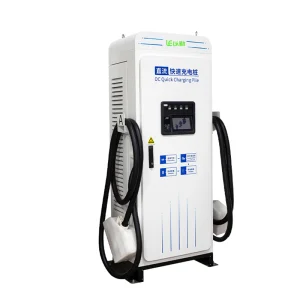
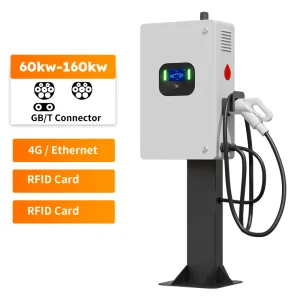
Shenzhen Vernon Charger Co., Ltd. is a pioneering manufacturer specializing in portable, wall-mounted, and ground-mounted DC EV chargers, providing comprehensive solutions for smart group charging, fleets, and public applications. The company focuses on delivering efficient, reliable, and intelligent charging systems designed to meet the diverse needs of residential, commercial, and industrial customers.
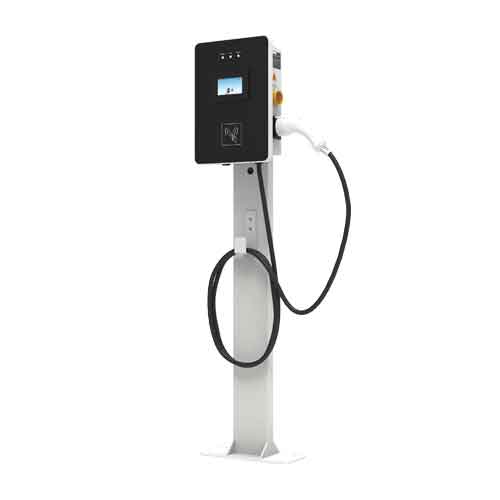
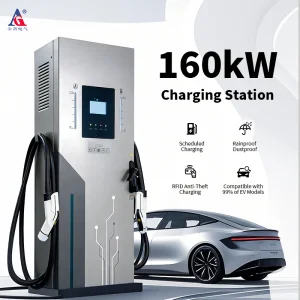
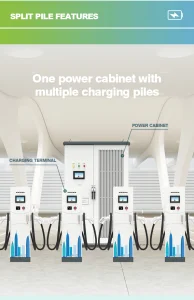
Vernon Charger’s product portfolio includes high-power DC fast chargers, portable charging units, wall-mounted and ground-mounted stations, and flexible group charging solutions. Each product incorporates advanced features such as intelligent power management, real-time monitoring, remote control, and energy optimization, ensuring safe, efficient, and user-friendly operation across multiple scenarios.
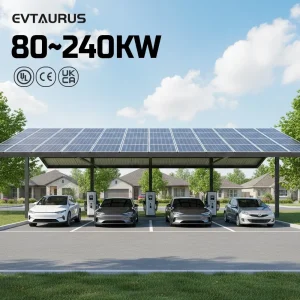
The company is committed to innovation and sustainability, integrating its DC charging systems with renewable energy sources and smart grid technologies. This enables optimized load balancing, reduced operational costs, and enhanced energy efficiency for fleet operators, public charging networks, and private users alike.
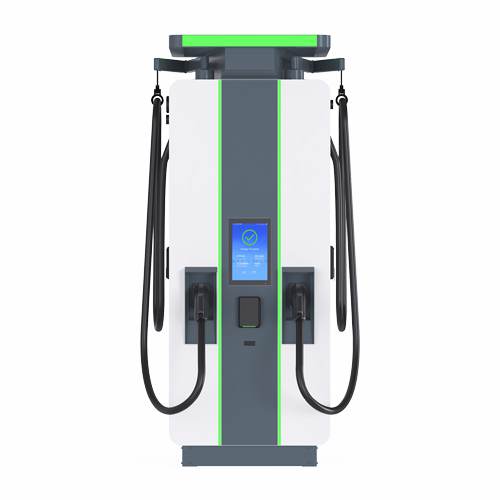
With rigorous adherence to international safety and quality standards, Shenzhen Vernon Charger Co., Ltd. has established itself as a trusted partner in the EV charging industry. By providing cutting-edge DC EV charging solutions, the company empowers clients to adopt cleaner transportation, improve operational efficiency, and contribute to a sustainable energy future.
The future of energy-efficient charging lies in the integration of Vehicle-to-Grid (V2G) technology and dynamic energy storage. We are observing a significant shift towards "Ultra-Fast Charging," where high-voltage architectures (800V+) reduce charge times to under 15 minutes. Manufacturers are now investing heavily in Gallium Nitride (GaN) and SiC semiconductors to achieve power density levels that were considered impossible a decade ago. As we look ahead, the alignment of EV charging with home energy management systems (HEMS) will make every charging unit a potential node in a decentralized energy grid.
Navigating the regulatory landscape is a critical aspect of our industry expertise. A manufacturer's authority (A in E-E-A-T) is defined by their ability to provide certified equipment that meets regional mandates. Whether it is CE marking for Europe, UL certification for North America, or local grid connection codes, partnering with an experienced OEM/ODM like Shenzhen Vernon Charger ensures that compliance is embedded into the product design from the ground up, not added as an afterthought.
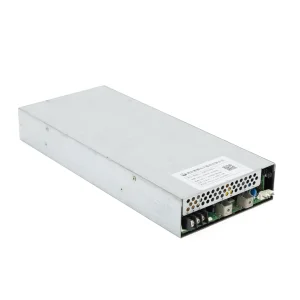
Energy efficiency is primarily determined by the power module's conversion topology. High-frequency switching, low-loss magnetic components, and effective thermal management systems (liquid cooling vs. forced air) are key.
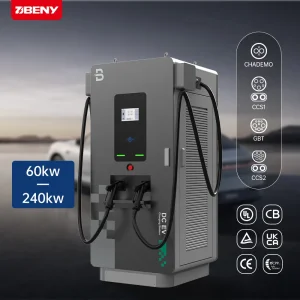
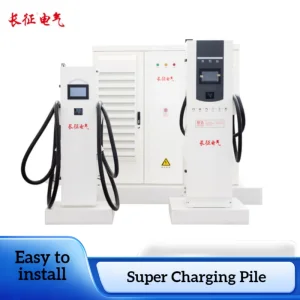
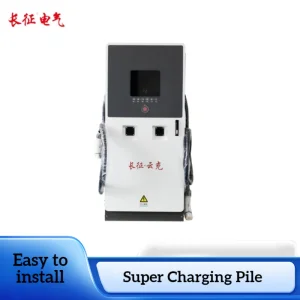
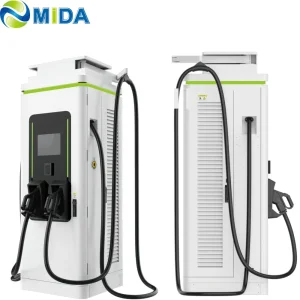
Wall-mounted chargers are ideal for residential and semi-public spaces with space constraints. Ground-mounted units are necessary for high-power DC fast charging requirements, where larger cabinets are needed to house power electronics and cooling systems.
OCPP (Open Charge Point Protocol) allows chargers to communicate with different back-end management software. It prevents vendor lock-in and ensures that operators can manage their fleet remotely using their preferred software platform.
 Vernon Charger