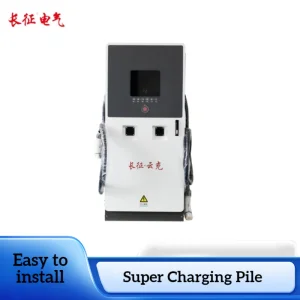
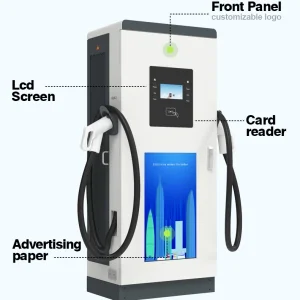
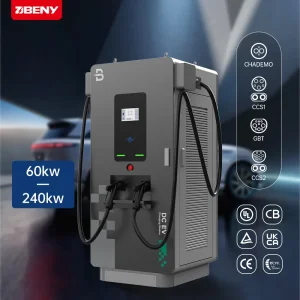
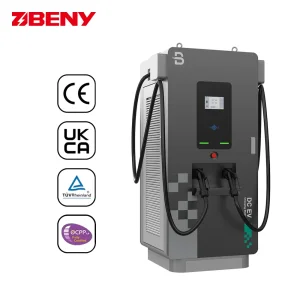
The global shift toward electric mobility is no longer a future prediction—it is a present-day industrial revolution. As governments worldwide commit to net-zero emissions, the demand for Commercial EV Charging Infrastructure has skyrocketed. In North America, Europe, and Asia-Pacific, the transition from internal combustion engine (ICE) fleets to electric vehicles (EVs) is driving a massive need for robust, high-capacity charging networks.
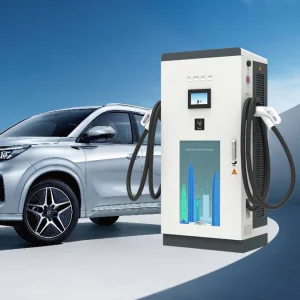
By 2030, it is estimated that over 30% of new vehicle sales will be electric. This creates an urgent requirement for public "fast-fill" stations that mimic the petrol station experience, specifically focusing on DC Fast Charging (DCFC).
Heavy-duty logistics, transit agencies, and last-mile delivery services are retrofitting their depots with industrial-grade charging hubs to support 24/7 operations and reduce carbon footprints.
Public-private partnerships and massive infrastructure bills (such as the NEVI program in the US) are funneling billions into the deployment of accessible charging corridors along highways.
The industry is moving beyond simple power delivery. Modern infrastructure must be "smart," "interoperable," and "future-proof." As a leading manufacturer, we track these critical trends to ensure our OEM partners remain competitive.
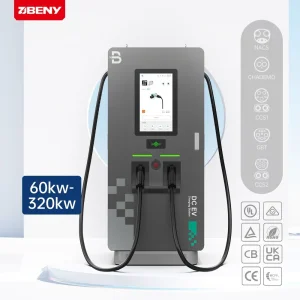
1. Ultra-Fast Charging (High Power DC): The push for 350kW+ charging speeds is real. Operators want to charge a commercial truck or a long-range passenger EV in under 20 minutes. Our multi-port DC systems are designed to handle these extreme power requirements efficiently.
2. Smart Energy Management & V2G: Vehicle-to-Grid (V2G) technology is transforming EVs into mobile batteries. Commercial charging hubs now use Intelligent Power Management to balance the load, avoiding peak demand charges and supporting grid stability.
3. Modularity and Scalability: Procurement managers are looking for modular hardware. If a station needs 60kW today but 120kW tomorrow, a modular power cabinet allows for easy upgrades without replacing the entire foundation.
4. Interoperability (OCPP 1.6 & 2.0.1): Seamless communication between the charger and the backend software is vital. Our stations support global standards to ensure they work with any network management system.
Enterprises and municipalities have unique requirements when selecting an EV charging partner. It is not just about the hardware; it’s about the Total Cost of Ownership (TCO) and reliability.
Malls, hotels, and parking garages require aesthetic, user-friendly chargers with integrated payment systems and high uptime to ensure customer satisfaction.
Reliability is non-negotiable here. A broken charger means a vehicle isn't on the road. We provide heavy-duty DC units with remote diagnostics to minimize downtime.
Multi-family dwellings need load-sharing capabilities to prevent overloading the building's existing electrical service while providing fair billing for all residents.
Different regions face different challenges. In the Middle East, chargers must withstand extreme heat and dust (IP55/IP65 ratings). In Northern Europe, they must operate in sub-zero temperatures. In Southeast Asia, grid stability is a concern, requiring advanced surge protection and voltage regulation. Shenzhen Vernon Charger Co., Ltd. customizes its OEM hardware to meet these specific local environmental and regulatory standards.
As a Shenzhen-based powerhouse, Shenzhen Vernon Charger Co., Ltd. offers unparalleled advantages in the global EVSE (Electric Vehicle Supply Equipment) market.
OEM Projects Delivered Globally
240kWMax Output Power Options
99%Charging Success Rate
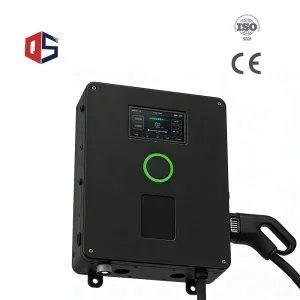
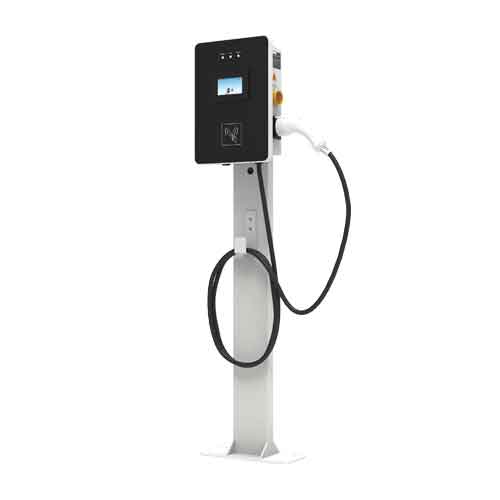
Shenzhen Vernon Charger Co., Ltd. is a pioneering manufacturer specializing in portable, wall-mounted, and ground-mounted DC EV chargers, providing comprehensive solutions for smart group charging, fleets, and public applications. The company focuses on delivering efficient, reliable, and intelligent charging systems designed to meet the diverse needs of residential, commercial, and industrial customers.
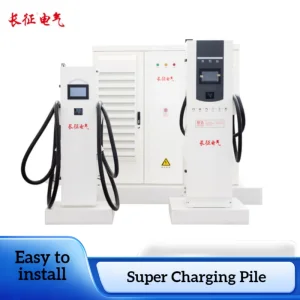
Vernon Charger’s product portfolio includes high-power DC fast chargers, portable charging units, wall-mounted and ground-mounted stations, and flexible group charging solutions. Each product incorporates advanced features such as intelligent power management, real-time monitoring, remote control, and energy optimization, ensuring safe, efficient, and user-friendly operation across multiple scenarios.
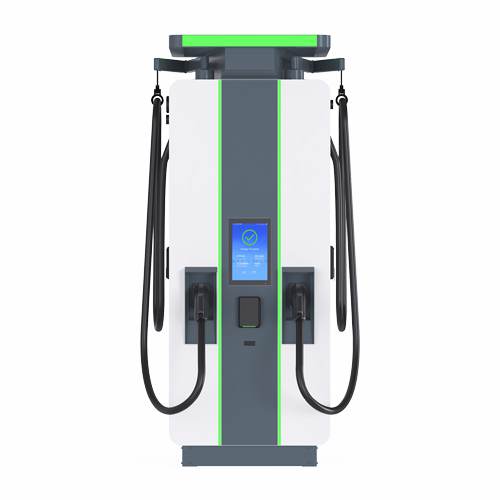
The company is committed to innovation and sustainability, integrating its DC charging systems with renewable energy sources and smart grid technologies. This enables optimized load balancing, reduced operational costs, and enhanced energy efficiency for fleet operators, public charging networks, and private users alike.
With rigorous adherence to international safety and quality standards, Shenzhen Vernon Charger Co., Ltd. has established itself as a trusted partner in the EV charging industry. By providing cutting-edge DC EV charging solutions, the company empowers clients to adopt cleaner transportation, improve operational efficiency, and contribute to a sustainable energy future.
As we look toward 2025 and beyond, the convergence of AI and renewable energy will define the next generation of Commercial EV Charging Infrastructure. Artificial Intelligence will be used to predict charging demand patterns, allowing station owners to optimize electricity purchases from the grid. Integration with on-site solar and battery storage will allow commercial stations to operate independently of the grid during peak hours or outages.
For manufacturers and exporters like Shenzhen Vernon Charger Co., Ltd., the mission is clear: to continue refining the power density of DC modules, enhancing the UI/UX of charging interfaces, and ensuring that our global partners have the most reliable tools to build the highways of the future. Whether you are a fleet operator in North America, a real estate developer in Europe, or a government agency in Asia, our custom OEM solutions are designed to scale with your ambitions.
Join the ranks of global leaders who trust Vernon Charger for their critical infrastructure needs. Let’s build a cleaner, more efficient world together.
 Vernon Charger