The global transition to electric mobility is no longer just a mechanical shift; it is a digital revolution. As electric vehicle (EV) charging networks expand across continents, they are becoming integral components of the Critical National Infrastructure (CNI). However, this connectivity introduces significant risks. Cybersecurity for charging networks has moved from a "nice-to-have" feature to a mandatory industrial requirement.
In Europe and North America, regulatory bodies are tightening the screws on IoT security. Charging stations are essentially high-power computers connected to the internet, making them targets for DDoS attacks, data theft, and even grid destabilization. A breach in a single charging network can expose thousands of users' financial data or, worse, disrupt the local power grid's stability through synchronized load manipulation.
Current industrial trends show a move towards OCPP 2.0.1 and ISO 15118 protocols, which integrate advanced encryption and "Plug & Charge" security. As a leading factory in China, we are at the forefront of implementing these global standards, ensuring our hardware is ready for the most stringent cybersecurity audits.
Global enterprise procurement for EV charging solutions has shifted its focus. While power output (kW) remains important, "Digital Trust" is now a top-tier procurement criterion. Large-scale fleet operators and municipal utility companies are demanding chargers with "Secure Boot" capabilities, hardware-based root of trust (HSM), and end-to-end encrypted communication channels. Our factory specializes in these "Defense-in-Depth" architectures, providing peace of mind for international buyers.
Located in Shenzhen, the heart of global electronics, we source and integrate the latest cybersecurity chips and modules with unmatched speed and cost-efficiency.
Our engineering team focuses on firmware security, preventing unauthorized access at the hardware level and ensuring robust resistance to physical tampering.
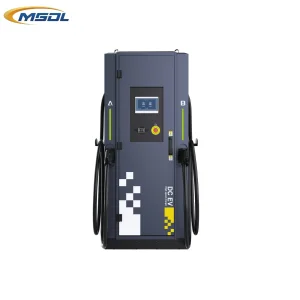
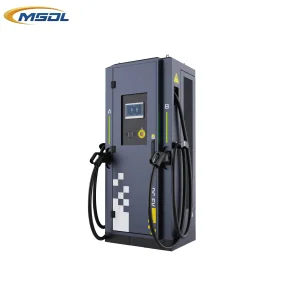
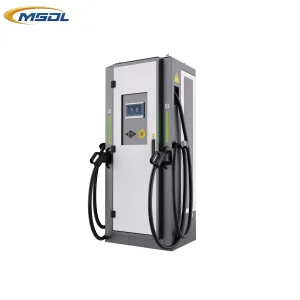
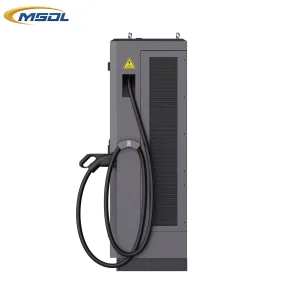
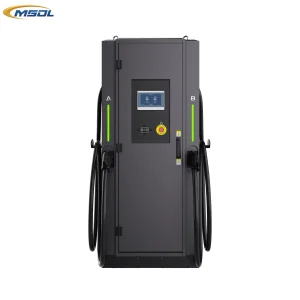
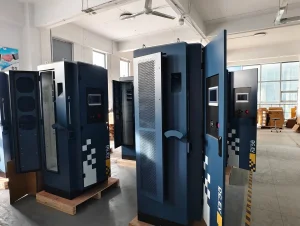
From 20kW to 480kW, we manufacture with precision, ensuring every unit leaving our factory meets international safety and cybersecurity certifications.
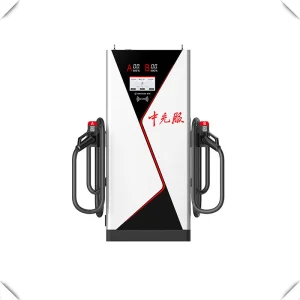
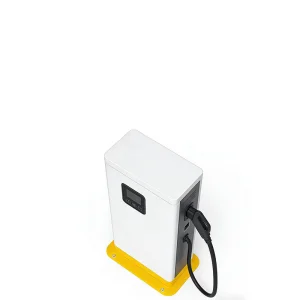
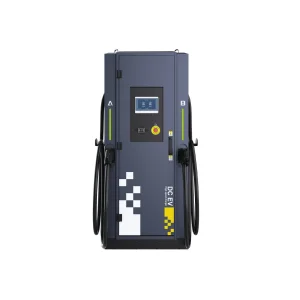
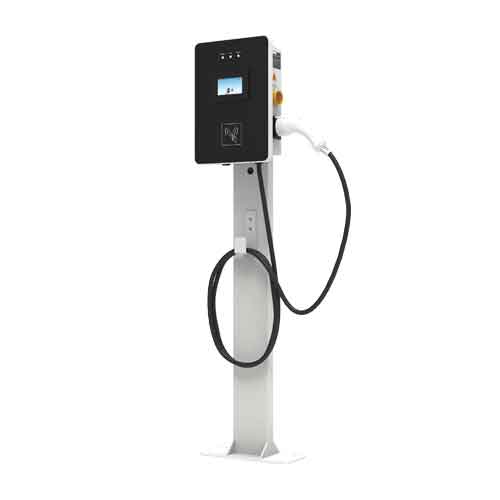
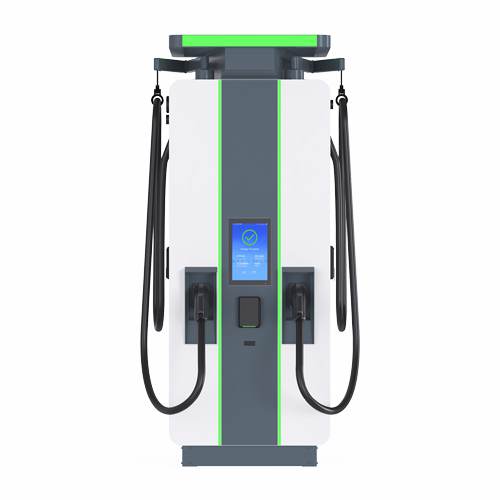
Shenzhen Vernon Charger Co., Ltd. is a pioneering manufacturer specializing in portable, wall-mounted, and ground-mounted DC EV chargers, providing comprehensive solutions for smart group charging, fleets, and public applications. The company focuses on delivering efficient, reliable, and intelligent charging systems designed to meet the diverse needs of residential, commercial, and industrial customers.
Vernon Charger’s product portfolio includes high-power DC fast chargers, portable charging units, wall-mounted and ground-mounted stations, and flexible group charging solutions. Each product incorporates advanced features such as intelligent power management, real-time monitoring, remote control, and energy optimization, ensuring safe, efficient, and user-friendly operation across multiple scenarios.
The company is committed to innovation and sustainability, integrating its DC charging systems with renewable energy sources and smart grid technologies. This enables optimized load balancing, reduced operational costs, and enhanced energy efficiency for fleet operators, public charging networks, and private users alike.
With rigorous adherence to international safety and quality standards, Shenzhen Vernon Charger Co., Ltd. has established itself as a trusted partner in the EV charging industry. By providing cutting-edge DC EV charging solutions, the company empowers clients to adopt cleaner transportation, improve operational efficiency, and contribute to a sustainable energy future.
In dense urban environments, our chargers utilize multi-tenant isolation, ensuring that data from one user or vehicle never leaks to another, maintaining strict privacy compliance like GDPR.
For remote highway stations, we implement robust VPN tunnels and cellular security protocols, preventing "Man-in-the-Middle" attacks on isolated charging infrastructure.
For commercial fleets, we provide API-level security that integrates with fleet management software, ensuring that only authorized vehicles can draw power and transmit diagnostic data.
As we look toward 2030, the integration of Artificial Intelligence (AI) in cybersecurity will be the next frontier. Our factory is already experimenting with AI-driven anomaly detection within the charging controllers. This allows the system to identify "weird" behavior—such as a sudden attempt to rewrite firmware or unusual communication patterns—and automatically isolate the affected unit from the rest of the network.
Furthermore, Vehicle-to-Grid (V2G) technology introduces new vectors for cyberattacks. If millions of cars are feeding power back into the grid, the security of the bidirectional communication link is paramount. We are developing the next generation of chargers that treat the vehicle not just as a load, but as a trusted cryptographic partner, using mutual authentication to secure the energy flow.
By choosing a manufacturer like Vernon Charger, you are investing in a future-proofed asset that prioritizes the digital safety of your network as much as its electrical performance. Our commitment to China Top Cybersecurity For Charging Networks ensures that as the world moves faster toward electrification, your business stays protected against the evolving landscape of digital threats.
 Vernon Charger