Why Future Proof DC EV Charging Systems Matter?

Time:2026-11-18 Author:Sophia
0%

DC fast charging is changing quickly. A charger installed today may serve a different vehicle mix, energy price, and grid connection within a few years. Planning for that change is practical, not speculative.

The IEA’s Global EV Outlook 2024 reported more than four million public charging points worldwide at the end of 2023. Public fast-charging points grew by 55% that year, reaching about 550,000. The trend is clear. IEA Executive Director Fatih Birol described electric cars as leading the clean-energy economy: “The clean energy economy is emerging faster than many people think, and electric cars are leading the way.” These figures do not guarantee that every site will need higher power. Local demand, grid capacity, and utilization still matter.

So, How to future-proof DC EV charging systems? Start with equipment that can adapt: modular power cabinets, replaceable power modules, upgradeable software, and load management that responds to the site’s available electricity. Check cable cooling, service access, and spare-part availability, too. A cabinet that accepts more power modules later may be more useful than an oversized unit today. Standards and interoperability deserve equal attention; a fast charger is only an asset if vehicles can use it reliably. Future-proofing is not a one-time purchase. It requires monitoring faults, traffic, and peak loads, then revisiting the plan. The uncomfortable part is that forecasts can be wrong. That is why flexible upgrades, clear maintenance records, and realistic demand assumptions matter more than impressive peak-power claims.
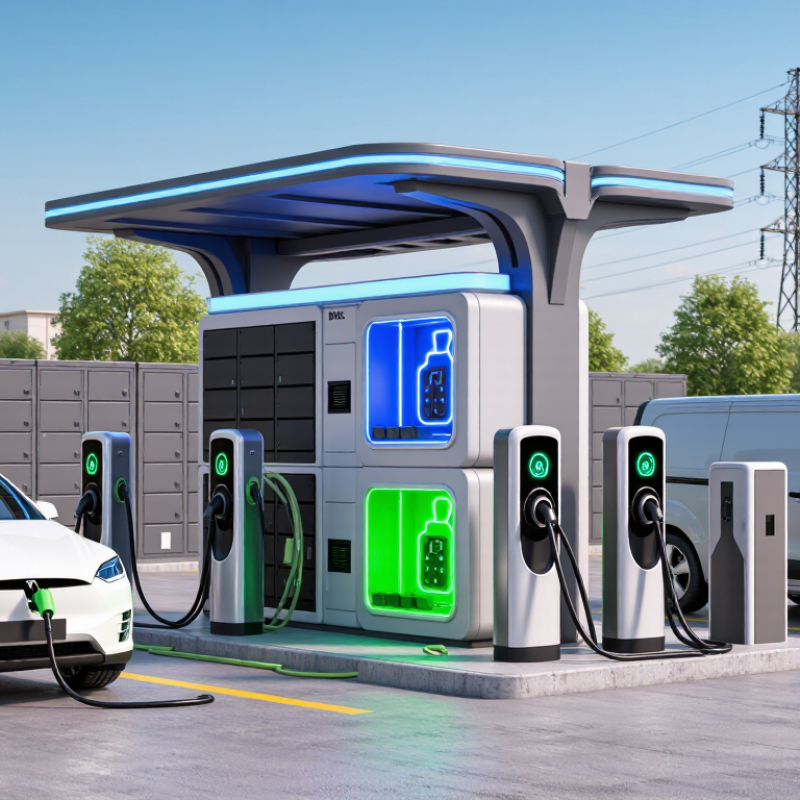
Why Future Proof DC EV Charging Systems Matter?

What Future-Proof DC EV Charging Systems Are

A future-proof DC EV charging system is designed to adapt as vehicles, sites, and charging needs change. It does not mean predicting every future requirement. It means choosing equipment that can be upgraded without replacing the entire installation. Modular power units, accessible service parts, and configurable output can help a charging site respond to growing demand.

Compatibility matters, too. A system should support widely used charging standards and allow software updates that improve monitoring and energy management. Check the connector types, power capacity, and communication features before installation. A charger may look ready for expansion, but the site’s electrical supply can still be the limit. That detail is easy to overlook.

Tips: Leave physical space for extra units and plan cable routes before construction begins. Ask how modules are replaced and what maintenance access they need. Keep clear records of settings and upgrades. Small planning choices matter. Even a well-designed system will need reassessment as vehicles and usage patterns evolve.

How Charging Standards and Vehicle Needs Are Evolving

DC charging is no longer a fixed-output purchase. Vehicle batteries, connector choices, and charging communication standards keep changing.

The IEA’s Global EV Outlook 2024 reported around 4 million public charging points worldwide in 2023, up 40% from the previous year. Fast chargers grew even faster, by 55%.

That growth puts pressure on sites to support more vehicles without rebuilding every cabinet. A future-ready system uses modular power units, upgradeable software, and space for additional dispensers. It should also allow power sharing, so several cars can charge when demand peaks.

Protocols matter too: ISO 15118-20, published in 2022, specifies communication for functions including bidirectional power transfer. Not every vehicle or site uses every function today. Still, compatibility can change during a charger’s working life.

A quiet detail: cable reach and connector handling can frustrate drivers as much as charging speed. Bigger batteries and higher charging rates may raise expectations, but actual performance depends on the vehicle, temperature, and grid capacity. Planning for change helps; predicting every change is impossible. That part deserves more thought.

Which Design Features Enable Long-Term Adaptability

A future-ready DC charging site should be designed for change, not just its opening-day demand. The International Energy Agency’s Global EV Outlook 2024 reports that public charging points grew by around 40% in 2023. That pace makes fixed-capacity planning risky. Modular power cabinets let operators add capacity as demand rises, while dispensers can remain in service. Shared power allocation also helps: a vehicle needing less output can leave more available for another stall.

Plan the physical site, too. Spare conduit, accessible cable routes, replaceable cooling components, and room for additional cabinets can reduce disruptive construction later. NREL’s 2030 National Charging Network study estimates the United States may need about 182,000 public DC fast-charging ports by 2030. That projection makes scalable layouts more than a convenience. Open communication protocols and support for evolving charging functions can simplify upgrades, though interoperability still needs careful testing. A connector change can strand otherwise sound equipment. It happens. Remote monitoring can flag overheating or declining output before a driver finds a stalled charger, but sensors and software also need maintenance. Long-term adaptability is practical engineering, with a few uncertainties left to revisit.

How Scalable Systems Support Grid and Site Growth

Why Future Proof DC EV Charging Systems Matter?
How Scalable Systems Support Grid and Site Growth

A charging site rarely stays the same. More vehicles, longer operating hours, and new parking bays can quickly outgrow its original design. The International Energy Agency reported that public charging points increased by 40% in 2023, while fast chargers grew by 55%. That pace makes expansion planning practical, not theoretical. A modular DC system can add power cabinets or dispensers as demand rises, instead of replacing the entire installation. Still, more chargers do not automatically mean more usable capacity.

Grid limits matter. A site with a constrained connection may need load management to distribute available power across vehicles. For example, a depot can prioritize vans leaving before dawn, then reduce charging output during quieter hours. Energy storage or scheduled charging may also help, depending on tariffs and local grid conditions. Good planning starts with measured site loads, utility discussions, and realistic vehicle schedules. Forecasts will be imperfect. That is worth admitting.

Tips: Check spare electrical capacity before choosing equipment. Confirm whether software can balance loads as the site grows. Leave space for future conduits and switchgear. Document actual charging demand after launch; real usage may challenge the original plan.

Why Future-Proof DC EV Charging Systems Matter: How Scalable Systems Support Grid and Site Growth
Planning Dimension Reference or Illustrative Data Scalable System Approach Why It Matters
Aggregate charger capacity Four DC chargers rated at 150 kW each represent 600 kW of aggregate rated DC output. Plan electrical infrastructure and controls around both the initial charger count and a defined expansion scenario. Charger nameplate ratings can add up quickly; a growth plan helps identify potential transformer, switchgear, and service-capacity constraints.
Managed site power In an illustrative scenario, a 300 kW site limit serving 600 kW of aggregate charger output equals 50% of the chargers’ combined DC output rating. Use dynamic power management to allocate available power among active charging sessions while observing site limits. Managed charging can help keep demand within a site limit, although actual AC input, conversion losses, vehicle demand, and other site loads must be considered.
Phased installation An illustrative rollout could begin with two 150 kW chargers (300 kW aggregate rated DC output) and later add two more of the same rating. Design the site layout, cable routes, equipment areas, and electrical distribution with future additions in mind. Planning expansion early can reduce the need to redesign the whole site when charging demand increases.
Power sharing When multiple vehicles charge simultaneously, available site power may be allocated across chargers; the allocation depends on system configuration and vehicle demand. Choose controls that can adjust power distribution as chargers enter or leave service and as site loads change. Flexible allocation can make better use of a constrained connection than treating every charger as an independent, fixed load.
Grid connection and load forecasting Required capacity depends on charger ratings, coincident charging demand, conversion losses, existing site loads, and the applicable utility connection conditions. Assess present demand and planned growth with the electrical designer and utility; revisit the forecast as site usage changes. Early coordination can reveal connection constraints and infrastructure work that may affect project phasing.
Energy storage option Illustrative arithmetic: a battery delivering 100 kW for 2 hours supplies 200 kWh before accounting for losses and operating limits. Evaluate storage against the site’s load profile, required discharge duration, charging schedule, and operating costs. Storage may help manage peak demand or provide operational flexibility, but its suitability depends on site-specific analysis.
Vehicle and charger communications ISO 15118-20:2022 specifies communication requirements between electric vehicles and charging stations and includes bidirectional power-transfer communication functions. Check supported standards, software, and intended functions across the vehicle, charger, and energy-management system. Standards-based communication can support interoperability and future functions, but actual compatibility depends on the equipment and implementation.
Charging equipment requirements IEC 61851-1 covers general requirements for conductive charging systems; IEC 61851-23 addresses DC electric vehicle supply equipment. Specify equipment and installation requirements against applicable standards and local electrical codes. Using relevant standards as part of procurement and design supports a clearer basis for safety and system requirements.
Operations and software integration OCPP 2.0.1 defines communication between charging stations and a charging station management system; implementation and supported features can vary. Confirm protocol versions, required features, upgrade processes, and integration responsibilities before deployment. Clear integration requirements can make it easier to manage a growing charging network and coordinate operational data.
How to interpret the figures The 150 kW charger examples and site-power scenarios are illustrative calculations, not guaranteed operating results or recommendations for a particular site. Base final equipment ratings, connection capacity, protection, and expansion plans on engineering studies and local requirements. Rated charger output is not the same as actual site demand; real loads depend on equipment efficiency, vehicle behavior, controls, and other site consumption.

Why Adaptable Charging Infrastructure Matters to Stakeholders

Adaptable DC charging infrastructure matters to everyone who depends on a site: drivers, fleet operators, property owners, and utilities. A depot built for ten vans may serve thirty a few years later. If its electrical rooms, cable routes, and parking layout leave room to grow, adding chargers can be less disruptive. Plans change.

Drivers notice practical details. A charger placed beside a busy loading bay can create queues, while clear access and reliable payment reduce friction. Fleet managers need charging schedules that fit shift changes, not just impressive peak-power figures. Site owners, meanwhile, must weigh construction costs against future capacity and maintenance.

A flexible design can use expandable power equipment, spare electrical capacity where feasible, and software that balances charging across vehicles. It should also support widely used communication standards, so upgrades do not depend on one narrow setup. Utilities benefit when operators can shift charging loads away from local peaks. Yet flexibility is not free: extra capacity may sit unused, and technology choices can age faster than expected. A careful site assessment, followed by periodic review of actual charging data, helps stakeholders adjust without rebuilding everything.

Why Adaptable DC EV Charging Infrastructure Matters

Illustrative power-sharing scenario: a 300 kW shared charging system divides its available capacity equally among the vehicles charging at once.

Flexible power allocation can help sites serve different demand levels without dedicating the system’s full capacity to every charging bay. Actual charging speeds also depend on vehicle limits, charger configuration, and battery conditions.

FAQS

Why should a charging site be designed for future changes?

Vehicle batteries, connectors, and communication standards keep evolving. Modular equipment can make upgrades easier. Predicting every change is impossible.

What does modular charging equipment allow?

Operators can add power units or dispensers as demand grows. This may avoid replacing an entire cabinet.

How can several vehicles share limited power?

Power-sharing software can distribute electricity across active chargers. Charging speeds may vary when demand peaks.

What practical details affect the driver experience?

Cable reach, connector handling, clear access, and reliable payment all matter. A charger beside a busy loading bay may cause queues.

How can a depot prepare for a larger fleet?

Leave room in electrical spaces, cable routes, and parking areas. A depot serving ten vans today may need to serve thirty later.

Do advertised charging speeds guarantee the same results for every vehicle?

No. Actual charging depends on the vehicle, battery temperature, and available grid capacity. Peak power is not the whole story.

How can charging schedules better serve fleet operators?

Match charging times to shift changes and vehicle use. A high-power charger is less helpful if vans need to leave earlier.

Why should operators review charging data over time?

Actual usage can reveal where capacity is needed and when loads can shift. Extra capacity may sit unused. Plans change.

What is one limitation of flexible infrastructure?

It can cost more upfront, and technology may age sooner than expected. Some choices will need reconsideration.

Conclusion

Future-proof DC EV charging systems are designed to keep pace with changing vehicle requirements, charging standards, and site demands. As electric vehicles evolve, charging infrastructure must be flexible enough to support different power levels, communication protocols, and user needs without requiring a complete replacement. How to future-proof DC EV charging systems starts with choosing adaptable hardware, modular components, upgradeable software, and reliable data and connectivity capabilities.

Scalable systems also make it easier to expand charging capacity as vehicle use grows, while coordinating with available grid power and site constraints. Thoughtful planning can help reduce future upgrade costs, improve operational resilience, and support a better charging experience. For site owners, operators, drivers, and energy providers, adaptable infrastructure offers a practical way to prepare for continued changes in transportation and energy demand.

Sophia

Sophia

Sophia is a dedicated marketing professional with an exceptional depth of knowledge about her company's products and services. With a keen understanding of market trends and customer needs, she crafts insightful blog posts that not only inform but also engage readers, enriching the company’s online......