In the rapidly evolving landscape of electric vehicle (EV) technology, the choice of charging solutions is crucial. Tri Standard Fast Chargers have emerged as a top choice for many EV users, providing efficiency and versatility. Industry expert Mark Thompson, a leading figure in EV technology, states, “Transitioning to Tri Standard Fast Chargers ensures compatibility and speed for all EV models.”
These chargers support various standards, making them suitable for diverse vehicle types. High-speed charging reduces wait times significantly, allowing drivers to resume their journeys quickly. However, some users may question their long-term reliability and cost-effectiveness. It's essential to acknowledge these concerns when considering installation.
Investing in Tri Standard Fast Chargers can lead to better performance and user satisfaction. Customers love how these chargers streamline the charging process. Yet, it's vital for potential customers to weigh the benefits against the initial investment. Not every charger meets the evolving demands of today’s consumers, so thorough research is necessary.
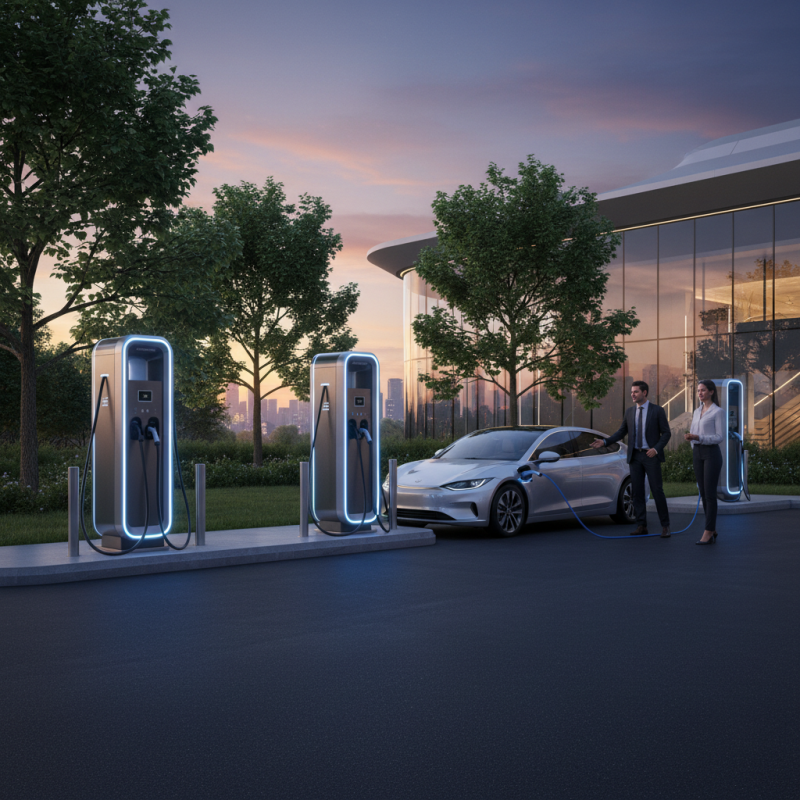
Tri Standard Fast Chargers offer significant advantages for
electric vehicle (EV) charging compared to traditional chargers. One major benefit is their compatibility
with multiple EV models. A report from the International Energy Agency (IEA)
highlighted that 50% of EV owners experience charging issues
due to incompatible connectors. Tri Standard Fast Chargers eliminate this problem, enhancing the convenience
and accessibility of charging.
Additionally, these chargers reduce charging time substantially. According to a study by
BloombergNEF, fast chargers can cut the average charging time
by up to 80%. This speed is vital as charging
infrastructure expands. The widespread adoption of Tri Standard Fast Chargers can address the growing
demand for quicker, efficient charging solutions. However, some initial installation costs may be higher
than traditional chargers.
The increasing shift towards renewable energy sources presents another challenge and opportunity. While
Tri Standard Fast Chargers can support faster charging, they must adapt to grid demands. Studies show that
integrating these chargers with renewable energy can help make the grid more resilient. However, system
capacity issues may arise, needing careful planning and implementation.
When it comes to choosing fast chargers for EVs, compatibility is key. Tri Standard Fast Chargers excel in this area, supporting a variety of EV models. This ensures drivers can charge their vehicles with ease, no matter the brand they own. Whether you have a sedan, SUV, or even a truck, these chargers can meet your needs.
Tips: Check the charging port before purchasing. Not all EVs are compatible with every charger.
Moreover, these fast chargers often align with multiple charging standards. This versatility is vital as the EV market continues to evolve. Innovations in technology mean that not all chargers will work with newer models. Making an informed choice can prevent frustration later. Remember, not every charger provides the same efficiency.
Tips: Consider the charging speed. Some chargers may take longer than others, even if they claim to be fast.
Tri Standard Fast Chargers are revolutionizing electric vehicle (EV) charging with their remarkable efficiency and speed. These chargers can significantly cut down charging times, making them a popular choice for EV owners. Imagine charging your vehicle from empty to full in just 30 minutes. This means less time waiting and more time on the road.
Efficiency is not just about speed; it’s also about optimal energy use. Tri Standard Chargers utilize advanced technology that minimizes energy loss during the process. In a world where every minute counts, this efficiency allows drivers to maximize their day. While many traditional chargers struggle with longer wait times, these fast chargers present a more viable solution for daily commuting.
However, it’s essential to consider the infrastructure required for Tri Standard Chargers. Not all locations have adequate installations yet. This gap creates accessibility issues for some users. Furthermore, as more people switch to EVs, we need to address these limitations. The increase in demand could lead to congestion at charging stations. Balancing advanced technology with infrastructure development is crucial for the growth of EV charging solutions.
This chart illustrates the charging times of different types of EV chargers. The Tri Standard Charger demonstrates a significant reduction in charging time compared to Standard and Fast Chargers, highlighting its efficiency and speed advantages.
The cost-effectiveness of Tri Standard Fast Chargers is becoming increasingly significant in today’s EV market. A report from the International Energy Agency shows that the global EV market could reach over 300 million vehicles by 2040. This means the demand for reliable charging solutions will spike. Tri Standard Fast Chargers provide an efficient option, reducing charging time significantly. Instead of hours, they can recharge a vehicle in under 30 minutes.
Investing in these chargers can lead to substantial long-term savings. Depending on usage, the ROI can be realized in just two years. A study by the Electric Power Research Institute indicates that fast charging infrastructure can boost EV adoption by up to 30%. However, it’s essential to assess the initial installation costs. They can be high, and operational challenges exist. Some sites may not have adequate electrical capacity. This can deter investment, but it’s crucial to think about future growth and demand.
What sets Tri Standard Fast Chargers apart is their compatibility with various EV models. This broad appeal lowers operational complexity. However, with so many options, it’s easy to get overwhelmed. Understanding your specific needs is critical. Careful planning and consideration will help maximize the potential of these chargers. They are not a one-size-fits-all solution, and reflections on usage patterns can provide valuable insights.
As electric vehicles become more mainstream, the need for reliable charging solutions grows. Tri Standard technology offers a future-proof approach to these demands. This strategy supports multiple charging standards. It ensures compatibility with a wide range of electric vehicles. When new technologies emerge, existing infrastructure remains relevant.
The versatility of Tri Standard chargers addresses the hassle of compatibility. Drivers can charge various EV models seamlessly. This reduces downtime and enhances user experience. Imagine arriving at a charger without worrying if it will connect. It’s about simplicity and convenience in an evolving landscape. However, implementing this technology isn’t without challenges. Integrating multiple standards can complicate the design process.
Investing in Tri Standard solutions can pose questions. How will they adapt to future developments? What if new standards arise? Thoughtful reflection is essential. Staying abreast of industry shifts demands ongoing education. The electric vehicle landscape is changing rapidly. Preparing for this evolution is crucial. With Tri Standard technology, charge confidently knowing you’re ready for tomorrow’s needs.
: These are electric vehicle chargers compatible with multiple EV models, improving convenience for users.
They reduce charging time by up to 80%, allowing quicker refueling of electric vehicles.
They support various EV models and charging standards, but not all chargers work with every vehicle.
Always verify the charging port compatibility with your specific EV model to avoid issues.
They are efficient, minimizing energy loss, but proper infrastructure is still needed for widespread use.
Yes, initial installation costs may be higher than traditional chargers, but they offer long-term benefits.
Yes, they can integrate with renewable energy sources, but planning is crucial to address grid demands.
They allow charging from empty to full in as little as 30 minutes, optimizing valuable time.
Yes, not all locations have adequate installations yet, and demand could lead to congestion at charging stations.
While fast, not all chargers provide the same speed, and infrastructure development is still needed for efficiency.
Tri Standard Fast Chargers offer significant advantages over traditional charging options, making them an ideal choice for electric vehicle (EV) owners. Their compatibility with various EV models and charging standards ensures that users can enjoy seamless charging experiences without being limited by specific brand requirements. Additionally, these chargers are engineered for efficiency and speed, significantly reducing charging times and enhancing the overall user experience.
Moreover, the cost-effectiveness of Tri Standard Fast Chargers is evident in their investment value. By future-proofing your charging solutions with this versatile technology, you not only save time and money but also ensure that your EV charging infrastructure remains relevant as the market evolves. In a rapidly advancing electric vehicle landscape, choosing Tri Standard Fast Chargers positions you at the forefront of charging innovation.

Vernon Charger