Upgrading existing DC charging stations is a critical step in enhancing electric vehicle infrastructure. As the demand for electric vehicles (EVs) grows, we face significant challenges. Many current charging stations lack the capacity to meet this demand. Therefore, understanding how to upgrade existing DC charging stations effectively is essential for both service providers and EV owners.
Evaluating the existing infrastructure is the first step. Many stations were designed for earlier models of EVs, which limits their effectiveness today. Modern vehicles require faster charging capabilities. It’s crucial for maintenance teams to explore new technologies and ensure compatibility. Upgrades might involve software enhancements or hardware replacements. These improvements can lead to faster charging times and increased user satisfaction.
Moreover, we must consider the environmental impact of these upgrades. Sustainable solutions can minimize waste. Many organizations overlook the importance of recycling old equipment during upgrades. Addressing these challenges requires a collaborative approach among stakeholders. Ultimately, the goal is to create a robust network of DC charging stations that meets evolving needs while reflecting on past practices.
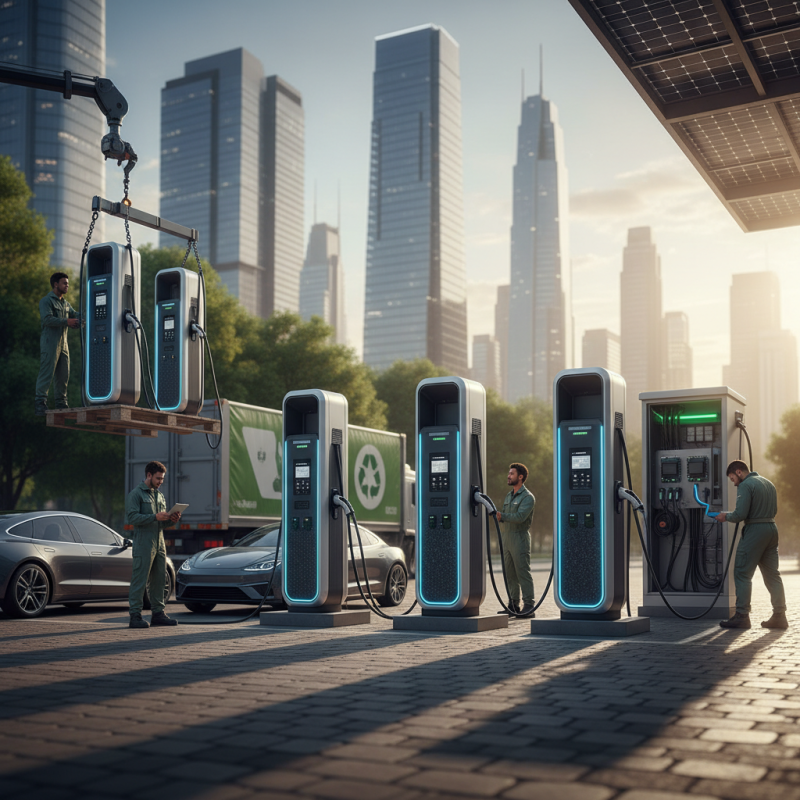
Assessing the performance of existing DC charging stations is crucial for effective upgrades. According to a recent industry report, around 30% of DC chargers operate below optimal performance levels. This underutilization can lead to increased wait times for electric vehicle users and decreased overall customer satisfaction. Analyzing usage data is key. Tracking charging frequency, duration, and user feedback can reveal critical insights into performance gaps.
Tip: Regular maintenance checks can help identify hardware issues before they become major problems. Many stations require software updates to ensure reliable performance. This ensures the chargers remain compatible with the latest vehicle models, which is essential for attracting diverse clientele.
Stakeholder engagement is vital. Understanding customer preferences can guide station enhancements. If users express the need for faster charging times, then infrastructure modifications may be necessary. However, not all charging stations have sufficient power capacity to meet high demand. This reflects a need for strategic upgrades based on real-world data, not assumptions. Assessing where power supply limitations exist can inform equipment upgrades.
Tip: Conduct user surveys to collect firsthand insights. Even minor adjustments, such as optimizing charger locations or signage, can significantly impact user experience. Engaging with customers will lead to informed decisions that enhance usage and overall station efficiency.
: About 30% of DC chargers function below optimal performance, leading to longer wait times.
Regular maintenance checks and software updates can prevent major issues and ensure compatibility with new vehicles.
Engaging with customers helps identify their needs, guiding essential enhancements and strategic upgrades.
Optimizing charger locations and signage can significantly enhance user experience and efficiency.
Collecting user surveys reveals pain points, allowing for targeted enhancements like queue management systems.
Yes, not every new feature will succeed; continuous feedback helps refine offerings and justify investments.
Testing units under various weather conditions can ensure optimal performance regardless of temperature extremes.
Analytical tools can track charging speed and energy output, identifying inefficiencies in real time.
Upgrades can introduce unexpected issues; reflecting on these can lead to valuable improvements and solutions.
It promotes a culture of continuous enhancement, leading to improved reliability and user satisfaction.
The article "How to Upgrade Existing DC Charging Stations Effectively?" provides a comprehensive guide on enhancing the performance of DC charging stations. It begins by assessing the current performance and usage of these stations, which helps identify areas that require improvement. Next, it explores various technological upgrades that can boost efficiency, such as advanced charging algorithms and improved hardware.
In addition to technology, the article emphasizes the importance of evaluating infrastructure requirements for upgrades to ensure compatibility and sustainability. User-centric enhancements and features are also discussed, focusing on improving the overall user experience. Finally, the article highlights the need for rigorous testing and monitoring of the upgraded stations to guarantee reliability and performance. This structured approach offers a clear roadmap for stakeholders looking to understand how to upgrade existing DC charging stations effectively.

 Vernon Charger