How to Troubleshoot Common DC EV Charging Issues Easily?

Time:2026-08-27 Author:Oliver
0%

As electric vehicle (EV) adoption surges, the demand for efficient DC charging solutions rises. According to a report by the International Energy Agency, global EV sales reached 6.6 million units in 2021, with projections estimating 30% of all vehicles will be electric by 2030. This rapid growth highlights the need for reliable DC fast charging infrastructure.

However, users often face challenges with DC EV charging. Issues can vary from connector malfunctions to communication faults between the charger and the vehicle. Knowing how to troubleshoot DC EV charging issues is vital for minimizing downtime and ensuring user confidence. Proper maintenance and quick resolution of problems can significantly enhance the charging experience.

Many EV users may lack the knowledge to tackle these common issues effectively. Inadequate troubleshooting can lead to frustration and unnecessary delays. Understanding the basics of DC charging systems can empower users. This not only saves time but also enhances the overall adoption of EV technology in our society. By addressing these issues head-on, we pave the way for a brighter, more sustainable future.
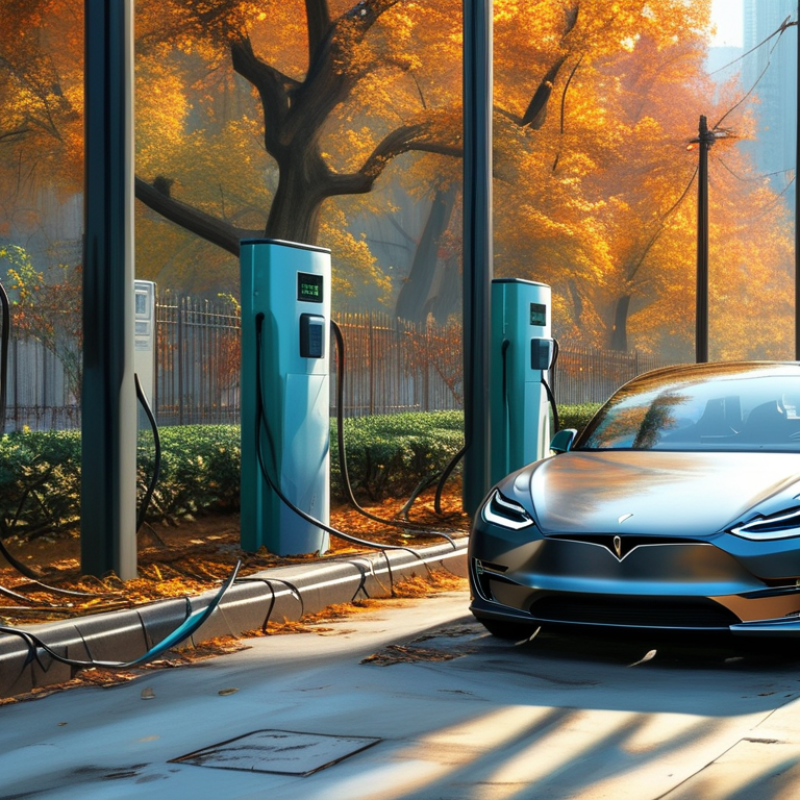
How to Troubleshoot Common DC EV Charging Issues Easily?

Understanding Common DC EV Charging Issues

Understanding DC EV charging issues can be crucial for electric vehicle owners. Common problems include slow charging, failures to connect, and error messages on the display. These issues can stem from various sources, ranging from the electrical supply to the charging equipment itself. For instance, a faulty cable may stop the charging process unexpectedly. Often, it can be a hassle to diagnose these problems quickly.

It's important to start by checking the connections. Ensure that the charging cable is properly plugged in. If the connection seems fine, inspect the charging station for any visible damage. Many users overlook this simple step. Sometimes, trying a different charging station may clarify if the issue is with the vehicle or the station. Users should also pay attention to the vehicle’s dashboard warnings. They often provide clues about what might be wrong.

In some cases, software updates are necessary for compatibility. Not every electric vehicle is equipped with the latest features. If problems persist, seeking help from professionals may be the best option. Troubleshooting can be a learning experience. Often, it exposes gaps in user knowledge about their vehicles and the charging process. Embracing these challenges can lead to better preparedness in the future.

Identifying Charging Station Problems

When troubleshooting charging station problems, start by checking the power supply. Ensure that the station is plugged in and receiving adequate voltage. If the lights on the charging station are off, this often indicates a power issue. Restart the station by unplugging it for a few minutes. This basic step might resolve many simple glitches that prevent charging.

Next, examine the connection between the vehicle and the charging station. Inspect both the charging cable and the port for signs of wear or damage. Dirt and debris can accumulate in the port, leading to a poor connection. Cleaning the connectors with a dry cloth can improve the flow of electricity. Always check for any alerts or error messages displayed on the station. These messages can guide you toward a specific issue that needs fixing.

It's also essential to consider external factors. Weather conditions can impact charging efficiency. For instance, extreme temperatures can affect battery performance. If you notice erratic charging behavior, reflect on these elements. In some cases, consulting with a professional may be necessary. They can help identify more complex issues and ensure that the charging station operates effectively. Through these steps, troubleshooting becomes manageable, though not without room for learning and improvement.

Common DC EV Charging Issues

Diagnosing EV Compatibility and Connection Errors

Diagnosing connection errors with DC EV chargers can be challenging. However, understanding some common issues can help you troubleshoot effectively. According to a 2022 report from the Electric Vehicle Charging Association, over 30% of EV owners experience compatibility issues with their charging stations. This usually stems from differences in charging standards or outdated equipment.

Checking the vehicle’s compatibility is the first step. EVs use diverse charging protocols. Problems can arise from insufficient voltage or incorrect connectors. Ensure that the charger matches your EV specifications. Visual inspections can also be revealing. Look for physical damage or debris on connectors. Industry statistics suggest that improper handling contributes to 40% of connection failures.

Connection errors are not always straightforward. Sometimes, a simple restart can resolve the issue. If a charger frequently malfunctions, it may need technical support. The National Renewable Energy Laboratory highlights that regular maintenance can improve charger reliability by up to 25%. Remember, communication with your charging station can vary. For some users, app notifications are unclear, further complicating troubleshooting efforts.

Resolving Electrical Supply and Circuit Issues

Troubleshooting electrical supply and circuit issues at DC EV charging stations is vital for smooth operation. Many of these problems stem from inadequate electrical supply or faulty circuits. According to a recent report by the International Energy Agency, over 30% of public charging stations experience outages or reduced efficiency due to such electrical issues. This highlights the need for regular monitoring and maintenance.

Identifying circuit problems often requires careful inspection. Look for signs of wear or damage to cables and connectors. Ensure that connections are secure and that grounding is effective. In some cases, voltage drop issues can occur, especially if the installed wiring is not appropriate for the load. Upgrading to thicker conductors may be necessary for stations expecting high usage.

Additionally, it is essential to check the power supply. Fluctuations in power can affect charging performance. Monitoring systems should be in place to track power supply quality. Reducing the load on the circuit during peak times can also mitigate issues. Employing data from energy audits can inform improvements. Such measures may lead to enhanced reliability and improved user satisfaction at charging stations.

How to Troubleshoot Common DC EV Charging Issues Easily? - Resolving Electrical Supply and Circuit Issues

Issue Possible Causes Troubleshooting Steps Resolution
Charging Station Not Responding No power supply, faulty circuit Check power source, reset the charger Replace fuses, call technician if needed
Slow Charging Incompatible charger, battery issues Verify charger compatibility, check battery health Use a compatible charger, replace battery if necessary
Battery Not Charging Damaged battery, bad connections Inspect battery and cables for damage Repair connections or replace battery
Error Messages on Screen Software glitch, communication errors Restart charger, check user manual for codes Update software, contact support if unresolved
Overheating Excessive load, poor ventilation Check load levels and ensure proper airflow Reduce load, improve ventilation

Best Practices for Maintaining Charging Equipment

Regular maintenance of DC EV charging equipment is essential to ensure smooth operation. Keeping the connectors clean can prevent poor connections. Dust and dirt can accumulate over time, leading to inefficiencies. Always inspect the charging cable for any signs of wear. A damaged cable may pose safety risks and affect charging performance.

Frequent checks of the charging station's software are crucial. Many stations rely on software updates for optimal functionality. Schedule regular updates to ensure you benefit from the latest features. If an update fails, it might indicate underlying issues that need immediate attention. Being proactive with software can save time and frustration in the long run.

Monitor the charging environment. Extreme temperatures can impact charging efficiency. Ensure your station is located in a sheltered area, protected from harsh weather. It’s also wise to document any irregular behavior you observe. Not everything will work perfectly; reflection on these incidents can lead to better troubleshooting skills. Understanding common issues helps in recognizing patterns that can save both time and energy in the future.

FAQS

: What are common issues with DC EV chargers?

: Common issues include compatibility problems, outdated equipment, and different charging standards.

How can I check if my EV is compatible with a charger?

Verify the charger's specifications match your vehicle’s requirements. Check voltage and connector types.

What is a simple fix for connection errors?

Sometimes, restarting the charger can solve the problem.

What contributes to connection failures?

Improper handling of equipment contributes to 40% of connection failures at charging stations.

How often should charging stations be maintained?

Regular maintenance is recommended to improve reliability by up to 25%.

What signs indicate electrical supply issues?

Look for wear on cables, damaged connectors, or insufficient grounding.

How can I address circuit problems at a charging station?

Secure connections and upgrade wiring to handle higher loads if necessary.

Why might charging performance fluctuate?

Power supply fluctuations can impact charging. Monitoring systems can help identify issues.

What can reduce problems during peak usage times?

Reducing circuit load during peak times may help mitigate performance issues.

What should I consider regarding app notifications from chargers?

Some app notifications may be unclear, complicating troubleshooting. Always double-check compatibility details.

Conclusion

In addressing the question of "How to troubleshoot DC EV charging issues," it's essential to first understand the common problems that arise during the charging process. These issues can range from malfunctions at charging stations to compatibility errors between the electric vehicle and the charger. By identifying these problems, users can effectively diagnose whether the issues stem from hardware failures or connection mismatches.

Once the source of the problem is established, the next step involves resolving potential electrical supply and circuit issues that may be hindering the charging process. Implementing best practices for maintaining charging equipment is also crucial, as regular upkeep can prevent many common problems from occurring. This comprehensive approach not only aids in troubleshooting but also enhances the overall efficiency and reliability of DC EV charging infrastructure.

Oliver

Oliver

Oliver is a seasoned marketing professional with a wealth of expertise in driving brand awareness and engagement. With a deep understanding of our company's product offerings, he consistently delivers high-quality content that enriches our professional blog. His insights not only shed light on......