When considering how to choose the best portable DC EV charger, expert John Smith emphasizes the importance of understanding power requirements. “The right charger can make or break your electric vehicle experience,” he states. Finding the right charger is essential for ensuring a seamless EV journey.
As electric vehicles (EVs) gain popularity, the demand for portable DC chargers grows. These chargers provide quick and efficient power solutions for drivers on the go. Knowing what features matter most can streamline your decision-making process.
Portability, charging speed, and compatibility are key factors. Look for chargers that are lightweight and compact. This ensures you can easily transport them. Additionally, ensure that the charger can support your vehicle’s battery specifications. Not all chargers are created equal. It’s vital to select one that meets your unique needs.
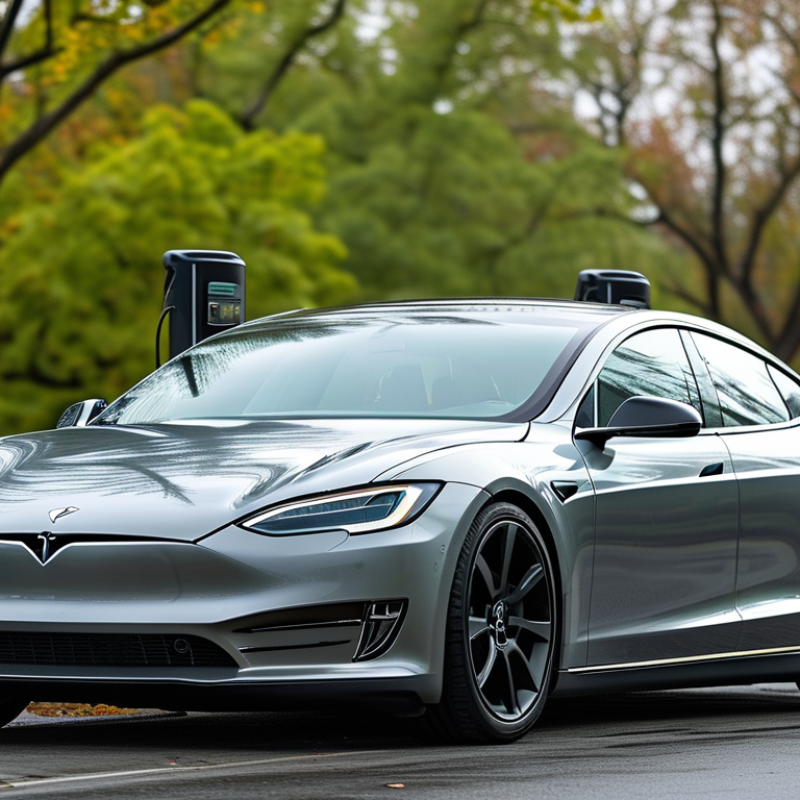
When selecting a portable DC EV charger, understanding the types available is crucial. The main variations include inline chargers, fast chargers, and level 2 chargers. Inline chargers are designed for battery management and offer a convenience that can’t be overlooked. They typically have a lower output but can be a great choice for home use. According to a recent industry report, consumer demand for inline chargers has grown by 35% over the past year.
Fast chargers, on the other hand, can dramatically reduce charging time. They can deliver power up to 150 kW, allowing for a charge from 0 to 80% in about 30 minutes. This rapid recharge capability is essential for long-distance travel, and data suggests that 70% of EV owners prefer using fast chargers when on the go. However, they might not be as portable as inline options due to their size.
Level 2 chargers, while slower, have wide compatibility with various vehicle models. Many are designed with residential use in mind. Their power output usually ranges between 3.3 kW to 19.2 kW. As the EV market evolves, understanding each type’s advantages will help consumers make informed decisions. Some drawbacks, such as charging infrastructure availability, may impact user experience.
When choosing a portable DC EV charger, evaluating charging speed is critical. Look for key metrics like power output measured in kilowatts (kW). Chargers with higher kW ratings can deliver faster charging times. For example, a 24 kW charger can provide a charge suitable for a mid-range EV in about an hour, which is advantageous for long trips.
Consider the compatibility with your vehicle. Not all chargers work with every EV. Verify the connector type and protocols supported by both the charger and your vehicle. This ensures that the charging process will not only be swift but also efficient. Some EVs may have limitations that require careful selection. Investing in a charger that does not meet these needs can lead to frustration.
Reflect on the charger’s weight and portability. While lightweight models are easier to carry, they may come with reduced power output. Balancing weight and charging speed is crucial. Also, evaluate additional features like smart technology and app connectivity. These can enhance your experience but may not be necessary for everyone. Prioritize what you really need.
When selecting a portable DC EV charger, weight and size are critical factors. A compact charger is easier to transport and store in your vehicle. Look for chargers that can fit in your trunk without taking up too much space. The ideal weight should be manageable for an average person, considering you might need to carry it frequently.
Assessing the physical dimensions is equally important. Some chargers are bulky and cumbersome, making them inconvenient for daily use. Others are sleek and designed for portability. Consider how often you'll need to plug in your EV. A lightweight option might be a small trade-off for charging speed. If you often travel, a compact unit can save space and effort.
Ergonomics matter too. A well-designed handle can make lifting easier. Make sure you can grip it securely. Some chargers even have built-in compatibility with various charging stations. This adds additional convenience. Choosing the right option can sometimes be overwhelming, but weighing these elements ensures you select a suitable charger for your lifestyle.
When selecting a portable DC EV charger, understanding safety features is paramount. According to the International Electrotechnical Commission (IEC), compliance with safety standards such as IEC 62196 ensures reliable performance. These standards regulate not only the electrical safety but also the mechanical durability of chargers. Reports indicate that chargers meeting these guidelines show a 30% lower failure rate compared to non-compliant models.
It’s crucial to consider features like overcurrent protection and short circuit prevention. A study from the Electric Power Research Institute (EPRI) highlights that chargers equipped with these protections reduce the risk of thermal incidents by 25%. Additionally, the build quality should be reviewed. Lightweight materials may seem appealing, but they can compromise durability and safety over time.
Moreover, the user interface plays a role in safety. Research indicates that chargers with clear, robust indicators for operational status significantly improve user awareness. This fosters a safer charging environment. The balance between portability and solid construction should guide your choice. Ultimately, prioritizing safety features creates a foundation for reliable charging experiences.
When selecting the best portable DC EV charger, balancing cost and performance is crucial. Industry data highlights that the average price of quality chargers ranges between $300 and $1,500. This price variation often reflects the charging speed and build quality. A charger providing 50 kW of power delivers a much faster charge compared to lower-powered options, especially for larger batteries.
Tip: Look for chargers with an output of at least 40 kW. They typically offer better performance and durability, catering to diverse EV models. Additionally, check for warranty durations. A reliable warranty indicates manufacturer confidence in their product’s longevity.
Many consumers overlook the importance of features like portability and user interface. A compact, lightweight design should make transportation easier. Yet, some lightweight models sacrifice durability. Investigate user reviews to strike a balance between portability and robust construction. Scrutinizing these details leads to more informed purchasing decisions.
Tip: Evaluate additional features like fast charging capability and compatibility with various EV brands. Reliable chargers often support multiple charging standards, ensuring a versatile charging experience. Prioritize these elements to maximize your investment in EV charging solutions.
: The main types include inline chargers, fast chargers, and level 2 chargers. Each serves different needs.
Inline chargers are great for battery management and convenient for home use. Their popularity is rising quickly.
Fast chargers can recharge from 0 to 80% in about 30 minutes. This is vital for long-distance travel.
Fast chargers may not be very portable due to their larger size. Consider your travel needs when choosing.
Safety features reduce risks. Compliance with standards lowers failure rates and enhances reliability for users.
Build quality matters. Lightweight materials can compromise safety and longevity, so examine construction carefully.
Aim for chargers with at least 40 kW output. This offers better performance but may vary in price.
Fast charging capability and compatibility with different EV models enhance versatility. User experience also matters.
Some lightweight chargers sacrifice durability for portability. User reviews can help assess their true performance.
A reliable warranty reflects manufacturer confidence in a product. It suggests better long-term performance and support.
When considering how to choose the best portable DC EV charger, it's important to understand the various types available, as they can significantly impact charging efficiency and convenience. Key factors include charging speed, which is determined by metrics such as output power and compatibility with your electric vehicle, and portability, which involves assessing the charger’s weight and size for ease of transport.
Moreover, safety features are paramount; look for chargers that comply with essential standards to ensure reliable operation. Finally, balancing cost and performance is crucial—investing in a charger that meets your needs without stretching your budget while still providing quality performance is key to a satisfactory charging experience. By focusing on these core aspects, you can make an informed decision when selecting a portable DC EV charger that suits your lifestyle.

Vernon Charger