How to Test DC Chargers for Efficiency and Safety Tips?

Time:2026-06-25 Author:Madeline
0%

Testing DC chargers for efficiency and safety is crucial in today's electric vehicle landscape. As more people rely on these chargers, ensuring they operate properly is essential. Understanding how to test DC chargers for efficiency and safety can prevent potential hazards and enhance performance.

Many users overlook the importance of routine checks. A small oversight can lead to malfunctions. This may increase charging times or even cause damage to the vehicle's battery. Therefore, proper testing should be prioritized.

In this guide, we will explore effective methods to assess DC chargers. Key aspects include evaluating energy conversion rates and identifying safety features. Having the right tools and knowledge can make the testing process straightforward. Yet, it requires diligence and awareness of potential errors. By following these guidelines, you invest in safety and efficiency. This ensures your charging experience is smooth and reliable.
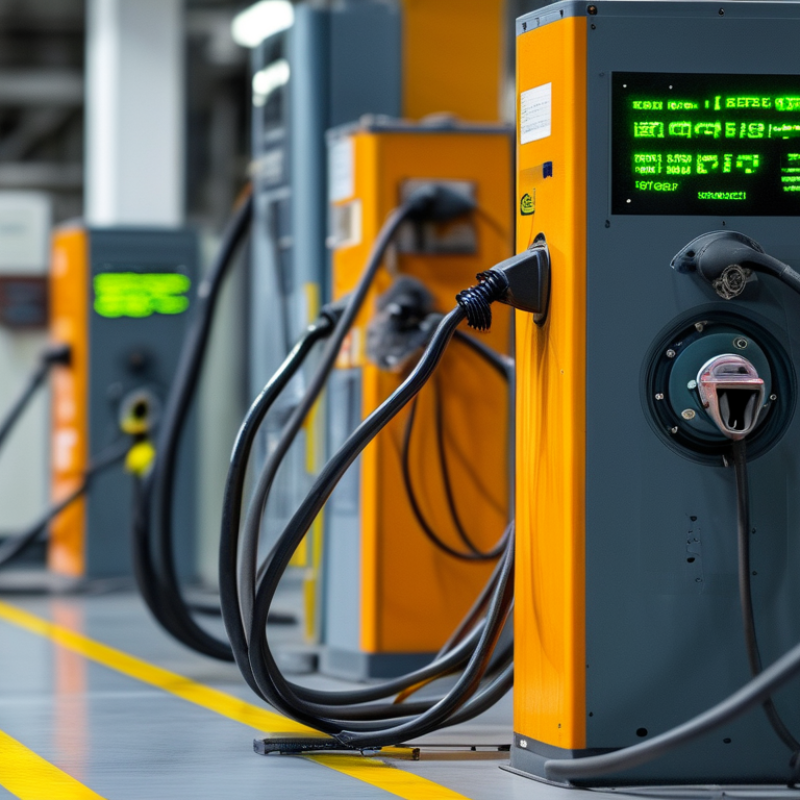
How to Test DC Chargers for Efficiency and Safety Tips?

Understanding the Importance of Testing DC Chargers for Safety

Testing DC chargers for safety is essential in today’s electric vehicle landscape. Many overlook the potential hazards that come with improper charging. An efficient charger converts power effectively, minimizing wastage and ensuring devices charge quickly. However, issues may arise with overheating or improper voltage. Regular testing helps pinpoint these risks.

Examining safety features can reveal underlying problems. Are cables frayed? Is the charger overheating during use? Such details matter. Adequate ventilation is crucial. Poor design can lead to safety risks, including fire hazards. Testing chargers not only enhances efficiency but also protects against electrical mishaps.

Engaging with experts for testing can provide deeper insights. Many users may assume their chargers are safe without verifying. This assumption can be dangerous. Professionals can offer valuable advice on best practices and highlight potential improvements. Regular assessments should be part of a responsible charging routine.

How to Test DC Chargers for Efficiency and Safety Tips? - Understanding the Importance of Testing DC Chargers for Safety

Test Parameter Recommended Value Measurement Method Safety Consideration
Input Voltage 12V - 48V Multimeter Ensure proper fits
Output Current 1A - 10A Clamp Meter Short circuit protection
Charging Efficiency >85% Power Meter Heat dissipation
Temperature Rise <40°C Thermometer Avoid overheating
Insulation Resistance >1 MΩ Insulation Tester Prevent shocks

Key Components of DC Chargers to Assess for Efficiency

DC chargers are pivotal in our shift towards electric mobility. Understanding key components is essential for assessing their efficiency. A high-quality charger typically includes a power conversion module, cooling systems, and safety features. The power conversion module directly affects energy loss. Studies suggest that over 20% of energy can be wasted due to subpar conversion efficiency.

Cooling systems are crucial too. Efficient chargers manage heat effectively, maintaining optimal operating temperatures. For instance, excessive heat can reduce charger life by up to 30%. Regular monitoring and maintenance are vital. Moreover, safety features like overvoltage protection can prevent damage and potential hazards.

Evaluating these components reveals much about a charger's reliability. The industry standard indicates that chargers should operate at least 95% efficiently for optimal performance. However, not all products meet this benchmark. It’s essential to consider these factors when choosing a DC charger. Evaluating components rigorously can lead to better investment decisions.

Step-by-Step Guide to Measuring Charger Efficiency

Testing DC chargers for efficiency is crucial for safety and performance. To measure charger efficiency, begin by ensuring your workspace is safe. Use a multimeter to check the voltage output from the charger. Accurate readings are vital. If readings are inconsistent, take a moment to troubleshoot. Your multimeter should be functioning properly.

Next, measure the current flowing into the device being charged. Knowing the input current helps calculate efficiency. You can record the charging time and the capacity of the battery being charged. Use the formula: Efficiency = (Output Power/Input Power) x 100%. If the results seem off, reassess your data collection methods. Sometimes it's easy to miss small details.

Finally, consider the thermal performance of the charger. If it overheats, it may indicate inefficiency. Touch the charger during testing. Be cautious to avoid burns. Reliability in results requires patience and attention to detail. Assessing these aspects not only ensures efficiency but also enhances safety during usage.

Safety Protocols When Testing DC Chargers

When testing DC chargers, safety protocols are crucial. Start by ensuring that the testing environment is dry and well-ventilated. This reduces the risk of electrical shocks and other hazards. Always use insulated tools and wear rubber gloves. Confirm that the charger is unplugged before connecting any testing equipment.

While performing tests, consider the current and voltage ratings. These specifications help prevent overloads. Monitor the charger for heat buildup, as excessive heat can indicate inefficiencies or electrical faults. Regularly inspect all testing equipment for wear or damage. A faulty lead can lead to dangerous situations.

Document each test meticulously. This record can reveal patterns over time. Reflect on any unexpected results and investigate anomalies. Maintaining a consistent testing protocol can enhance reliability. Remember, safety is not just a checklist; it’s an ongoing commitment.

Interpreting Test Results and Making Necessary Adjustments

Testing DC chargers is essential for safety and efficiency. Interpreting test results correctly can prevent potential hazards. After running tests, check the voltage and current output. Compare these values to the specifications. A significant deviation indicates a problem. It’s vital to note that environmental factors can affect readings. Ensure a controlled environment during tests for accurate results.

Adjustments may be necessary based on test outcomes. If the efficiency is below expected levels, inspect the components. Look for damaged wires or poor connections. These issues can lead to energy loss and increased risk. Regularly reviewing test data helps identify patterns. A noticeable change in performance may signal underlying problems.

Reflect on your testing methods. Are they consistent and thorough? Sometimes, a seemingly accurate result may hide deeper issues. Document all findings meticulously and involve experts for second opinions. Continuous learning and adjustments can enhance safety. Always prioritize reliability in your testing practices. Stay proactive in addressing any discrepancies in results.

FAQS

: Why are DC chargers important?

: DC chargers are vital for supporting electric mobility and reducing energy loss during charging.

What are the key components of an efficient DC charger?

Key components include the power conversion module, cooling systems, and safety features.

How does the power conversion module affect efficiency?

It significantly impacts energy loss; subpar efficiency can waste over 20% of energy.

What role do cooling systems play in charger efficiency?

They manage heat, maintaining optimal temperatures and enhancing charger lifespan by up to 30%.

What safety protocols should be followed during testing?

Ensure the environment is dry, use insulated tools, and wear rubber gloves to prevent hazards.

Why is documenting test results important?

It helps identify patterns and track the performance of the charger over time.

What should be done if test results show significant deviations?

Inspect components, look for damaged wires, and check connections for potential energy loss.

How can environmental factors affect testing results?

Changes in conditions can lead to inaccurate readings; a controlled environment is necessary for reliability.

What is a common oversight during testing?

Sometimes, tests may appear accurate while masking deeper issues; consistency is key.

How should one approach ongoing safety improvements?

Regular reviews, expert involvement, and proactive actions are crucial for enhancing safety and reliability.

Conclusion

In the article titled "How to Test DC Chargers for Efficiency and Safety Tips," the importance of thoroughly testing DC chargers is emphasized to ensure both their efficiency and safety. The article outlines key components that should be assessed during this testing process, including the charger's design, electronic elements, and the overall performance under various conditions. Following a step-by-step guide can enable users to measure the efficiency of DC chargers accurately, providing essential insights into their operational effectiveness.

Additionally, safety protocols are crucial when testing DC chargers to prevent hazards and ensure reliable performance. After conducting tests, interpreting the results is vital for making necessary adjustments, ensuring that the chargers meet safety standards while maximizing efficiency. Overall, understanding how to test DC chargers for efficiency and safety is essential for maintaining the integrity of charging systems.

Madeline

Madeline

Madeline is a dedicated marketing professional with a wealth of expertise in our company's core offerings. With a keen understanding of the industry, she brings a unique perspective to her role, consistently delivering high-quality content that highlights the superior aspects of our products. As......