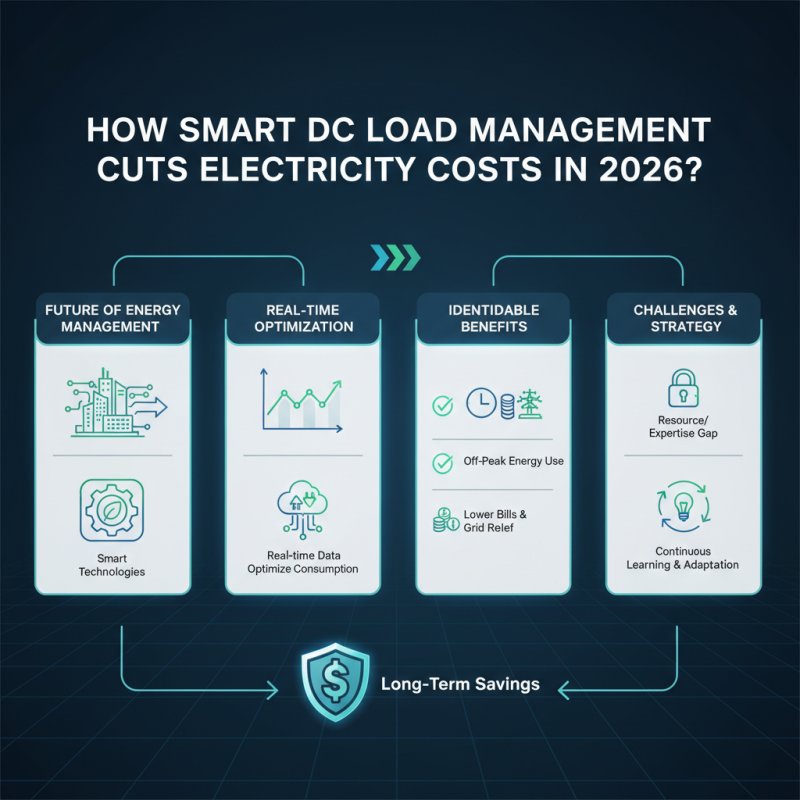
As we venture into the future of energy management, the concept of "how smart DC load management reduces electricity costs" becomes increasingly relevant. In 2026, many industries are expected to revolutionize their approach to energy usage. Smart technologies are emerging as essential tools for reducing expenses. These systems use real-time data to optimize electricity consumption. By harnessing this data, businesses can lower their electricity bills significantly.
The implementation of smart DC load management brings identifiable benefits. For instance, companies can shift their energy use to off-peak times. This not only saves costs but also alleviates pressure on the grid. However, challenges remain. Not every organization has the resources or expertise to adopt these advanced systems. This gap highlights the need for reliable guidance and support in maximizing energy efficiency.
Moreover, businesses must remain vigilant about the evolving landscape of energy management. Continuous learning and adaptation are crucial for sustaining savings over time. A holistic strategy that embraces smart load management can ensure long-term benefits. Ultimately, the journey toward effective energy management is a collaborative effort between technology and informed decision-making.
Smart DC Load Management (SDCLM) is emerging as a pivotal strategy to optimize electricity consumption. It utilizes real-time data analytics to manage energy loads more effectively. By monitoring and controlling DC-powered devices in homes and businesses, SDCLM reduces waste and lowers costs. According to a report by the International Energy Agency, implementing smart load management systems can decrease electricity bills by up to 30%.
The growing need for energy efficiency makes SDCLM crucial. It dynamically adjusts power delivery based on current demand and grid conditions. This technology proves invaluable as more devices transition to DC power, especially in renewable energy integration. In cities, studies show that SDCLM has the potential to reduce peak demand by over 20%.
Tip: Monitor your energy usage habits. Small adjustments can lead to significant savings. Investing in SDCLM technology is essential for a sustainable future. Remember, successful energy management requires regular reviews and adaptations to your system. With the rising costs of electricity, every bit of efficiency counts.
This chart illustrates the projected reduction in electricity costs from 2023 to 2026 through the implementation of Smart DC Load Management techniques. The data demonstrates significant savings across residential and commercial sectors.
Smart DC load management is a pivotal player in enhancing energy efficiency. By intelligently controlling electricity consumption, it reduces waste and optimizes usage. This technology focuses primarily on DC-powered systems like solar panels and electric vehicles. These systems often experience inefficiencies that can be addressed through smarter management.
Energy efficiency is not simply about cutting costs. It involves understanding how energy flows within a system. For instance, improper load scheduling can lead to peaks in demand, driving prices up. Smart DC load management analyzes patterns, ensuring demand aligns with supply. This fine-tuning can lead to significant savings and a reduced carbon footprint.
Challenges exist. Not all systems are compatible with smart DC management, creating barriers to implementation. Additionally, achieving a balanced load requires continuous adjustments and monitoring. Lack of user awareness about these technologies can hinder widespread adoption. Despite these hurdles, the potential benefits for energy efficiency are undeniable and critical for future sustainability.
Smart DC Load Management is transforming how we save on electricity costs. This innovative approach optimizes energy consumption by strategically managing loads in real time. In 2026, reports show significant savings achieved through this technology. By shifting electrical loads during peak hours, businesses can lower their utility bills substantially.
During implementation, users noticed some challenges. Not all systems integrate seamlessly with legacy infrastructure. Some organizations faced initial resistance to change. However, the end results often outweigh these obstacles. Early adopters experienced a decrease in energy costs by up to 30%.
Reliability is key in these systems. Continuous monitoring helps identify inefficiencies. Optimizing energy use not only saves money but also contributes to sustainability. Users must stay informed about best practices. Exploring these details can provide deeper insights into how smart DC load management brings real savings.
As we look towards 2026, smart DC load management technologies are set to revolutionize electricity consumption. By efficiently distributing power, these systems can significantly lower costs. According to a report by the International Energy Agency, implementing advanced load management could reduce electricity bills by up to 30%. This technology helps balance energy supply and demand in real-time, allowing businesses to thrive.
Achieving optimal energy management requires awareness and adaptation. For instance, using sensors to monitor usage can identify patterns in demand. Smart algorithms adjust power distribution, preventing overloads and excess energy waste. A study from the U.S. Department of Energy outlines that by employing these methods, industries could see a 15% reduction in peak demand charges.
Tips: Invest in training your team to operate these systems effectively. Regular audits of energy consumption can reveal further savings opportunities. Engaging employees in energy-saving initiatives fosters a culture of sustainability. The journey is ongoing, and it's crucial to refine these processes continually to maximize efficiency and cost-saving potential.
The shift from traditional to smart DC load management is a game-changer. Traditional systems rely heavily on fixed schedules and manual intervention. They often lead to inefficiencies and excessive energy waste. Users face higher bills, particularly during peak hours.
Smart DC load management, on the other hand, offers real-time monitoring and automation. This technology adjusts energy consumption based on demand and availability. It significantly reduces costs by optimizing energy use. Users can even set priorities for essential devices. However, it requires initial investment and training. Some may struggle with the transition, and not all systems integrate seamlessly.
Comparative analyses show smart systems outperform traditional ones in specific scenarios. They lower operational costs and improve sustainability. Yet, challenges remain. Awareness and understanding of technology can vary widely among users. Not everyone is quick to adapt, leading to inconsistent benefits. Balancing efficiency and user engagement is crucial for successful implementation.
: SDCLM optimizes electricity consumption by using real-time data analytics. It helps manage energy loads effectively.
Implementing SDCLM can reduce electricity bills by up to 30%. This is significant for homes and businesses alike.
SDCLM dynamically adjusts power delivery based on demand. It is crucial as more devices shift to DC power.
Studies show SDCLM can lower peak demand by over 20% in cities. This keeps the grid more balanced.
Monitoring energy usage can lead to big savings. Small adjustments in habits can make a difference.
Sensors monitor usage and identify demand patterns. This data helps in adjusting power distribution smartly.
Regular reviews of energy management systems are key. Adaptations may reveal new savings opportunities over time.
Training team members to operate these systems is essential. Continuous learning fosters effective usage.
Technologies in SDCLM are set to revolutionize energy consumption, significantly lowering costs and improving efficiency.
Engaging employees in sustainability initiatives is important. Their participation fosters a shared commitment to efficiency.
The article "How Smart DC Load Management Cuts Electricity Costs in 2026" explores innovative strategies to manage electricity consumption through smart direct current (DC) systems. It begins with a concise overview of smart DC load management, highlighting its significance in enhancing energy efficiency. By intelligently distributing electrical loads, this approach allows for significant cost savings by optimizing energy use and reducing waste.
Furthermore, the article analyzes how smart DC load management compares to traditional methods, emphasizing its efficiency in overall energy management. Looking ahead to 2026, it discusses anticipated advancements in smart DC technologies that will further improve cost reduction. Ultimately, the article illustrates how smart DC load management reduces electricity costs, making it a crucial element for businesses and consumers aiming to achieve sustainable energy practices.

Vernon Charger