How to Select High Power DC Charging Hubs for Global Procurement?

Time:2026-07-01 Author:Charlotte
0%

Selecting the right high-power DC charging hubs is crucial for sustainable energy solutions. As the demand for electric vehicles (EVs) grows, organizations face challenges. "Choosing the appropriate infrastructure is essential for effective energy management," says Dr. Emily Chen, a leading expert in charging technologies. Her insights stress the importance of a strategic approach.

When considering how to select high-power DC charging hubs, factors include location, power output, and compatibility. Infrastructure must meet current and future needs. Detailed assessments on space and accessibility are essential. Moreover, analyzing the equipment reliability can prevent costly downtimes. Every decision influences the overall efficiency and user experience.

Improving our understanding of charging systems is vital. Often, professionals underestimate infrastructure costs. Relying on outdated systems can lead to inefficiencies. Organizations must be proactive and reevaluate their charging solutions regularly. The insights from experts like Dr. Chen guide impactful decision-making in this rapidly evolving field.
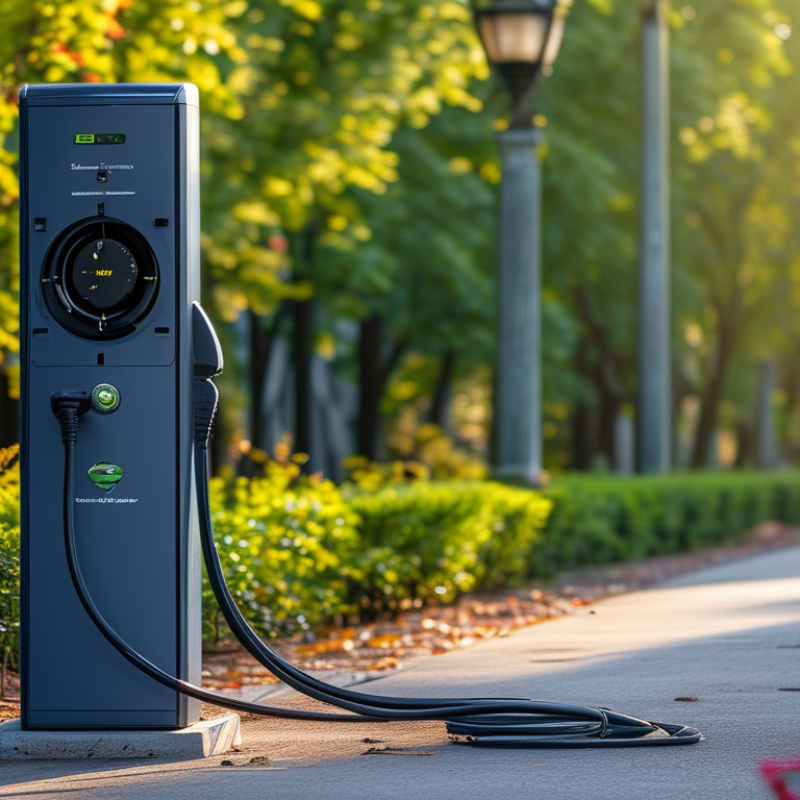
How to Select High Power DC Charging Hubs for Global Procurement?

Criteria for Evaluating High Power DC Charging Hubs

When evaluating high power DC charging hubs for global procurement, key criteria come into play. One must consider charging speed, compatibility, and safety features. Rapid charging capabilities significantly enhance the user experience. Look for hubs that can deliver 150 kW or more. This ensures electric vehicles can recharge quickly and efficiently.

Next, compatibility with various EV models is crucial. A versatile charging hub can serve multiple vehicle brands. This flexibility reduces downtime and operational costs. Safety features should not be overlooked. Proper insulation, overcurrent protections, and fault detection reduce the risk of accidents.

Beyond technical specifications, consider the supplier’s reliability. A reputable supplier provides ongoing support and maintenance. Warranty conditions must also be clear. It’s essential to understand that not all solutions suit every situation. Local grid capacities may limit performance. Thus, analyzing site-specific requirements can reveal gaps. The quest for the ideal charging hub will require continuous refinement and assessment.

How to Select High Power DC Charging Hubs for Global Procurement? - Criteria for Evaluating High Power DC Charging Hubs

Criteria Description Importance (1-5) Weight (%)
Charging Power Output The maximum power the hub can deliver, typically measured in kW. 5 30
Compatibility The types of electric vehicle standards and connectors supported. 4 25
Efficiency How effectively the charging hub converts input power to output power. 4 20
Safety Features Built-in protections against electrical faults and user safety protocols. 5 15
Cost of Ownership Initial purchase cost, installation, and ongoing maintenance expenses. 3 10

Understanding Different Types of DC Charging Technologies

The selection of high-power DC charging hubs requires a deep understanding of various charging technologies. DC fast charging is essential for supporting electric vehicle (EV) growth. According to a 2022 report by the International Energy Agency (IEA), the use of fast chargers is projected to rise to 1.3 million by 2030. This explosive growth highlights the need for robust infrastructure.


Several types of DC charging technologies exist. The most common are CCS (Combined Charging System) and CHAdeMO. CCS is widely adopted in Europe and North America, offering up to 350 kW. Conversely, CHAdeMO, popular in Japan, provides charging rates up to 62.5 kW. This difference leads to unique considerations in deployment. Not all EVs support the same standards, complicating charger selection.


Prospective buyers must also evaluate compatibility. Many systems require software updates to enhance functionality. Some units fall short of providing optimal user experience, especially in busy cities. Additionally, ongoing maintenance and repair services vary significantly. Selecting a hub without considering these factors can lead to dissatisfaction. Thus, a detailed investigation into end-user needs and long-term performance is crucial.

Assessing Regional Market Demands for Electric Vehicle Infrastructure

Selecting high power DC charging hubs requires careful attention to regional market demands. Understanding local preferences is essential for effective procurement. Each region has unique qualities. These differences affect the type of infrastructure needed. For instance, urban areas may require more charging points than rural ones. Traffic patterns can also indicate demand for faster charging solutions.

Analyzing demographic trends is vital. Local government policies can influence electric vehicle adoption. Policy incentives can boost market growth significantly. However, reliance on these can be risky. Market conditions may change, which affects long-term planning. Sustainable energy sources are another factor to consider. Regions with a strong focus on renewables may demand different technology requirements.

Engaging with local stakeholders can provide deeper insights. Their experiences can reveal potential gaps in the market. Yet, engaging the wrong stakeholders can lead to flawed assumptions. It’s important to validate insights with data. Ensure to balance local knowledge with wider industry trends. Continuous feedback loops can enhance the understanding of evolving market needs.

Analyzing Supplier Capabilities and Reliability in Global Procurement

Choosing high-power DC charging hubs involves a careful evaluation of suppliers. It's not just about the price. Reliability is crucial. Assessing technical capabilities helps in selecting technology aligned with your needs. Look for suppliers with a strong track record in performance.


Supplier performance metrics offer insights into their reliability. Consider factors like lead times and service quality. It's essential to analyze past projects to gauge their capability. Also, seek feedback from existing users. Real-world experiences reveal practical strengths and weaknesses.


Be aware that not all suppliers will meet expectations. Some may have impressive portfolios but lack consistent support. Document flaws during evaluations. This can guide future decisions. Understand that every procurement process can be improved through reflection and learning from past choices.

Evaluating Cost-Effectiveness and Return on Investment for Charging Hubs

When evaluating the cost-effectiveness of high-power DC charging hubs, data from the International Energy Agency (IEA) reveals that the global demand for electric vehicles (EVs) will rise significantly in the coming years. A report projects a 20% increase in EVs by 2025, influencing the need for efficient charging infrastructure. Investing in charging hubs requires a detailed assessment of operational costs, usage efficiency, and potential revenue from charging services.

Effective procurement strategies should factor in installation and maintenance costs, as well as energy pricing. For instance, a study from EVBox indicates that operational costs could account for up to 40% of the total cost of ownership for charging stations. Additionally, analyzing the utilization rates of hubs is vital. A poorly utilized hub may struggle to generate a return on investment.

Using analytics tools can significantly aid decision-making. Metrics such as charge point availability and average time between charges provide insights into hub performance. This can lead to identifying underperforming assets. Regularly revising procurement choices based on evolving technology and market trends is necessary for sustained profitability. Emphasizing reliable data can steer investment toward the most promising infrastructures, despite inherent market uncertainties.

Cost-Effectiveness of High Power DC Charging Hubs

This chart represents the evaluation of cost and return on investment (ROI) for different types of high power DC charging hubs.

FAQS

: What are key criteria for selecting high power DC charging hubs?

: Important criteria include charging speed, compatibility with various EV models, and safety features.

Why is charging speed important?

Rapid charging capabilities improve user experience, enabling faster EV recharges of 150 kW or more.

How does compatibility affect charging hub selection?

A hub that supports multiple vehicle brands reduces downtime and minimizes operational costs.

What safety features should be considered?

Look for proper insulation, overcurrent protections, and fault detection to enhance safety.

Why is supplier reliability crucial in procurement?

A reliable supplier offers support and maintenance, ensuring consistent performance and dependability.

How can I assess a supplier’s reliability?

Review performance metrics like lead times, service quality, and feedback from existing users for insights.

What are the cost factors in high-power DC charging hubs?

Consider operational costs, installation, maintenance, and energy pricing for overall cost-effectiveness.

Why analyze hub utilization rates?

Poorly utilized hubs may not generate sufficient return on investment, affecting overall profitability.

How can analytics tools assist in decision-making?

They provide insights into charge point availability and performance, helping identify underperforming assets.

What reflects the need for continuous evaluation in procurement?

Market trends and evolving technology require regular review to improve procurement decisions over time.

Conclusion

Selecting high-power DC charging hubs for global procurement requires a comprehensive evaluation across various criteria. Key factors include understanding the different types of DC charging technologies available and their relevance to your infrastructure needs. It's essential to assess regional market demands to ensure alignment with local electric vehicle usage patterns, as this can significantly impact the effectiveness of the charging solutions.

Additionally, analyzing supplier capabilities and reliability is crucial to guarantee sustainability and dependability in your procurement process. Cost-effectiveness and the return on investment should also be central considerations, as they will influence the overall financial viability of the charging hubs. By focusing on these aspects, stakeholders can effectively navigate "how to select high-power DC charging hubs" that meet both current and future demands.

Charlotte

Charlotte

Charlotte is a seasoned marketing professional with a deep understanding of the company's portfolio and a passion for elevating its presence in the market. With a keen eye for detail and a commitment to excellence, she ensures that our professional blog is regularly updated with insightful articles......