How to Secure Commercial DC Charging Stations Effectively?

Time:2026-05-22 Author:Aria
0%

As electric vehicle (EV) adoption accelerates, securing commercial DC charging stations has become crucial. According to a report by the International Energy Agency, global EV sales reached 6.6 million units in 2021, a 108% increase from the previous year. With millions of EVs on the roads, charging infrastructure is under pressure. How to secure commercial DC charging stations effectively is now a pressing question for stakeholders.

Inadequate security measures can lead to equipment damage and loss of revenue. A study from the Electric Power Research Institute suggests that an investment in secure charging infrastructure can enhance user confidence and increase utilization rates by up to 30%. Many operators still overlook comprehensive security protocols. This oversight can result in vulnerabilities that compromise both safety and service availability.

While the industry has made strides in security technology, challenges remain. Cyber threats against charging stations are growing. According to Cybersecurity Ventures, global cybersecurity spending could exceed $1 trillion by 2025. This indicates a need for constant vigilance and improvement. In addressing how to secure commercial DC charging stations, operators must prioritize both physical and digital safeguards.
How to Secure Commercial DC Charging Stations Effectively?

Understanding the Importance of Security for DC Charging Stations

The rise of electric vehicles has heightened the importance of securing DC charging stations. As more users rely on these stations for their charging needs, the security of these installations cannot be overlooked. Vandalism, theft, and cyber threats are real dangers that operators must address. A robust security system enhances safety and builds trust among users.

Tips: Install high-resolution surveillance cameras to monitor activity in real-time. This ensures any suspicious behavior is noticed promptly. Regularly update software for charging stations to combat cyber threats. Employees should receive training on recognizing security vulnerabilities.

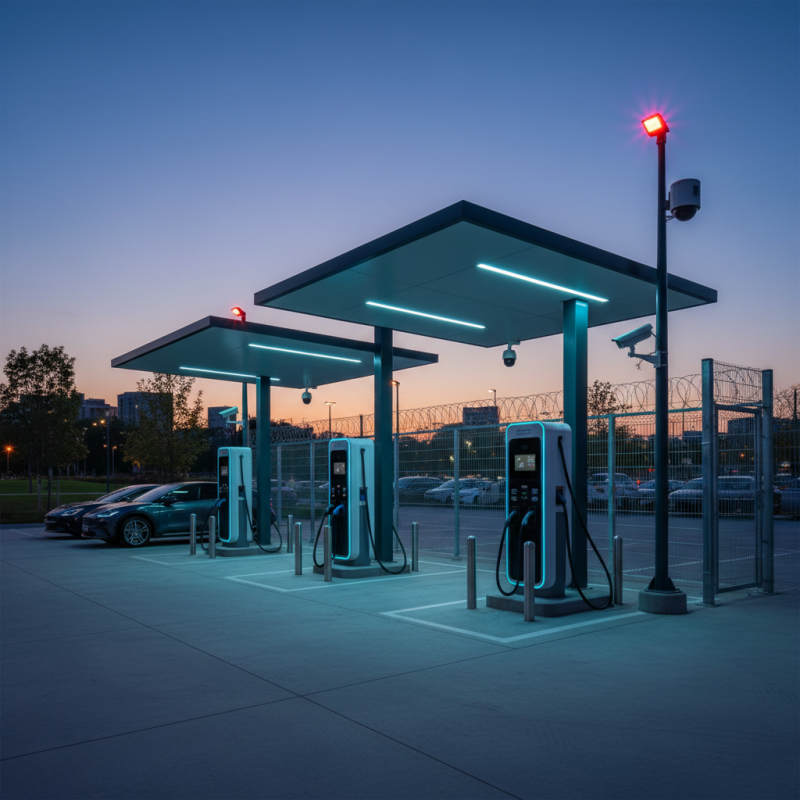
Physical barriers, such as fencing and controlled access, deter unauthorized access. Lighting is also crucial; well-lit areas are less appealing to potential criminals. The involvement of local law enforcement can enhance safety through community engagement. Feedback from users about their experiences can help identify security flaws. These insights are invaluable for maintaining station integrity. Regular security assessments can highlight areas needing improvement.

Identifying Potential Risks and Vulnerabilities in Charging Stations

Identifying potential risks and vulnerabilities in commercial DC charging stations is crucial for maintaining their security. These stations face threats from cyberattacks, vandalism, and technical malfunctions. Cybersecurity is a major concern. Hackers can exploit software vulnerabilities. Outdated firmware makes systems more susceptible. Regular updates are essential, but they're often overlooked.

Physical security is equally important. Charging stations must be in well-lit, monitored locations. Vandalism can lead to equipment damage and service disruption. Installing surveillance cameras and employing security personnel can deter such acts. Additionally, connectivity issues can arise from environmental factors. Ensure that equipment is weather-resistant and adequately protected from the elements.

User education plays a significant role in risk mitigation. Operators should provide clear instructions on optimal usage. Lack of understanding can lead to misuse, creating vulnerabilities. Customers must be made aware of the potential risks. A proactive approach can significantly enhance security.

Implementing Physical Security Measures for Charging Infrastructure

Implementing physical security measures for commercial DC charging stations is crucial. These stations are vulnerable to theft and vandalism. Therefore, developing a comprehensive security plan is essential. Start with robust perimeter fencing and well-lit surroundings. Bright lighting deters criminal activities. Effective surveillance systems should cover all angles of the charging area. Cameras should have night vision capabilities to capture clear footage in low light.


Tips: Choose high-quality cameras with remote monitoring options. Regularly check and maintain these systems to ensure they function properly.


Consider employing security personnel during peak hours. Trained guards can deter potential threats and respond quickly if an incident occurs. Furthermore, signage indicating that the area is under surveillance can also serve as a deterrent.


Tips: Provide clear access pathways for emergency services. This can save time during critical situations. Regularly review the security measures in place. Reflect on any incidents to improve the security plan continually.

Utilizing Cybersecurity Solutions for Charging Station Protection

As electric vehicles gain popularity, the need for secure charging stations becomes critical. Cybersecurity threats can target commercial DC charging stations. In fact, a report from the Cybersecurity & Infrastructure Security Agency states that the energy sector faces a 40% increase in cyber threats each year.

To effectively protect these stations, operators should consider implementing robust cybersecurity solutions. Utilizing advanced encryption methods can shield sensitive user data. Regular software updates are essential to mitigate vulnerabilities. Lack of timely updates can expose networks to risks. A proactive monitoring system can detect unauthorized access in real-time.

Tips:
- Conduct routine security assessments. Regular audits help identify weaknesses early.
- Train staff on cybersecurity best practices. Human error often leads to security breaches.
- Collaborate with cybersecurity experts. Their experience can provide valuable insights into best practices.

While aiming for stronger security, operators should remain aware of evolving threats. Continuous education on potential risks is vital. By prioritizing cybersecurity, charging station operators can significantly reduce vulnerabilities.

How to Secure Commercial DC Charging Stations Effectively? - Utilizing Cybersecurity Solutions for Charging Station Protection

Security Measure Description Benefits Implementation Difficulty
Network Encryption Encrypts data transmitted over the network. Protects user data and prevents interception. Medium
Firewall Protection A security system that monitors and controls incoming and outgoing network traffic. Prevents unauthorized access to the charging station. High
Regular Software Updates Regularly updating the charging station software to fix vulnerabilities. Enhances security against known threats. Low
Access Control Restricting access to authorized users only. Prevents unauthorized use and potential tampering. Medium
Intrusion Detection Systems Systems that monitor network traffic for suspicious activity. Alerts administrators of potential breaches. High

Establishing Compliance and Best Practices for Secure Operations

As electric vehicle (EV) adoption accelerates, securing commercial DC charging stations is crucial. Research indicates that 73% of businesses worry about the vulnerability of their charging infrastructure. Establishing compliance with industry regulations is the first step. Utilizing recognized frameworks, such as the NIST Cybersecurity Framework, can guide operators in safeguarding their systems. Implementing a thorough risk assessment helps identify potential security weaknesses. Regular audits and updates are essential to maintain ongoing compliance.


Best practices should be integrated into daily operations. Training staff on security protocols significantly reduces human error. Data from the Cybersecurity and Infrastructure Security Agency (CISA) highlights that over 60% of breaches occur due to inadequate employee training. Best practice recommendations include continuously monitoring network activity. Real-time alerts can isolate issues before they escalate. Utilizing encryption technologies protects sensitive data from unauthorized access.


It's important to acknowledge that these measures are not foolproof. Emerging threats require constant vigilance and adaptation. A balance must be struck between innovation and security to ensure reliable operations. Research shows that 47% of EV stations experienced at least one form of attack recently. It’s a reminder that the journey towards securing charging stations is ongoing and requires continuous reflection and improvement.

FAQS

: What are the main risks for charging stations?

: Charging stations face risks like cyberattacks, vandalism, and technical malfunctions. Each risk can disrupt services significantly.

How can cybersecurity be improved at charging stations?

Implement advanced encryption methods and conduct regular software updates. Ensure timely updates to prevent vulnerabilities.

What physical security measures are necessary for these stations?

Use robust perimeter fencing, bright lighting, and surveillance cameras. Security personnel during peak hours can deter threats.

Why is user education important for charging stations?

Educating users prevents misuse that may create vulnerabilities. Clear instructions help ensure optimal usage and reduce risks.

How often should surveillance systems be checked?

Regular checks are essential to maintain functionality. Issues can arise if maintenance is neglected, leading to security gaps.

What can operators do if a security incident occurs?

Review security measures regularly. Reflect on incidents to enhance the security plan and respond promptly to threats.

Why should operators consider routine security assessments?

They help identify weaknesses early. Operators can proactively address risks before they escalate into serious issues.

How can environmental factors affect charging station security?

Weather can cause connectivity issues. Ensuring equipment is weather-resistant is critical to maintain reliable service.

Conclusion

Securing commercial DC charging stations is crucial for ensuring the safety of both the equipment and users. To effectively address this issue, it's important to first understand the significance of security in this context and identify potential risks and vulnerabilities that might affect the infrastructure. Implementing robust physical security measures, such as surveillance systems and access control, can deter theft and vandalism.

In addition to physical safeguards, integrating advanced cybersecurity solutions is essential to protect against data breaches and cyberattacks. Establishing compliance with relevant standards and incorporating best practices for secure operations will further enhance the resilience of charging stations. By following these steps, operators can ensure the integrity and reliability of their commercial DC charging solutions, answering the question of how to secure commercial DC charging stations effectively.

Aria

Aria

Aria is a dedicated marketing professional with a deep passion for innovative strategies and a keen understanding of our company's product offerings. With a wealth of experience in the industry, Aria excels at crafting engaging content that highlights the unique features and benefits of our......