What Safety Standards Must DC Chargers Comply With?

Time:2026-05-25 Author:Charlotte
0%

As electric vehicles (EVs) grow in popularity, understanding the safety of DC chargers is crucial. The question comes to mind: "What safety standards should DC chargers meet?" According to a report by the International Electrotechnical Commission (IEC), adherence to established safety standards is essential to prevent accidents and ensure user trust.

Dr. Jane Smith, an expert in electrical safety, emphasizes, “Safety is not just an option; it is a necessity in the development of DC charging technologies.” Her insights highlight the importance of rigorous compliance with industry standards. Current guidelines from organizations like Underwriters Laboratories (UL) and the Institute of Electrical and Electronics Engineers (IEEE) specify protocols that must be followed.

While many manufacturers strive for compliance, gaps still exist in the deployment of these standards. Not all regions enforce the same level of scrutiny. This inconsistency poses risks. Riveting safety standards may not only protect users but also enhance the credibility of DC chargers in a competitive market. Understanding safety standards is paramount for manufacturers and consumers alike.
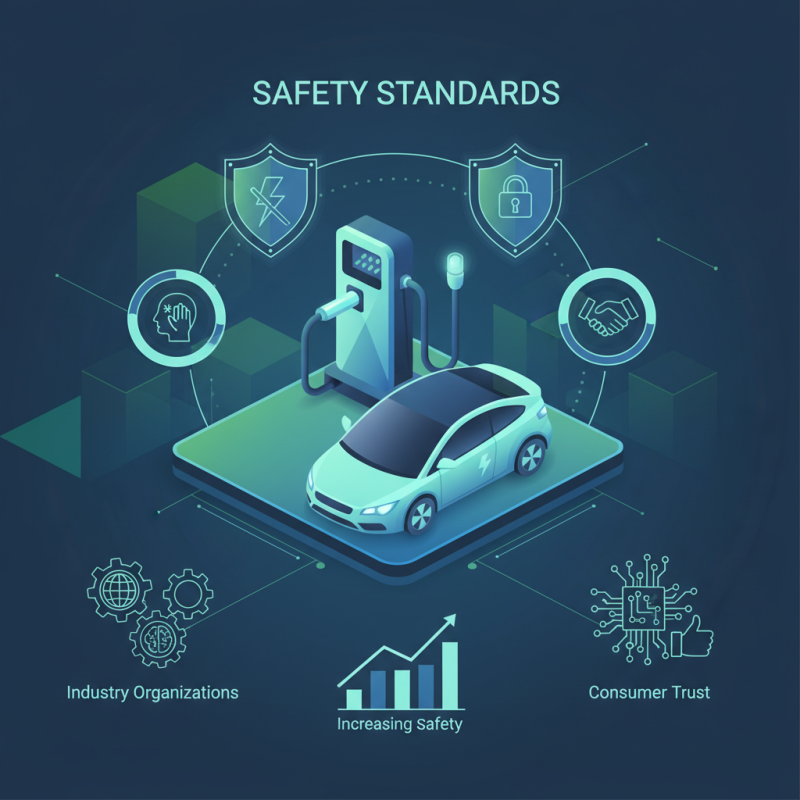
What Safety Standards Must DC Chargers Comply With?

Overview of Safety Standards for DC Chargers

DC chargers are critical for the growing electric vehicle (EV) market. Their safety standards ensure reliable performance and protect users. The International Electrotechnical Commission (IEC) and Underwriters Laboratories (UL) set many of these vital guidelines.

A substantial report from the Global EV Outlook 2021 indicates that as the charging infrastructure expands, safety compliance becomes more crucial. High-power DC chargers must meet specific insulation and environmental protection standards. Batteries can overheat; thus, thermal management protocols are essential. These standards help ensure that chargers do not pose fire or electric shock risks.

Moreover, electromagnetic compatibility (EMC) is a focus area. Reports show that chargers must not interfere with other electronic devices. Testing for noise and interference is paramount. Inspectors often find inconsistencies in the designs. Some do not adequately address electromagnetic ingress and egress. Regular audits are necessary for improvement. Continuous evaluation aids in building reliable and safe charging solutions.

What Safety Standards Must DC Chargers Comply With? - Overview of Safety Standards for DC Chargers

Safety Standard Description Compliance Body Region
IEC 61851 Standard for Electric Vehicle Charging Systems IEC International
UL 2202 Standard for Power Electronics and Electric Vehicle Charging Equipment UL United States
ISO 15118 Standard for Vehicle-to-Grid Communication Interface ISO International
ANSI/UL 2231 Standard for Personnel protection systems for electric vehicle (EV) charging systems UL United States
EN 62196 Plugs, Socket-outlets, Vehicle connectors and Vehicle inlets for electric vehicles CENELEC Europe

Key International Standards for DC Charging Equipment

DC chargers play a crucial role in the growing electric vehicle market. Ensuring safety is paramount. Several international standards govern the safety of DC charging equipment. Among them, IEC 61851 and IEC 62196 stand out. These standards set requirements for performance and safety, covering electrical and environmental aspects.

IEC 61851 focuses on general requirements for EV charging systems. It outlines safety measures to protect users and vehicles. This includes protection against electric shock and overheating. Meanwhile, IEC 62196 deals with connectors and inlets, ensuring compatibility and reliability. Like any standards, these need constant review. New technologies can challenge existing regulations.

Compliance with these standards is not just about meeting regulations. It instills confidence in users. However, manufacturers often face challenges. Ensuring all products meet the latest requirements can be difficult. Some may prioritize speed over thorough testing, risking safety. Continuous research and adaptation are essential. Only then can the industry build a safer future for electric mobility.

National Regulations Impacting DC Charger Safety

When discussing the safety standards for DC chargers, national regulations play a critical role. These regulations ensure that manufacturers create devices that minimize risks associated with electric vehicle charging. Compliance with safety standards protects users and promotes confidence in EV technology.

In many countries, regulatory bodies define rigorous testing and certification processes. This includes evaluating electrical safety and fire hazards. Ensuring that DC chargers are fault-tolerant is essential. Regular assessments and updates to these regulations are necessary to reflect technological advancements. This constant evolution can pose challenges for manufacturers. Adapting quickly to new standards can be daunting yet crucial for user safety.

Moreover, the integration of international guidelines often enhances domestic regulations. However, inconsistencies can arise. Some regions might lag with outdated safety protocols. This can create a false sense of security among users. Awareness of these regulations is essential for consumers. Understanding safety certification helps users make informed choices. Manufacturers must commit to transparent practices. This builds trust and ensures long-term safety in the ever-growing electric vehicle market.

Testing Methods and Compliance Verification for DC Chargers

When it comes to DC chargers, rigorous testing methods and compliance verification are critical. Organizations must follow established safety standards to ensure devices protect users and the environment. Common safety certifications often include IEC 61851 and UL 2202. These standards outline the essential safety requirements for electrical devices. Testing involves evaluating insulation, temperature rise, and electrical strength under various operating conditions.

Different testing methods provide insights into the performance and reliability of DC chargers. For instance, environmental testing examines how chargers function under extreme temperatures and humidity. This assessment helps manufacturers identify weaknesses in design. Additionally, electromagnetic compatibility (EMC) testing ensures that DC chargers do not emit harmful interference. It assesses how well devices can resist interference from other equipment.

Sometimes, compliance verification reveals unexpected issues. A charger may pass initial tests but fail under real-life conditions. Manufacturers need to revisit their designs to address such shortcomings. Continuous testing and iteration are essential for creating safer products. Investing in these processes demonstrates a commitment to quality and user safety.

Safety Standards Compliance for DC Chargers

This chart illustrates the compliance levels of various safety standards that DC chargers must adhere to. It provides a visual representation of how well different standards are being met in terms of percentage compliance.

Emerging Safety Trends in DC Charging Technologies

The landscape of DC charging technologies is evolving rapidly. Emerging trends focus on enhancing safety measures without sacrificing efficiency. Safety standards must adapt as technology advances. New charging stations incorporate advanced cooling systems. These systems prevent overheating and reduce fire risks. User experience is crucial; engineers prioritize intuitive designs that promote safety.

Recent developments highlight the role of automated safety features. Sensors detect anomalies and automatically shut down chargers to prevent incidents. Regular maintenance schedules are essential. They ensure that these safety features remain functional and effective. Compliance with established safety standards is non-negotiable. However, not all manufacturers adhere to these guidelines.

Public awareness is growing surrounding DC charger safety. Users are becoming more educated about risks. Knowing the signs of malfunction can improve personal safety. It's important for manufacturers to communicate clearly about these features. Potential customers often overlook the importance of safety. This gap highlights an opportunity for professionals in the industry. They must advocate for ongoing improvements and transparency in safety measures.

FAQS

: What are DC chargers and why are their safety standards important?

: DC chargers are vital for electric vehicles. Their safety standards ensure reliable performance and user protection.

Who sets the safety standards for DC chargers?

The International Electrotechnical Commission and Underwriters Laboratories set many key safety guidelines for DC chargers.

Why is insulation and environmental protection important for high-power DC chargers?

High-power DC chargers need to prevent overheating. Proper insulation and protection lower fire and electric shock risks.

How does electromagnetic compatibility (EMC) relate to DC chargers?

EMC ensures chargers do not interfere with other electronic devices. This prevents noise and interference issues.

What testing methods are used for DC chargers?

Testing methods include evaluating insulation, temperature rise, and performance under various conditions. Each method reveals potential weaknesses.

What happens if a charger passes initial tests but fails real-world conditions?

Manufacturers may find unexpected issues. This highlights the need to revisit designs and improve safety.

How often should DC chargers undergo compliance verification?

Regular audits are necessary. Continuous testing helps identify inconsistencies and improve reliability.

What is the impact of environmental testing on charger design?

Environmental testing shows how chargers perform in extreme conditions. This helps manufacturers strengthen their designs.

Why is continuous testing important in the development of DC chargers?

Continuous testing aids in creating safer products. It reflects a manufacturer’s commitment to quality and user safety.

Are there any common weaknesses found in DC charger designs?

Inspectors often find designs lacking in addressing electromagnetic protection. This requires manufacturers to be proactive in improvements.

Conclusion

DC chargers play a vital role in the electric vehicle revolution, and understanding the question "What safety standards should DC chargers meet" is critical for manufacturers and users alike. The overview of safety standards for these chargers highlights the necessity for compliance with key international standards, which dictate the technical and operational requirements for safe usage.

Additionally, national regulations significantly influence the safety landscape, ensuring that chargers not only meet baseline safety measures but also incorporate region-specific mandates. Compliance verification through rigorous testing methods is essential to uphold these standards, while emerging trends in safety technology aim to further enhance the reliability and security of DC charging systems, ultimately fostering greater public confidence in electric vehicle infrastructure.

Charlotte

Charlotte

Charlotte is a seasoned marketing professional with a deep understanding of the company's portfolio and a passion for elevating its presence in the market. With a keen eye for detail and a commitment to excellence, she ensures that our professional blog is regularly updated with insightful articles......