How to Safely Install a DC EV Charger at Home?

Time:2026-05-01 Author:Liam
0%

Installing a DC EV charger at home is an important step towards sustainable transportation. However, the process can seem daunting. Knowing how to install a DC EV charger safely is crucial for both efficiency and safety. Many homeowners may feel overwhelmed by the technical requirements. Understanding the best practices will ease these concerns.

Proper installation ensures that the charger operates effectively. It’s vital to consider your home's electrical system capabilities. Hiring a certified electrician may be necessary for optimal results. They can assess your setup and recommend suitable equipment. This reduces risks associated with improper installation.

Take time to research and prepare. Familiarize yourself with local regulations and guidelines. Consider your vehicle's charging needs as well. Inadequate preparation can lead to costly mistakes. Safety should be a priority, so never overlook the details. By approaching the installation with care, you can enjoy the benefits of EV charging at home.
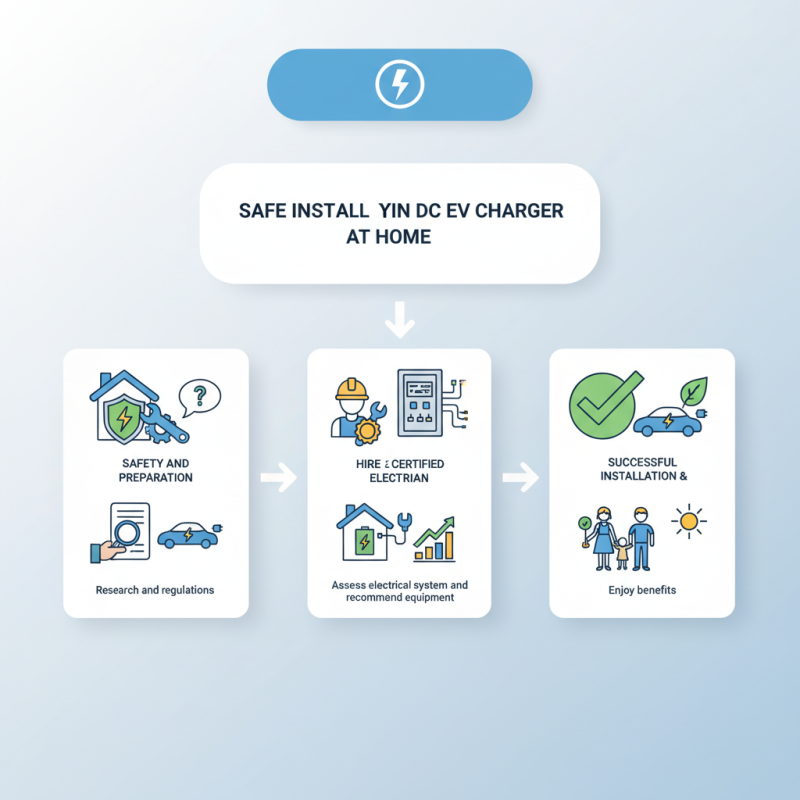
How to Safely Install a DC EV Charger at Home?

Choosing the Right DC EV Charger for Home Installation

When choosing a DC EV charger for home installation, consider key factors that ensure efficiency and safety. Opt for chargers that provide a power output of at least 10 kW, as studies show they reduce charging time significantly. For instance, a 10 kW charger can replenish an EV battery in 6-8 hours, depending on battery capacity. This is vital for daily commuters who rely on swift charging solutions.

Compatibility is crucial. Ensure the selected charger fits your vehicle's specifications. A report by the International Energy Agency states that over 75% of EV owners prefer home charging. So, seamless integration with your EV model enhances convenience. Review the charger’s safety features, including overvoltage protection and thermal management systems. These prevent overheating and potential hazards.

Installation considerations are equally important. Engage a licensed electrician familiar with local regulations. Non-compliance could lead to legal issues. Lack of adherence can also result in equipment failure. Ultimately, taking time to select the right charger offers both peace of mind and efficiency.

Understanding Electrical Requirements for DC EV Charger Installation

When considering the installation of a DC EV charger at home, it's crucial to understand the specific electrical requirements. DC chargers typically require a dedicated circuit and higher amperage than standard chargers. According to the National Renewable Energy Laboratory (NREL), a 50 kW DC fast charger can draw approximately 125 amps. This level of demand necessitates the expertise of a licensed electrician to assess your current electrical system and ensure it can support the new charger.

Homeowners should also be aware of local electrical codes and regulations. Each jurisdiction may have different requirements for installation, which can affect safety and functionality. An electrical inspection is often recommended. Many homeowners overlook the importance of grounding and surge protection, which could lead to expensive repairs in the future.

Tips:

  • Always consult a professional before installation.
  • Ensure your home’s wiring can handle high loads. Overloading circuits is dangerous.
  • Verify local codes to avoid complications.

Ensuring that your electrical infrastructure meets these requirements will not only guarantee safety but also enhance the performance of your DC charger. Investing in the right setup now can prevent costly errors and provide peace of mind as you transition to electric vehicle ownership.

Preparing Your Home and Space for Safe Charger Setup

Preparing your home for a safe EV charger setup requires careful planning and execution. According to the Department of Energy, proper installation can enhance safety and efficiency. Begin by evaluating your electrical system. Homes built before 1990 might need upgrades to handle increased loads. It's crucial to check your main panel's capacity. A standard panel may only support one charger. However, you might need a dedicated circuit for a Level 2 charger.

Consider the location of the charger. Ideally, install it near your parking space. The charger should be accessible yet away from potential hazards like water sources. A minimum clearance of 3 feet is recommended. This allows easy access for maintenance. Organize the space by keeping it free from debris. Proper grounding is essential to prevent electrical shocks. Ensure that you hire a qualified electrician for installation. They will ensure compliance with local codes and regulations.

While DIY projects are tempting, improper installations pose risks. A recent survey found that nearly 30% of home installations did not comply with safety standards. This highlights the need for expert assistance. Engaging professionals minimizes risks and ensures longevity. Evaluate workers' credentials to ensure reliability. Remember, better preparation leads to safer usage. Proper setup means peace of mind for daily charging.

Home Electrical Load Assessment for EV Charger Installation

Step-by-Step Guide to Installing Your DC EV Charger

Installing a DC EV charger at home can seem daunting. However, following a step-by-step approach makes the process manageable. Start by selecting an appropriate location for the charger. Make sure the area is easily accessible and close to your electric panel. Consider the layout of your home to avoid long cable runs.

Next, gather your tools and safety gear. Basic tools, such as drills and wire strippers, will be necessary. Don’t forget gloves and safety glasses. It's crucial to turn off the power supply at the circuit breaker before starting any electrical work. Mistakes during installation can lead to hazards, so double-check your setup frequently.

Connecting the charger to your home's electrical system requires caution. Professional help is advisable if you're unsure about any steps. Ensure electrical connections are secure and insulated. After installation, conduct a thorough check. Look for any frayed wires or loose connections. Testing the charger before use is essential to ensure safety and reliability.

Ensuring Safety and Compliance with Local Regulations and Codes

Installing a DC EV charger at home can be rewarding, but safety must come first. Understanding local regulations is crucial. Different areas have unique codes that govern electrical installations. Consulting a licensed electrician experienced in EV chargers can help clarify these requirements. This ensures the installation meets both safety standards and local laws.

Before installation, check your local guidelines. Some regions require permits or inspections. Familiarize yourself with these regulations to avoid fines. Inadequate grounding or incorrect wire sizing can lead to severe hazards. Safety is paramount, especially when dealing with high-voltage systems.

Additionally, consider the location of your charger. Placing it too close to flammable materials can be risky. Ensure it’s accessible but not obstructive. Regular maintenance checks are essential for long-term safety and efficiency. An oversight today could lead to issues tomorrow.

FAQS

: What are the electrical requirements for installing a DC EV charger?

: DC chargers need dedicated circuits and higher amperage, often around 125 amps for a 50 kW charger.

Why is consulting a professional electrician necessary?

A licensed electrician can evaluate your electrical system to ensure it safely supports the new charger.

What local regulations should I be aware of before installing a charger?

Local codes vary; some regions may require permits and inspections for charger installation.

How can I prepare my home for a charger installation?

Assess your electrical system, ensuring your main panel can handle the load and ensuring proper grounding.

What is a safe location for installing a home charger?

Place the charger near your parking space, away from hazards like water sources, with at least 3 feet of clearance.

What are the risks of DIY installation?

Improper installations can lead to significant hazards and may not comply with safety standards.

How can I ensure my charger setup is efficient and safe?

Hire a qualified electrician, adhere to local codes, and conduct regular maintenance checks.

What should I consider regarding grounding?

Proper grounding is vital to prevent electrical shocks and ensure safety during charger use.

How can local regulations impact my installation?

Not following local guidelines may result in fines and unsafe installations that could lead to future hazards.

What could I overlook during the installation process?

Many forget the need for proper space organization and grounding, which may lead to costly repairs later.

Conclusion

Installing a DC EV charger at home can enhance your electric vehicle charging experience, but it's crucial to understand how to install a DC EV charger safely. The process begins with choosing the right charger that suits your requirements and understanding the electrical needs of your home. Preparing your space is equally important to ensure a suitable environment for installation.

Following a step-by-step guide will help you navigate the setup process effectively, but don't forget to verify local regulations and codes to ensure compliance and safety. By taking these precautions and planning accordingly, you can achieve a seamless and secure installation of your DC EV charger.

Liam

Liam

Liam is a dedicated marketing professional with a profound expertise in the industry, where he excels at highlighting the unique advantages of our core products. With a keen understanding of market trends and consumer needs, Liam frequently updates our company’s professional blog, providing......