As electric vehicles (EVs) become more popular, the need for efficient charging solutions increases. Businesses and individuals alike seek ways to optimize their charging infrastructure. Understanding how to monitor DC EV charging remotely is a crucial step toward enhancing operational efficiency. With effective remote monitoring, operators can track performance metrics in real-time. This allows for timely adjustments and informed decision-making.
By implementing advanced monitoring systems, users can gain invaluable insights into charging behaviors. They can identify peak usage times and gauge energy consumption patterns. However, many still overlook the potential challenges of remote monitoring. Connectivity issues can disrupt data flow, leading to unreliable performance reports. Additionally, it’s essential to choose the right monitoring tools to ensure accurate results.
Investing in technology for remote monitoring is not without its hurdles. Proper training and maintenance are critical to maximizing efficiency. Users must navigate the complexities of data analytics while remaining vigilant about cybersecurity risks. Embracing remote monitoring can significantly improve the management of DC EV charging stations and boost overall efficiency, but it requires careful consideration and ongoing evaluation.
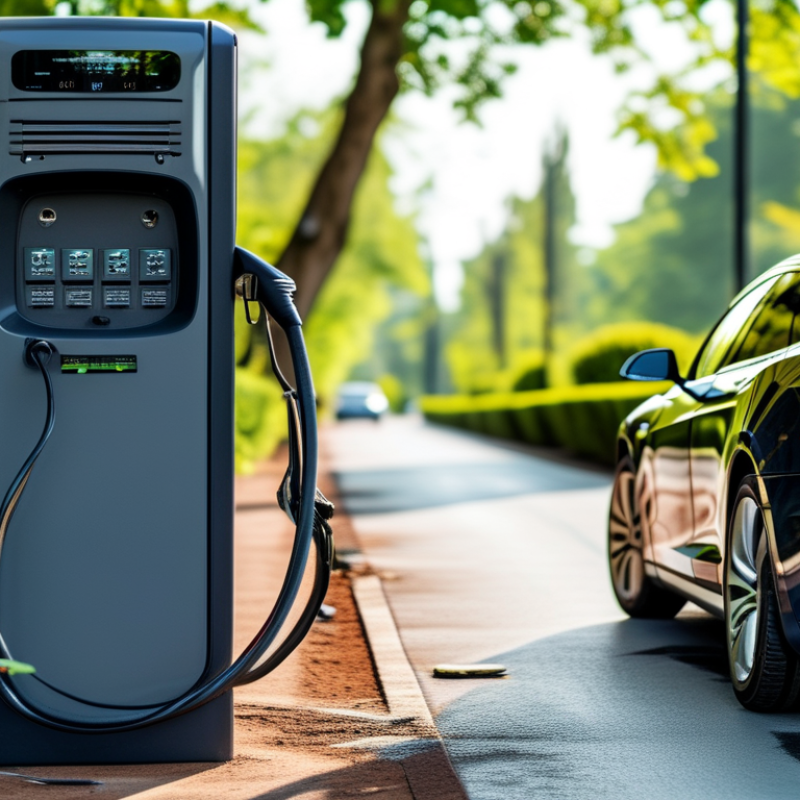
DC EV charging technology offers significant advantages over traditional AC charging. DC charging directly converts electricity into a form that the vehicle battery can use. This results in much faster charging times, allowing drivers to spend less time waiting for their vehicles. A typical DC fast charger can provide up to 80% charge in about 30 minutes. This speed is crucial for commercial fleets and long-distance travelers.
Understanding the basics is key for effective monitoring. Voltage and current levels are essential metrics to track. High voltage allows for faster energy transfer, while current impacts the overall efficiency. Integrating smart monitoring systems can facilitate real-time data collection. These systems help analyze performance and identify inefficiencies. However, they can also pose challenges. Data overload can lead to confusion, making it difficult to focus on critical metrics.
Many operators still rely on manual monitoring. This approach is often unreliable and prone to human error. Reflections on past data usage reveal that some metrics are ignored. Weaknesses in the current monitoring system can lead to inefficient charging. Adjustments in approach, such as focused data analysis and technology upgrades, can greatly enhance performance. Understanding these complexities is essential for advancing the field of DC EV charging.
This chart illustrates the efficiency of DC EV charging over a week. The data points represent the average charging efficiency in percentages recorded at different times throughout the week.
Remote monitoring of DC EV charging stations is essential for enhancing efficiency and reliability. This system involves several key components to ensure optimal performance. Sensors monitor the charging process in real-time. They collect data on energy consumption and charging speed. Analyzing this information helps to identify any inefficiencies in the system.
A robust software interface is crucial for managing the data collected. It should provide intuitive dashboards for monitoring key metrics. Cloud-based solutions allow for easy access and collaboration among stakeholders. However, data management can become overwhelming without proper training. It's important to ensure that all users can effectively interpret the data.
Tips: Regularly update the software to maintain security. Schedule routine maintenance checks to keep hardware in optimal condition. Consider user feedback to improve the monitoring system. This approach can help in identifying unexpected issues, leading to better overall performance.
| Component | Description | Importance | Data Collected |
|---|---|---|---|
| Charging Station Controller | Manages charging processes and communication with remote servers. | Critical for operational control and monitoring. | Operational status, error logs, charging session details. |
| Remote Monitoring Software | Tracks station performance and user interactions. | Provides insights for improving charging station efficiency. | Performance metrics, user engagement data, troubleshooting information. |
| IoT Sensors | Monitor various parameters like temperature and power usage. | Ensures optimal operation and safety. | Temperature readings, voltage, current consumption. |
| User Interface | Allows users to monitor and control the charging process remotely. | Enhances user experience and engagement. | User activity logs, session start/stop times, payment transactions. |
| Data Analytics Tools | Analyzes collected data to identify usage patterns. | Helps optimize future operations and marketing strategies. | Usage trends, peak times, customer demographics. |
Monitoring DC EV charging remotely can revolutionize energy efficiency. Real-time data collection is a necessity for this process. By leveraging IoT devices, we can collect data on charging patterns and usage statistics. This data can reveal peak usage times and help forecast optimal charging schedules. Using sensors, we can also track energy consumption and carbon output, providing clearer insights into environmental impact.
Analyzing this data in real-time enables operators to make informed decisions. For instance, identifying underused charging stations allows for reallocation of resources. However, it's crucial to recognize potential data flaws. Sometimes, sensors may misread usage, leading to inaccurate analysis. Regular calibration of these devices can help mitigate such issues.
Effective analysis must prioritize user experience. Simple interfaces displaying real-time data enhance understanding. Yet, it’s vital that users know how to interpret this data thoughtfully. Misinterpretation could lead to inefficient charging practices. Encouraging feedback loops with users creates an opportunity for continuous improvement and optimization.
Monitoring DC EV charging remotely can significantly enhance charging efficiency.
Effective tools and software play a crucial role in this process. When selecting
a monitoring solution, consider compatibility with existing systems. Many tools
offer real-time data analytics, which can help identify usage patterns. Collecting
data on user habits is vital for improving service delivery.
Tips: Regularly check for software updates to optimize performance. Updates often
fix bugs and enhance security. Also, consider integrating IoT devices for seamless
data collection. The right technology can reveal insights that manual monitoring
misses.
Achieving effective remote monitoring requires a thoughtful approach. Not all tools
will fit every charging station setup. Testing different solutions ensures you find
the right fit. Analyze how each tool impacts energy use and charging speed.
Sometimes, less popular software options prove more reliable. Prioritize flexibility
in your monitoring strategy.
Monitoring DC EV charging can significantly enhance operational efficiency. Effective strategies start with real-time data analytics. The right metrics reveal charging patterns, equipment health, and usage trends. However, understanding these patterns is crucial. For instance, peak usage times can help optimize charging schedules.
Regular maintenance is another essential practice. Over time, components can wear down, affecting performance. Scheduled inspections allow for early detection of issues. Moreover, training staff on best practices fosters a culture of efficiency. It's not just about fixing problems; it's also about preventing them.
Adopting smart charging solutions can bring further benefits. These systems can balance loads and prioritize charging based on energy costs. However, integrating new technology comes with challenges. Users may encounter initial resistance or operational hiccups. Continuous feedback is vital to refine these processes. Balancing innovation with user experience can lead to effective enhancements.
: DC charging provides faster charging times, allowing up to 80% charge in about 30 minutes.
It enhances efficiency and reliability by tracking energy consumption and charging speed in real-time.
Sensors collect data during the charging process, helping identify inefficiencies in the system.
Using a robust software interface and intuitive dashboards facilitates the interpretation of key metrics.
Manual monitoring is often prone to human error, which can lead to ignored metrics and inefficiencies.
Data overload can create confusion, making it difficult to focus on critical metrics without proper training.
Regular updates maintain security and ensure the software continues to operate optimally.
Real-time data analysis reveals usage patterns, allowing for resource reallocation to maximize efficiency.
Misreading by sensors can lead to flawed data analysis, impacting decision-making and efficiency.
Considering user feedback helps identify unexpected issues and leads to better overall system performance.
Monitoring DC EV charging remotely is crucial for optimizing the efficiency of electric vehicle charging operations. This process begins with a solid understanding of DC EV charging technology and the essential components necessary for effective remote monitoring. By implementing real-time data collection and analysis methods, operators can gather vital information about charging station performance, which aids in identifying areas for improvement.
Tools and software play a significant role in developing effective remote monitoring solutions. They facilitate the monitoring of energy consumption, user behaviors, and station availability, ultimately leading to more informed decision-making. Adopting best practices within these systems—such as regular system updates and user training—can further enhance EV charging operations, ensuring that stakeholders maximize both performance and user satisfaction.

Vernon Charger