How to Reduce Charging Time for Electric Vehicles Efficiently?

Time:2026-06-04 Author:Isabella
0%

As the adoption of electric vehicles (EVs) grows, the challenge of charging efficiency becomes increasingly critical. Understanding how to reduce charging time for electric vehicles is essential for enhancing the user experience. Shorter charging times can significantly impact the convenience and attractiveness of EVs.

Now, many drivers depend on fast charging stations, but not all stations perform equally. This inconsistency can lead to frustrations. Drivers often find themselves waiting longer than expected. Many factors influence charging speed. Battery technology, charging station power, and vehicle models all play a role.

Improving charging speed is not just about technology. It also requires a shift in user habits and infrastructure development. Ideal solutions will involve collaborative efforts among manufacturers, businesses, and policymakers. Without these changes, the full potential of electric vehicles may remain out of reach. The quest for efficient charging is just beginning. It requires reflection, innovation, and commitment from all stakeholders involved.
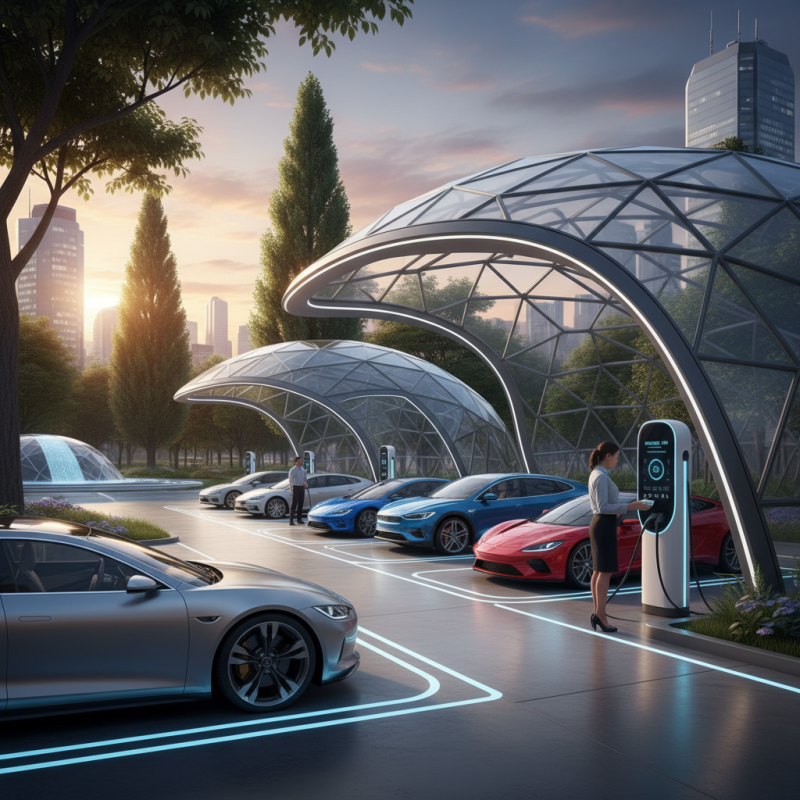
How to Reduce Charging Time for Electric Vehicles Efficiently?

Understanding Electric Vehicle Charging Basics

Electric vehicle (EV) charging is a critical aspect of the EV ownership experience. Understanding the basics can significantly influence charging time. Charging types include Level 1, Level 2, and DC fast charging. Each type differs in speed and efficiency. Level 1 charging, using a standard household outlet, offers a mere 4-5 miles of range per hour. In contrast, DC fast chargers can provide up to 80% charge in just 30 minutes.

According to a report from the International Energy Agency (IEA), the growing demand for battery electric vehicles (BEVs) emphasizes the need for more efficient charging solutions. Approximately 56% of EV owners cite charging time as a key concern. By prioritizing the installation of Level 2 chargers at homes and workplaces, users can dramatically reduce charging times. A Level 2 charger can deliver about 25 miles of range per hour, making a significant difference for daily commuters.

Despite advancements, challenges remain. Not all EVs are compatible with every charger, and infrastructure varies widely across regions. Users must also consider their battery management systems. Overcharging can lead to battery degradation, affecting overall efficiency. Therefore, understanding charging basics can help drive better choices, ultimately leading to improved EV experiences.

Types of Charging Stations and Their Impact on Charging Time

Electric vehicles (EVs) are now more popular than ever. However, charging time remains a significant concern for many potential users. The types of charging stations available play a crucial role in determining how quickly an EV can be charged. There are three main categories: Level 1, Level 2, and DC fast charging stations.

Level 1 charging stations use a standard 120V outlet. They are the slowest option, often taking over 12 hours for a full charge. Many homeowners overlook this option due to its lengthy process. Level 2 chargers improve time efficiency significantly, offering a full charge in 4 to 8 hours. These stations are commonly found in public areas and homes. However, access can be limited, making it a less efficient choice for those on the go.

DC fast charging stations are the quickest, allowing for an 80% charge in about 30 minutes. Their availability makes them highly desirable for long trips. Yet, they often come with higher costs. Reliability can also be an issue, as not all locations maintain these high-speed chargers adequately. This can lead to unpleasant surprises during travel. Understanding each type's strengths and weaknesses can help EV owners optimize their charging experience.

Innovative Charging Technologies to Speed Up Charging Processes

Innovative charging technologies are revolutionizing how we power electric vehicles. Fast-charging stations now utilize ultra-rapid charging cables that deliver up to 350 kW. This innovation can charge compatible EVs to 80% in under 30 minutes. A recent study by the International Energy Agency (IEA) notes that these advancements will significantly decrease overnight charging needs, promoting wider EV adoption.

Battery swapping technology presents another exciting option. Instead of charging, drivers can exchange their depleted batteries for fully charged ones at designated stations. This process takes only a few minutes. According to a report from McKinsey, the potential for battery swapping could reduce overall charging time by up to 85%. Nonetheless, the infrastructure for swapping remains a challenge in many regions.

Wireless charging is an emerging frontier. It permits vehicles to charge while parked over a charging pad. Though commercially available in limited forms, it has shown promise for public transit and fleet vehicles. However, the efficiency of energy transfer still needs refinement. Current systems typically offer about 20% energy loss compared to wired chargers. As technologies evolve, the quest for faster, more efficient charging options will be crucial for the EV industry.

Optimal Charging Practices for Faster Electrification

Charging electric vehicles (EVs) efficiently can significantly reduce waiting times. Understanding optimal charging practices is essential for all EV owners. Here are some tips to help enhance charging speed.

Choose the right charging station. Fast chargers, like DC fast chargers, can increase your vehicle’s range quickly. They deliver higher power levels compared to standard chargers. However, be aware that using high power too often may degrade battery life over time. It’s a balance between speed and longevity.

Another tip is to charge your EV during off-peak hours. Electricity rates are often lower, and the grid is less strained. Also, preconditioning your vehicle while it’s still plugged in helps maintain battery temperature. This can speed up charging times.

Always keep track of your battery health. Regular monitoring ensures that your battery operates optimally. It’s crucial to avoid letting the battery drop below a specific level frequently. This practice can lead to inefficiencies and potential damage in the long run. Take time to develop a charging routine that benefits both speed and battery longevity.

Charging Time Comparison for Electric Vehicles

Future Trends in Electric Vehicle Charging Efficiency

The future of electric vehicle charging efficiency is evolving rapidly. Innovations in fast-charging technology are on the horizon. These methods can significantly reduce time spent at charging stations. Ultra-fast chargers, capable of delivering up to 400 kW, are being developed. This could lead to charging sessions that last just minutes. The push for higher charging speeds requires advancements in battery technology. This creates new opportunities for energy density improvements.

Wireless charging is also gaining traction. This technology allows vehicles to charge while parked over a charging pad. It promises convenience but raises questions about efficiency and cost. Will wireless systems be as effective as traditional methods? The integration of renewable energy sources plays a vital role. Solar-powered charging stations are appearing in various locations. However, the effectiveness varies depending on sunlight availability. This inconsistency could hinder widespread adoption.

As we look forward, a network of fast-charging stations is necessary. Accessibility will influence consumer adoption of electric vehicles. It's essential to consider the placement of these stations. Urban areas require more infrastructure compared to rural locations. Balancing this demand will be a challenge for future urban planners. With rapid advancements, there is still room for reflection on sustainability and efficiency in EV charging.

How to Reduce Charging Time for Electric Vehicles Efficiently? - Future Trends in Electric Vehicle Charging Efficiency

Charging Technology Charging Power (kW) Charging Time (hours) Battery Capacity (kWh) Efficiency (%)
Level 1 Charging 1.4 20-24 24 85
Level 2 Charging 7.2 4-8 40 90
DC Fast Charging 50 0.5-1 60 92
Ultra Fast Charging 350 0.2-0.5 120 95

FAQS

: What are the main types of charging stations for electric vehicles?

: There are three main types: Level 1, Level 2, and DC fast charging stations.

How long does it take to charge an EV at a Level 1 station?

Level 1 stations take over 12 hours for a full charge.

What is the advantage of Level 2 chargers?

Level 2 chargers provide a full charge in 4 to 8 hours and are commonly located in public areas.

How quickly can DC fast charging stations charge an EV?

DC fast chargers can provide an 80% charge in about 30 minutes.

What are some challenges with DC fast charging stations?

They can be costly, and reliability may vary by location.

What is battery swapping technology?

Battery swapping allows drivers to exchange depleted batteries for fully charged ones in minutes.

How effective is wireless charging for EVs?

Wireless charging shows promise but currently has about 20% energy loss compared to wired options.

What future trends are shaping EV charging efficiency?

Innovations include ultra-fast chargers and increased use of renewable energy sources in charging stations.

Why is accessibility to charging stations important?

Accessibility impacts consumer adoption of EVs, especially between urban and rural areas.

What should be considered when planning EV charging infrastructure?

The placement and availability of charging stations need careful consideration for effective usage.

Conclusion

In exploring "How to reduce charging time for electric vehicles," it's essential to understand the basics of electric vehicle charging. Different types of charging stations—such as Level 1, Level 2, and DC fast chargers—significantly impact the time it takes to recharge a vehicle, with DC fast chargers offering the quickest solutions. Innovative charging technologies, such as ultra-fast charging and battery-swapping systems, are also emerging as viable methods to expedite the charging process.

Optimal charging practices, including scheduling charging during off-peak hours and utilizing smart charging systems, can further enhance efficiency. Looking ahead, future trends indicate a push towards improved charging infrastructure and battery technology, which will significantly contribute to reducing charging times. By integrating these strategies, EV users can effectively minimize downtime and enhance the overall experience of electric vehicle ownership.

Isabella

Isabella

Isabella is a dedicated marketing professional with a sharp focus on driving brand growth and engagement through strategic content creation. With an extensive background in digital marketing, she combines her passion for storytelling with her keen understanding of industry trends to deliver......