As electric vehicles (EVs) gain popularity, the demand for efficient charging solutions increases. Many organizations now face the challenge of optimizing charging infrastructure. Understanding "how to optimize DC charging for multiple vehicles" becomes crucial.
Effective DC charging can enhance user experience and reduce downtime. However, companies often grapple with meeting diverse charging needs. Different vehicles come with varied battery capacities and charging speeds. This generates complexity in managing multiple charging sessions simultaneously.
Addressing these challenges requires a strategic approach. Factors like location, energy management, and system integration play vital roles. Moreover, continuous evaluation of charging patterns can uncover inefficiencies. This leads to improvements in both user satisfaction and operational efficiency. Engaging with industry experts can provide invaluable insights into best practices for optimizing charging solutions. The journey to effective DC charging is ongoing, requiring reflection and adaptation.
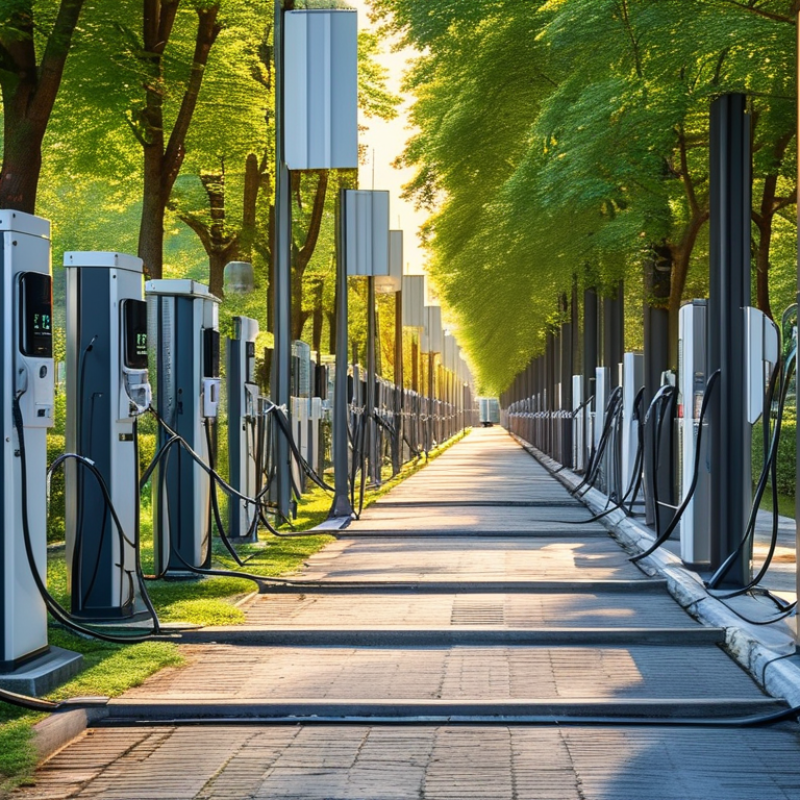
Understanding the basics of DC charging solutions for electric vehicles is crucial for optimizing charging stations. DC fast charging delivers energy directly to the vehicle's battery. This method significantly reduces charging time, often to around 30 minutes for an 80% charge. However, its effectiveness is influenced by several factors, including infrastructure and power availability.
When planning for multiple vehicles, it is important to assess the power supply. Many locations struggle with limited electrical capacity. This can hinder charging speed. Balancing the demand among several vehicles is essential. Implementing load balancing technology may help manage power distribution effectively. Additionally, the layout of charging stations should maximize accessibility. If vehicles must wait for charging spots, efficiency decreases.
An ideal charging setup involves real-time monitoring. This allows for adjustments according to usage patterns. Understanding peak hours and vehicle types can enhance service. However, operators must remain adaptable. Continuous evaluation of user needs ensures the charging solution meets evolving requirements. Embracing innovation in technology and design is key to success.
Evaluating the charging needs of multiple vehicles in a fleet is crucial for efficient operations. Each vehicle may have different usage patterns and charging requirements. For instance, some vehicles may be utilized heavily during peak hours, while others might have less demand. Understanding these differences helps in creating a tailored charging strategy.
It’s essential to analyze the daily mileage of each vehicle. Consider the typical routes and the duration of each trip. This data will inform how much charge each vehicle needs at the end of the day. Additionally, monitor energy consumption patterns to predict future needs. Insights gained here can help avoid overloading electric systems.
Not all vehicles will need the same charging speed. Some may require rapid charging during short breaks, while others can rely on overnight charging. Striking the right balance between speed and efficiency can reduce costs. Reflection on charging station placements is also vital. Are they conveniently located? This plays a significant role in minimizing downtime for vehicles. Ensure you gather feedback from drivers periodically; their experience can highlight areas needing improvement.
| Vehicle Type | Battery Capacity (kWh) | Average Daily Mileage (miles) | Charging Time Required (hrs) | Optimal Charger Power (kW) |
|---|---|---|---|---|
| Electric Van | 90 | 100 | 6 | 20 |
| Electric Car | 75 | 50 | 5 | 15 |
| Electric SUV | 85 | 70 | 5.5 | 18 |
| Electric Bus | 300 | 250 | 8 | 25 |
| Delivery Truck | 150 | 200 | 7 | 22 |
Designing infrastructure for DC charging stations requires careful planning and execution. The layout should accommodate multiple vehicles efficiently. Space optimization is key. Stations ought to have enough room for vehicles to maneuver. Charging posts need to be positioned smartly to prevent bottlenecks. Clear signage can direct drivers smoothly to available chargers.
Power distribution is another critical factor. High-capacity chargers can charge multiple vehicles simultaneously. However, inadequate electrical supply can lead to slow charging times. It’s essential to assess local grid capabilities before installation. Flexibility in scheduling charging can help manage demand better. Consideration for peak and off-peak hours can enhance efficiency.
Integration with renewable energy sources adds another layer of resilience. Solar panels or wind turbines can reduce reliance on the grid. This can lead to cost savings and greener operations. However, the initial setup may be complex. Ongoing maintenance can pose additional challenges. Reflecting on these aspects during the design phase can lead to better implementation and user satisfaction.
As electric vehicle (EV) adoption accelerates, effective charging solutions are crucial. Smart Energy Management Systems (SEMS) play a vital role in optimizing DC charging for multiple vehicles. According to a recent study by the International Energy Agency, the global stock of EVs reached over 10 million in 2020. This escalating demand requires innovative solutions to balance energy loads and enhance efficiency.
Implementing SEMS allows for real-time monitoring of energy consumption. These systems can prioritize charging based on vehicle demand and grid conditions. In a multi-vehicle environment, this technology can reduce peak demand charges by up to 30%, according to the U.S. Department of Energy. Yet, the complexity of real-time data integration can pose challenges. Stakeholders must continuously evaluate system performance to ensure resilience and reliability.
Urban planners and energy providers need to collaborate closely. The lack of standardized protocols can hinder interoperability between systems. Innovative algorithms must adapt to evolving energy patterns and user behaviors. A holistic approach is necessary to build a future-ready charging infrastructure that supports a broad range of EVs while considering local energy resources and grid stability. Balancing these elements is essential for sustainable development.
Optimizing DC charging solutions requires careful monitoring. Effective monitoring strategies can enhance charging efficiency for multiple vehicles. Regularly tracking charging patterns helps identify peak usage times. This data enables adjustments to minimize energy costs and reduce wait times.
Implementing maintenance strategies is crucial for reliable charging infrastructure. Regular checks on equipment can prevent downtime. Schedule routine maintenance to keep charging stations operating at peak performance. Ensure all cables, connectors, and power supplies are in good condition. A neglected charging unit can lead to costly repairs and inefficient service.
Tips for effective monitoring: Use software to track vehicle charging habits. Analyze this data to identify underused stations. Set up alerts for any anomalies in charging patterns. Regularly review performance metrics to implement necessary changes for optimal efficiency.
: DC fast charging delivers energy directly to the battery, significantly reducing charging time to about 30 minutes for 80% charge.
Limited electrical capacity can slow down charging speeds, particularly when multiple vehicles are connected to the same supply.
Load balancing helps distribute power effectively among several vehicles, improving overall charging efficiency.
The layout should optimize space, ensure vehicle maneuverability, and provide clear signage to direct drivers to available chargers.
Monitoring usage patterns helps identify peak hours and allows adjustments to minimize wait times and energy costs.
Regular checks on equipment and scheduled maintenance are vital to prevent downtime and keep stations operating efficiently.
It can reduce reliance on the grid, leading to cost savings and more sustainable operations, although initial setup may be complex.
Flexible scheduling can help manage demand, allowing for more efficient use of charging resources during peak and off-peak hours.
Neglected units can experience costly repairs and provide inefficient service, making regular maintenance essential.
Software to track vehicle charging habits can help identify underused stations and optimize overall charging efficiency.
To address the question of how to optimize DC charging for multiple vehicles, it is essential to first understand the fundamentals of DC charging solutions for electric vehicles. Evaluating the specific charging needs of a fleet allows for tailored strategies that enhance efficiency. This involves designing infrastructure that facilitates effective deployment of DC charging stations.
Implementing smart energy management systems can significantly optimize the charging process by balancing energy demand and supply. Additionally, incorporating monitoring and maintenance strategies ensures consistent performance and enhances charging efficiency. By following these best practices, organizations can successfully manage their DC charging needs and streamline operations for multiple electric vehicles.

Vernon Charger