As the 2026 Canton Fair approaches, the topic of electric vehicle charging takes center stage. Experts are focusing on "How to optimize DC charging for multiple vehicles." Dr. Emily Yu, a leader in charging infrastructure development, states, “Efficiency in charging is crucial for adapting to the rapid rise in electric vehicle numbers.”
The electric vehicle market is booming. With that comes the need for effective charging solutions. At the upcoming fair, stakeholders will explore key strategies for optimizing DC charging. The challenge lies in managing energy supply and minimizing downtime. Many facilities struggle to balance power distribution among various vehicles. Too often, vehicles wait in long lines to charge, leading to inefficiencies.
Engaging discussions will highlight real-world solutions. The integration of intelligent systems could reshape how we think about charging logistics. It is essential to critically evaluate existing methods. What works today may not suffice tomorrow. Innovation is key, and collaboration at fairs like the Canton Fair could drive significant progress. Addressing these challenges will ensure that the future of electric vehicle charging is both efficient and sustainable.
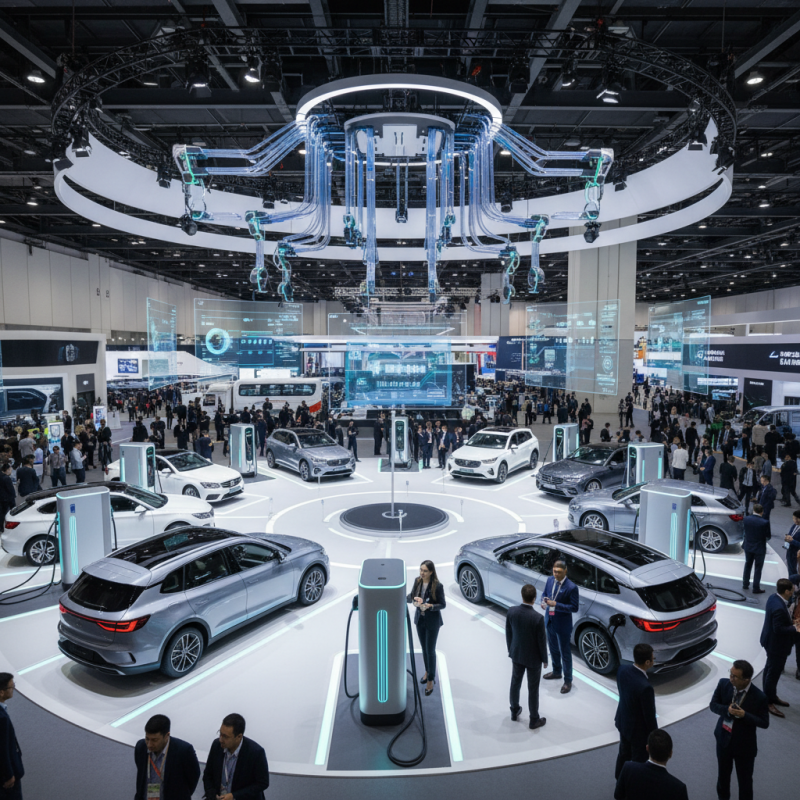
The evolving landscape of electric vehicle (EV) technology paves the way for advancements in DC charging. Currently, DC fast chargers can deliver up to 350 kW. This enables EVs to charge from 20% to 80% in just 15 to 30 minutes. Such rapid charging is crucial for reducing downtime. However, this technology comes with challenges. The infrastructure must be robust enough to handle multiple vehicles simultaneously. Inadequate grid support can lead to slow charging rates.
A pivotal report by the International Energy Agency noted that global DC fast chargers saw a 42% increase in installations from 2020 to 2021. Yet, many stations still struggle with load balancing. Proper optimization techniques are needed to manage energy distribution across various EVs. It’s essential to monitor the impact on the local grid. A recent analysis projected that by 2026, the demand for DC charging will increase significantly due to a rise in EV adoption. This trend calls for innovative solutions that can address both efficiency and capacity.
Collaboration among stakeholders is necessary. The market requires standard protocols for interoperability between chargers and vehicles. Current systems have limitations in real-time data sharing. This gap can lead to inefficient charging sessions and unhappy users. Investment in infrastructure must keep pace with the rapidly growing EV market. Without this, we risk creating a choke point in the push towards sustainable transportation.
: It enhances efficiency at events, reducing charging times and minimizing waiting periods for participants.
Efficient charging solutions lower overall energy use, leading to reduced operational costs and a smaller carbon footprint.
Infrastructure limitations and power supply issues can hinder effective simultaneous charging during peak times.
It helps manage demand, addresses issues proactively, and ensures efficient power distribution to vehicles.
They should be near entrances or popular areas to maximize accessibility and usage.
It allows charging during off-peak hours, reducing stress on the grid and ensuring a smoother flow of energy.
Not all vehicles are compatible, which raises standardization concerns within the charging network.
A mix of fast chargers and standard chargers caters to different user needs.
It can lead to long wait times, frustrating users and limiting productivity.
Continuous evaluation based on feedback is crucial for ensuring the effectiveness of implemented charging strategies.
The article "Optimize DC Charging for Multiple Vehicles at 2026 Canton Fair" explores the advancements in DC charging technology for electric vehicles and the potential benefits of optimizing these systems for simultaneous charging. It emphasizes the significance of devising efficient strategies to streamline the charging process, allowing multiple vehicles to charge concurrently without compromising performance.
Key challenges in managing DC charging, especially in a high-traffic environment like the Canton Fair, are discussed, along with potential solutions to overcome them. Additionally, the article looks ahead at future trends in EV charging infrastructure and technology, highlighting the growing importance of addressing how to optimize DC charging for multiple vehicles to ensure a seamless user experience and support the increasing demand for electric mobility.

 Vernon Charger