As electric vehicle (EV) adoption continues to rise, the need for efficient DC chargers in public networks becomes critical. Industry expert Dr. Emma Lane states, "Optimizing DC chargers is essential for building a sustainable EV ecosystem." Understanding how to optimize DC chargers for public EV networks is vital for enhancing charging speeds and user experience.
Public charging stations often face high demand, leading to long wait times. This situation can deter potential EV drivers. By implementing smart technology and better location strategies, we can address these challenges. For instance, utilizing data analytics helps in site selection, ensuring chargers are placed where they are most needed. Moreover, optimizing the layout of charging stations can improve the flow of traffic.
Challenges will arise as the technology evolves. Not every solution will work universally. It’s crucial to consider regional needs and existing infrastructure. Collaboration among stakeholders is necessary for effective implementation. Addressing these factors will play a significant role in shaping the future of DC chargers in public EV networks.
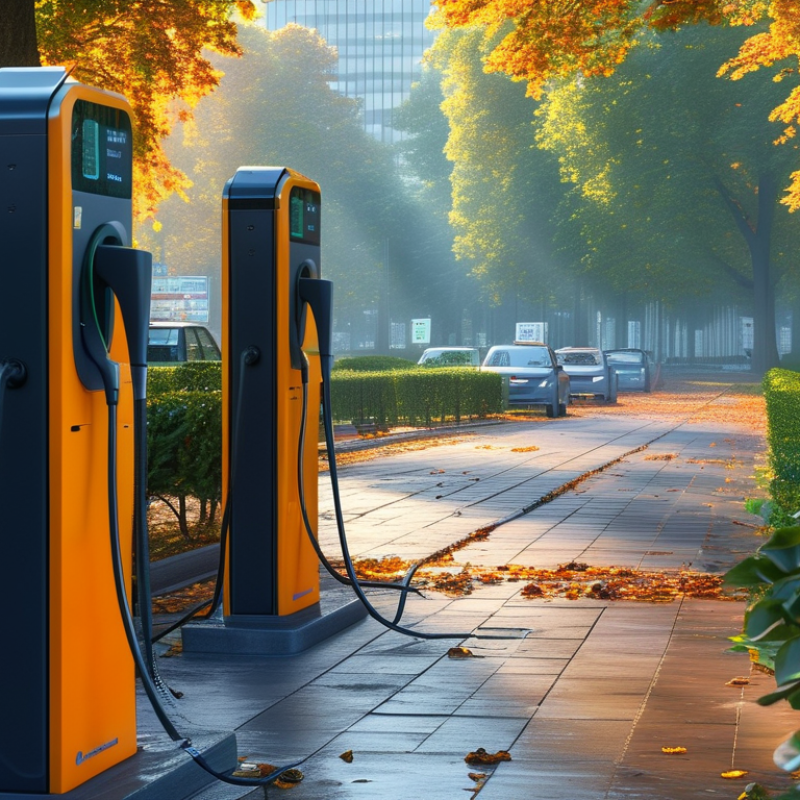
Understanding the Current State of Public EV Networks and DC Chargers
As we approach 2026, understanding the current state of public EV networks and DC chargers is crucial. According to recent reports, global public charging infrastructure has expanded significantly. In 2023, there were over 1.8 million public charging points worldwide. This growth indicates strong demand. However, only 10% of these stations are DC fast chargers, which are essential for long-distance travel.
The efficiency of DC chargers directly impacts the user experience. A report by the International Energy Agency suggests that faster charging reduces downtime for EV owners. Currently, average charging times remain lengthy, often exceeding 30 minutes. This inconvenience may deter potential users. Infrastructure must evolve to accommodate the increasing number of electric vehicles, projected to reach 145 million by 2030.
Charging networks face challenges, such as inconsistent charger availability and compatibility issues. Many stations lack real-time information for users. Data shows that over 20% of the time, drivers encounter out-of-service chargers. This reliability problem undermines consumer confidence. Improving network management and increasing charger accessibility will be vital in the coming years. Addressing these issues can enhance user experiences and encourage wider EV adoption.
How to Optimize DC Chargers for Public EV Networks in 2026?
| Location |
Number of DC Chargers |
Charging Speed (kW) |
Utilization Rate (%) |
Average Charging Time (minutes) |
| City Center |
50 |
150 |
75 |
20 |
| Shopping Mall |
30 |
100 |
60 |
30 |
| Highway Rest Area |
20 |
200 |
65 |
15 |
| Office Park |
15 |
50 |
40 |
40 |
| Residential Area |
10 |
75 |
50 |
35 |
Identifying Key Challenges in Optimizing DC Chargers for EV Networks
Optimizing DC chargers for public EV networks involves addressing several key challenges. One major challenge is the compatibility of chargers with various EV models. As technology evolves, not all vehicles support the same charging standards. This can lead to customer frustration and inefficiencies in charging infrastructure. Another challenge is maintaining an optimal power distribution during peak usage times. Without smart load management, chargers may be overwhelmed, leading to increased wait times.
To improve user experience, consider these tips. First, implement a robust communication system to inform drivers about charger availability in real-time. This transparency can ease congestion and help users plan better. Additionally, focus on user-friendly interfaces. Clear instructions can guide drivers, reducing confusion and enhancing service.
Another area for reflection is the cost-effectiveness of charging stations. Financing and installation can be substantial. Approaching partnerships or collaborative funding models to share the financial burden is advisable. Assessing the long-term viability of such investments is essential. Engaging with local communities for feedback can also highlight specific needs and preferences. This engagement fosters trust and encourages wider adoption of EV technologies.
Exploring Advanced Technologies for DC Charger Efficiency Improvements
As electric vehicle (EV) adoption accelerates, optimizing DC chargers becomes crucial for public networks. Advanced technologies play a key role in improving charger efficiency. Battery management systems can enhance charging speed and longevity. Incorporating smart grid technologies allows for better energy distribution. This ensures chargers utilize electricity when it's most efficient.
Thermal management systems are another area for improvement. These systems prevent overheating, ensuring safe operations. By leveraging real-time data analytics, operators can monitor charger performance. Insights gained can guide maintenance actions. However, implementing these technologies isn't without challenges. Expensive upgrades may deter some operators.
User experience remains a priority in optimizing DC chargers. Design should facilitate ease of use, with clear interfaces. Yet, not all chargers meet these standards. Some may still confuse drivers, causing frustration. Collecting user feedback is essential for iterative enhancements. The goal is a reliable, efficient charging experience that supports the growing EV market.
Implementing Smart Charging Solutions for Enhanced User Experience
Smart charging solutions are becoming crucial for optimizing DC chargers in public EV networks. These systems enhance user experience by addressing key challenges. For instance, real-time data sharing improves communication between EVs and charging stations. Users can receive updates on charger availability and estimated wait times through mobile apps. This transparency fosters user trust and satisfaction.
Implementing load balancing is another critical aspect. It allows multiple chargers to share the available power, ensuring that they operate efficiently without overloading the grid. However, this technology is not perfect. Occasionally, network congestion occurs. While efforts are made to mitigate these issues, they still require ongoing evaluation and adjustments. User experiences can vary during peak hours, leading to frustration.
Integrating payment options seamlessly into smart charging can reduce barriers for users. Contactless payments and automated billing simplify the charging process. Yet, these systems need to maintain high security to protect user data. Reliability is paramount in gaining users' confidence. Continuous adaptation and improvement of these systems are required to address emerging challenges efficiently.
This dynamic landscape is not without its complexities, pushing for creative solutions in the EV charging ecosystem.
Developing Strategies for Investment and Infrastructure Integration in 2026
As we approach 2026, investing in public EV charging networks requires careful consideration of infrastructure integration. Cities must analyze existing power grids and identify areas that need upgrades. Collaborating with local utility companies can ensure energy supply meets demand.
Additionally, reviewing peak usage times will help in designing smarter charging stations.
Developing strategies is crucial for maximizing public resources. Public-private partnerships can foster innovative funding solutions. Engagement with community stakeholders will help address concerns about site locations. Understanding local demographics can inform the placement of charging stations in high-traffic areas.
Challenge remains in balancing cost and accessibility. Optimizing charging speeds without overloading the grid is essential. Advanced energy management systems can aid in this effort. Regular assessments need to occur, ensuring that the latest technology is deployed. Reflecting on current shortcomings can lead to more effective solutions in the future.
FAQS
: Public charging points have increased to over 1.8 million globally in 2023, showing strong demand.
Only 10% of these stations are DC fast chargers, which are vital for long-distance travel.
Average charging times often exceed 30 minutes, which may deter potential EV users seeking quicker options.
Networks struggle with charger availability and compatibility issues, impacting user confidence and convenience.
Advanced technologies like smart grids and battery management can enhance charger efficiency and reduce charging time.
Collecting feedback is essential for improving charger design and user experience, addressing any confusion.
Smart charging provides real-time updates on charger availability, improving communication and user satisfaction.
Security is crucial to protect user data, especially with contactless and automated billing payment options.
Load balancing helps efficiency, but network congestion can occur, leading to user frustration during peak hours.
Ongoing adaptation is necessary to address challenges in the rapidly evolving EV charging landscape.
Conclusion
The article "How to Optimize DC Chargers for Public EV Networks in 2026" delves into the current landscape of public electric vehicle networks and the critical role of DC chargers. It identifies several key challenges that must be addressed to enhance the performance and availability of DC chargers, such as the need for faster charging times and increased energy efficiency. To overcome these challenges, the article explores advanced technologies that can lead to significant improvements in charger efficiency, as well as the implementation of smart charging solutions aimed at enhancing the overall user experience.
Additionally, the article outlines strategies for investment and infrastructure integration, emphasizing the importance of collaborative efforts among stakeholders to create a robust public EV network by 2026. By focusing on "how to optimize DC chargers for public EV networks," this article serves as a guide for industry leaders and policymakers to navigate the evolving landscape of electric mobility and ensure effective charging solutions for the future.

 Vernon Charger