The demand for electric vehicle fleets is surging in China. As of 2023, nearly 25% of new vehicles sold in urban areas are electric. This growth raises questions about efficient charging solutions. Understanding how multi-port DC chargers work for fleets is essential for fleet operators aiming to maximize uptime and reduce operational costs.
Multi-port DC chargers can charge multiple vehicles simultaneously. This functionality is critical in a large fleet setting where downtime can significantly impact productivity. A report by the International Energy Agency highlights that deploying these chargers could reduce charging time by up to 70% compared to traditional methods. Fleet managers must consider the spatial and power capacity needs of these chargers for optimal performance.
However, there's still much to learn about integrating these systems. Not all facilities can accommodate the required infrastructure. Additionally, the ongoing evolution of battery technology could influence how fleets utilize charging stations. It's crucial for businesses to stay informed about advancements and possible limitations in charging technology. Proper research and strategic planning can ensure fleets remain competitive in the rapidly changing market.
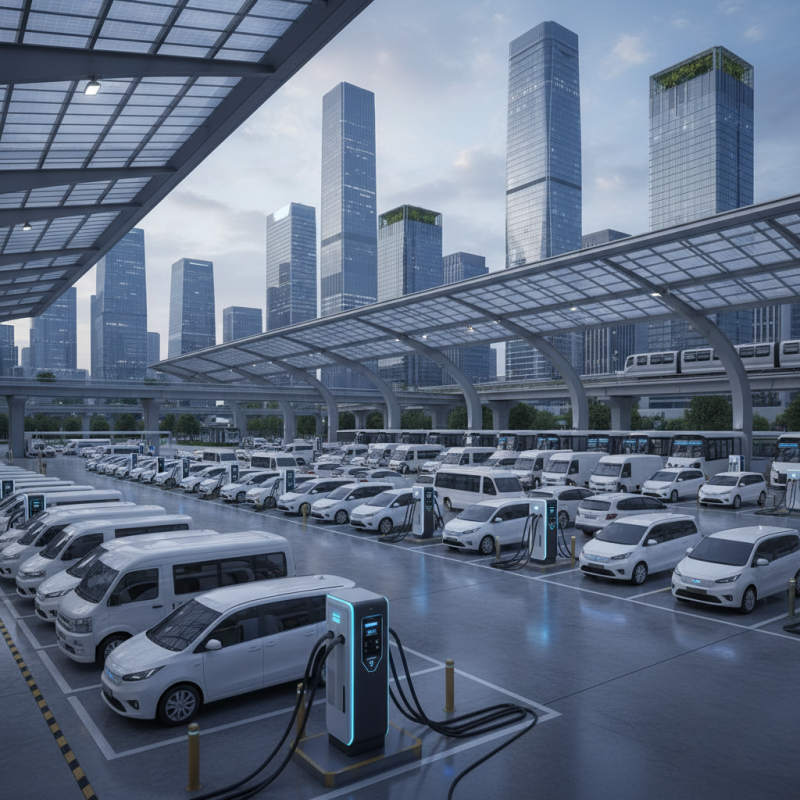
Understanding Multi Port DC Chargers and Their Role in Fleet Operations
Multi-port DC chargers play a crucial role in fleet operations, especially in China. These chargers enable multiple electric vehicles (EVs) to charge simultaneously, enhancing operational efficiency. As fleets grow, the demand for reliable, fast charging becomes essential. A typical multi-port charger can significantly reduce idle time for vehicles. This is vital for fleets that prioritize quick turnaround and high availability.
Understanding the mechanics behind these chargers is important for fleet managers. They typically have several output ports, allowing various EV types to integrate seamlessly. This flexibility helps minimize downtime, yet the technology is not without its challenges. For example, charging speeds can vary based on the vehicle model and battery state. Fleet operators must plan charging sessions carefully to ensure all vehicles are ready when needed.
Embracing this technology also involves addressing infrastructure concerns. Not all locations can accommodate multiple charging stations. Some fleets may face logistical hurdles in finding suitable sites. Fleet managers must be proactive in planning the installation of these chargers, ensuring they meet both current and future needs. Balancing efficiency and infrastructure readiness is key to optimizing fleet operations.
Key Features of Multi Port DC Chargers for Electric Fleets
Multi-port DC chargers are essential for managing electric vehicle (EV) fleets in China. These chargers enable multiple vehicles to charge simultaneously, reducing downtime and increasing operational efficiency. According to a recent report by Frost & Sullivan, the demand for DC fast chargers in China is set to grow at a CAGR of 34.5% from 2020 to 2025. This trend highlights the importance of integration in fleet operations.
Key features of multi-port DC chargers include rapid charging capabilities and smart management systems. These chargers can deliver up to 350 kW, allowing fleets to recharge quickly during critical periods. Efficient energy management features optimize charging schedules, balancing power distribution to prevent overloads. It’s important for fleet managers to evaluate the installation costs versus the long-term savings.
Tip: Regular maintenance of charging stations ensures long-term reliability and efficiency. Additionally, staying informed about technological advancements can enhance fleet operations.
However, not all fleets are equipped to handle these chargers effectively. Some may struggle with integrating smart technology into their existing systems. It’s critical to note that training and adaptation are necessary. This aspect often requires investment and planning, which can deter some fleet operators. Data security is also a point of concern as remote access to charging management systems poses potential risks.
How Multi Port DC Chargers Work for Fleets in China Top 10? - Key Features of Multi Port DC Chargers for Electric Fleets
| Feature |
Description |
Benefits |
Typical Power Output |
Charging Ports |
| Fast Charging |
Rapid charging capability reduces downtime for electric vehicles. |
Increased fleet efficiency and vehicle utilization. |
50 kW to 350 kW |
Up to 4 ports |
| Smart Charging |
Integration with management software for optimal load balancing. |
Cost savings on energy consumption. |
Varies with load |
Configurable ports based on demand |
| User-Friendly Interface |
Intuitive display for ease of use and monitoring. |
Less training required for operators. |
N/A |
Available as touchscreen or app integration |
| Durability |
Designed to withstand harsh weather and heavy usage. |
Lower maintenance costs and extended lifespan. |
N/A |
Robust enclosure materials |
| Multi-Protocol Support |
Compatibility with various EV models and charging standards. |
Flexibility in fleet composition. |
N/A |
Supports CCS, CHAdeMO, and more |
Benefits of Utilizing Multi Port DC Chargers in China's Fleet Management
Multi Port DC Chargers are revolutionizing fleet management in China. They enable efficient and rapid charging for multiple electric vehicles simultaneously. This feature is crucial, especially in large-scale operations where downtime means loss of productivity. Fleet managers appreciate the flexibility these chargers provide. They can deploy vehicles quickly after charging, optimizing daily operations.
Utilizing Multi Port DC Chargers enhances the sustainability of fleet operations. Transitioning to electric vehicles reduces carbon emissions significantly. This aligns with China's push for greener energy solutions. Additionally, the adaptability of these chargers supports diverse vehicle types. Fleets can accommodate different models without needing specialized charging infrastructure.
However, implementing these systems isn't without challenges. Initial setup costs can be high, posing a barrier for some companies. Integrating new technology into existing operations requires training and adaptation. It's essential for fleet managers to assess their specific needs and capacity. Investing in DC charging infrastructure should be a well-thought-out decision, considering the long-term benefits against the upfront investment.
Comparative Analysis of Top 10 Multi Port DC Chargers in China
In recent years, the demand for multi-port DC chargers has surged in China's electric vehicle market. Fleet operators seek efficient and reliable charging solutions to support their growing number of electric vehicles. Multi-port chargers allow several vehicles to charge simultaneously, optimizing energy use and reducing wait times. This efficiency can transform fleet management and significantly cut operational costs.
When comparing the top 10 multi-port DC chargers in China, several factors arise. Charge power, port availability, and charging speed are crucial. Different chargers offer varying outputs, which affects how quickly a fleet can become operational after charging. Additionally, built-in safety features, user-friendly interfaces, and real-time monitoring contribute to their effectiveness.
Examining customer feedback reveals mixed experiences. Some chargers deliver excellent performance, while others might lack reliability over time. Further analysis shows that price does not always correlate with quality. Some affordable chargers offer competitive features, while high-end models sometimes fall short of expectations.
Fleet managers need to weigh these aspects carefully. User experiences play a vital role in shaping their decisions. Regular maintenance practices are essential, as wear and tear can impact charger performance. Understanding these nuances helps in making informed choices for a transitioning fleet toward electrification.
Future Trends in Multi Port DC Charging Technology for Fleets in China
The landscape of multi-port DC charging technology for fleets in China is evolving rapidly. New trends are emerging as the demand for electric vehicles (EVs) grows. Fleet operators seek solutions that maximize efficiency while minimizing downtime. Innovations in charging stations focus on speed and user-friendliness. Advanced systems can charge multiple vehicles simultaneously, improving the operational flow for businesses.
One trend is the integration of smart technology in charging networks. This allows fleet managers to monitor charging processes in real time. Data analytics play a crucial role in optimizing energy usage and identifying peak usage times. Another factor is the push for standardized connectors. Standardization can alleviate compatibility issues, allowing for a more seamless experience across different vehicle types.
However, challenges remain. The charging infrastructure still needs to keep pace with the rapid growth of EVs. Not all areas have adequate coverage, which may lead to inefficiencies. Additionally, managing the energy demand during peak times poses a risk to grid stability. Continuous improvement and adaptability will be essential for successful implementation of multi-port DC charging solutions in the future.
FAQS
: They are charging stations that allow multiple electric vehicles to charge at once.
They reduce downtime and increase operational efficiency by enabling rapid charging.
They can provide up to 350 kW for quick recharges.
It optimizes charging schedules and balances power distribution, preventing overloads.
Some fleets struggle with smart technology integration and may lack necessary training.
They help reduce carbon emissions by facilitating the use of electric vehicles.
Yes, initial setup costs can be substantial and deter some operators.
They should assess long-term benefits against initial investment needs and capacity.
Staying updated on advancements can enhance efficiency and effectiveness in operations.
Yes, it ensures reliability and long-term efficiency of the charging infrastructure.
Conclusion
Multi-port DC chargers play a crucial role in optimizing fleet operations, particularly in China, where electric vehicle adoption is rapidly increasing. Understanding how multi-port DC chargers work for fleets involves recognizing their ability to provide simultaneous charging to multiple electric vehicles, thereby enhancing efficiency and reducing downtime. Key features include fast charging capabilities, compatibility with various EV models, and robust power management systems that ensure operational efficiency.
The benefits of utilizing these chargers in fleet management are significant, including reduced charging times, lower operational costs, and improved vehicle turnaround rates. A comparative analysis of the top 10 multi-port DC chargers highlights the diverse options available, each equipped with unique advantages tailored to meet the demands of fleet operators. As technology advances, future trends indicate a shift towards even smarter charging solutions, further streamlining fleet operations and fostering sustainable transportation initiatives in China.

 Vernon Charger