How Do Multi Port DC Chargers Work for Fleet Management?

Time:2026-08-02 Author:Oliver
0%

As the adoption of electric vehicles (EVs) increases, the demand for efficient charging solutions rises. Fleet management is shifting towards greener options, which often includes the use of multi-port DC chargers. This technology plays a critical role in reducing downtime for vehicles by allowing simultaneous charging. A recent report by the International Energy Agency (IEA) states that the number of global EVs reached 10 million in 2020, illustrating the urgent need for advanced charging infrastructure.

Understanding how multi-port DC chargers work for fleets is essential for optimizing operations. These chargers can handle multiple vehicles at once, enhancing the charging speed and efficiency. They often provide a power output ranging from 50 kW to 350 kW, depending on vehicle compatibility. This capability significantly shortens charging time compared to traditional methods, making them a valuable asset for fleet managers looking to maintain productivity.

However, challenges do exist. Integrating multi-port charging solutions into existing infrastructures can require significant investment and planning. Fleet operators must consider energy supply, location, and potential grid impacts. Proper analysis and strategy are needed to ensure a transition that aligns with operational goals and sustainability objectives.
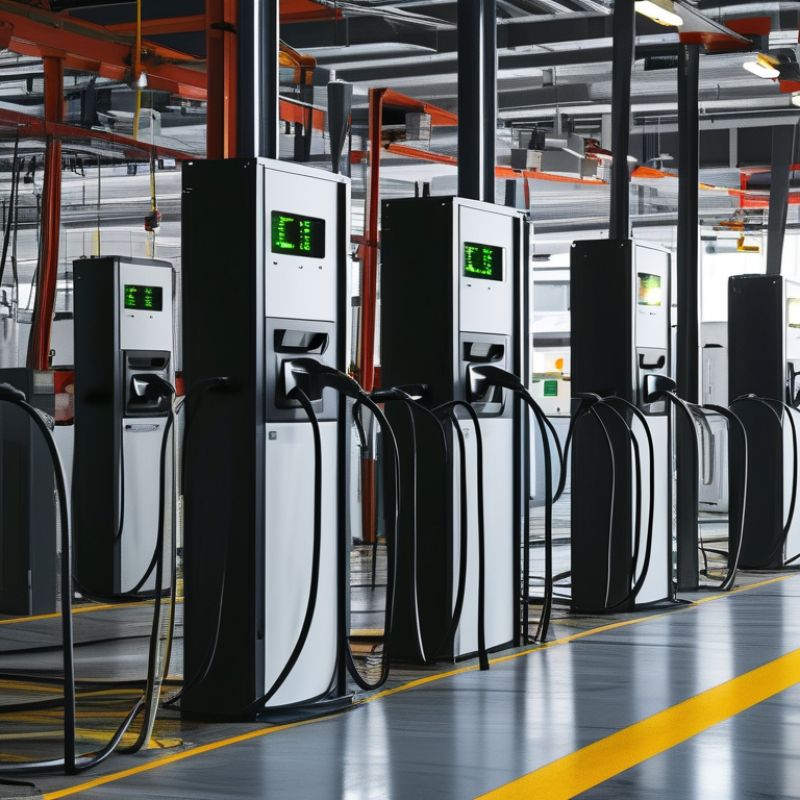
How Do Multi Port DC Chargers Work for Fleet Management?

Understanding Multi Port DC Chargers in Fleet Management

Multi Port DC chargers are transforming fleet management. These systems allow multiple vehicles to charge simultaneously, increasing efficiency. According to a report by the International Energy Agency, the global electric vehicle fleet could reach 125 million by 2030. This surge emphasizes the need for efficient charging solutions.

In fleet management, time is crucial. Multi Port DC chargers can reduce downtime compared to single-port options. A study found that fleets utilizing these chargers saw a 30% decrease in charging time. Fleet managers can optimize vehicle utilization through effective scheduling. An overlooked aspect might be the infrastructure needed for these chargers. Not all facilities can accommodate high-capacity chargers.

Tips for implementation: Assess the site's electrical capacity before installation. Consult with experts to determine the optimal configuration of chargers. Regularly review usage patterns. This can help adjust the number of chargers based on vehicle turnover. Flexibility is vital. Please remember that not all fleets will have the same charging needs. Adapting to unique situations can enhance performance and reduce costs.

The Components of Multi Port DC Chargers and Their Functions

Multi-port DC chargers are essential for efficient fleet management, especially for electric vehicle (EV) operations. These chargers consist of several key components, each playing a unique role. The charging module is one of the most critical parts. It controls the flow of electricity to the vehicles. According to a recent report by the International Energy Agency, the demand for DC fast chargers is expected to grow by 30% annually as more fleets switch to electric.

Another vital component is the communication interface. This technology allows the charger to interact with the vehicle’s onboard system. Proper communication ensures optimized charging times and helps in monitoring energy consumption. Notably, a Fleet Management Systems study revealed that integrating intelligent charging solutions can reduce operational costs by up to 25%.

Power distribution units (PDUs) are also crucial. They manage energy loads and ensure that each vehicle receives adequate power. PDUs can dynamically allocate power based on demand, reducing the risk of overloads. However, installing multi-port DC chargers may require significant upfront investment and infrastructure adjustments, which some fleet operators might overlook. Balancing cost and efficiency remains a challenge in current fleet practices.

How Do Multi Port DC Chargers Work for Fleet Management? - The Components of Multi Port DC Chargers and Their Functions

Component Function Specifications Benefits
Charging Ports Connect electric vehicles for simultaneous charging Typically ranges from 2 to 10 ports Increases fleet charging efficiency
Power Management System Distributes power to each port based on demand Real-time load balancing capabilities Optimizes energy usage
Cooling System Maintains operational efficiency and prevents overheating Fan or liquid cooling systems Prolongs charger lifespan
User Interface Provides ease of use for fleet operators Touchscreen or mobile app control Enhances user experience
Networking Capability Connects to fleet management software for monitoring Wi-Fi or Ethernet connectivity Facilitates real-time data collection

Benefits of Multi Port DC Chargers for Fleet Operations

Multi-port DC chargers are revolutionizing fleet management by offering versatile charging solutions. These chargers can simultaneously power multiple electric vehicles, which is a game-changer for businesses relying on fleet operations. With the growing focus on sustainability, having an efficient charging infrastructure enhances operational efficiency while reducing downtime.

Operational efficiency improves significantly with multi-port DC chargers. They reduce waiting times for vehicles, allowing fleets to maintain peak productivity. This effectiveness leads to better resource allocation. For instance, larger fleets might struggle when using single-port chargers, leading to prolonged downtime. Multi-port solutions minimize these bottlenecks.

Additionally, the cost benefits of multi-port DC chargers are notable. They streamline energy consumption and can lower electricity bills. Yet, the initial investment can be a challenge for some fleet managers. Balancing upfront costs against long-term savings is crucial. Over time, the advantages typically outweigh these challenges, making multi-port chargers a worthwhile consideration for modern fleet operations.

Implementing Multi Port DC Chargers in Existing Fleets

Implementing multi-port DC chargers in existing fleets can significantly enhance operational efficiency. These chargers allow multiple electric vehicles to charge simultaneously, reducing downtime. This is crucial for fleet management, where time is money. Fleet operators can optimize their schedules, ensuring vehicles are ready when needed.

However, integrating these chargers requires careful planning. Existing infrastructure may need upgrades to accommodate new technologies. Operators must also consider the energy supply's capacity to handle increased load. There may be challenges in coordinating charging schedules to avoid grid overload. Developing strategic charging station locations is key.

Moreover, training staff on new systems is essential. Employees should understand how to operate and maintain chargers effectively. Addressing these training needs can be overlooked but is vital for successful implementation. Operators must remain open to feedback as the transition unfolds, adapting their approach as necessary. Continuous evaluation will help identify any areas needing improvement.

Future Trends in Multi Port DC Charging Technology for Fleets

The future of multi-port DC charging technology for fleet management is promising, showcasing significant advancements in efficiency and functionality. According to a recent report from the International Energy Agency, the global market for EV fast charging stations is expected to grow by over 30% annually through 2030. This surge highlights the increasing demand for streamlined charging solutions that can handle multiple electric vehicles simultaneously.

Multi-port DC chargers address this need by allowing several electric vehicles to charge at once, optimizing space and time. However, these systems can face challenges, such as load balancing and infrastructure constraints. Real-time data analytics can help improve efficiency, albeit this technology is still developing. Emphasizing seamless integration with fleet management systems is essential. As noted by industry experts, fleets can expect to enhance operational efficiency through advanced monitoring capabilities and predictive maintenance.

Sustainability plays a crucial role in this evolution. A study from BloombergNEF indicates that the adoption of multi-port charging could lower energy costs for fleets by 20%. Despite these advancements, fleets must remain aware of their local infrastructure capabilities. Transitioning to multi-port systems requires careful planning and investment which can be daunting for many. The shift towards renewable energy sources also adds layers of complexity that fleets must navigate.

FAQS

: What is a multi-port DC charger?

: It is a device that allows multiple electric vehicles to charge at the same time.

Why are multi-port DC chargers important for fleet management?

They reduce vehicle downtime and enhance operational efficiency for electric vehicle operations.

What key component controls electricity flow in chargers?

The charging module is essential for managing the electricity flow to the vehicles.

How does the communication interface benefit charging?

It interacts with the vehicle’s onboard system, optimizing charging times and energy monitoring.

What role do power distribution units (PDUs) play?

PDUs manage energy loads and allocate power based on demand to prevent overloads.

What is a potential challenge when implementing these chargers?

Significant upfront costs and needed infrastructure adjustments can be overlooked by fleet operators.

What should operators plan for when integrating multi-port DC chargers?

They need to assess upgrades to the existing infrastructure and energy supply capacities.

How important is staff training during implementation?

Training employees on new systems is essential but often overlooked during the transition.

How can fleet operators address operational challenges?

Continuous evaluation and adapting strategies based on feedback are crucial for success.

What is a common oversight during the integration process?

Operators may neglect the importance of coordinating charging schedules to avoid grid overload.

Conclusion

Multi-port DC chargers play a critical role in optimizing fleet management by allowing multiple electric vehicles to charge simultaneously, thus enhancing operational efficiency. Understanding how multi-port DC chargers work for fleets involves recognizing their components, such as power distribution systems and robust software for monitoring, which enables seamless integration into existing fleet infrastructures.

The benefits of implementing these chargers include reduced downtime, cost savings, and improved battery life for vehicles. As fleets transition to electric, integrating multi-port DC chargers not only supports current needs but also prepares operations for future advancements in charging technology. With trends leaning towards faster charging solutions and smarter energy management systems, fleet operators are well-positioned to maximize productivity and sustainability in the evolving transportation landscape.

Oliver

Oliver

Oliver is a seasoned marketing professional with a wealth of expertise in driving brand awareness and engagement. With a deep understanding of our company's product offerings, he consistently delivers high-quality content that enriches our professional blog. His insights not only shed light on......