As the world transitions to sustainable energy sources, the integration of DC chargers with energy storage systems becomes increasingly critical. This effort aims to enhance efficiency and support the growing demand for electric vehicles. However, questions arise: How to integrate DC chargers with energy storage systems?
This integration allows charging stations to store energy during off-peak hours. This capability reduces strain on the grid and lowers costs for consumers. The technology is not without challenges. Operators must ensure compatibility between chargers and storage systems. Additionally, proper management of charging cycles is essential to maximize battery life.
Real-world examples illustrate the potential benefits and drawbacks of this integration. Several cities have initiated pilot projects. They aim to assess the effectiveness of energy storage solutions connected to DC charging. These case studies reveal that while integration can streamline operations, technical hurdles persist. Stakeholders must engage in thorough planning and testing to address these issues effectively.
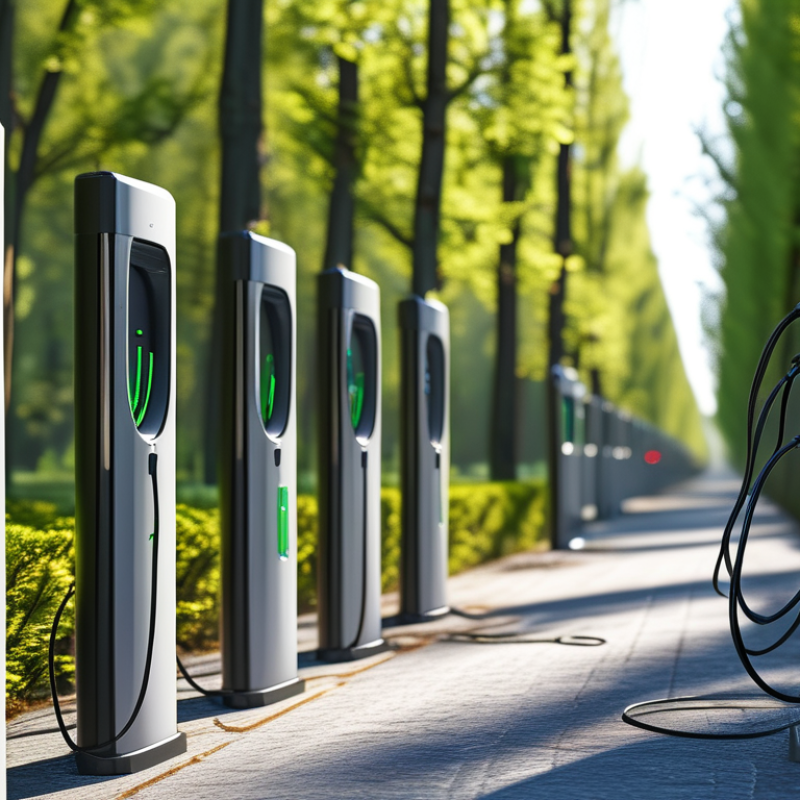
Overview of DC Chargers and Energy Storage Systems
DC chargers are essential for electric vehicle (EV) infrastructure. They provide faster charging solutions compared to traditional AC chargers. These chargers use direct current to deliver power quickly, making them suitable for commercial and public charging stations. As the EV market grows, the demand for efficient infrastructure will increase. Understanding the technology behind DC chargers is crucial for future developments.
Energy storage systems (ESS) play a significant role in enhancing the performance of DC chargers. They store excess energy generated from renewable sources. This stored energy can be used during peak demand times, improving grid stability. Integrating ESS with DC chargers helps minimize the reliance on non-renewable sources. However, challenges remain in energy management and system design.
Infrastructure investments are needed to support this integration. Many operators lack the expertise to design systems that optimize performance. Proper training and planning are essential. Stakeholders must collaborate to overcome these hurdles. Finding reliable energy sources and ensuring accessibility are ongoing concerns. This integration requires innovation and careful consideration of the technology landscape. Each aspect contributes to a sustainable and efficient future for EV charging.
Benefits of Integrating DC Chargers with Energy Storage
Integrating DC chargers with energy storage systems offers significant advantages for the evolving energy landscape. According to a report by the International Energy Agency (IEA), the demand for fast charging stations is expected to exceed 10 million units globally by 2025. This surge necessitates efficient energy management solutions. Energy storage systems can mitigate grid stress during peak charging times, enhancing reliability.
Utilizing energy storage alongside DC chargers can lead to cost reductions. A study from the U.S. Department of Energy indicates that facilities can save up to 30% on electricity costs by deploying energy management strategies. Battery storage allows these facilities to draw power when it's cheapest, storing it for later use during peak demand. This not only lowers operational costs but also promotes sustainability efforts.
Despite these benefits, there are challenges. Integrating these technologies requires upfront capital investment, which may deter some developers. Moreover, the lifecycle management of storage systems can be complex, requiring expertise and planning. These factors need careful consideration to achieve optimal results. Creating a balance between immediate costs and long-term savings is essential for successful implementation.
Technological Innovations for 2026 Integration
The integration of DC chargers with energy storage systems is becoming vital for the future of electric vehicle infrastructure. Innovations in battery technology and management systems offer significant improvements. These advancements enhance the efficiency of charging stations and reduce strain on the electrical grid. Batteries are now more efficient, which allows for faster charging. Many stations can store excess energy generated during off-peak hours to support peak demand.
A key challenge lies in managing the variability of renewable energy sources. Energy storage systems must be adaptable to diverse energy inputs. Real-time monitoring and predictive analytics can optimize energy distribution. Smart systems use algorithms to forecast energy needs, ensuring reliability in charging. However, technological integration is not always seamless. Compatibility issues can arise, highlighting the need for standardized protocols.
Collaborative efforts among stakeholders can drive innovation. Partnerships between energy providers and technology developers can lead to breakthrough solutions. Yet, the path forward is not without obstacles. Regulatory hurdles and initial costs may impede rapid deployment. Addressing these challenges requires dedication and ongoing dialogue within the industry. As we aim for a sustainable future, continuous improvement and innovation are crucial in this evolving landscape.
Challenges and Solutions in the Integration Process
Integrating DC chargers with energy storage systems poses significant challenges. One major issue is interoperability. Different systems often use varying communication protocols. This complexity can lead to inefficiencies and higher costs. According to a recent report from the International Energy Agency, interoperability issues could slow down global charging infrastructure growth by 30% by 2026.
Battery lifespan is another concern. Frequent cycling of energy storage systems due to high demand from DC chargers can degrade performance. A study by the National Renewable Energy Laboratory indicates that optimal charging strategies can enhance battery longevity by up to 20%. However, achieving these strategies requires industry-wide collaboration, data sharing, and advanced analytics.
Moreover, safety standards must evolve. As integration progresses, the risk of thermal runaway in batteries increases. The latest IEEE standards are crucial but still require updates to address new technologies. Ensuring compliance while pushing for innovation can be a delicate balancing act. Stakeholders need ongoing education on safety protocols, regulatory changes, and technology updates. Failure to adapt could hamper progress in energy storage and charger integration.
Integrating DC Chargers With Energy Storage Systems - Challenges and Solutions
Future Trends in Electric Vehicle Charging Infrastructure
The trends in electric vehicle (EV) charging infrastructure are rapidly evolving. By 2026, integrating DC chargers with energy storage systems could transform the landscape. According to a recent report, the global EV charging market is projected to grow at a compound annual growth rate (CAGR) of 32.5%, reaching $140 billion by 2027. This explosive growth emphasizes the need for efficient, reliable, and sustainable charging solutions.
DC fast chargers, paired with energy storage systems, can address peak demand challenges. They can reduce grid strain and enhance reliability. Studies indicate that energy storage can decrease operational costs by 15% through load shifting. This approach empowers charging stations to operate at optimal times, particularly during off-peak hours, making it economically viable.
However, using energy storage in EV infrastructure isn't without challenges. The initial investment can be significant. Many operators are unsure about long-term returns. Regulatory frameworks such as incentives and policies are still developing. Some states have yet to establish clear guidelines to support the integration of these technologies. As the industry matures, stakeholders must collaboratively address these hurdles to maximize the potential of this promising integration.
FAQS
: Integrating these systems can reduce electricity costs and enhance charging reliability during peak demand.
These systems allow facilities to store energy when prices are low, saving up to 30% on electricity expenses.
Major challenges include high initial costs and complex lifecycle management of the storage systems.
Different communication protocols can lead to inefficiencies and potentially slow down the growth of charging infrastructure.
Frequent energy storage cycling may degrade battery life, but optimal charging strategies can improve longevity by about 20%.
Advanced analytics and smart systems can forecast energy needs, increasing reliability but may face compatibility issues.
As systems evolve, risks such as thermal runaway become more significant and require updated safety standards.
Conclusion
The article "Integrating DC Chargers With Energy Storage Systems for 2026?" explores the vital connection between DC chargers and energy storage systems as the electric vehicle (EV) market evolves. It begins with an overview of both technologies, highlighting their roles in enhancing charging efficiency and grid stability. The integration of these systems is positioned as a key benefit, ensuring that energy can be stored during off-peak times and utilized during peak demand, thereby reducing energy costs and enhancing sustainability.
Looking ahead to 2026, the article discusses technological innovations that could facilitate this integration, alongside the challenges that may arise, including infrastructure limitations and regulatory hurdles. It identifies potential solutions to these challenges and points to future trends shaping the EV charging landscape. Ultimately, the article emphasizes the importance of understanding how to integrate DC chargers with energy storage systems to build a more resilient and efficient EV charging infrastructure.

 Vernon Charger