As electric vehicle (EV) adoption ramps up, the demand for DC EV chargers is also growing. According to a recent report by the International Energy Agency (IEA), global EV sales increased by 54% in 2021, underscoring the urgent need for home charging solutions. Many homeowners are eager to learn how to install a DC EV charger safely.
However, the process is not without its challenges. Improper installation can lead to safety hazards such as electrical fires or equipment damage. Data from the National Fire Protection Association (NFPA) indicates that electrical problems caused nearly 36,000 home fires annually. To prevent these risks, it is essential to approach the installation with a solid understanding of safety protocols and local regulations.
Understanding how to install a DC EV charger safely involves assessing your home's electrical capacity and choosing the right equipment. Homeowners should consult with a licensed electrician to ensure compliance with applicable codes and standards. This stage is often overlooked but is crucial for a successful installation, as many DIY attempts lead to errors and safety risks.
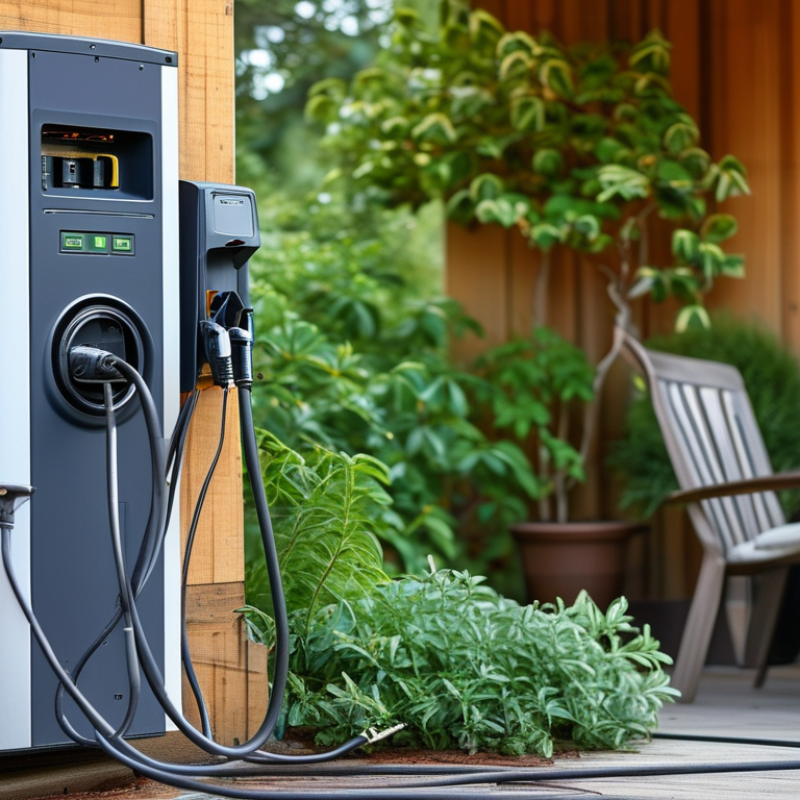
DC EV chargers are gaining popularity for home charging. These chargers can significantly reduce charging time compared to traditional AC chargers. According to the Electric Power Research Institute (EPRI), level 3 DC chargers can deliver up to 80% charge to a vehicle in just 30 minutes. This efficiency is appealing to many EV owners who are looking for quick and convenient charging solutions.
Understanding how DC chargers operate is essential. They convert direct current from the grid into a format suitable for electric vehicles. This process is more efficient than AC charging. A report by the International Energy Agency (IEA) notes that the installation of DC chargers in residential areas could increase electric vehicle adoption by 15% over the next five years. However, safety is paramount when installing these systems. Improper installation can lead to electrical hazards or equipment failures.
While the benefits are clear, potential challenges exist. The initial investment for a DC charger can be high. Homeowners may need to upgrade their electrical systems to handle the increased load. It's crucial to consult with experienced electricians who understand local regulations. Proper installation ensures reliability and safety, reducing future maintenance risks. Choosing the right location for the charger is also vital. It should be easily accessible but away from high-traffic areas to prevent accidental damage.
Assessing your home's electrical system is crucial before installing a DC EV charger. The National Fire Protection Association (NFPA) reports that improper installations can pose safety risks. Understanding your electrical capacity is the first step. Most homes have a standard 100 or 200 amp service. However, installing a high-powered charger may require an upgrade.
Check the amperage of your system. It’s vital that it can handle additional loads from the charger while supporting your home’s needs. Generally, a dedicated circuit for the charger is necessary. Local electrical codes provide guidelines on the required circuit size. A shortage of amperage can lead to overheating and circuit failures.
Tips: Ensure your breaker box has enough space for new circuits. Inspect existing wiring for wear. Consider hiring a licensed electrician for capacity assessments. Consult with professionals to determine whether your system requires upgrades. Keeping everything compliant prevents future hazards. Remember, even small issues can lead to bigger problems. Your safety is paramount.
When selecting the right location for a DC EV charger installation at home, several key factors must be considered. Positioning the charger conveniently can greatly enhance user experience. Research indicates that over 80% of EV owners charge primarily at home, highlighting the importance of accessibility. A garage or a dedicated parking space is ideal. This ensures protection from the elements and minimizes the risks of accidental damage.
Adequate power supply is crucial when determining the location. You need to install the charger within reach of your electrical panel. According to industry data, about 45% of improper installations stem from inadequate wiring and supply issues. This can lead to diminished charger performance and potential safety hazards. It’s essential to consult a licensed electrician to evaluate your home's electrical capacity before proceeding.
Consideration of local regulations and building codes is another critical aspect. Some areas require inspections for EV charger installations to ensure safety standards are met. In an industry where roughly 30% of installations fail to comply with safety regulations, understanding these requirements can save both time and resources. Evaluating neighborhood dynamics, including potential installations by others, may also provide insight. Choosing a smart and compliant location can enhance both usability and safety for DC EV charger installations.
Installing a DC EV charger at home requires careful planning. First, assess your electrical capacity. Ensure your home’s system can handle the additional load. Upgrading may be necessary for safety. Consult a licensed electrician before making decisions.
Tips: Always choose a location sheltered from the elements. This can prolong the charger’s life. A garage or carport works well. Keep the area organized to avoid tripping hazards. Safety should be your top priority.
Next, obtain the necessary permits. Check local regulations to confirm compliance. This step may seem tedious but is crucial. Your safety and future peace of mind depend on proper installation. Follow manufacturer's guidelines closely for wiring and connections.
Tips: Always double-check your connections. Mistakes can lead to equipment failure. Document each step of the process for future reference, even if it feels redundant. Remember, there’s no such thing as being too cautious with electricity.
When installing a DC EV charger at home, safety is paramount. Start by choosing a dedicated circuit to handle the charger’s electrical load. This circuit should be compliant with local electrical codes. Overloading circuits can lead to overheating and potentially hazardous situations. It's wise to consult a licensed electrician to assess your home’s electrical system before proceeding.
Ensure your installation area is dry and accessible. Keeping the charger away from standing water can prevent electrical shocks. Install signage to alert family members of the new charger; this minimizes accidents and encourages responsible usage. A well-placed charger is not only practical but also enhances safety.
Tips: Always wear insulated gloves during installation. This simple precaution can prevent electric shocks. Additionally, double-check connections to ensure they are secure and tight. Regular maintenance is necessary; inspect the charger every few months for any signs of wear or damage. Address any issues immediately to maintain safety and functionality. Remember, attention to detail in the installation process can save you from serious problems later.
: Check your home's electrical capacity first. Make sure it can handle the extra load from the charger.
A sheltered location prolongs the charger’s life. A garage or carport is ideal for protection.
Consult a licensed electrician. They can guide you through necessary upgrades for safety.
Yes, obtaining permits is crucial. Check local regulations to ensure compliance before starting.
Use a dedicated circuit and avoid overloaded circuits. Always wear insulated gloves to prevent shocks.
Inspect the charger every few months. Look for signs of wear or damage and address issues immediately.
Document each step of the installation. This can help with future reference and troubleshooting.
No, keep the installation area dry. This prevents electrical shocks and enhances overall safety.
Mistakes can cause equipment failure. Secure connections are vital for safe and effective charger operation.
Ignoring safety can lead to serious hazards. It's crucial to pay attention to details throughout the process.
Installing a DC EV charger at home can significantly enhance your electric vehicle charging experience, but it’s crucial to do it safely. Understanding the basics of DC EV chargers for home use is the first step, as it helps you grasp their requirements and benefits. Before proceeding, assess your home’s electrical system to determine compatibility and identify the best location for installation, ensuring convenience and accessibility.
When you're ready to dive into the installation, follow a step-by-step guide to install a DC EV charger safely. This includes checking power ratings, securing necessary permits, and employing proper wiring techniques. Throughout the process, it is essential to adhere to safety precautions and best practices to mitigate risks. By focusing on these critical areas, you will have a successful installation experience and confidently know how to install a DC EV charger safely.

Vernon Charger