Top 5 Insights on How Billing Systems Work for DC Charging Networks?

Time:2026-06-13 Author:Charlotte
0%

As the electric vehicle (EV) market expands, understanding how billing systems work for DC charging networks has become essential. According to a report by the International Energy Agency (IEA), global EV sales reached 6.6 million in 2021, and this number continues to rise. A robust billing system is crucial for managing user payments efficiently and transparently in this growing landscape.

Expert Michael Walsh, a consultant in EV infrastructure, states, “The success of DC charging networks relies heavily on streamlined billing solutions.” These systems not only handle payments but also track usage and integrate with various platforms.

Challenges persist, though. Many operators face difficulties regarding interoperability and user experience. Preferences vary between different EV drivers, which complicates billing. As the industry evolves, tackling these issues will be vital to enhance customer satisfaction and optimize network efficiency. Understanding how billing systems work for DC charging networks will be key to navigating this complex environment.
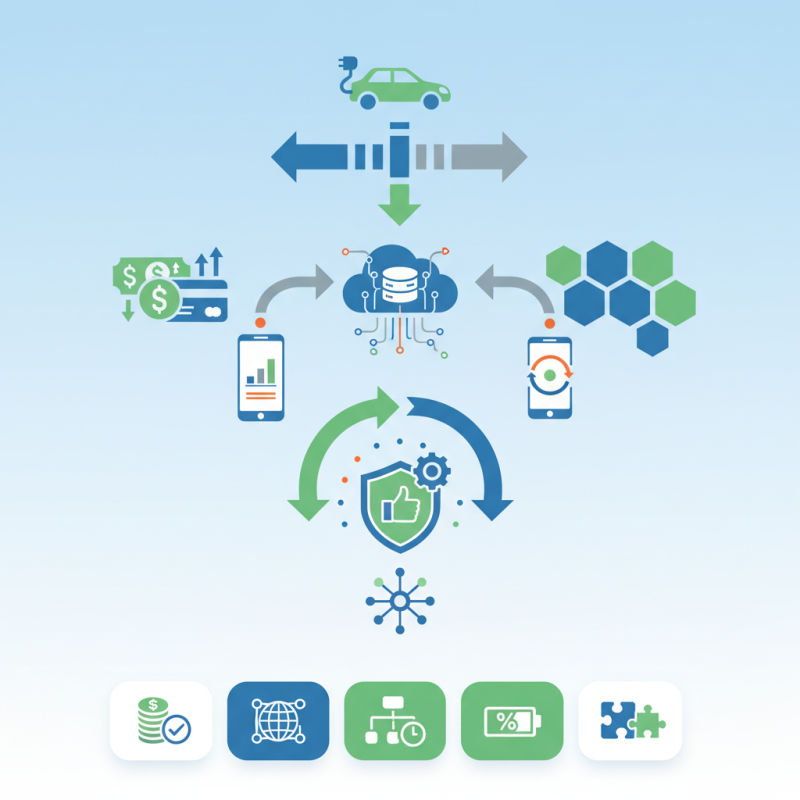
Top 5 Insights on How Billing Systems Work for DC Charging Networks?

Understanding the Basics of Billing Systems for DC Charging Networks

Billing systems for DC charging networks play a crucial role in the electric vehicle ecosystem. Understanding their workings is essential for both operators and users. Typically, these systems track the energy consumed during charging sessions. They also calculate associated costs based on factors such as time, energy rate, and additional fees. Transparency in pricing models enhances user trust and encourages usage.

When setting up a billing system, consider these tips: Always communicate rates clearly to users. Hidden fees can lead to frustration and mistrust. Flexibility in payment methods can also enhance user experience. Accepting various payment options caters to different preferences, making it easier for all users.

Another important point is data accuracy. Monitoring usage and costs reliably fosters credibility. Issues with billing can lead to customer dissatisfaction. Create a robust mechanism for addressing discrepancies. Regularly review the data flow and ensure your systems are working as intended. This diligence can improve both user satisfaction and operational efficiency.

Key Components of Billing Systems in Electric Vehicle Charging

Billing systems in electric vehicle (EV) charging networks play a crucial role in ensuring seamless transactions. Key components of these systems include payment processing, user authentication, and real-time monitoring. Payment processing allows drivers to pay for their charging sessions, while user authentication ensures that only authorized users access the charging stations. Real-time monitoring provides accurate usage data for both users and network operators.

Tips: Always keep track of charging session durations. This can help users understand their charging habits and optimize their costs. Accurate data empowers users to make informed decisions.

Another important aspect is dynamic pricing, which adjusts fees based on demand. This encourages users to charge at off-peak times. However, it can lead to confusion if not implemented clearly. Transparency in pricing structures helps eliminate misunderstandings. Users should always be aware of potential charges before plugging in.

Finally, data analytics plays a vital role in improving billing systems. Continuous analysis of user behavior and charging patterns can enhance service offerings. However, it’s essential to address data privacy concerns seriously. Users must feel their information is secure and protected. Prioritizing user trust is critical for successful billing system implementation.

How Transaction Authorizations Work in DC Charging Billing

Understanding transaction authorizations is crucial for DC charging billing systems. When users connect their electric vehicles (EVs) at a charging station, the system initiates a transaction authorization. This process verifies payment methods to ensure that users can cover the costs of charging. It typically takes only a few seconds, but delays can occur. These pauses can frustrate users at busy charging locations.

The system conducts checks against stored payment information. An approval confirms that funds are available. If declined, users may not receive clear communication about the failure. Such instances highlight the need for improved transparency. Ensuring users understand authorization results can enhance their experience.

Moreover, security measures play a vital role. Encrypting transaction data protects users from fraud. However, the complexity of these systems can lead to occasional breakdowns. Maintenance and updates are necessary to prevent these issues. Addressing gaps in these areas is essential for building user trust in billing processes.

Types of Pricing Models Used in DC Charging Networks

DC charging networks have become crucial as electric vehicles (EVs) gain popularity. Understanding pricing models helps consumers and operators navigate billing systems effectively. Different pricing strategies impact user experience and business profitability significantly.

One common model is the pay-per-use structure. Users pay for the energy consumed during charging. This approach offers simplicity, but it may not always reflect actual costs. According to industry data, 65% of users prefer fixed-rate pricing over variable rates. Fixed rates provide predictability, making budgeting easier for consumers. However, they also pose a risk for operators regarding energy price fluctuations.

Subscription models are increasingly popular. Users pay a monthly fee for unlimited charging access. This appeals to frequent users, fostering loyalty. Yet, this model may not attract occasional users, highlighting a potential gap in reach. According to a report by the International Energy Agency, nearly 30% of EV owners are not aware of subscription options. This lack of awareness could limit market growth, as operators strive to balance simplicity and value.

Transitioning to time-of-use pricing is gaining traction. Charging costs vary depending on peak and off-peak hours. This method encourages users to charge during low-demand periods, reducing strain on the grid. However, some users find it complicated to navigate these time-based schedules, showing a need for clearer communication from charging networks.

Top 5 Insights on How Billing Systems Work for DC Charging Networks

This chart illustrates the various pricing models used in DC charging networks and their relative usage frequency. Each model has unique attributes that influence consumer choices and operational efficiencies.

Challenges and Solutions in Billing for DC Charging Stations

As the adoption of electric vehicles (EVs) accelerates, billing for DC charging stations becomes increasingly complex. Studies show that 78% of users prioritize transparent billing. They want to understand their costs before charging. This highlights a challenge: unclear pricing can deter users from DC charging networks. Effective communication of costs is essential for user satisfaction.

Billing systems must handle diverse payment methods. Many users expect seamless transactions via mobile apps. A report from the International Energy Agency states that a complex billing process can lead to a 30% decrease in user engagement. Thus, simplifying payment options could enhance user experience. Integration with digital wallets and real-time pricing can draw more users to charging stations.

Another issue involves peak pricing. Charging stations often face demand surges. Implementing dynamic pricing can manage these fluctuations. However, this strategy requires careful monitoring. If prices spike too high during peak times, customers may turn away. It’s crucial to find a balance that encourages usage while ensuring profitability for operators.

FAQS

: What do billing systems for DC charging networks do?

: They track energy consumed during charging and calculate costs based on rates and fees.

How can operators enhance user trust in pricing?

Operators should communicate rates clearly. Avoiding hidden fees builds trust.

Why is data accuracy important in billing systems?

Accurate data fosters credibility. Inaccuracies can lead to customer dissatisfaction and complaints.

What is a key component of effective billing systems?

Payment processing allows users to pay easily for their charging sessions.

How does dynamic pricing work in charging networks?

It adjusts fees based on demand, encouraging off-peak charging to ease grid strain.

What challenges do users face with time-of-use pricing?

Some users find the schedules complicated and need clearer communication about potential costs.

How can billing systems help users manage costs?

Tracking session durations helps users optimize their charging habits and costs effectively.

What concerns exist about user data in billing systems?

Data privacy issues must be addressed. Users need to feel their information is secure.

What are subscription models in charging networks?

Users pay a monthly fee for unlimited charging access, appealing mainly to frequent users.

Why might some users prefer fixed-rate pricing?

Fixed rates provide predictability for budgeting but carry risks for operators with energy price changes.

Conclusion

The article titled "Top 5 Insights on How Billing Systems Work for DC Charging Networks" provides an in-depth exploration of the essential features and functionalities of billing systems tailored for electric vehicle charging stations. It begins with a foundational understanding of these systems, discussing their vital role in streamlining transactions for DC charging networks. Key components such as transaction authorization processes and various pricing models are elaborated upon, highlighting how these elements work cohesively to enhance user experience.

Moreover, the article addresses the challenges faced in the billing processes of DC charging stations and offers viable solutions to optimize efficiency. By examining these insights, readers gain a comprehensive understanding of how billing systems work for DC charging networks, ensuring clarity on the mechanisms behind charging transactions and the financial frameworks supporting electric vehicle infrastructure.

Charlotte

Charlotte

Charlotte is a seasoned marketing professional with a deep understanding of the company's portfolio and a passion for elevating its presence in the market. With a keen eye for detail and a commitment to excellence, she ensures that our professional blog is regularly updated with insightful articles......