Electric vehicles are becoming flexible energy assets, not merely transport machines. The International Energy Agency reported more than 17 million electric cars sold worldwide in 2024. That expanding battery fleet creates a practical question: How vehicle-to-grid DC charging works, and whether it can support a stressed power system.
In a DC vehicle-to-grid system, power flows directly between the vehicle battery and an external bidirectional charger. The charger converts battery power into grid-compatible electricity, then reverses the flow when the car needs energy. Communication software checks charging limits, battery condition, electricity prices, and grid requests. Standards such as ISO 15118-20 can help coordinate this exchange, although real-world compatibility remains uneven.
A diagram can make it look effortless.
Willett Kempton, a University of Delaware researcher and V2G pioneer, described an electric vehicle as “a battery on wheels.” His work helped demonstrate how parked vehicles could provide frequency regulation and other grid services. The U.S. Department of Energy’s National Renewable Energy Laboratory has also examined bidirectional charging for resilience, peak reduction, and renewable-energy integration.
The opportunity is substantial, but the technology is not magic. Frequent cycling may influence battery aging, and drivers still need reliable departure ranges. Electricity markets, charger certification, utility rules, and vehicle warranties also shape the business case. The IEA’s Global EV Outlook shows rapid charging-network growth, yet deployment quality differs sharply between regions.
Understanding the hardware is only part of the story. A trustworthy explanation must also examine safety controls, connection standards, user consent, and measured field performance. The promise is real. The evidence is still developing.
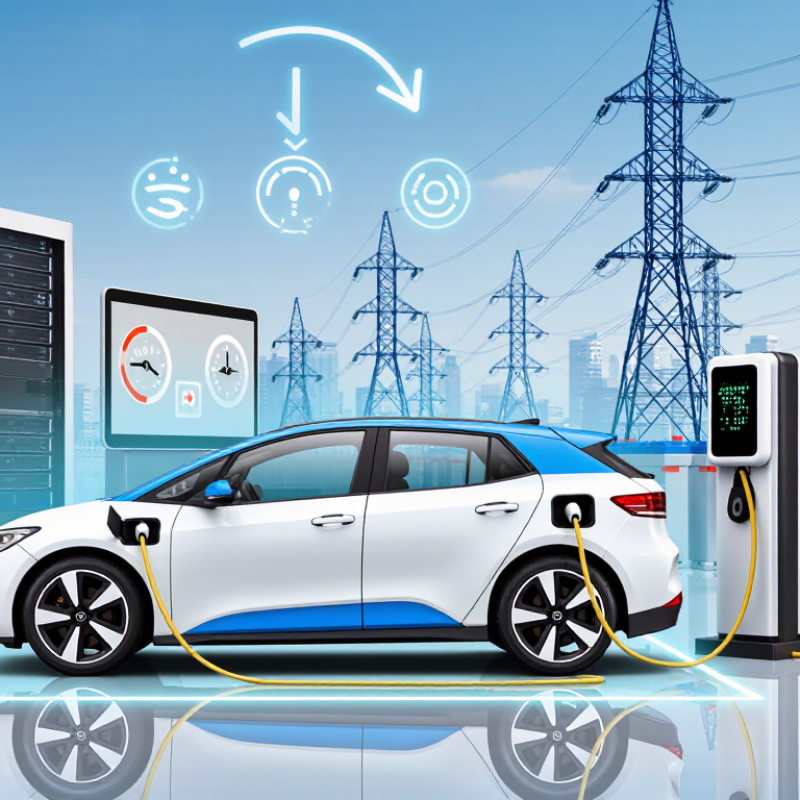
Vehicle-to-grid (V2G) DC charging means an electric vehicle can receive direct current and send stored energy back to the grid. Unlike ordinary charging, power moves in two directions. A bidirectional charger manages this exchange outside or alongside the vehicle. The car’s battery becomes a temporary energy resource, not merely a load. During periods of high demand, the system may discharge a measured amount. When electricity is plentiful, it can recharge the battery.
This process depends on communication between the vehicle, charger, and grid operator. The system checks battery temperature, state of charge, connection status, and requested power. It then adjusts output in small steps. In a real installation, a car may discharge while parked at an office, with the cable locked and the charger showing live power flow.
DC charging can reduce conversion steps, but it still creates heat and requires careful thermal control. That detail is easy to overlook.
V2G does not mean the battery is always available. The driver needs a minimum charge for the trip home. Frequent cycling may also affect battery aging, depending on chemistry, depth, temperature, and control strategy. Results vary. A reliable program sets user preferences, limits discharge, records energy transfers, and pauses operation when conditions change. Testing remains important, because a smooth demonstration may hide communication delays or unexpected charging behavior.
What Is Vehicle to Grid DC Charging and How Does It Work?
The Main Components of a V2G DC Charging System
A V2G DC charging system moves electricity in two directions. Energy flows from the grid into the vehicle, then returns during peak demand. The main component is a bidirectional DC charger. It controls voltage, current, and power flow between the grid and battery. Unlike conventional AC charging, power conversion occurs outside the vehicle. This can reduce conversion stages and support faster control.
The system also needs a battery management system, smart meter, and energy management controller. The battery management system checks temperature, state of charge, and charging limits. A smart meter records exported and imported electricity. The controller follows grid signals, electricity prices, and driver preferences. Communication usually relies on standards such as ISO 15118-20 and IEC 61851. Protection equipment isolates faults quickly. Safety comes first.
The numbers explain the opportunity. The International Energy Agency reported over 14 million electric car sales in 2023, with the global electric fleet approaching 40 million vehicles. Its Global EV Outlook 2024 also recorded more than four million public charging points worldwide. A small share of those vehicles could provide meaningful flexibility. Yet the connection is not simple. Battery ageing, local grid limits, and unclear payment rules remain practical barriers. A 2024 industry review by the National Renewable Energy Laboratory highlighted the need for coordinated controls, reliable communications, and consistent interconnection procedures. The hardware may work. The wider system still needs refinement.
Vehicle-to-grid DC charging allows an electric vehicle to exchange energy with the power network in both directions. Unlike ordinary charging, the vehicle can return stored electricity during periods of high demand. The process depends on a bidirectional DC charger, communication controls, and a protected grid connection.
During charging, electricity flows from the grid into the charger, then into the vehicle battery as direct current. When grid support is needed, the flow reverses. The charger draws DC energy from the battery, regulates voltage, and sends synchronized power back to the grid. Software checks battery state, charging limits, connection status, and local grid conditions. It is not simply a cable with two directions.
The IEA’s Global EV Outlook 2024 reported more than 14 million electric cars sold worldwide in 2023. It also recorded over 40% growth in public charging points. That expanding battery capacity could provide valuable flexibility, especially during evening peaks. Yet the energy path is not lossless. Charging and discharging create conversion losses, heat, and battery wear. Some early projections seem too neat. Real performance depends on charger efficiency, battery temperature, network rules, and driver settings. A vehicle may support the grid at 6 p.m., but not if its owner needs a full battery at 6:15. The U.S. Department of Energy’s vehicle-grid research therefore emphasizes coordinated controls, safety testing, and customer-centered operating limits.
This representative 24-hour profile shows how a bidirectional DC charger can move energy in both directions. Positive values indicate electricity flowing from the grid into the vehicle for charging, while negative values indicate electricity flowing from the vehicle battery back to the grid. The example uses a bidirectional charger with a practical operating limit of approximately 10 kW. Energy transferred during each hour is calculated as power multiplied by one hour.
Vehicle-to-grid DC charging allows an electric vehicle to exchange energy with the power network. A bidirectional DC charger controls this two-way flow. During evening demand, the vehicle can send stored electricity back to the grid. During low-demand periods, it can recharge from available power. This helps reduce pressure on large generators and local transformers. It also gives grid operators a flexible energy resource parked in ordinary driveways.
The process depends on secure communication, battery limits, and real-time electricity conditions. A control system may request a small discharge when frequency drops. It can then pause within seconds when grid conditions stabilize. Vehicles must keep enough energy for the driver’s planned trip. Battery temperature, state of charge, and charging history also matter. The technology sounds simple. Real schedules are not. A missed commute could expose a weakness in an otherwise efficient program.
Tips: Set a minimum departure charge before joining a grid-support program. Check whether the vehicle and charger support bidirectional DC operation. Review compensation terms, battery warranty conditions, and data permissions. Charging at midday may absorb excess solar power, while evening discharge can support peak demand. However, frequent cycling may increase battery wear, and its long-term cost is still being studied. Clear limits and transparent controls build trust.
Vehicle-to-grid DC charging allows an electric vehicle to exchange power with the electricity network. A bidirectional DC charger controls this flow. It can charge the battery during low-demand periods, then send stored energy back during peak demand. Software follows grid signals, charging schedules, battery limits, and the driver’s departure time. In practice, the system must maintain a safe reserve, such as 30% battery capacity.
The benefits are practical. Fleet operators can reduce peak electricity costs by discharging parked vehicles during expensive hours. Utilities may also use connected vehicles to support frequency control and absorb excess renewable energy. A vehicle parked at a depot can become a small, flexible energy resource. The process is measurable. Operators can track power flow, charging cycles, and battery temperature.
The challenges are less visible. Bidirectional equipment costs more than standard chargers and needs careful electrical design. Communication failures can interrupt scheduled charging. Battery aging is another concern, although controlled power levels may reduce unnecessary stress. The economics are not always obvious. A spreadsheet can show savings, yet demand charges, maintenance, connection upgrades, and driver behavior may change the result. Real sites expose these gaps. Successful deployment requires tested control software, clear operating rules, accurate energy measurements, and regular review of battery data. Even then, perfect availability is unrealistic.
It lets an electric vehicle receive electricity and return stored energy to the grid. Power moves both ways. The battery becomes a temporary energy resource.
During charging, electricity flows from the grid through a bidirectional DC charger into the battery. When support is needed, the flow reverses. The charger regulates voltage and synchronizes the returning power.
Software monitors battery temperature, charge level, connection status, and grid conditions. It adjusts power in small steps. Communication failures can still interrupt operation.
A parked vehicle may discharge during an evening demand peak. For example, it could support the grid at 6 p.m. It should stop if the driver needs a full battery shortly afterward.
Fleet operators may reduce peak electricity costs by using parked vehicles. Utilities may gain flexible power for frequency control. Vehicles can also absorb surplus renewable electricity.
No. Equipment, maintenance, connection upgrades, and demand charges can reduce savings. A spreadsheet may look attractive. Real driving habits can change the result.
Frequent charging and discharging may increase battery wear. Effects depend on chemistry, temperature, depth, and control settings. The actual result varies.
It needs a bidirectional DC charger, protected electrical connections, communication controls, and tested software. The system should record energy transfers and battery temperature. Thermal control matters.
No. The driver needs a minimum travel reserve. The system should follow departure preferences and pause when conditions change.
They should test communication delays, charging behavior, safety controls, and power measurements. Perfect availability is unrealistic. Regular review is still necessary.
Vehicle-to-grid (V2G) DC charging enables an electric vehicle to exchange electricity with the power grid in both directions. Unlike conventional charging, the system can store energy in the vehicle’s battery and later send controlled power back to the grid when demand is high or renewable generation is limited. The main components include a compatible electric vehicle, a bidirectional DC charger, communication and control software, a grid connection, and energy management equipment.
How vehicle-to-grid DC charging works depends on coordinated power conversion and real-time communication. The charger manages the flow of direct current between the grid and the battery while monitoring energy prices, grid conditions, battery status, and user preferences. Through this process, electric vehicles can help balance supply and demand, support renewable energy integration, reduce peak loads, and potentially lower charging costs. However, practical challenges include battery wear, equipment costs, communication standards, connection requirements, system safety, and the need for clear operating rules. Overall, V2G DC charging turns parked electric vehicles into flexible energy resources while preserving mobility needs.

Vernon Charger