The 139th Canton Fair presents an incredible opportunity for those interested in Fleet Electrification Solutions. Scheduled from April 15 to May 5, 2026, the fair will showcase advancements in various sectors, including advanced manufacturing and new materials. Attendees can expect to discover innovative technologies that enhance fleet efficiency and sustainability.
Amidst guidance from AI-driven search and navigation tools, visitors can pinpoint exhibitors specializing in electrification solutions. The fair spans an impressive 1.55 million square meters. This feature significantly improves navigational efficiency, making it easier for businesses to connect with relevant suppliers.
However, challenges persist in the electrification domain. Not all fleets are ready for immediate transition to electric solutions. Some companies face hurdles like budget constraints and charging infrastructure accessibility. As we explore the realm of Fleet Electrification Solutions, reflecting on these obstacles can lead to more robust and effective strategies in the future.
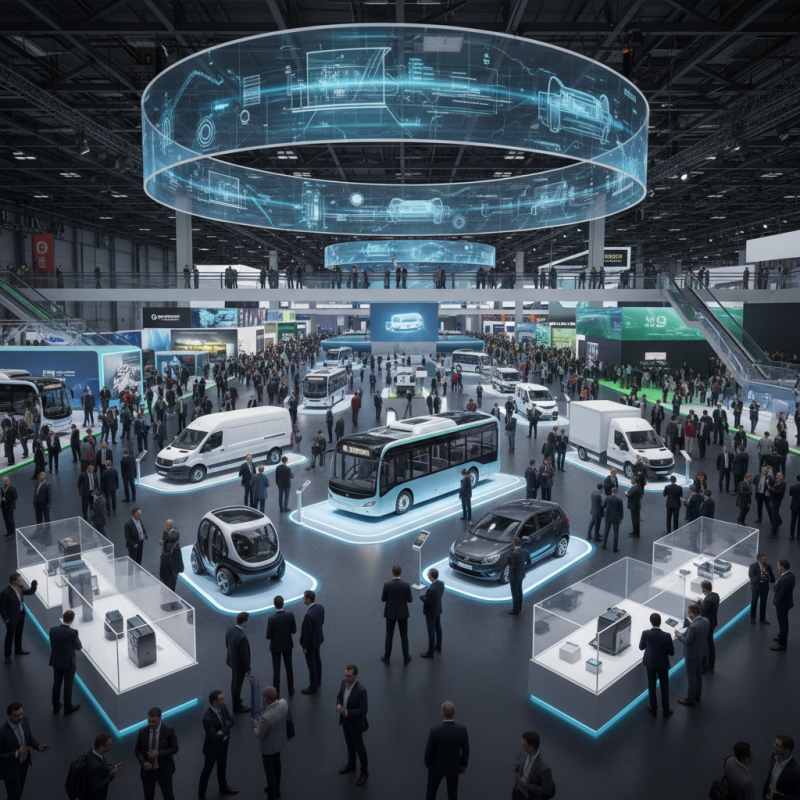
Fleet electrification is reshaping transportation and logistics. At the 139th Canton Fair, attendees witnessed exciting innovations. Many companies showcased electric vehicle technologies and solutions designed for diverse fleet needs. The focus on sustainability and efficiency was clear.
One notable trend is the integration of smart charging solutions. These allow fleets to optimize charging times and reduce costs. This technology adapts to energy demand, cutting down on peak-hour expenses. However, some businesses struggle with adapting to these changes. Understanding how to implement electric options is still a challenge for many.
Another significant observation was the emphasis on renewable energy sources. Fleets are now looking at solar and wind power to charge their vehicles. This shift creates an opportunity for cleaner operations. Yet, there remains a gap in knowledge about the right energy mixes. The path forward in fleet electrification may not be as straightforward as it seems.
The chart below illustrates the focus areas in fleet electrification solutions showcased at the 139th Canton Fair, highlighting trends and advancements in various categories.
The 139th Canton Fair recently showcased cutting-edge technologies for electric vehicles and fleets. It highlighted innovations in battery efficiency and charging infrastructure. A report from the International Energy Agency (IEA) reveals that the global electric vehicle stock surpassed 10 million units in 2020, showcasing rapid growth. However, despite this, the adoption rate varies significantly across regions, raising questions about infrastructure readiness.
Many solutions presented at the fair focus on enhancing fleet management. Real-time data analytics can optimize routes and reduce operational costs. Studies indicate that electric fleets can lower greenhouse gas emissions by up to 70% compared to traditional vehicles. Still, challenges remain, such as the high initial investment and maintenance costs. Companies must weigh these factors carefully to make informed decisions.
**Tips:** Consider integrating renewable energy sources with your electric fleet. This allows for greater sustainability and reduces dependence on the grid. Monitor advancements in charging technology to stay competitive. The landscape of electrification is constantly changing, which means staying informed is vital. Always assess your specific needs and capabilities before transitioning to ensure smooth implementation.
| Solution Type | Key Features | Charging Time (Hours) | Battery Capacity (kWh) | Range (Miles) | Integration Type |
|---|---|---|---|---|---|
| Electric Van | High cargo space, fast charging | 4 | 100 | 200 | Cloud-based fleet management |
| Electric Bus | Eco-friendly, seating for 30 | 6 | 200 | 300 | Route optimization software |
| Electric Truck | Heavy-duty, long-distance | 8 | 300 | 500 | Telematics integration |
| Charging Station | Fast charging, solar panels | 1 | N/A | N/A | Public and private use |
The 139th Canton Fair showcases innovative electrification solutions for fleets. Various industry players are pushing the boundaries of electric technology. They emphasize efficiency and sustainability. Electric vehicles (EVs) are gaining traction in logistics and transportation sectors. Innovative charging solutions play a crucial role in fleet management.
Key players are focusing on battery technology advancements. The industry is seeing significant improvements in range and charging speed. Electric trucks and vans are becoming more viable. There are challenges, though. Charging infrastructure still lags in many regions. Companies must ensure that their fleets are ready for the future.
Tip: Assess your fleet's specific needs before transitioning to electric. Not all solutions are one-size-fits-all. Consider energy sources and maintenance costs.
Networking at the fair allows participants to discover collaborative opportunities. Partnerships can lead to improved solutions. Yet, companies must be cautious about overcommitting to new technologies without proper testing.
Tip: Start with a pilot program. Test electrification on a smaller scale. It can reveal potential issues early on. Adaptability is key in this evolving market.
The 139th Canton Fair is a spotlight for advancements. One significant area is fleet electrification. Sustainability is becoming a priority in the industry. Companies are pushing for greener solutions, yet challenges remain.
Fleet electrification strategies require a change in mindset. Many businesses wrestle with range anxiety and charging infrastructure. They know the benefits but hesitate to make the switch. Some firms begin with pilot projects, but results may vary. Not every approach leads to success, and reflection is needed.
Sustainability initiatives also shape fleet strategies. Companies attempt to align with environmental regulations. However, not all strategies are effective. Adjustments based on real-world operations are critical. The road ahead is not clear, and lessons from early adopters can guide future decisions. The journey toward fully electric fleets is ongoing.
Electrification is transforming the transportation sector. This shift presents opportunities and challenges for fleet operations. Many fleet managers are exploring electric vehicles (EVs) to reduce emissions and fuel costs. However, integrating these technologies can be daunting. The infrastructure for charging and maintenance is still underdeveloped in many regions.
Fleet electrification can minimize dependency on fossil fuels. However, the initial investment remains a hurdle. Several companies are reluctant to adopt EVs due to high upfront costs. The uncertainty surrounding battery life and replacement also raises questions. Transitioning to an electric fleet demands careful planning and consideration.
The future of transportation lies in sustainable practices. As cities grow, the need for cleaner air increases. Electrifying fleets can help meet environmental goals. Nonetheless, the path is not straightforward. Stakeholders must engage in ongoing dialogues about improvements. Technology must also evolve to meet diverse transportation needs. Fleet electrification is a step towards a greener future, but it requires more than just willingness.
: Cutting-edge technologies focused on battery efficiency and improved charging infrastructure were showcased.
The global electric vehicle stock surpassed 10 million units in 2020, showing rapid growth.
High initial investment and maintenance costs can deter companies from making the switch.
Real-time data analytics can help optimize routes and reduce operational costs for electric fleets.
Companies strive for greener solutions while addressing range anxiety and infrastructure concerns.
Despite knowing the benefits, many face fears regarding charging infrastructure and vehicle range.
Assessing specific needs and capabilities is vital for smooth implementation and success.
It can minimize dependency on fossil fuels and help meet environmental goals.
The future focuses on sustainable practices, though challenges like infrastructure remain.
Adjustments based on real-world operations and ongoing discussions about improvements are crucial.
The 139th Canton Fair showcased significant advancements in Fleet Electrification Solutions, highlighting the latest trends and innovations in the electric vehicle sector. Attendees were introduced to cutting-edge technologies designed to enhance fleet operations, thereby boosting efficiency and sustainability. Key industry players demonstrated their contributions to electrification, emphasizing collaborative efforts to shape the future of transportation.
As sustainability becomes increasingly critical, the fair highlighted various initiatives aimed at integrating environmentally responsible practices within fleet electrification strategies. This alignment not only addresses environmental concerns but also transforms the landscape of transportation. Looking ahead, the role of electrification is poised to expand, promising a more sustainable and efficient future for fleets across various industries.

Vernon Charger