How to Efficiently Balance Load Across Multiple DC Chargers?

Time:2026-06-16 Author:Isabella
0%

In today's fast-paced world, efficiently managing power distribution is critical. As electric vehicles (EVs) gain popularity, the need for effective charging solutions increases. The question arises: how to balance load across multiple DC chargers? This task requires a strategic approach to ensure optimal performance and prevent overloading.

DC chargers offer rapid charging capabilities, but their simultaneous use can lead to challenges. Improper load balancing can result in longer charging times and reduced charger lifespan. Understanding the intricacies of power distribution is essential for maximizing charger efficiency. Professionals in the field recognize the importance of monitoring energy consumption and adjusting load according to demand.

Real-world implementations highlight the complexities faced in load balancing. Diverse types of chargers and varying EV battery capacities contribute to these challenges. Failing to adapt can lead to frustrations and potential downtimes. However, with the right expertise and tools, addressing these issues becomes manageable. As we explore effective strategies, we will uncover the best practices to ensure seamless charging across multiple DC chargers.
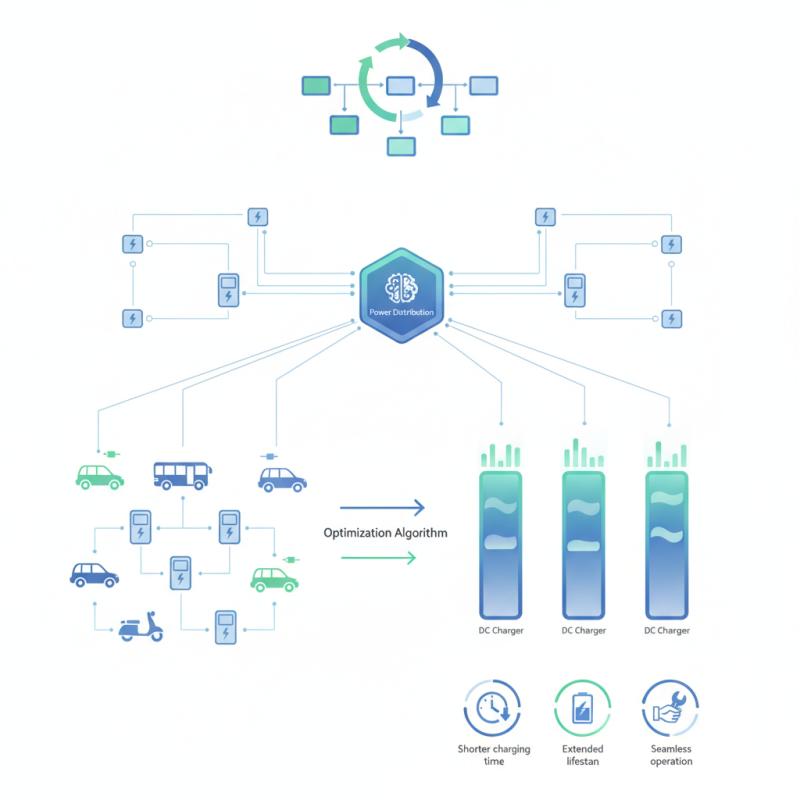
How to Efficiently Balance Load Across Multiple DC Chargers?

Understanding the Importance of Load Balancing in DC Charging Systems

Load balancing in DC charging systems is crucial. As electric vehicles (EVs) gain popularity, managing power distribution becomes complex. Efficient load balancing ensures that no single charger is overwhelmed while others remain idle. This method enhances the overall lifespan of the charging infrastructure. It also reduces the risk of overheating, which can lead to equipment failure.

When deploying multiple chargers, understanding each unit's capacity is vital. Charging at uneven rates puts stress on the system. It can lead to inefficient energy use and costly downtime. Regular monitoring can identify imbalances in real-time, allowing for quick adjustments. Adopting smart charging solutions improves this process. They help prioritize energy usage based on demand.

Despite advancements, challenges remain. Education on load management techniques is still lacking. Many operators may overlook the repercussions of uneven load distribution. This often results in inflated maintenance costs. A proactive approach and proper training on load balancing principles can make a significant difference. Embracing these insights can significantly improve the performance of DC charging networks.

Identifying Key Factors Influencing Load Distribution Among Chargers

Efficient load balancing across multiple DC chargers is crucial for maximizing performance. Key factors greatly influence load distribution among chargers. One major factor is charger capacity. Using chargers with varied capacities can lead to unequal load distribution. An effective strategy includes assessing each charger's maximum output.

Temperature also plays a significant role. Higher operating temperatures can reduce efficiency. Chargers in warmer zones may require additional cooling, impacting performance. According to a report from the International Energy Agency, chargers operating at optimal temperatures can increase efficiency by up to 15%.

**Tip**: Regularly monitor each charger's temperature and performance. Implementing a cooling system can help maintain efficiency.

User behavior is another influencing factor. If a single charger is frequently used over others, it may become overloaded. A study showed that a balanced usage pattern can extend the lifespan of equipment.

**Tip**: Analyze user habits and encourage balanced usage among chargers.

While these factors are important, it's essential to remain adaptable. Regularly evaluate load distribution for ongoing improvements.

Load Distribution Among Multiple DC Chargers

This chart illustrates the efficient load distribution among various DC chargers, highlighting key factors influencing load balancing such as charger capacity, usage frequency, and operational time.

Techniques for Monitoring and Assessing Charger Load Status

Efficient load management across multiple DC chargers is crucial for optimal performance. Monitoring and assessing charger load status entails using advanced techniques. Data from the International Energy Agency (IEA) indicates that properly managing charging stations can enhance efficiency by 25%. Regular assessment allows for identifying overloads quickly.

One effective technique involves real-time data monitoring. By employing smart metering devices, operators can assess the load on each charger. These devices provide immediate feedback. According to a report by Navigant Research, 43% of charging networks still lack comprehensive monitoring systems. This gap leads to inefficiencies and potential downtime.

Another method is load balancing. This technique distributes power evenly among chargers, preventing overloading on any single unit. A study by the Electric Power Research Institute shows that proactive load balancing can reduce energy costs by 15%. However, achieving this requires sophisticated algorithms and real-time data insights. Many facilities struggle with the implementation due to outdated infrastructure. Thus, continuous improvement and investment in technology are essential for efficient load management.

Strategies for Implementing Load Balancing Algorithms in DC Networks

Efficient load balancing is crucial in DC networks as the demand for electric vehicle charging rises. A recent report by the International Energy Agency (IEA) highlights a projected increase in global electric vehicle sales, reaching 30% by 2030. To handle this surge, implementing effective load balancing algorithms is essential.

Adopting strategies like time-of-use pricing can encourage users to charge during off-peak hours. This not only eases grid pressure but also benefits drivers financially. Algorithms such as the Weighted Average Load Balancing (WALB) can optimize the distribution of available power. By analyzing real-time data, they allocate resources more efficiently. Creating a dynamic and responsive system is key for performance.

Tips: Consider using peer-to-peer communication between chargers. This allows real-time adjustments based on demand. Regularly updating algorithms with historical and current data is vital for optimizing performance. Stay alert to challenges such as system latency. All these steps contribute to a more reliable charging network that meets growing demand while improving user experience.

How to Efficiently Balance Load Across Multiple DC Chargers? - Strategies for Implementing Load Balancing Algorithms in DC Networks

Charging Station ID Total Load (kW) Available Capacity (kW) Current Load Distribution (%) Load Balancing Algorithm
Station A 50 30 75% Static Load Balancing
Station B 30 25 83% Dynamic Load Balancing
Station C 40 10 25% Priority-Based Balancing
Station D 60 45 75% Randomized Load Distribution

Best Practices for Maintaining Efficiency and Reliability in Charging Systems

Balancing load efficiently across multiple DC chargers is essential for optimizing performance. Studies indicate that improperly scheduled charging can reduce overall efficiency by up to 30%. Ensuring even distribution of power among chargers helps maintain operational stability and equipment longevity. Load management software can automatically adjust the charging power, but its effectiveness depends on accurate data input and system monitoring.

Best practices to ensure reliability involve regular system audits. These audits should assess not just equipment status but also charging patterns and usage trends. Reports show that 25% of charging issues stem from outdated software or configurations. Keeping firmware updated is crucial. Additionally, integrating real-time monitoring enhances decision-making. Sometimes, unexpected outages or inefficiencies reveal a lack of foresight in system planning.

Another key aspect is training personnel involved in the operation. According to recent surveys, about 40% of operational disruptions can be traced back to human error. Regular training and updates can mitigate these risks. Engaging employees in efficiency discussions can lead to practical insights. Reflection on past challenges encourages continuous improvement in managing complex charging systems.

FAQS

: Why is load balancing important in charging systems?

: Load balancing ensures no charger is overwhelmed, enhancing lifespan and reducing overheating risks.

What happens if chargers are not balanced?

Uneven charging can stress the system, leading to inefficient energy use and potentially costly downtime.

How can I monitor load distribution?

Regular monitoring helps identify imbalances in real-time, allowing for quick adjustments to improve efficiency.

What are some effective load balancing strategies?

Time-of-use pricing encourages off-peak charging, easing grid pressure while benefiting users financially.

How can algorithms help in load balancing?

Algorithms like Weighted Average Load Balancing optimize power distribution by analyzing real-time data effectively.

What is a common challenge in load balancing?

Many operators lack education on load management techniques, which can lead to inflated maintenance costs.

How can chargers communicate to improve load balancing?

Utilizing peer-to-peer communication allows real-time adjustments based on current demand among chargers.

What role does data play in optimizing performance?

Regularly updating algorithms with historical and current data is crucial for effective load balancing.

What can lead to system latency issues?

Challenges such as outdated algorithms or equipment can cause delays in response time and affect performance.

What is a proactive approach to load balancing?

Training on load balancing principles can significantly improve the performance of charging networks.

Conclusion

Efficiently balancing load across multiple DC chargers is crucial for optimizing charging performance and extending the lifespan of the charging infrastructure. Understanding the importance of load balancing involves recognizing how uneven distribution of current can lead to inefficiencies and potential failures in charging systems. Key factors that influence load distribution include the characteristics of the chargers, the state of charge in connected vehicles, and the overall power availability within the network.

To successfully implement strategies for balancing load across multiple DC chargers, monitoring techniques must be established to assess the load status in real-time. This includes techniques such as deploying smart grid technologies and data analytics to inform load distribution decisions. By applying load balancing algorithms tailored to specific charging environments, operators can enhance efficiency and reliability in charging systems. Best practices such as routine maintenance, periodic assessment of charger performance, and adaptive load management can further ensure sustainable operation, ultimately leading to a more balanced and effective DC charging network.

Isabella

Isabella

Isabella is a dedicated marketing professional with a sharp focus on driving brand growth and engagement through strategic content creation. With an extensive background in digital marketing, she combines her passion for storytelling with her keen understanding of industry trends to deliver......