When exploring the landscape of electric vehicle (EV) charging solutions, a common question arises: "What is the difference between wall-mounted and ground-mounted DC chargers?" The electric vehicle market is evolving rapidly, with a report from the International Energy Agency (IEA) stating that global EV sales reached over 6.6 million units in 2021 alone. This surge has increased the demand for efficient charging infrastructure, where the choice between wall-mounted and ground-mounted chargers becomes increasingly relevant.
Experts like Dr. Emily Silver, a leading analyst in EV infrastructure, highlights, "The decision between wall and ground-mounted chargers often hinges on space availability and user convenience." This insight underscores the importance of understanding the benefits and limitations of each type. Wall-mounted chargers may save space and provide easy access in urban environments, while ground-mounted options could serve high-traffic areas more effectively.
Consideration of installation ease, cost implications, and energy efficiency is crucial. Each type presents unique challenges that stakeholders must weigh. As we delve into the various differences, it becomes clear that the right choice depends on specific contexts and needs. Each installation can be optimized based on ground conditions and user habits, urging a reflective approach to decision-making in EV charging infrastructure.
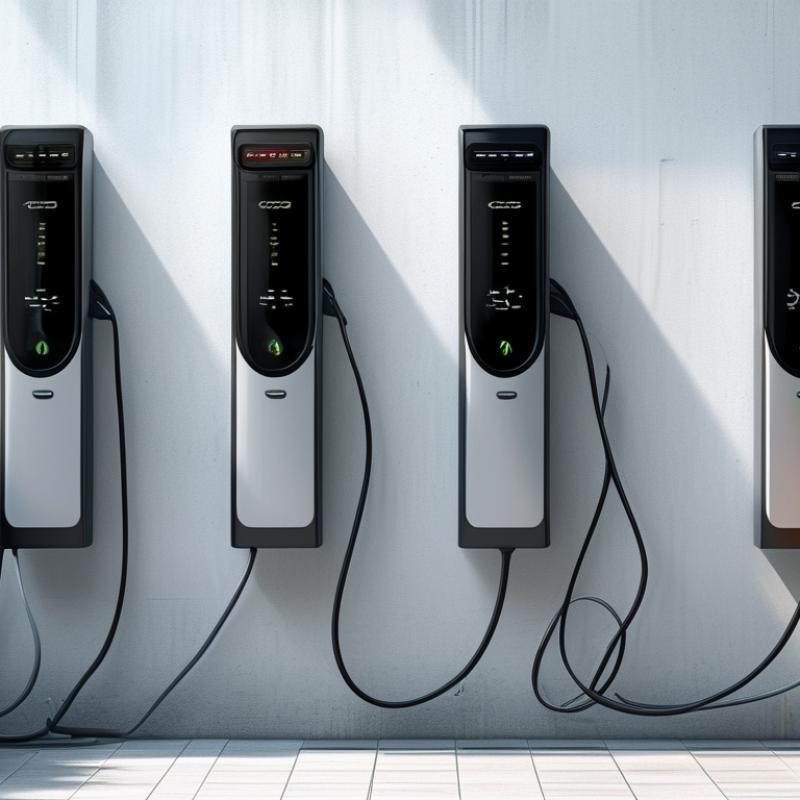
Overview of Wall Mounted DC Chargers
Wall mounted DC chargers offer a practical solution for electric vehicle owners. These chargers are typically hung on a wall, saving valuable ground space. They are ideal for urban environments where space is limited. Installing a wall mounted charger can eliminate the need for extensive groundwork. This streamlined installation process can be appealing for various users.
These chargers are often lighter and more compact than their ground mounted counterparts. Such features can ease the burden during installation. Wall mounted chargers can be adjusted to the height that best suits the location. This allows for more flexibility than ground mounted models, which are fixed to the ground. However, the mounted design may limit access for some users, depending on the chosen location.
A downside is that wall mounted chargers can be vulnerable to damages from weather elements or accidents. Therefore, the installation location should consider these factors. It’s crucial to ensure that the chosen wall is sturdy enough to support the charger. Space beneath the charger should allow for adequate clearance, which sometimes gets overlooked in planning. Users should also be wary of cords and connections, as they can become a tripping hazard. Effectively managing these small details can enhance both the functionality and safety of the setup.
Overview of Ground Mounted DC Chargers
Ground mounted DC chargers are increasingly gaining attention in the electric vehicle (EV) market. They provide flexibility in placement and can be strategically located where space is more readily available. According to a recent industry report, ground mounted chargers can reduce installation costs by up to 30% compared to their wall-mounted counterparts. This cost-effectiveness makes them attractive for commercial site installations.
These chargers are often designed for public access, providing a robust alternative for fleets or consumers. Their installation process can be simpler, as they do not require modifications to existing structures. This can be critical in urban environments where wall space is limited. However, they may pose challenges regarding weather exposure and vandalism, which needs to be addressed in their design phase.
Direct current (DC) fast charging systems are essential for EV infrastructure. The demand for faster recharging is growing, with the International Energy Agency projecting a 25% annual increase in DC charging stations by 2025. This trend underscores the necessity for ground mounted solutions. As with any technology, continuous improvement is essential to optimize performance and accessibility. The reliability of these systems must be enhanced to mitigate potential downtimes and ensure consumer trust.
Key Advantages of Wall Mounted DC Chargers
When considering charging solutions for electric vehicles, wall mounted DC chargers stand out for several key advantages. Their compact design allows for streamlined installation, taking up less space compared to ground mounted chargers. This can be particularly beneficial in urban areas where space is at a premium. The wall-mounted design can also provide easier access for users, as it eliminates the need to bend down or reach for cables positioned low to the ground.
Another important factor is safety. Wall mounted chargers are typically installed at a height that minimizes the risk of accidental damage from vehicles or outdoor elements. This height can also better shield cords and connections from rain or snow, enhancing longevity and reducing maintenance needs. However, it is essential to ensure that the installation is done correctly, as improper setups can lead to malfunction or safety hazards.
The integration of smart technology in wall mounted chargers offers additional convenience. Features like app connectivity and real-time monitoring enhance user engagement. Yet, some users may find these technologies complicated or difficult to use. It’s important for manufacturers to provide clear documentation and support to ensure customers can utilize these features effectively. That said, these chargers promise efficiency and safety while adapting to the needs of modern electric vehicle owners.
Key Advantages of Ground Mounted DC Chargers
Ground mounted DC chargers offer several key advantages that make them appealing for various installations. They are more accessible for drivers, making charging easier. Users can simply pull up and plug in without navigating difficult angles or heights. This convenience is beneficial in high-traffic areas where quick access is crucial.
Furthermore, ground mounted systems often feature better stability. These chargers are less prone to damage from high winds or collisions since they are securely anchored to the ground. Installing them in well-thought-out locations reduces potential hazards. On the other hand, the installation process could require more space and considerations regarding the existing landscape.
In terms of maintenance, ground mounted chargers might present challenges. They can accumulate debris such as leaves and dirt, which may need regular cleaning. However, their durability and ease of use make them worth the effort. Overall, ground mounted DC chargers cater to users valuing practicality and stability.
Considerations for Choosing Between Wall Mounted and Ground Mounted Chargers
When choosing between wall-mounted and ground-mounted DC chargers, several factors must be considered. Wall-mounted chargers save space and can be installed in tighter areas. They tend to be less prone to damage, as they are out of reach. However, accessibility can be an issue for larger vehicles. According to a report by the International Energy Agency (IEA), wall-mounted chargers are often preferred in residential applications, making up about 65% of installations.
Ground-mounted chargers, on the other hand, provide easier access for users, especially for large fleet vehicles. They can accommodate multiple units in parking areas, enhancing charging efficiency. However, they require more space and may face challenges from environmental factors like flooding or snow accumulation. A study by the U.S. Department of Energy found that ground-mounted installations accounted for around 35% of public charging points. This implies that strategic placement is crucial for ensuring functionality and user convenience.
Consideration of the local environment is essential. Ground-mounted stations may need additional protective measures, which could increase installation costs. Reliability is critical; choosing between types involves weighing installation site constraints and user accessibility. Making informed decisions based on these factors can ultimately enhance the charging experience.
Top 10 Differences Between Wall Mounted and Ground Mounted DC Chargers
| Aspect |
Wall Mounted Chargers |
Ground Mounted Chargers |
| Installation Complexity |
Easier, requires wall support |
More complex, needs foundations |
| Space Requirements |
Requires less ground space |
Requires more area for installation |
| Accessibility |
May be less accessible for tall vehicles |
Easily accessible for all vehicle types |
| Aesthetics |
Less obtrusive, blends with walls |
More prominent, may require enclosing |
| Cost of Installation |
Generally lower installation cost |
Higher due to site preparation |
| Maintenance Effort |
Easy access for maintenance |
May require more effort to maintain |
| Durability |
Susceptible to wall damages |
Robust against external factors |
| Power Output |
Typically lower compared to ground variants |
Often supports higher power output |
| Usage Environment |
Best for indoor settings |
Ideal for outdoor applications |
| Installation Location Flexibility |
Limited to available wall space |
Can be installed in a variety of locations |
Conclusion
When considering the installation of DC chargers, understanding the differences between wall-mounted and ground-mounted options is crucial. Wall-mounted DC chargers are typically compact and ideal for locations with limited space, allowing for easy access and minimizing clutter on the ground. In contrast, ground-mounted DC chargers offer more versatility in positioning and may be better suited for larger facilities where multiple charging stations are needed.
The key advantages of wall-mounted chargers include their space-saving design and straightforward installation, making them a preferred choice for urban environments. Ground-mounted chargers, however, provide flexibility in placement and are often more accessible for users in parking lots or commercial spaces. Ultimately, the choice between wall-mounted and ground-mounted chargers depends on available space, installation preferences, and user requirements, answering the vital question: What is the difference between wall-mounted and ground-mounted DC chargers?

 Vernon Charger