The rapid growth of electric vehicles (EVs) has led to an increased demand for efficient DC charging solutions. However, many users face challenges that hinder the charging process. According to a recent report from the International Energy Agency, the global EV stock surpassed 10 million units in 2022, emphasizing the urgency of addressing charging issues. These problems often stem from equipment malfunctions, poor connections, or software misconfigurations.
Industry expert Dr. Jane Smith states, “Understanding how to troubleshoot DC EV charging issues is crucial for a smooth user experience.” Her insights highlight the need for DIY solutions and preventive measures. Many EV owners find themselves frustrated when their vehicles fail to charge. These inconveniences can cause anxiety for potential users.
To ensure the reliability of EV charging infrastructure, familiarizing oneself with common troubleshooting techniques is essential. Routine maintenance, proper installation, and user education can significantly mitigate these issues. Recognizing the intricacies of the charging process is vital for both users and industry stakeholders. Investing in training resources can enhance the overall reliability of DC charging stations and foster a more robust EV ecosystem.
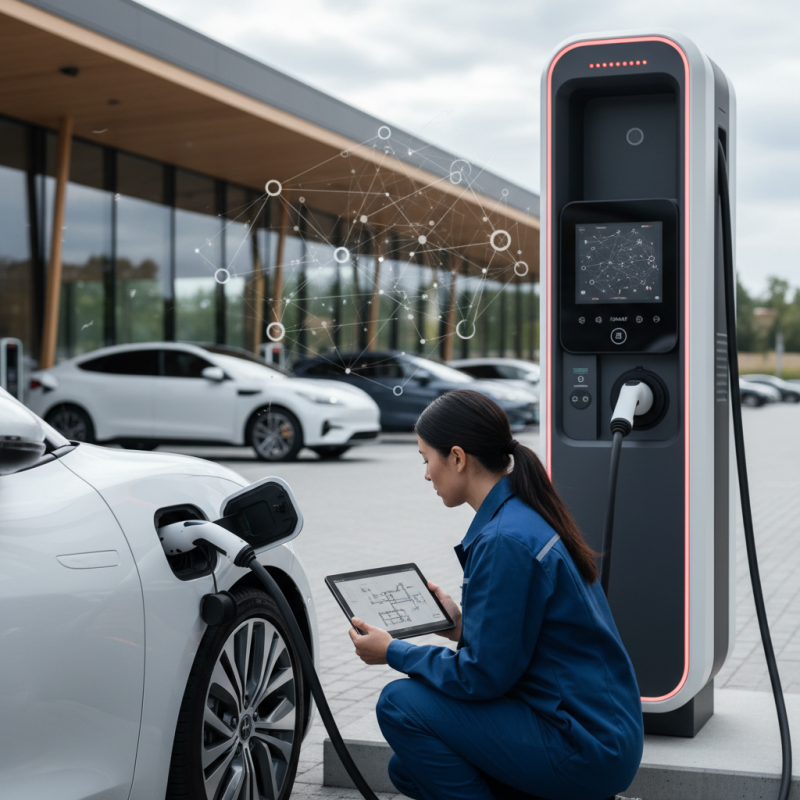
Understanding the Common Causes of DC EV Charging Issues
Electric vehicles (EVs) are revolutionizing transportation, yet challenges remain with DC charging infrastructure. One prominent issue is the disparity in charging speed and efficiency. According to a report from the International Energy Agency, up to 30% of public DC fast chargers are out of service at any given time. This leads to frustration for EV owners who depend on commercial charging networks.
Another critical cause of charging issues lies in compatibility. Various EV models have different charging standards. A 2022 survey showed that nearly 25% of respondents experienced issues due to adapter incompatibility. This underscores the need for a unified approach to charging technology. Moreover, software malfunctions and outdated firmware can disrupt the charging process, further complicating the experience for users.
Temperature fluctuations can also impact charging performance. Extreme cold or heat can reduce charging efficiency by as much as 20%, as noted in a study by the U.S. Department of Energy. Such insights emphasize the importance of infrastructure planning and technological advancements. Addressing these common issues requires collaboration among manufacturers, operators, and policymakers to enhance the user experience and ensure reliability.
Identifying Symptoms of DC EV Charging Problems
When dealing with DC EV charging, recognizing the symptoms of problems is crucial for effective troubleshooting. One common symptom is when the charging session stops unexpectedly. This can be frustrating, especially if you are in a hurry. Pay attention to the charge level indicators. If the charger shows it’s working, but your vehicle remains at the same level, a deeper issue may exist.
Another sign to watch for is unusual noise or heat from the charging station. These signs can indicate underlying electrical issues. If the charger feels excessively hot or emits strange sounds, it may require immediate attention. Ignoring these cues can lead to more significant problems down the line, potentially causing long-term damage to your EV.
Let’s consider connection issues. Loose or damaged cables can prevent proper charging. If you struggle to maintain a reliable connection, it’s essential to inspect the plugs and connectors closely. Always check for debris or corrosion. These minor details can significantly affect charging efficiency. By identifying these symptoms early, EV owners can take proactive steps to address issues before they escalate.
DC EV Charging Issues: Symptoms and Frequency
Effective Troubleshooting Steps for DC EV Charging
DC EV charging issues can arise from various factors. Technical malfunctions, user errors, and compatibility problems are often the culprits. A recent report from the International Energy Agency (IEA) indicates that around 20% of EV owners have faced charging failures. Understanding effective troubleshooting steps is crucial for both users and providers.
Start by checking the connection between the vehicle and charger. A loose plug can cause an interruption. Next, inspect the charger for any error messages. Many chargers come equipped with a display that provides real-time feedback. Following this, ensure the vehicle’s battery management system is functioning correctly. According to industry experts, regular updates to the vehicle's software can prevent many issues.
Environmental factors, such as extreme temperatures, also affect DC charging performance. For example, high heat can lead to overheating in some chargers. Believing that all charging stations function similarly can lead to frustration. In fact, different manufacturers may have varying standards and protocols. Taking time to familiarize oneself with the specific charger being used can result in a smoother experience. Embracing these troubleshooting steps can enhance user confidence and charging reliability.
Preventative Measures to Avoid Future DC EV Charging Issues
DC EV charging issues can arise due to various technical and environmental factors. To mitigate this, organizations must implement comprehensive strategies. Regular maintenance of charging stations is key. According to a study by the National Renewable Energy Laboratory, stations that undergo routine checks experience 30% fewer downtime incidents. This proactive approach greatly enhances reliability.
User education plays a critical role in preventing issues as well. Proper usage of charging stations is often overlooked. Training users on optimal charging practices can lead to a 25% reduction in user-related errors. Furthermore, keeping an eye on software updates is vital. Many charging issues stem from outdated firmware. The Electric Power Research Institute recommends routine software audits to detect potential glitches before they escalate.
Monitoring environmental conditions is also essential. Extreme temperatures can affect charging efficiency. Data shows that charging units in areas with fluctuating temperatures encounter problems more frequently. Installing temperature-resistant equipment can help. Investing in infrastructure resilience reduces downtime and enhances user confidence. Prioritizing these preventative measures can significantly minimize future DC EV charging challenges.
Why Do DC EV Charging Issues Occur and How to Fix Them? - Preventative Measures to Avoid Future DC EV Charging Issues
| Issue Type |
Description |
Preventive Measure |
Frequency |
| Poor Connection |
Charging cable not properly connected to the vehicle. |
Regularly inspect charging cables and connectors for wear. |
Occasional |
| Overheating |
Charging stations overheating due to high usage. |
Implement cooling systems in high-traffic areas. |
Frequent |
| Software Glitches |
Issues related to the charging station’s software. |
Regular software updates and maintenance checks. |
Common |
| Power Supply Issues |
Inadequate power supply or fluctuations. |
Ensure stable power connections and backup systems. |
Occasional |
| User Error |
Mistakes made by users during the charging process. |
Provide clear instructions and user training. |
Frequent |
When to Seek Professional Help for DC EV Charging Concerns
DC EV charging issues can surface unexpectedly. Knowing when to seek professional help is crucial for smooth operation. If your vehicle displays unusual charging error messages or struggles to connect, it’s time to act. Ignoring these signs may lead to more significant problems down the line.
Frequent disconnections during charging are another indicator. If your car often fails to establish a stable connection, consider consulting an expert. A trained technician can assess the issue effectively. In some cases, the charging station may have faults that require a professional’s touch.
Additionally, strange noises or overheating during charging shouldn't be overlooked. These could signal a deeper issue with the system. It’s wise to stop using the charger immediately and seek assistance. Understanding when to get help can prevent costly repairs or even safety hazards. Trust your instincts; if something feels off, it’s always better to be safe than sorry.
Conclusion
DC EV charging issues can arise from a variety of causes, including equipment malfunctions, connection problems, or environmental factors. Common symptoms include slow charging, sudden disconnections, or error messages on the charging station. Understanding these symptoms is crucial for users to identify problems early.
To effectively address these issues, it is important to know how to troubleshoot DC EV charging issues. This involves checking the connection integrity, inspecting the charging cable and port for damage, and ensuring that the power supply is stable. Implementing preventative measures, such as regular maintenance and updates, can help avoid future problems. However, if issues persist despite troubleshooting, seeking professional help may be necessary to ensure safe and efficient charging.

 Vernon Charger