How DC Chargers Enhance Fleet Energy Management Efficiency?

Time:2026-06-10 Author:Isabella
0%

The rising demand for electric vehicles (EVs) in fleets has prompted significant changes in energy management strategies. Industry expert Dr. Emily Carter, a leading researcher in sustainable transportation, states, "How DC chargers revolutionize the way we manage fleet energy, making it more efficient and reliable." DC chargers play a crucial role in this transition, enhancing the overall performance of fleet operations.

These chargers allow for rapid and efficient charging, minimizing downtime. Fleets can optimize their charging schedules based on peak energy rates or vehicle usage patterns. It’s not just about speed; it’s about finding balance and efficiency. However, many fleet managers face challenges in fully integrating these systems into their operations. Understanding the nuances of how DC chargers help with fleet energy management is essential for maximizing their benefits.

DC charging technology also supports data-driven decisions, providing insights into energy consumption and vehicle performance. Still, organizations must invest in training and technology integration. Many fleets struggle to adapt, highlighting the need for continuous learning and improvement. The journey to efficient energy management is complex, but embracing these advancements is vital for a sustainable future.
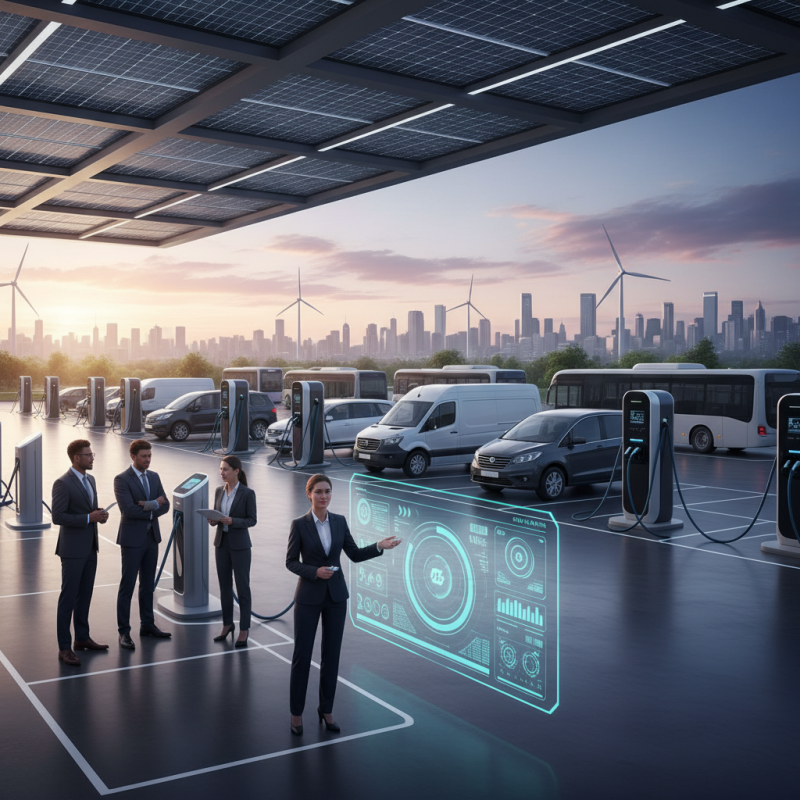
How DC Chargers Enhance Fleet Energy Management Efficiency?

Understanding DC Chargers in Electric Vehicle Fleets

DC chargers play a crucial role in enhancing energy management within electric vehicle fleets. These chargers offer fast charging capabilities, reducing downtime significantly. According to the International Energy Agency, DC fast chargers can recharge a vehicle to 80% in about 30 minutes. This fast turnaround is vital for fleet operations, allowing for more trips per day and ultimately increasing revenue potential.

Understanding the operational dynamics of DC chargers is essential for fleet managers. A report by the U.S. Department of Energy indicates that optimized charging schedules can reduce energy costs by 30-40%. Fleet operators often face challenges in balancing charging times with operational needs. However, leveraging real-time data analytics can improve charging efficiency. Monitoring metrics like state-of-charge and energy consumption allows for better planning and execution.

Moreover, while DC chargers enhance efficiency, they may also pose initial investment challenges. The upfront costs for installation and infrastructure can be substantial. Fleets must weigh these costs against potential savings in operational efficiency and lower energy prices in peak periods. Balancing technological advancements with economic realities remains a critical consideration for fleet management strategies.

The Role of DC Fast Charging in Fleet Energy Management

DC fast charging plays a crucial role in fleet energy management. Fleets often operate under tight schedules. The ability to quickly recharge electric vehicles makes a significant difference. With DC chargers, vehicles can regain much of their range in just 30 minutes. This is vital for reducing downtime. Fleet managers appreciate the efficiency of this rapid charging.

Implementing DC fast charging can lead to potential challenges. Not all locations may have the necessary infrastructure. High installation costs can also deter some fleet operators. However, the long-term benefits often outweigh these initial hurdles. Properly managed fleets can reduce operational costs and improve overall efficiency. Investing in DC chargers can make fleets more competitive.

The integration of DC fast charging improves fleet planning. It enables better route optimization. Fleets can adjust charging schedules based on real-time energy demands. Enhanced data analytics can identify peak charging times. This ensures vehicles are ready when needed. With the right approach, DC chargers can transform fleet energy management. There’s always room for improvement and adaptation in this evolving field.

Benefits of Using DC Chargers for Operational Efficiency

The adoption of DC chargers is transforming fleet energy management. These chargers significantly enhance operational efficiency by reducing charging time. A conventional charger can take several hours, while DC fast chargers can provide a full charge in under 30 minutes. This speed is crucial for fleets that rely on tight schedules.

Moreover, DC chargers can optimize energy use. They adapt to grid conditions and can charge during off-peak hours, which helps in lowering energy costs. This feature can contribute to overall fleet performance. However, it is essential to consider infrastructure costs. Retrofitting existing fleet environments to accommodate these chargers may pose challenges.

Training staff on new charging technologies is another area to address. Proper understanding is necessary to utilize these chargers fully. Integration within fleet operations requires careful planning and assessment. While the benefits are clear, the transition needs thoughtful implementation to ensure long-term success.

Integration of DC Chargers in Fleet Energy Monitoring Systems

The integration of DC chargers into fleet energy monitoring systems marks a significant advance in energy efficiency management. According to a recent industry report, fleets adopting DC fast chargers can reduce charging times by up to 80%. This efficiency is crucial for maximizing vehicle uptime and operational productivity. Real-time monitoring capabilities allow fleet managers to track energy consumption and optimize charging schedules. Data shows that managing charge cycles effectively can save fleets up to 25% in energy costs annually.

However, the implementation is not without challenges. Integration may require expensive upgrades to existing infrastructure. Fleet operators often face a steep learning curve in utilizing the technology effectively. Research indicates that about 30% of fleets struggle with system interoperability. Proper training and assessment of current operations are essential to mitigate these issues. Continuous adjustments to charging protocols can enhance energy management and improve the overall system's responsiveness.

Monitoring energy usage patterns also reveals opportunities for improvement. Insights from data analytics help in identifying peak usage hours, uncovering where inefficiencies lie. Many fleets, however, may overlook routine analyses, which can lead to missed savings. A proactive approach to integrating DC chargers and energy management can significantly improve resource utilization. Investing in these technologies, despite initial hurdles, holds the potential for considerable long-term benefits.

How DC Chargers Enhance Fleet Energy Management Efficiency? - Integration of DC Chargers in Fleet Energy Monitoring Systems

Fleet Type Number of Vehicles Average Charge Time (hrs) Energy Consumption (kWh/100mi) Cost Savings ($/month)
Delivery Vans 50 1.5 50 $1,200
Public Buses 100 2.0 80 $3,000
Ride Hailing 25 1.8 60 $800
Logistics Trucks 40 3.0 100 $2,500

Challenges and Solutions in Implementing DC Charging Solutions

Implementing DC charging solutions for fleets presents notable challenges. One major issue is the existing infrastructure. Many facilities are not equipped to handle the high power demands of DC fast chargers. Retrofitting these locations can incur significant costs, and it requires time-consuming planning. Organizations may struggle to secure the necessary space for installations. This often leads to delayed rollout and increased frustration among fleet managers.

Another challenge is the compatibility of vehicles. Not all electric vehicles (EVs) can utilize DC fast charging. This creates a complex scenario for fleets with diverse vehicle models. Fleet operators may need to invest in multiple charging solutions. Adapting to varying needs can complicate logistics and increase operational costs. Furthermore, there can be technical issues during the charging process. Hardware failures or software glitches can hinder smooth operations.

Addressing these issues requires a multi-faceted approach. Engaging with expert teams during the planning phase is essential. Having dedicated staff for maintenance and training can enhance operational efficiency. Pilot programs can help identify specific needs. This way, companies can tailor solutions to better fit their unique situations. Learning from initial implementations will drive improvements, but it may take time to achieve optimal efficiency.

FAQS

: What are the benefits of integrating DC chargers into fleet systems?

: Integrating DC chargers can reduce charging times by up to 80%. This increases vehicle uptime and boosts productivity.

How can energy monitoring impact cost savings?

Effective charge cycle management can save fleets up to 25% in energy costs annually. This is crucial for budget management.

What challenges do fleets face when implementing DC charging?

Fleets often struggle with infrastructure upgrades and interoperability issues. About 30% face difficulties in system compatibility.

Why is training important for fleet operators?

Proper training helps operators understand new systems. Many may find the learning curve steep without adequate support.

How can data analytics improve energy management?

Monitoring usage patterns helps identify inefficiencies. Regular analysis can lead to significant cost savings and resource optimization.

Are all electric vehicles compatible with DC fast charging?

No, not all EVs can use DC fast charging. Fleets with various models may face logistical complications and increased costs.

What infrastructure issues can arise with DC charger installation?

Many facilities lack the power required for DC chargers. Retrofitting can be costly and require significant planning efforts.

How can pilot programs help with DC charger implementation?

Pilot programs identify specific needs and tailor solutions. They provide valuable insights for future implementations.

What technical problems can fleets encounter during charging?

Hardware failures and software glitches can disrupt operations. These issues complicate the charging process and waste time.

What is the potential long-term benefit of investing in DC charging systems?

Despite initial hurdles, investing in DC chargers can lead to substantial long-term benefits in energy efficiency and cost savings.

Conclusion

DC chargers play a crucial role in enhancing fleet energy management efficiency, primarily by providing rapid charging capabilities that minimize vehicle downtime. Understanding the specific advantages of using DC fast charging systems allows fleet operators to optimize their energy consumption and operational practices. These chargers not only facilitate quicker turnarounds but also integrate seamlessly into fleet energy monitoring systems, enabling real-time data analysis and improved decision-making.

Furthermore, the benefits of employing DC chargers extend to cost savings and sustainability, making them a valuable asset for modern electric vehicle fleets. While challenges exist in the implementation of DC charging solutions, innovative strategies can be adopted to overcome these obstacles. In conclusion, understanding how DC chargers help with fleet energy management can significantly enhance overall operational efficiency and contribute to the growth of electric mobility in various industries.

Isabella

Isabella

Isabella is a dedicated marketing professional with a sharp focus on driving brand growth and engagement through strategic content creation. With an extensive background in digital marketing, she combines her passion for storytelling with her keen understanding of industry trends to deliver......